
Technical Knowledge Hub · Ever Power · UK Industrial Series
OEM vs Aftermarket Hydraulic Cylinder Seals: Performance Differences and What to Watch For
A practical engineering guide for maintenance engineers, procurement teams, and plant managers across the UK manufacturing sector — covering seal materials, failure modes, specification matching, and total cost of ownership.
OEM vs Aftermarket
UK Industrial
Maintenance Engineering
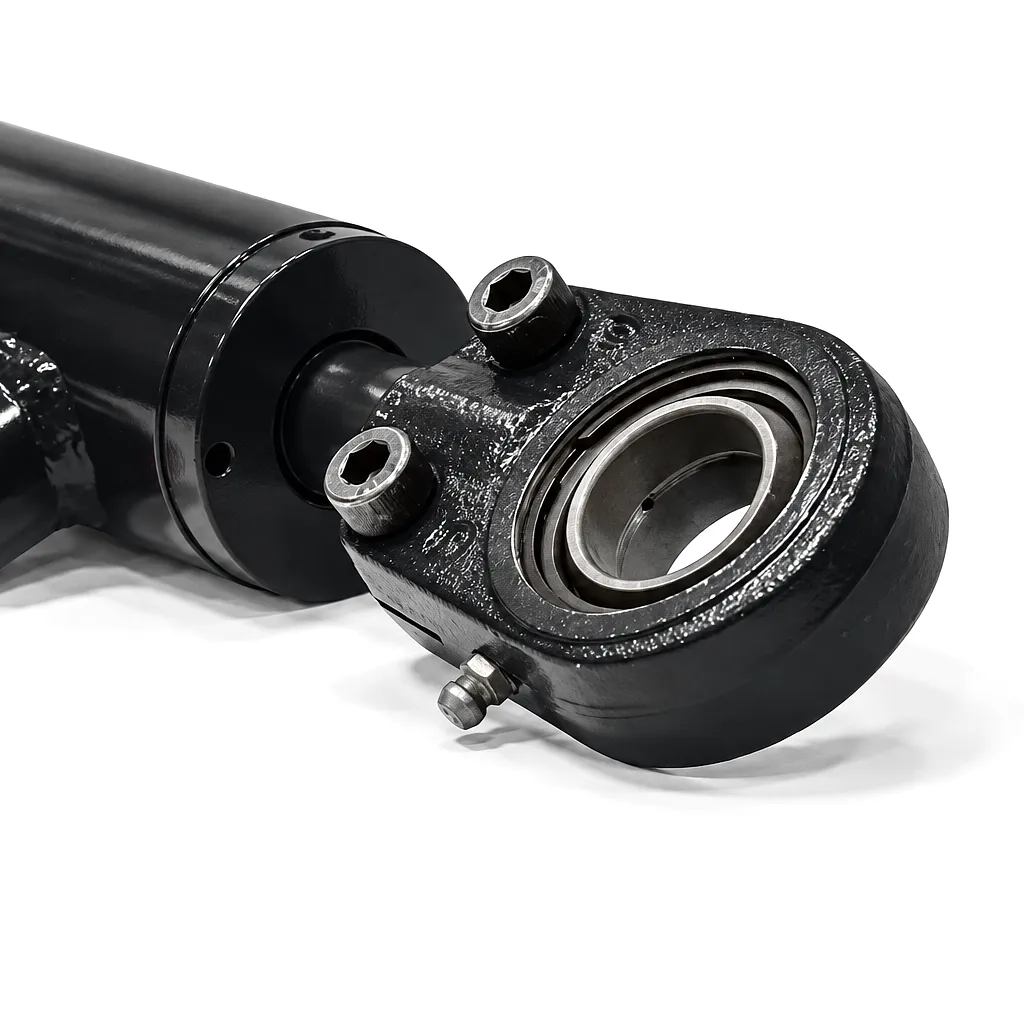 Every hydraulic cylinder in service — whether mounted on a mobile elevated work platform in Birmingham, a pressing line in Sheffield, or a marine loader in Bristol — depends on one deceptively simple component to hold system pressure and prevent costly fluid loss: the seal. When that seal is due for replacement, maintenance teams face a choice that directly affects machine uptime, warranty compliance, and long-term operating costs. Should they fit a genuine OEM seal, or does an aftermarket alternative offer equivalent or even superior performance at a lower price point?
The question is rarely as simple as cost comparison alone. Seal geometry, compound elasticity, dynamic pressure ratings, and compatibility with the cylinder’s rod finish all influence how long a replacement seal actually lasts under real working conditions. This guide breaks down the technical realities so you can make an informed, application-specific decision — and avoid the unplanned shutdowns that result from getting it wrong.
Need Custom Hydraulic Cylinder Seals for Your Application?
Ever Power engineers can specify the right seal compound and geometry for your operating conditions.
What a Hydraulic Cylinder Seal Actually Does — and Why Specification Matters
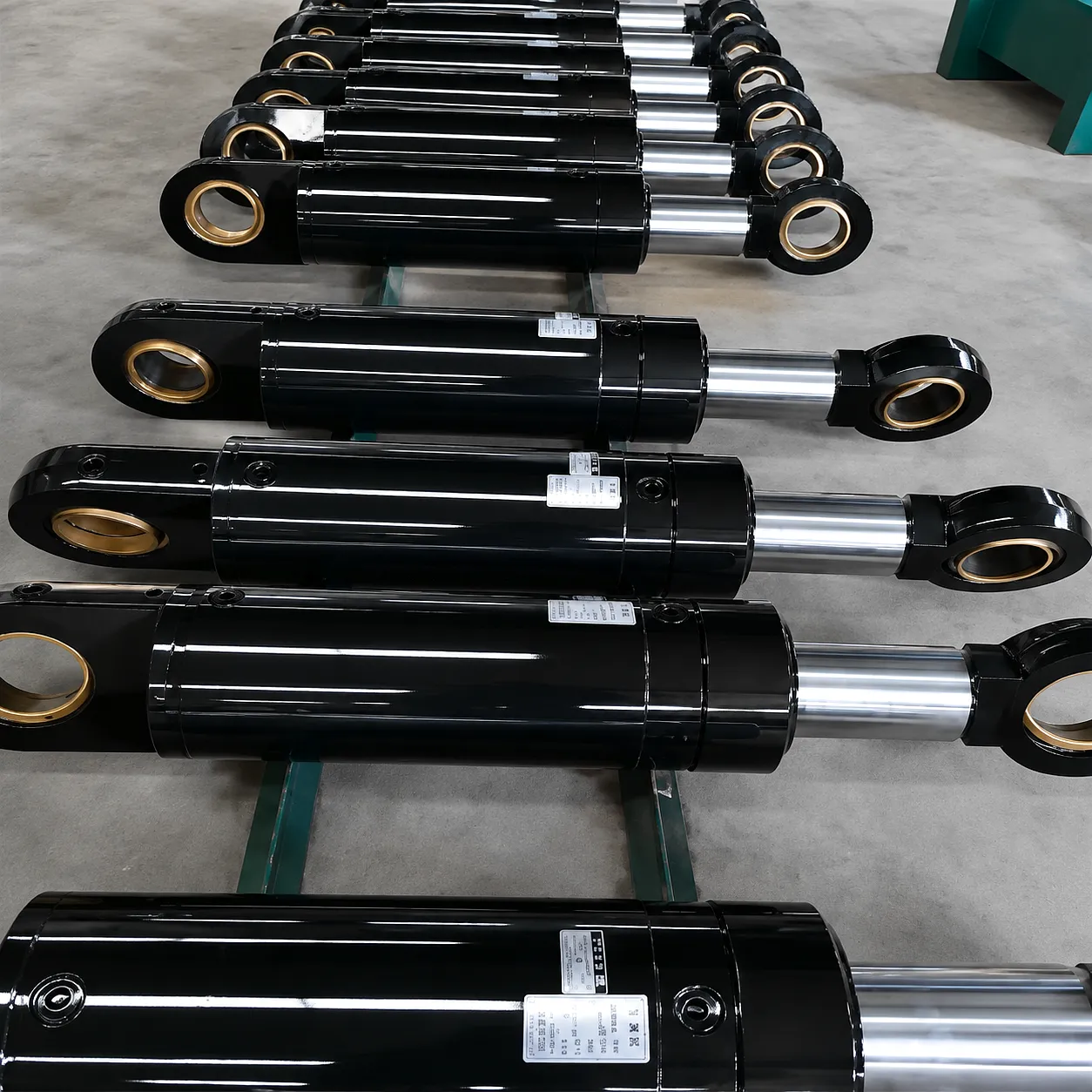 A hydraulic cylinder seal is not a passive gasket. It performs as a dynamic tribological interface, maintaining a pressurised fluid film between the rod or piston surface and the bore wall, while simultaneously preventing external contamination ingress and managing the lubricating oil film that keeps the rod from scoring under reciprocating load. A seal that is even slightly out of specification — in cross-section diameter, lip geometry, or shore hardness — will fail to perform any one of these functions correctly, leading to micro-leakage, accelerated rod wear, or catastrophic blowout under pressure spike conditions.
In a typical double-acting cylinder, you will find at minimum a piston seal set, a rod seal, a wiper seal (also called a scraper or dust seal), and one or more buffer rings that cushion peak pressure events. Each position carries different demands. The piston seal handles the highest bidirectional pressure differentials — routinely 200 to 400 bar in mobile hydraulics — while the wiper seal deals with abrasive contamination, UV degradation, and the mechanical shock of a rod returning under load. Specifying the same compound and geometry for every position in a cylinder is an engineering error that discount seal kits frequently make.
This matters because both OEM and aftermarket seal suppliers claim their products meet the same dimensional standards — and in cross-section measurement alone, many do. The differences that matter most, including compound durometer, lip interference fit, surface finish compatibility, and heat deflection temperature, are not always visible on a specification sheet and are almost never comparable without access to the original design data that OEM suppliers hold and aftermarket manufacturers must reverse-engineer or estimate.
OEM Hydraulic Cylinder Seals: Engineering Certainty at a Premium
Advantage 01
Design-Matched Geometry
OEM seals are manufactured to the original engineering drawings, meaning lip interference, contact angle, and cross-section are matched precisely to the rod diameter, bore finish, and expected operating temperature range of that specific cylinder model. There is no guesswork in the interference fit.
Advantage 02
Compound Validation
The elastomer compound — whether polyurethane, nitrile, PTFE-loaded, or fluorocarbon — has been validated against the specific hydraulic fluid specified by the cylinder manufacturer. This includes compatibility testing with HVI oils, water-glycol fluids, phosphate ester fluids, and the additive packages used in high-pressure mobile hydraulic systems.
Advantage 03
Warranty & Liability
For equipment still under manufacturer warranty, fitting non-OEM seals can void warranty coverage on the entire hydraulic circuit. For UK-based operators working under BS EN ISO 4413 hydraulic safety standards, using non-approved components on safety-critical lifting equipment may also introduce liability exposure if a seal failure contributes to an incident.
The primary drawback of OEM seals is well understood: cost. Genuine replacement seals from major hydraulic cylinder OEMs typically carry a significant price premium over aftermarket equivalents — in some cases running to four or five times the aftermarket price for the same nominal seal size. Lead time is a second concern. OEM seal kits for older or specialised cylinder models can carry lead times of several weeks when ordered through authorised distributors, which is commercially unacceptable for plant managers in time-sensitive manufacturing environments like the automotive pressing shops in Coventry or the food processing facilities in Yorkshire.
For high-pressure, safety-critical, or warranty-active applications, OEM seals remain the conservative engineering choice. The question is always whether the application justifies the premium — and that calculation depends on factors specific to your operating environment, fluid specification, and duty cycle.
注目の商品
Folding Boom Angle Cylinder for Aerial Work Vehicle (1458mm Stroke)
Designed for precision motion control in elevated work platforms — seal integrity is critical at every stroke cycle.
Aftermarket Hydraulic Cylinder Seals: Where the Real Performance Differences Hide
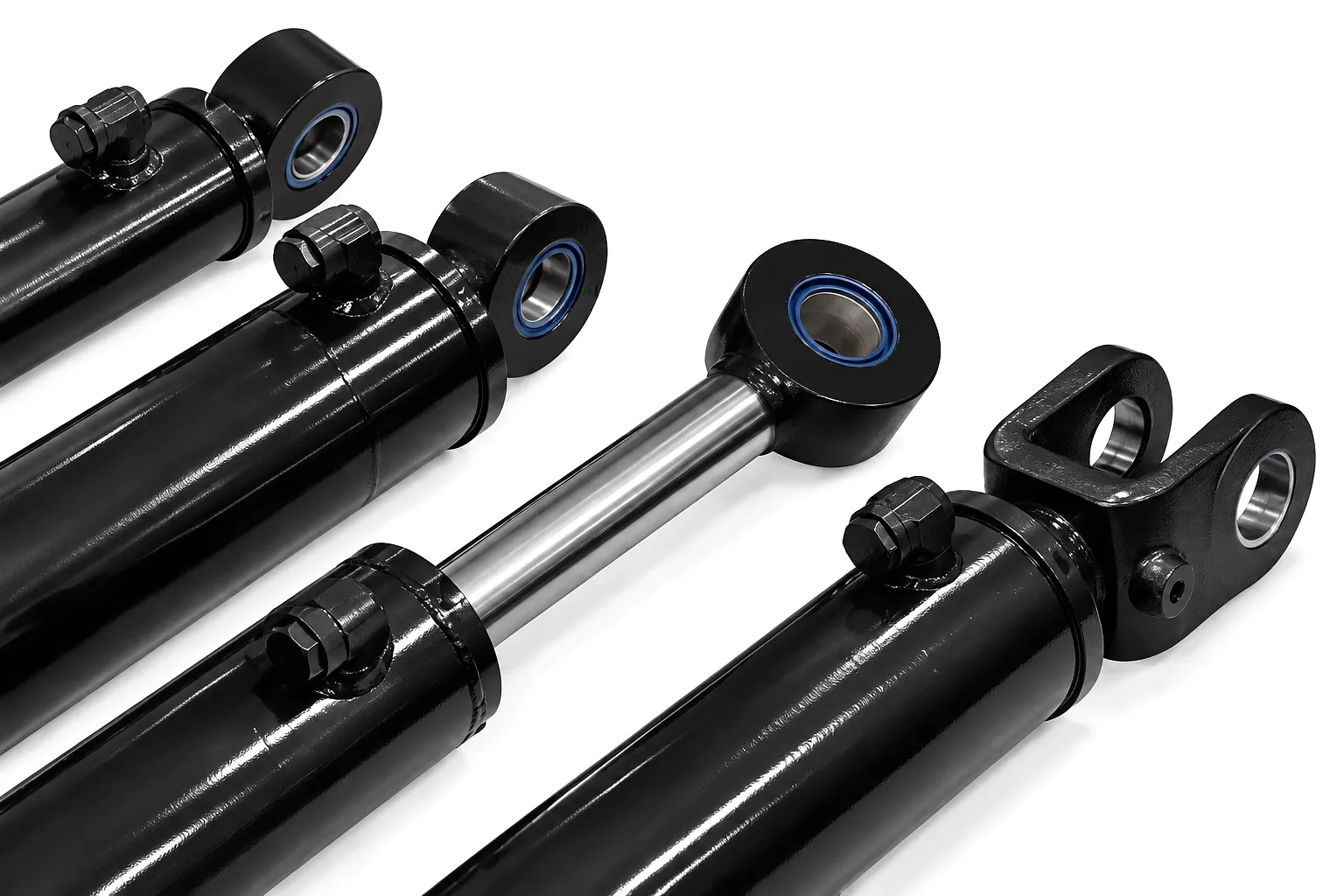
The aftermarket hydraulic seal industry has matured significantly over the past two decades. Reputable aftermarket manufacturers now invest in compound development, dimensional measurement systems, and long-term durability testing that rivals — and in some narrow areas, surpasses — what OEM suppliers provide. For standard cylinder applications running common hydraulic mineral oils at pressures below 250 bar and temperatures below 80°C, a quality aftermarket seal from an established UK distributor or direct from a specialist manufacturer can deliver service life comparable to OEM within acceptable engineering tolerances.
The danger lies not in reputable aftermarket seals, but in the sheer volume of low-grade product that fills the lower price tier of the aftermarket. Seals manufactured from recycled or off-spec elastomer compound — identifiable by inconsistent shore hardness, visible mould parting lines on the sealing lip, and poor dimensional repeatability across a batch — are widely available online and through secondary distributors, often packaged to appear visually identical to quality product. The consequences of fitting such seals range from premature leakage within weeks of installation through to cylinder rod scoring caused by insufficient wiper lip stiffness, which generates repair costs that dwarf the original seal purchase price.
There are three specific performance characteristics where aftermarket seals most frequently diverge from OEM specification, and where the practical consequences are most severe in UK industrial applications.
Compound Hardness Variance
Shore A durometer in aftermarket polyurethane rod seals commonly varies by ±6 to ±10 points from the stated specification, compared to ±2 to ±3 points in OEM product. At the harder end of this range, the seal generates excessive friction and heat on the rod surface, shortening both seal and rod chrome plating life. At the softer end, dynamic extrusion under pressure surge events causes progressive seal distortion, with leakage appearing suddenly rather than gradually — making condition-based monitoring unreliable.
Lip Geometry and Interference Fit
The interference between a rod seal lip and the rod surface must be controlled within a very tight window. Too little interference produces immediate leakage at low-pressure start-up conditions; too much generates the heat and wear patterns described above. Aftermarket seals reverse-engineered from the external dimensions alone frequently miss the internal lip profile by enough to fall outside this window, particularly in larger bore sizes above 80mm where the moulding process demands more precise tooling control.
Surface Finish Compatibility
OEM seals are matched to the specific bore finish specified for that cylinder — typically Ra 0.2 to 0.4 µm for a chrome-plated rod. Aftermarket seals designed to be universally applicable across multiple rod finish specifications are often compounded to tolerate a wider range, which means the compound must be softer or more resilient to accommodate rougher surfaces — and this compromise directly affects the seal’s pressure rating and extrusion resistance.
Performance and Technical Specification Comparison Table
The table below summarises the primary technical parameters across OEM and two representative tiers of aftermarket hydraulic cylinder seal product — premium-grade aftermarket from established specialist manufacturers, and economy-grade aftermarket from secondary supply channels. These figures are indicative and based on engineering data compiled from UK industrial hydraulic service records and published elastomer compound specifications.
| パラメータ | OEM Seals | Premium Aftermarket | Economy Aftermarket |
|---|---|---|---|
| Compound Type (Rod Seal) | PU / FKM / PTFE blend — model-matched | PU / NBR / PTFE — application-specified | NBR / low-grade PU — generic |
| Shore A Tolerance | ±2 points | ±4 points | ±8–10 points |
| Max Operating Pressure | Up to 450 bar | Up to 350–400 bar | Up to 200–250 bar (unverified) |
| Temperature Range | -40°C to +120°C (FKM) | -30℃~+100℃ | -20°C to +80°C (typical) |
| Rod Surface Finish Range | Ra 0.1–0.4 µm | Ra 0.2–0.8 µm | Ra 0.4–1.6 µm |
| Fluid Compatibility | Validated for specified fluid type | Tested — mineral oil / HVI standard | Stated only — testing may not apply |
| Dimensional Certification | Full traceability, batch cert. | Inspection report available | Nominal spec sheet only |
| Typical Service Life (continuous duty) | 8,000–12,000+ hours | 5,000–9,000 hours | 500–3,000 hours (unpredictable) |
| Unit Cost (relative) | High (100% baseline) | Medium (30–60%) | Low (10–25%) |
| Warranty / Safety Compliance | Maintains OEM warranty | Generally acceptable post-warranty | Unverified — risk to compliance |
Industrial Application Scenarios: Which Seal Type Belongs Where
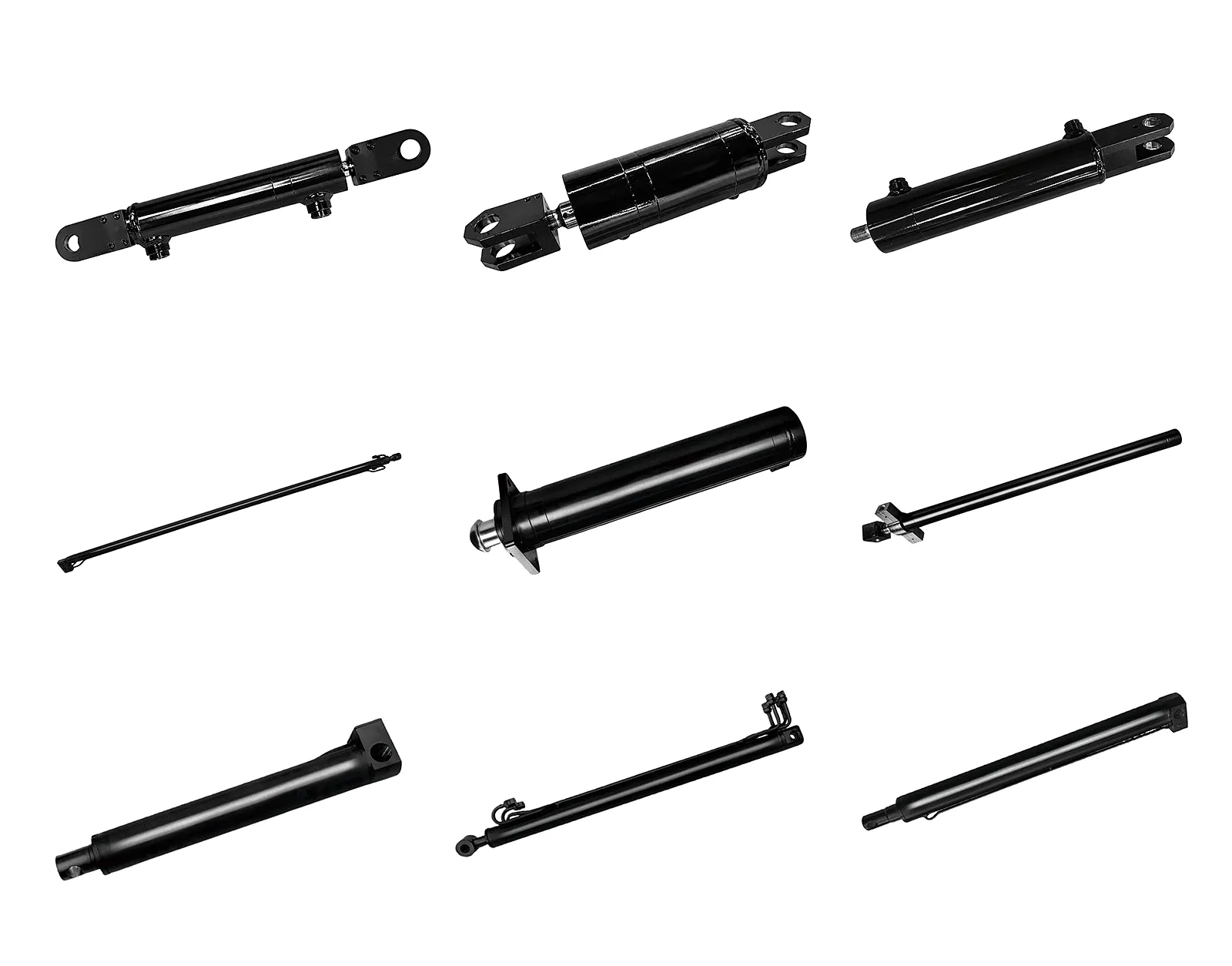
Aerial Work Platforms and Mobile Elevated Work Equipment (MEWP) — Birmingham, Leeds, Manchester
Hydraulic cylinders in aerial platforms operate under frequent duty cycles, often in outdoor environments subject to the UK’s wet climate and significant temperature variation between seasons. The boom angle cylinders, levelling cylinders, and outrigger stabilisers on these machines are classified as safety-critical components under LOLER (Lifting Operations and Lifting Equipment Regulations 1998) and PUWER. For these applications, the engineering recommendation is unambiguous: OEM seals or premium-grade aftermarket product with documented compound certification and pressure testing to at least 1.5x the system rated pressure. Economy aftermarket seals have no place in MEWP hydraulic circuits. The consequences of a seal failure during an elevated lift — hydraulic lock loss, uncontrolled platform descent — are severe enough that the seal cost differential is entirely irrelevant in any responsible risk assessment.
Heavy Press and Stamping Operations — Sheffield and the South Yorkshire Manufacturing Corridor
Sheffield’s heritage in steel and precision metal forming has evolved into a modern manufacturing base producing aerospace components, rail infrastructure parts, and high-specification engineering assemblies. The hydraulic cylinders used in press and stamping applications in this sector experience high cycle counts, significant pressure spikes during forming operations, and exposure to metal stamping lubricants that can be aggressive to standard NBR compounds. For these conditions, premium aftermarket seals manufactured from PTFE-loaded polyurethane or FKM compounds offer a genuine value proposition — they can deliver service life within 15–20% of OEM performance at 40–50% of the OEM price, with fluid compatibility that matches the specific forming lubricants in use. The key is documentation: insisting on compound test certificates and batch traceability reports from the supplier before acceptance.
Agricultural Machinery — Lincolnshire, East Anglia, and the Scottish Lowlands
Agricultural hydraulic cylinders — on balers, ploughs, sprayer booms, and loader arms — operate in conditions that challenge seal compounds in ways that industrial press cylinders do not. Exposure to soil abrasives, fertiliser contamination, and extreme temperature cycling between stored winter conditions and summer peak loads demands wiper seals with exceptional lip stiffness and chemical resistance. Many agricultural equipment operators in Lincolnshire and East Anglia successfully use quality aftermarket seals for planned overhaul work, particularly on older machinery where OEM seals are either unavailable or prohibitively expensive. The critical selection criterion is wiper seal quality: the polyurethane or polyester-urethane wiper must maintain its lip contact force through a full operating season without taking a permanent set from prolonged static loading during winter storage.
Marine and Offshore Applications — Bristol, Newcastle, Aberdeen, and UK Port Facilities
Marine hydraulic cylinders in hatch cover actuators, stabiliser systems, and offshore lifting equipment face a combination of salt air exposure, humidity, and wide temperature ranges that place unique demands on seal compounds. FKM (fluorocarbon) seals are the standard specification for marine applications due to their resistance to seawater contamination and wide fluid compatibility range. In offshore environments around Aberdeen and the UK North Sea sector, the additional requirement for low-temperature performance in winter operating conditions means that compound selection must balance FKM’s superior chemical resistance against its relatively poor low-temperature flexibility — a balance that OEM suppliers have typically optimised through proprietary compound blending that is genuinely difficult to match in the aftermarket. For these applications, the conservative approach is to use OEM seals or to work with a specialist seal manufacturer willing to custom-compound for the specific operating requirements rather than supply from a standard catalogue.
注目の商品
高所作業車メインブーム角度調整シリンダー(ストローク555mm)
Compact and high-force rated — seal specification determines leakage performance under sustained elevated load.
What to Watch For When Specifying Replacement Seals
The gap between a seal that passes visual inspection and one that will deliver the expected service life is significant, and it is not reliably detectable without the right knowledge of what to look for. Maintenance engineers and procurement teams who are responsible for hydraulic cylinder seal sourcing should build the following checks into their standard evaluation process — whether they are assessing OEM or aftermarket product.
Request Compound Certification
Any credible seal supplier — OEM or aftermarket — should be able to provide a material data sheet confirming elastomer compound type, shore hardness with tolerance, temperature range, and fluid compatibility. If this documentation is not available, decline the product regardless of price.
Inspect Lip Geometry Under Magnification
Use a 10x loupe or bench magnifier to examine the sealing lip of a sample seal before fitting a batch. The lip edge should be sharp and clean, with no visible flash, parting line step, or rolled edge. Any irregularity on the sealing contact face will appear as a leakage path within the first hours of operation.
Check Cross-Section with a Micrometer
Measure cross-section diameter of two or three seals from the same batch using a digital micrometer. Deviation of more than ±0.1mm from stated cross-section on a standard O-ring or more than ±0.15mm on a lip seal profile is a rejection criterion. Consistent cross-section across the batch indicates controlled production; variance suggests inadequate quality management in the manufacturing process.
Assess Packaging and Storage Conditions
Elastomer seals are sensitive to UV, ozone, and thermal cycling during storage. OEM seals are consistently packaged in UV-resistant, hermetically sealed bags with a stated shelf life. Many economy aftermarket seals arrive in clear polythene bags offering no UV protection, with no manufacture date stamped on the packaging. A seal stored incorrectly for 18 months before reaching your workshop may already be partially degraded at the lip surface, making dimensional inspection misleading.
Verify Supplier Technical Support Capability
A supplier that can discuss compound selection in relation to your specific operating fluid, pressure range, and temperature cycle — and who can demonstrate knowledge of the cylinder design rather than simply quoting a catalogue part number — is a supplier worth developing a long-term procurement relationship with. The ability to cross-reference a seal kit to an original cylinder model and advise on installation technique, housing groove dimensions, and recommended pre-installation lubricant is the distinguishing mark of a genuinely qualified hydraulic seal supplier in the UK market.
Core Seal Materials: What the Compound Choice Tells You
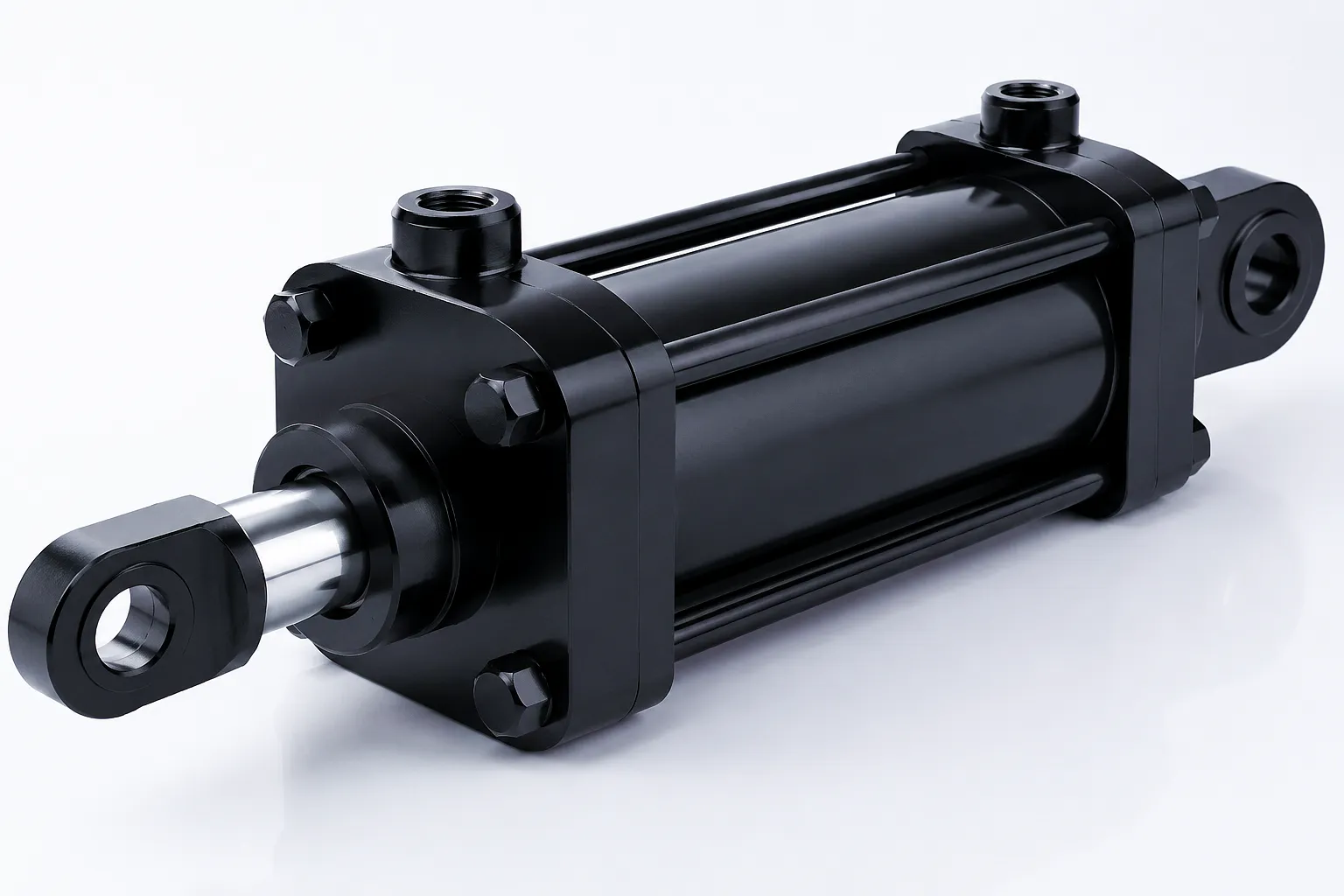
NBR (Nitrile Butadiene Rubber)
The workhorse compound for standard hydraulic mineral oil applications. Shore A typically 70–90, temperature range -30°C to +100°C. Good compression set resistance in static applications. Less suitable for high-cycle dynamic rod sealing above 200 bar, where polyurethane compounds significantly outperform. Economy aftermarket seals frequently use recycled NBR compound with inconsistent acrylonitrile content, leading to reduced oil swell resistance and premature lip hardening.
PU (Polyurethane)
The dominant compound for dynamic rod and piston seals in mobile hydraulics. Shore A typically 90–95, with exceptional extrusion resistance at pressures up to 400 bar. Superior wear resistance and abrasion resistance compared to NBR. Temperature range typically -30°C to +90°C, with specialist compounds reaching +110°C. The quality difference between premium and economy polyurethane is more pronounced than in any other compound category — raw material sourcing has an enormous impact on the finished product’s service life.
FKM (Fluorocarbon / Viton)
The specification choice for phosphate ester fluids, water-glycol, and applications requiring broad chemical resistance across aggressive fluid types. Temperature range -20°C to +200°C. Premium-priced but irreplaceable in marine, aerospace, and chemical process applications. FKM compounds must be sourced carefully — genuine Dupont Viton or equivalent premium fluorocarbon against commodity “FKM” of unknown fluorine content is a significant performance difference that is invisible to visual inspection.
PTFE (Polytetrafluoroethylene) and PTFE Blends
Used primarily for guide rings, back-up rings, and low-friction rod seal lip overlays. Pure PTFE offers the lowest friction coefficient of any seal material, making it the specification choice for precision cylinder applications where stick-slip and breakaway force must be minimised — such as in the servo valve and proportional valve circuits used in precision manufacturing equipment across the West Midlands engineering corridor. PTFE back-up rings behind elastomer seals prevent extrusion at high pressure peaks, and their dimensional precision is critical — undersized PTFE backup rings simply don’t function.
Ever Power: Precision Manufacturing and Custom Seal Specification for UK Industrial Clients
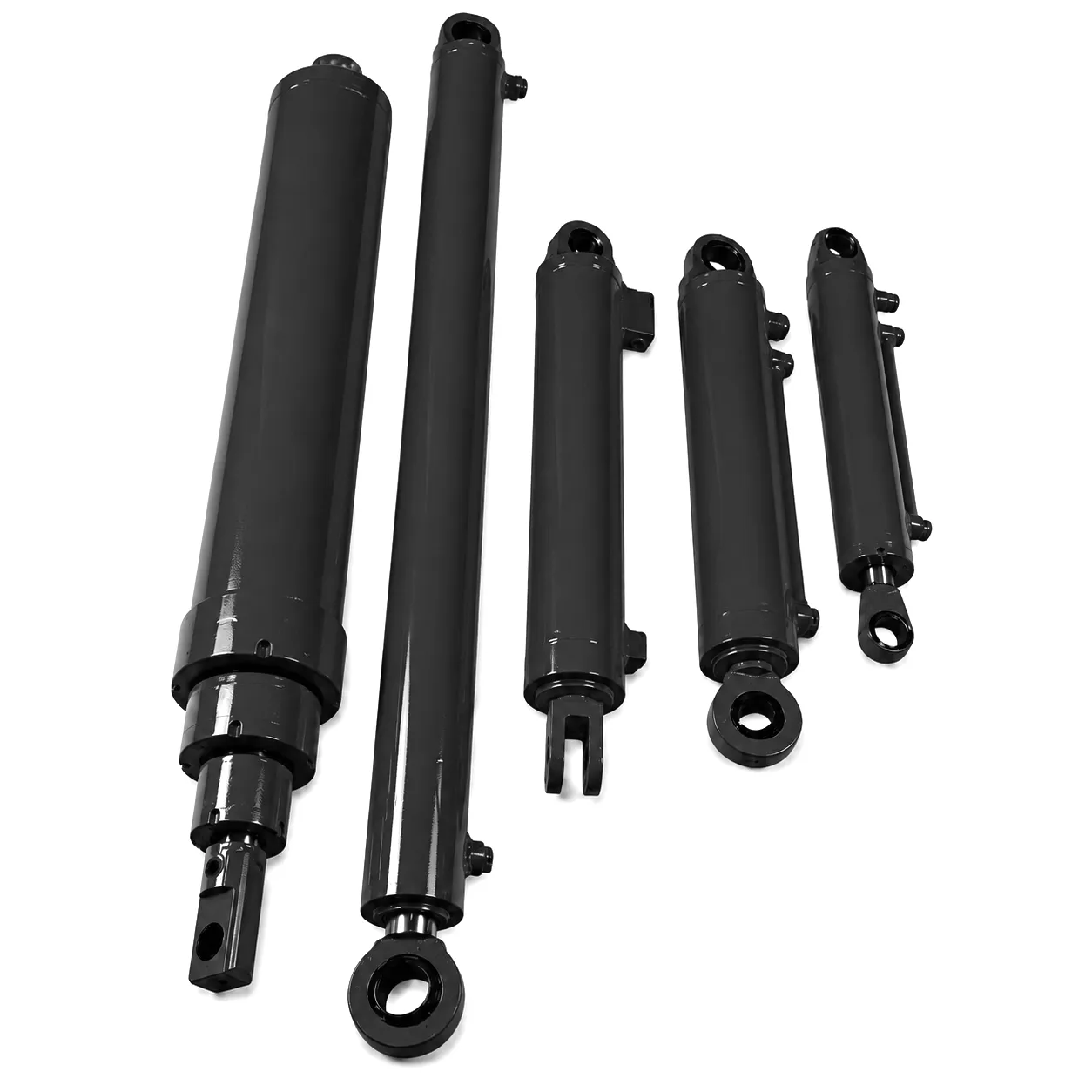 At Ever Power, the hydraulic cylinders we manufacture are designed from the outset with seal longevity as a core engineering objective — not an afterthought. Every cylinder we produce for aerial work platform, heavy mobile equipment, industrial press, and marine lifting applications is engineered with rod and bore surface finish specifications, groove geometry, and back-up ring configurations that are specifically optimised for the seal compound recommended for that application. This integrated design approach means that the cylinders we supply are not simply compatible with our seal kits — they are designed around them, ensuring the interference fit, fluid film thickness, and pressure containment performance that we specify is actually achievable in service.
For UK industrial clients who are either replacing seals in existing cylinders or procuring new cylinder assemblies with demanding operating requirements, Ever Power offers a full customisation capability that begins with an application-specific consultation rather than a catalogue selection. Our engineering team will review your operating pressure, duty cycle, fluid specification, ambient temperature range, and any special considerations — such as marine salt air exposure, exposure to specific chemical contamination, or the need for low-friction performance in precision motion control applications — and will specify the appropriate compound, profile, and installation configuration for each seal position in the cylinder.
Custom Compound Specification
We work with approved elastomer compound suppliers to formulate application-specific seal compounds for clients with non-standard fluid types, extreme temperature requirements, or chemical process exposures. This service is available for minimum batch orders and includes full compound documentation and traceability.
Full Cylinder Assembly and Seal Kit Supply
For clients who require both cylinder supply and ongoing seal replacement support, Ever Power provides matched cylinder-and-seal-kit packages that guarantee dimensional compatibility across the product lifecycle. Replacement kits are stocked for ongoing supply and can be delivered to UK addresses within standard international freight timelines.
Technical Documentation and Certification
Every Ever Power cylinder and seal kit ships with full material certification, dimensional inspection records, and where required, pressure test certification to EN 10204 3.1 standard — supporting the compliance requirements of UK machinery safety regulations and the documentation demands of quality management systems operating to ISO 9001.
Discuss Your Cylinder Seal Requirements with Ever Power
Application-specific consultation, custom compound capability, UK-compatible documentation, and competitive lead times.
Customer Success Story: Resolving a Recurring Seal Failure Problem on an Aerial Fleet in Leeds
Case Study — MEWP Fleet Maintenance, Leeds, West Yorkshire
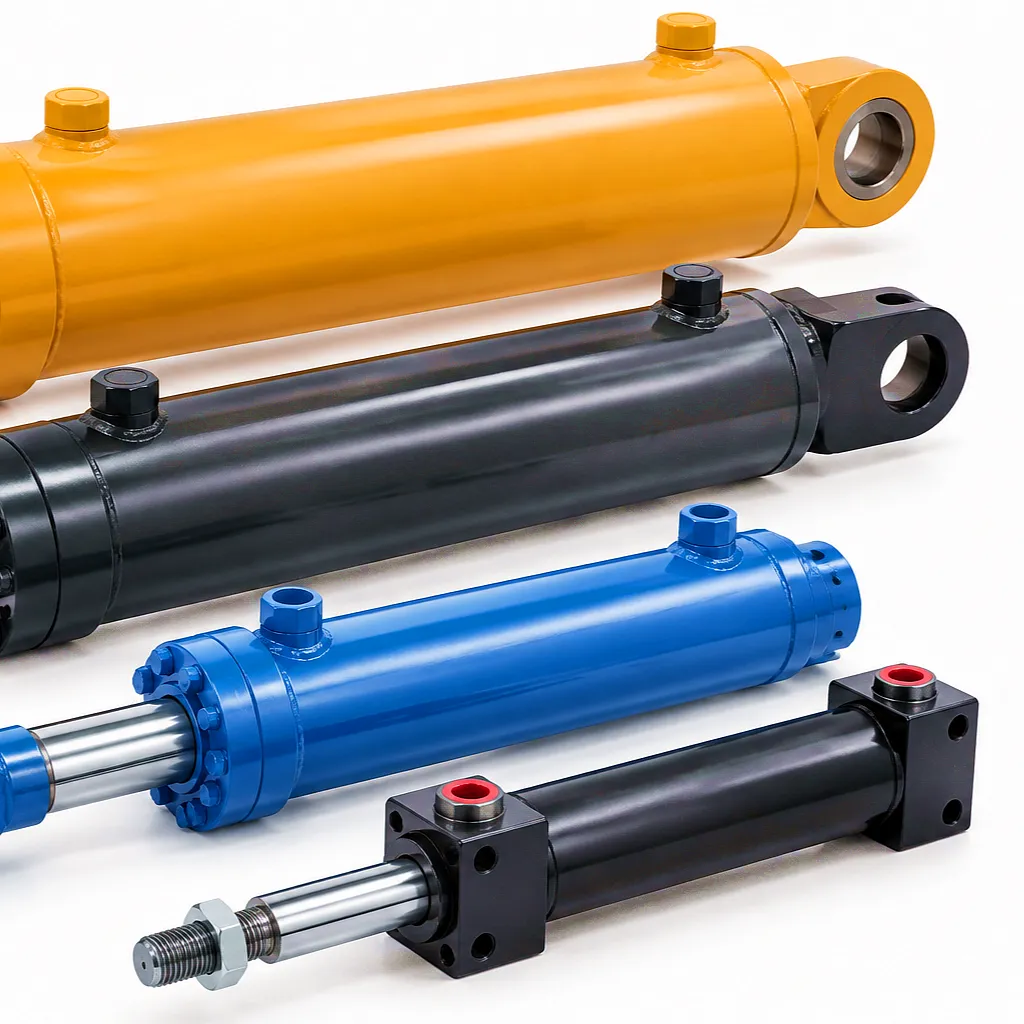 A commercial plant hire company operating a fleet of 47 articulating boom platforms and telescopic boom lifts out of a depot in Leeds had been experiencing a recurring pattern of rod seal failures on the primary boom angle cylinders of their older 18-metre platform units. The failures were appearing at an average of 1,400 to 1,800 operating hours — well below the 4,000-hour service interval specified by the machine manufacturer — and were attributed by their maintenance team to the economy aftermarket seal kits being sourced through their existing fluid power distributor.
The hire company approached Ever Power following a recommendation from a regional hydraulic service engineer. After reviewing the cylinder specifications and failed seal samples, our engineering team identified that the economy polyurethane rod seals being used had a shore A hardness approximately 7 points below the OEM specification — placing them at risk of extrusion under the 280-bar peak pressure events generated during platform levelling on uneven ground. The wiper seals were also found to have inadequate lip interference for the rod diameter, allowing fine grit contamination from outdoor operating environments to pass the wiper and reach the rod seal, accelerating surface wear on the hard chrome rod coating.
Ever Power supplied a custom seal kit with compound-matched polyurethane rod seals at the correct shore A specification, higher-interference PTFE-tipped polyurethane wiper seals, and PTFE back-up rings behind the piston seal on the most heavily loaded units in the fleet. The kits were delivered to Leeds within the agreed lead time, with full compound certification and installation guidance specific to the cylinder bore and groove dimensions. Following a scheduled overhaul of 12 of the most affected machines, the hire company has reported average seal service intervals in excess of 3,800 hours across the first 14 months of operation with the Ever Power seal kits — effectively recovering the full maintenance interval specified by the machine manufacturer.
The commercial outcome was significant: unplanned maintenance incidents attributable to seal failure on the affected units dropped from an average of 2.8 per quarter to 0.3 per quarter in the subsequent operational year, producing a measurable reduction in fleet downtime and hire revenue loss that substantially exceeded the incremental cost of the higher-specification seal kits.
お客様の声
★★★★★
“The rod seal life improvement has been significant — we’re hitting our full 4,000-hour service intervals consistently now on the Leeds fleet. The compound certification documentation also satisfied our ISO 9001 auditor, which was something our previous seal supplier had never been able to provide.”
Fleet Maintenance Manager — Plant Hire Operator, Leeds, West Yorkshire
★★★★★
“We specified FKM seals for our marine hatch cover cylinders at our Teesside facility, and Ever Power’s engineering team walked us through the exact compound requirements for the saltwater environment and the phosphate ester fluid we run. Lead time was within the window we needed and the pressure test certification was exactly in the format our classification society requires.”
Hydraulic Systems Engineer — Marine Cargo Handling Operator, Teesside
★★★★★
“We’d been through three different aftermarket seal suppliers for our pressing shop cylinders in Sheffield without finding anything that lasted past 18 months at our operating pressures. Ever Power specified a PTFE-tipped polyurethane rod seal matched to our bore finish and our specific mineral oil grade, and we’ve now had one unit running at 26 months without a seal change. The custom compound conversation was thorough and the pricing was very competitive for what we were getting.”
Maintenance Director — Precision Metal Forming Manufacturer, Sheffield, South Yorkshire
よくある質問
How do I know whether to use an OEM or aftermarket seal when my hydraulic cylinder starts leaking on a construction site in Birmingham?
+
The answer depends on two questions: is the machine still under warranty, and what pressure classification does the cylinder operate at? For machines under warranty or for safety-critical lifting equipment governed by LOLER in the UK, OEM seals are the correct choice to maintain warranty coverage and compliance. For out-of-warranty equipment at standard operating pressures below 250 bar, premium-grade aftermarket seals from a supplier who can provide compound certification are a commercially sensible alternative to OEM. Economy grade product should not be considered for any construction or lifting application.
What is the average price difference between OEM and aftermarket hydraulic cylinder seal kits for mobile elevated work platforms in the UK?
+
OEM seal kits for MEWP boom cylinders from major manufacturers typically retail through UK authorised distributors at anywhere from £80 to £250 per kit depending on cylinder bore size and the number of seal positions in the assembly. Premium-grade aftermarket equivalents from established hydraulic seal suppliers generally run at 35–55% of the OEM price for comparable compound specification. Economy aftermarket kits can be as low as 15% of the OEM price, but the service life reduction and failure risk usually makes this a poor total cost of ownership decision. For a quote on Ever Power seal kits matched to your specific cylinder application, contact [email protected].
Which compound material should I specify for a hydraulic cylinder operating in an outdoor marine environment near Aberdeen, Scotland?
+
For offshore and coastal marine environments in Scotland’s North Sea sector, FKM (fluorocarbon) is the standard seal material recommendation due to its resistance to salt air, seawater contamination, and the wide range of hydraulic fluids used in offshore equipment. If the application uses mineral oil and operates within a moderate temperature range, premium polyurethane with an FKM wiper seal is a cost-effective alternative. The critical requirement for Aberdeen-area offshore work is always low-temperature flexibility — specify a compound grade rated to -30°C or lower for winter operating conditions.
Where can I find a reliable hydraulic cylinder seal supplier in the UK who can provide custom compound specifications for my pressing line in Sheffield?
+
Ever Power provides application-specific hydraulic cylinder seal specification and supply to UK industrial clients including manufacturing operations in Sheffield, Birmingham, Leeds, and across the wider Yorkshire and West Midlands manufacturing regions. Our engineering team will review your cylinder dimensions, fluid specification, operating pressure, and duty cycle and provide a compound recommendation supported by material data sheets and pricing. Contact [email protected] with your cylinder specifications to receive a quote and lead time estimate.
How often should hydraulic cylinder seals be replaced on agricultural machinery used in Lincolnshire’s heavy farming season?
+
For agricultural hydraulic cylinders in intensive arable farming operations in Lincolnshire — where high soil abrasive loads and extended daily operating hours are typical during drilling and harvest seasons — a planned seal inspection at 1,500 to 2,000 hours of operation is a sensible preventive maintenance interval, regardless of visible leakage. Wiper seals in particular should be assessed for lip wear and stiffness loss before each major working season. If seals are showing the beginning of oil weeping at the rod, immediate replacement before the harvest period avoids far more costly cylinder damage from rod surface scoring.
What documentation should I request from an aftermarket hydraulic seal supplier before approving them as a source for our ISO 9001 quality management system?
+
For supplier approval under an ISO 9001 framework, the minimum documentation package you should require from an aftermarket hydraulic seal supplier includes: elastomer compound material data sheet with compound type, shore hardness, and temperature range; dimensional inspection records for a representative sample from the relevant production batch; fluid compatibility confirmation for your specific hydraulic fluid; and the supplier’s own quality management system certification. For safety-critical applications, also request a pressure test certificate or independent test report for the seal compound at your operating pressure. Ever Power provides this full documentation package as standard for all cylinder and seal kit supply.
Ever Power · Hydraulic Cylinder Engineering
Ready to Stop Replacing Seals Ahead of Schedule?
Talk to our engineering team about compound selection, custom seal kits, and cylinder supply with full UK-compatible documentation.
gzlによる編集
 Japanese
  English
  Italian
  Portuguese
  Dutch
Dutch  Swedish
  Danish
  Finnish
  Polish
  Hindi
Hindi  Kazakh
  Turkish
  Ukrainian
  Romanian
  Spanish
  German
  Russian
  Korean
  Vietnamese
  Thai
Thai  Indonesian
  Malay
Malay  French
  Greek
Greek