
ศูนย์รวมความรู้ทางเทคนิค · เอเวอร์ พาวเวอร์ · ชุดผลิตภัณฑ์อุตสาหกรรมแห่งสหราชอาณาจักร
OEM vs Aftermarket Hydraulic Cylinder Seals: Performance Differences and What to Watch For
A practical engineering guide for maintenance engineers, procurement teams, and plant managers across the UK manufacturing sector — covering seal materials, failure modes, specification matching, and total cost of ownership.
OEM vs Aftermarket
UK Industrial
Maintenance Engineering
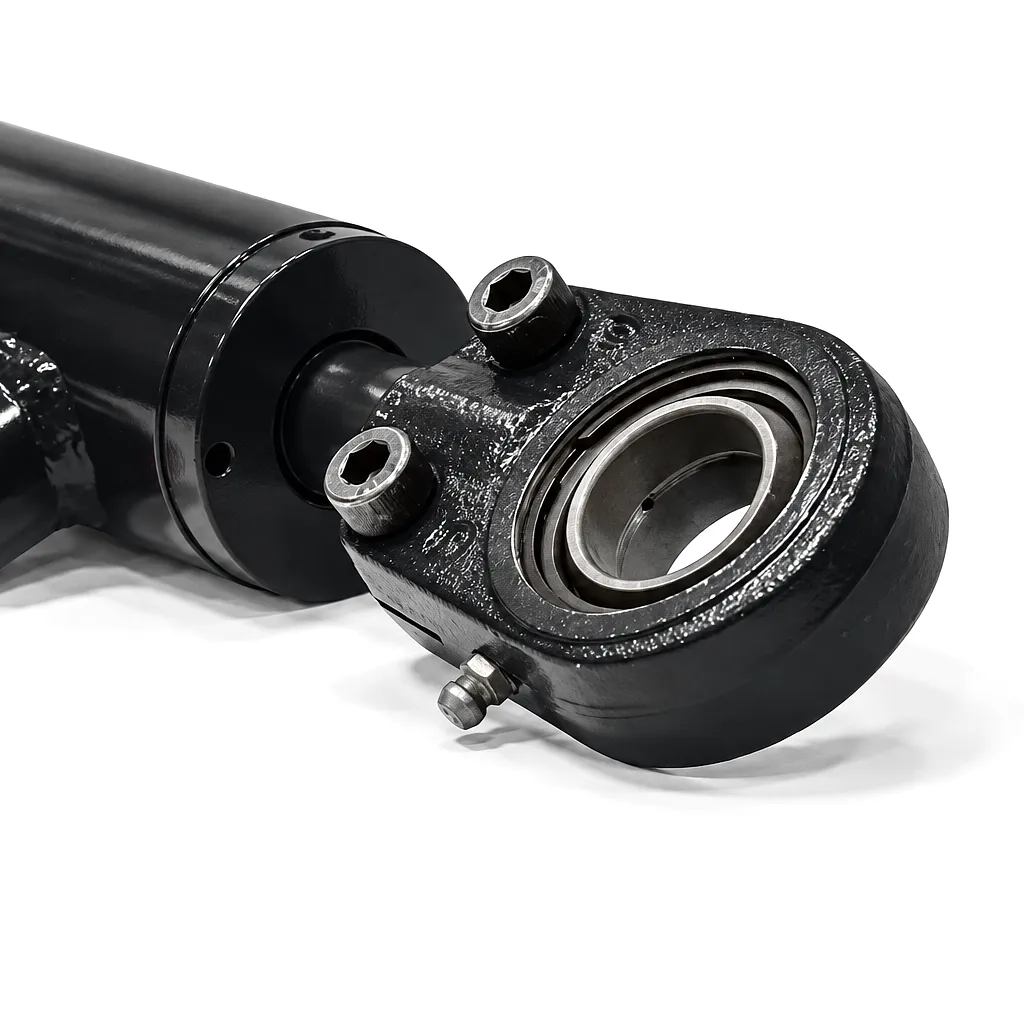 Every hydraulic cylinder in service — whether mounted on a mobile elevated work platform in Birmingham, a pressing line in Sheffield, or a marine loader in Bristol — depends on one deceptively simple component to hold system pressure and prevent costly fluid loss: the seal. When that seal is due for replacement, maintenance teams face a choice that directly affects machine uptime, warranty compliance, and long-term operating costs. Should they fit a genuine OEM seal, or does an aftermarket alternative offer equivalent or even superior performance at a lower price point?
The question is rarely as simple as cost comparison alone. Seal geometry, compound elasticity, dynamic pressure ratings, and compatibility with the cylinder’s rod finish all influence how long a replacement seal actually lasts under real working conditions. This guide breaks down the technical realities so you can make an informed, application-specific decision — and avoid the unplanned shutdowns that result from getting it wrong.
Need Custom Hydraulic Cylinder Seals for Your Application?
Ever Power engineers can specify the right seal compound and geometry for your operating conditions.
What a Hydraulic Cylinder Seal Actually Does — and Why Specification Matters
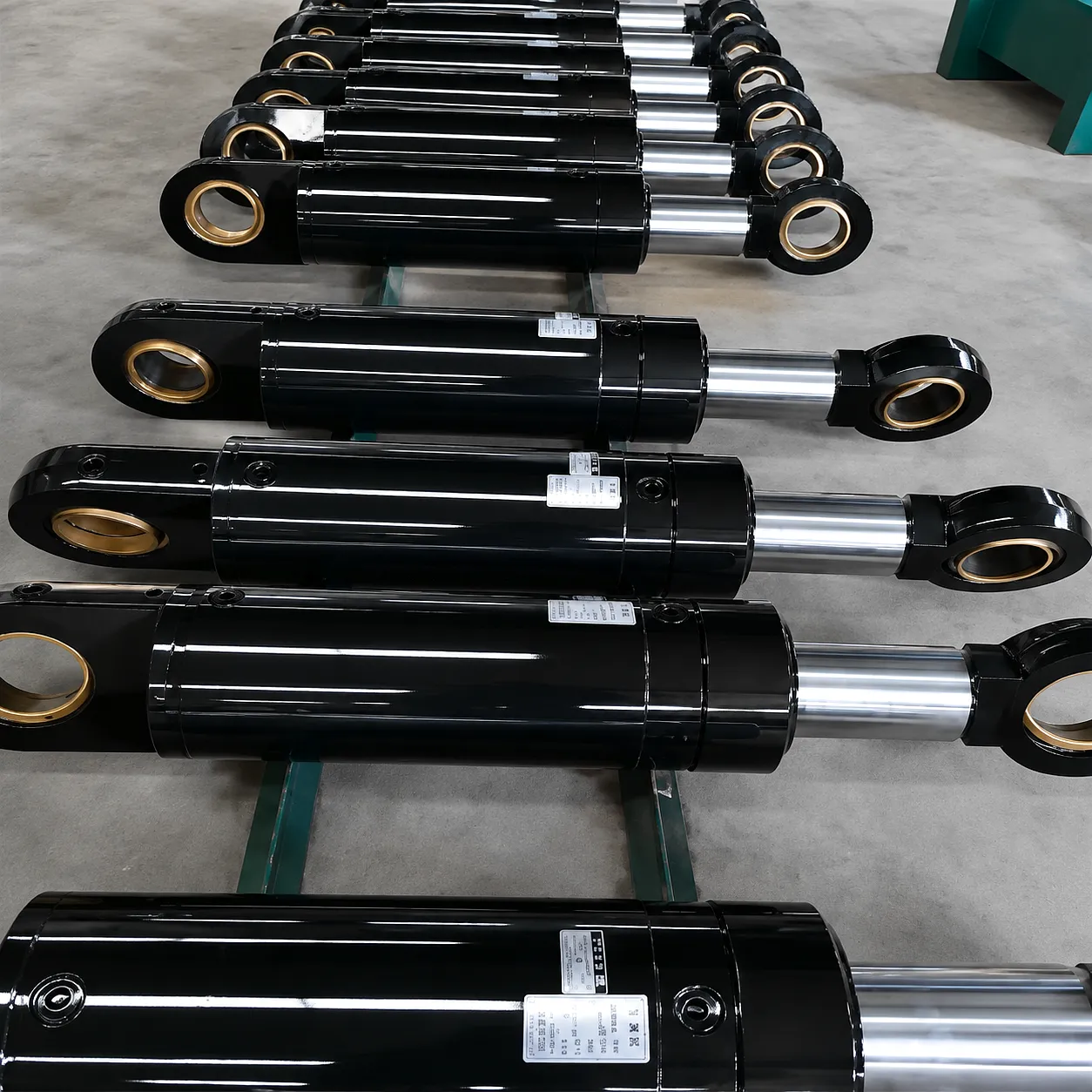 A hydraulic cylinder seal is not a passive gasket. It performs as a dynamic tribological interface, maintaining a pressurised fluid film between the rod or piston surface and the bore wall, while simultaneously preventing external contamination ingress and managing the lubricating oil film that keeps the rod from scoring under reciprocating load. A seal that is even slightly out of specification — in cross-section diameter, lip geometry, or shore hardness — will fail to perform any one of these functions correctly, leading to micro-leakage, accelerated rod wear, or catastrophic blowout under pressure spike conditions.
In a typical double-acting cylinder, you will find at minimum a piston seal set, a rod seal, a wiper seal (also called a scraper or dust seal), and one or more buffer rings that cushion peak pressure events. Each position carries different demands. The piston seal handles the highest bidirectional pressure differentials — routinely 200 to 400 bar in mobile hydraulics — while the wiper seal deals with abrasive contamination, UV degradation, and the mechanical shock of a rod returning under load. Specifying the same compound and geometry for every position in a cylinder is an engineering error that discount seal kits frequently make.
This matters because both OEM and aftermarket seal suppliers claim their products meet the same dimensional standards — and in cross-section measurement alone, many do. The differences that matter most, including compound durometer, lip interference fit, surface finish compatibility, and heat deflection temperature, are not always visible on a specification sheet and are almost never comparable without access to the original design data that OEM suppliers hold and aftermarket manufacturers must reverse-engineer or estimate.
OEM Hydraulic Cylinder Seals: Engineering Certainty at a Premium
Advantage 01
Design-Matched Geometry
OEM seals are manufactured to the original engineering drawings, meaning lip interference, contact angle, and cross-section are matched precisely to the rod diameter, bore finish, and expected operating temperature range of that specific cylinder model. There is no guesswork in the interference fit.
Advantage 02
Compound Validation
The elastomer compound — whether polyurethane, nitrile, PTFE-loaded, or fluorocarbon — has been validated against the specific hydraulic fluid specified by the cylinder manufacturer. This includes compatibility testing with HVI oils, water-glycol fluids, phosphate ester fluids, and the additive packages used in high-pressure mobile hydraulic systems.
Advantage 03
Warranty & Liability
For equipment still under manufacturer warranty, fitting non-OEM seals can void warranty coverage on the entire hydraulic circuit. For UK-based operators working under BS EN ISO 4413 hydraulic safety standards, using non-approved components on safety-critical lifting equipment may also introduce liability exposure if a seal failure contributes to an incident.
The primary drawback of OEM seals is well understood: cost. Genuine replacement seals from major hydraulic cylinder OEMs typically carry a significant price premium over aftermarket equivalents — in some cases running to four or five times the aftermarket price for the same nominal seal size. Lead time is a second concern. OEM seal kits for older or specialised cylinder models can carry lead times of several weeks when ordered through authorised distributors, which is commercially unacceptable for plant managers in time-sensitive manufacturing environments like the automotive pressing shops in Coventry or the food processing facilities in Yorkshire.
For high-pressure, safety-critical, or warranty-active applications, OEM seals remain the conservative engineering choice. The question is always whether the application justifies the premium — and that calculation depends on factors specific to your operating environment, fluid specification, and duty cycle.
Featured Product
Folding Boom Angle Cylinder for Aerial Work Vehicle (1458mm Stroke)
Designed for precision motion control in elevated work platforms — seal integrity is critical at every stroke cycle.
Aftermarket Hydraulic Cylinder Seals: Where the Real Performance Differences Hide
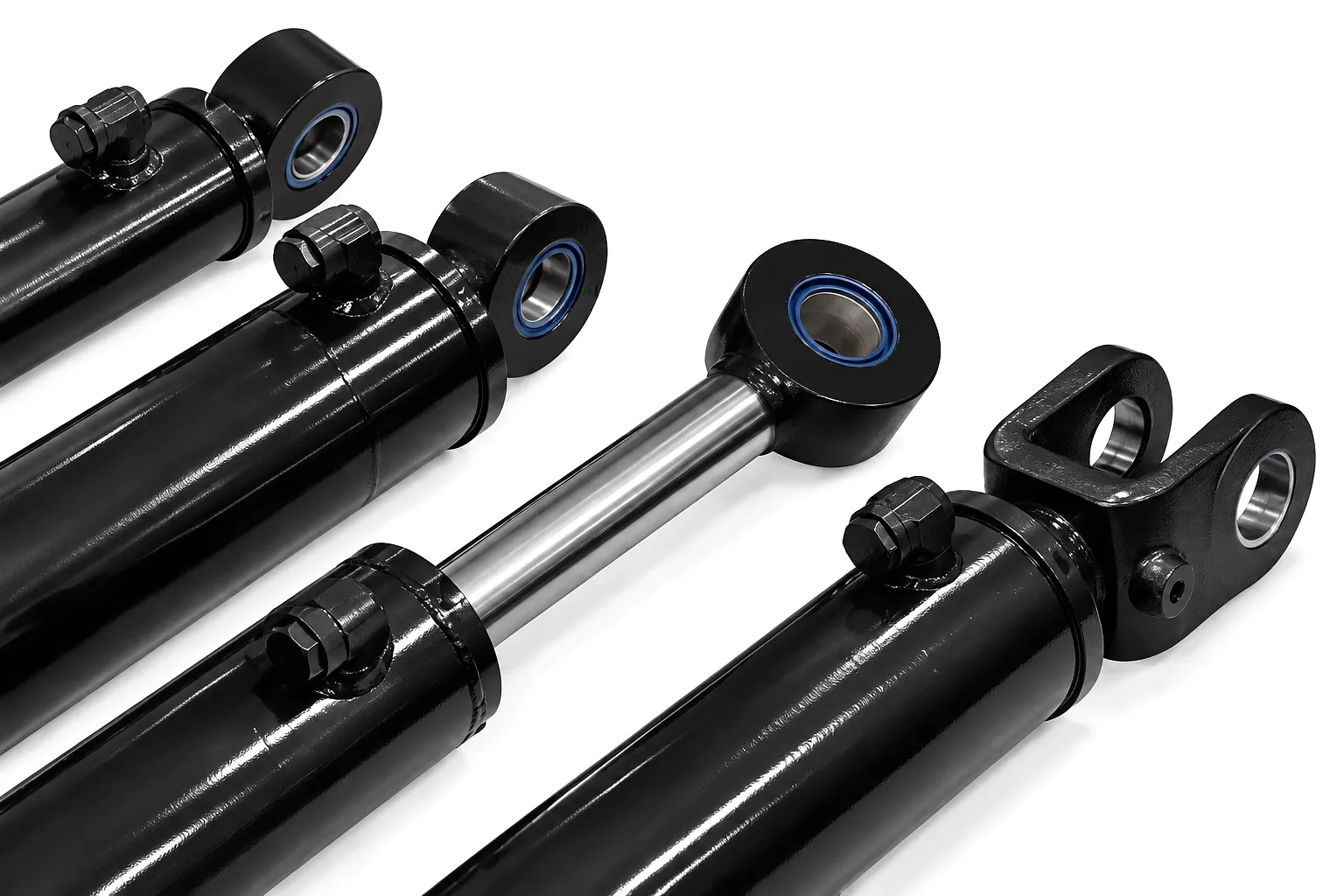
The aftermarket hydraulic seal industry has matured significantly over the past two decades. Reputable aftermarket manufacturers now invest in compound development, dimensional measurement systems, and long-term durability testing that rivals — and in some narrow areas, surpasses — what OEM suppliers provide. For standard cylinder applications running common hydraulic mineral oils at pressures below 250 bar and temperatures below 80°C, a quality aftermarket seal from an established UK distributor or direct from a specialist manufacturer can deliver service life comparable to OEM within acceptable engineering tolerances.
The danger lies not in reputable aftermarket seals, but in the sheer volume of low-grade product that fills the lower price tier of the aftermarket. Seals manufactured from recycled or off-spec elastomer compound — identifiable by inconsistent shore hardness, visible mould parting lines on the sealing lip, and poor dimensional repeatability across a batch — are widely available online and through secondary distributors, often packaged to appear visually identical to quality product. The consequences of fitting such seals range from premature leakage within weeks of installation through to cylinder rod scoring caused by insufficient wiper lip stiffness, which generates repair costs that dwarf the original seal purchase price.
There are three specific performance characteristics where aftermarket seals most frequently diverge from OEM specification, and where the practical consequences are most severe in UK industrial applications.
Compound Hardness Variance
Shore A durometer in aftermarket polyurethane rod seals commonly varies by ±6 to ±10 points from the stated specification, compared to ±2 to ±3 points in OEM product. At the harder end of this range, the seal generates excessive friction and heat on the rod surface, shortening both seal and rod chrome plating life. At the softer end, dynamic extrusion under pressure surge events causes progressive seal distortion, with leakage appearing suddenly rather than gradually — making condition-based monitoring unreliable.
Lip Geometry and Interference Fit
The interference between a rod seal lip and the rod surface must be controlled within a very tight window. Too little interference produces immediate leakage at low-pressure start-up conditions; too much generates the heat and wear patterns described above. Aftermarket seals reverse-engineered from the external dimensions alone frequently miss the internal lip profile by enough to fall outside this window, particularly in larger bore sizes above 80mm where the moulding process demands more precise tooling control.
Surface Finish Compatibility
OEM seals are matched to the specific bore finish specified for that cylinder — typically Ra 0.2 to 0.4 µm for a chrome-plated rod. Aftermarket seals designed to be universally applicable across multiple rod finish specifications are often compounded to tolerate a wider range, which means the compound must be softer or more resilient to accommodate rougher surfaces — and this compromise directly affects the seal’s pressure rating and extrusion resistance.
Performance and Technical Specification Comparison Table
The table below summarises the primary technical parameters across OEM and two representative tiers of aftermarket hydraulic cylinder seal product — premium-grade aftermarket from established specialist manufacturers, and economy-grade aftermarket from secondary supply channels. These figures are indicative and based on engineering data compiled from UK industrial hydraulic service records and published elastomer compound specifications.
| พารามิเตอร์ | OEM Seals | Premium Aftermarket | Economy Aftermarket |
|---|---|---|---|
| Compound Type (Rod Seal) | PU / FKM / PTFE blend — model-matched | PU / NBR / PTFE — application-specified | NBR / low-grade PU — generic |
| Shore A Tolerance | ±2 points | ±4 points | ±8–10 points |
| Max Operating Pressure | Up to 450 bar | Up to 350–400 bar | Up to 200–250 bar (unverified) |
| Temperature Range | -40°C to +120°C (FKM) | -30°C to +100°C | -20°C to +80°C (typical) |
| Rod Surface Finish Range | Ra 0.1–0.4 µm | Ra 0.2–0.8 µm | Ra 0.4–1.6 µm |
| Fluid Compatibility | Validated for specified fluid type | Tested — mineral oil / HVI standard | Stated only — testing may not apply |
| Dimensional Certification | Full traceability, batch cert. | Inspection report available | Nominal spec sheet only |
| Typical Service Life (continuous duty) | 8,000–12,000+ hours | 5,000–9,000 hours | 500–3,000 hours (unpredictable) |
| Unit Cost (relative) | High (100% baseline) | Medium (30–60%) | Low (10–25%) |
| Warranty / Safety Compliance | Maintains OEM warranty | Generally acceptable post-warranty | Unverified — risk to compliance |
Industrial Application Scenarios: Which Seal Type Belongs Where
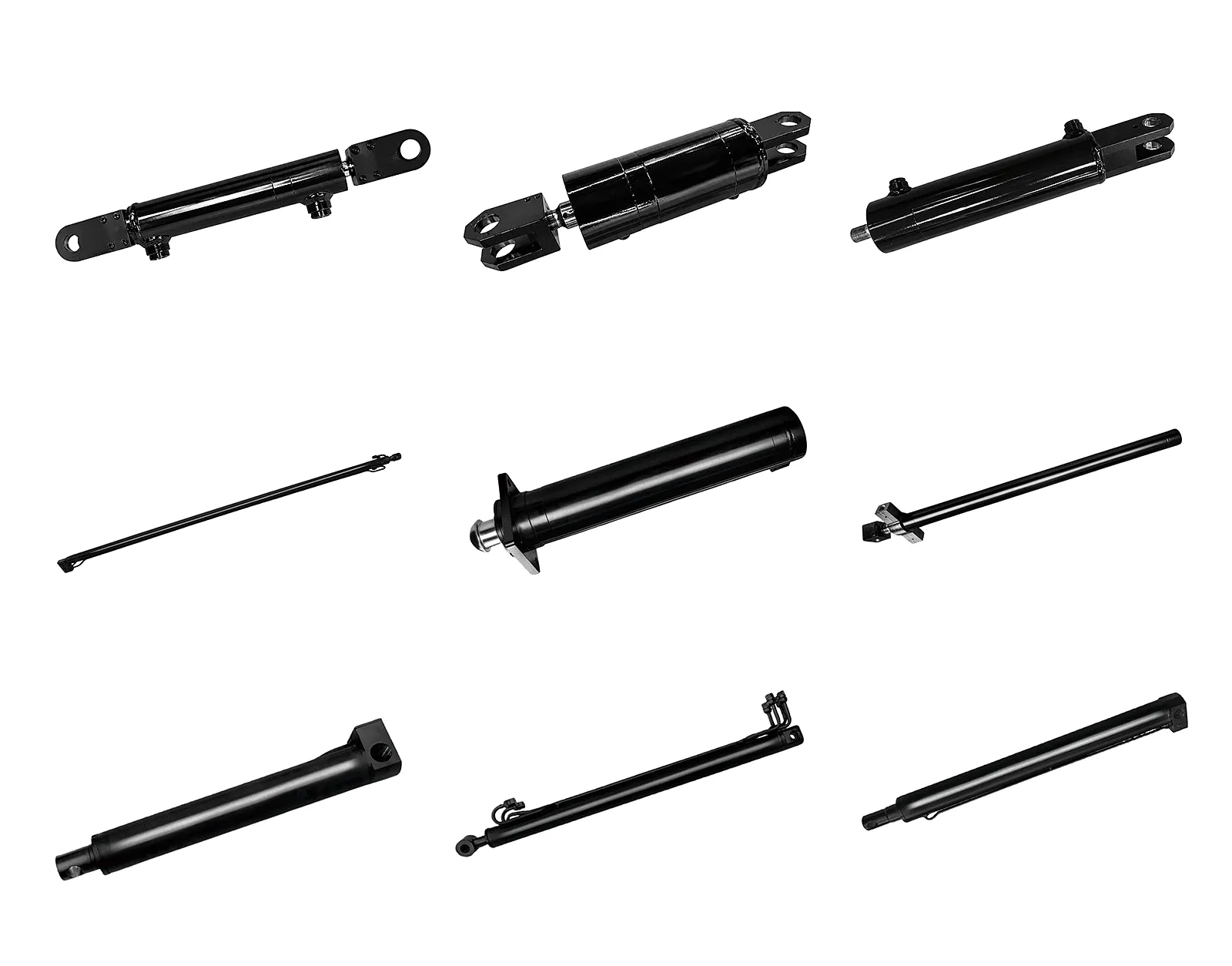
Aerial Work Platforms and Mobile Elevated Work Equipment (MEWP) — Birmingham, Leeds, Manchester
Hydraulic cylinders in aerial platforms operate under frequent duty cycles, often in outdoor environments subject to the UK’s wet climate and significant temperature variation between seasons. The boom angle cylinders, levelling cylinders, and outrigger stabilisers on these machines are classified as safety-critical components under LOLER (Lifting Operations and Lifting Equipment Regulations 1998) and PUWER. For these applications, the engineering recommendation is unambiguous: OEM seals or premium-grade aftermarket product with documented compound certification and pressure testing to at least 1.5x the system rated pressure. Economy aftermarket seals have no place in MEWP hydraulic circuits. The consequences of a seal failure during an elevated lift — hydraulic lock loss, uncontrolled platform descent — are severe enough that the seal cost differential is entirely irrelevant in any responsible risk assessment.
Heavy Press and Stamping Operations — Sheffield and the South Yorkshire Manufacturing Corridor
Sheffield’s heritage in steel and precision metal forming has evolved into a modern manufacturing base producing aerospace components, rail infrastructure parts, and high-specification engineering assemblies. The hydraulic cylinders used in press and stamping applications in this sector experience high cycle counts, significant pressure spikes during forming operations, and exposure to metal stamping lubricants that can be aggressive to standard NBR compounds. For these conditions, premium aftermarket seals manufactured from PTFE-loaded polyurethane or FKM compounds offer a genuine value proposition — they can deliver service life within 15–20% of OEM performance at 40–50% of the OEM price, with fluid compatibility that matches the specific forming lubricants in use. The key is documentation: insisting on compound test certificates and batch traceability reports from the supplier before acceptance.
Agricultural Machinery — Lincolnshire, East Anglia, and the Scottish Lowlands
Agricultural hydraulic cylinders — on balers, ploughs, sprayer booms, and loader arms — operate in conditions that challenge seal compounds in ways that industrial press cylinders do not. Exposure to soil abrasives, fertiliser contamination, and extreme temperature cycling between stored winter conditions and summer peak loads demands wiper seals with exceptional lip stiffness and chemical resistance. Many agricultural equipment operators in Lincolnshire and East Anglia successfully use quality aftermarket seals for planned overhaul work, particularly on older machinery where OEM seals are either unavailable or prohibitively expensive. The critical selection criterion is wiper seal quality: the polyurethane or polyester-urethane wiper must maintain its lip contact force through a full operating season without taking a permanent set from prolonged static loading during winter storage.
Marine and Offshore Applications — Bristol, Newcastle, Aberdeen, and UK Port Facilities
Marine hydraulic cylinders in hatch cover actuators, stabiliser systems, and offshore lifting equipment face a combination of salt air exposure, humidity, and wide temperature ranges that place unique demands on seal compounds. FKM (fluorocarbon) seals are the standard specification for marine applications due to their resistance to seawater contamination and wide fluid compatibility range. In offshore environments around Aberdeen and the UK North Sea sector, the additional requirement for low-temperature performance in winter operating conditions means that compound selection must balance FKM’s superior chemical resistance against its relatively poor low-temperature flexibility — a balance that OEM suppliers have typically optimised through proprietary compound blending that is genuinely difficult to match in the aftermarket. For these applications, the conservative approach is to use OEM seals or to work with a specialist seal manufacturer willing to custom-compound for the specific operating requirements rather than supply from a standard catalogue.
Featured Product
Aerial Platform Main Boom Angle Cylinder (555mm Stroke)
Compact and high-force rated — seal specification determines leakage performance under sustained elevated load.
What to Watch For When Specifying Replacement Seals
The gap between a seal that passes visual inspection and one that will deliver the expected service life is significant, and it is not reliably detectable without the right knowledge of what to look for. Maintenance engineers and procurement teams who are responsible for hydraulic cylinder seal sourcing should build the following checks into their standard evaluation process — whether they are assessing OEM or aftermarket product.
Request Compound Certification
Any credible seal supplier — OEM or aftermarket — should be able to provide a material data sheet confirming elastomer compound type, shore hardness with tolerance, temperature range, and fluid compatibility. If this documentation is not available, decline the product regardless of price.
Inspect Lip Geometry Under Magnification
Use a 10x loupe or bench magnifier to examine the sealing lip of a sample seal before fitting a batch. The lip edge should be sharp and clean, with no visible flash, parting line step, or rolled edge. Any irregularity on the sealing contact face will appear as a leakage path within the first hours of operation.
Check Cross-Section with a Micrometer
Measure cross-section diameter of two or three seals from the same batch using a digital micrometer. Deviation of more than ±0.1mm from stated cross-section on a standard O-ring or more than ±0.15mm on a lip seal profile is a rejection criterion. Consistent cross-section across the batch indicates controlled production; variance suggests inadequate quality management in the manufacturing process.
Assess Packaging and Storage Conditions
Elastomer seals are sensitive to UV, ozone, and thermal cycling during storage. OEM seals are consistently packaged in UV-resistant, hermetically sealed bags with a stated shelf life. Many economy aftermarket seals arrive in clear polythene bags offering no UV protection, with no manufacture date stamped on the packaging. A seal stored incorrectly for 18 months before reaching your workshop may already be partially degraded at the lip surface, making dimensional inspection misleading.
Verify Supplier Technical Support Capability
A supplier that can discuss compound selection in relation to your specific operating fluid, pressure range, and temperature cycle — and who can demonstrate knowledge of the cylinder design rather than simply quoting a catalogue part number — is a supplier worth developing a long-term procurement relationship with. The ability to cross-reference a seal kit to an original cylinder model and advise on installation technique, housing groove dimensions, and recommended pre-installation lubricant is the distinguishing mark of a genuinely qualified hydraulic seal supplier in the UK market.
Core Seal Materials: What the Compound Choice Tells You
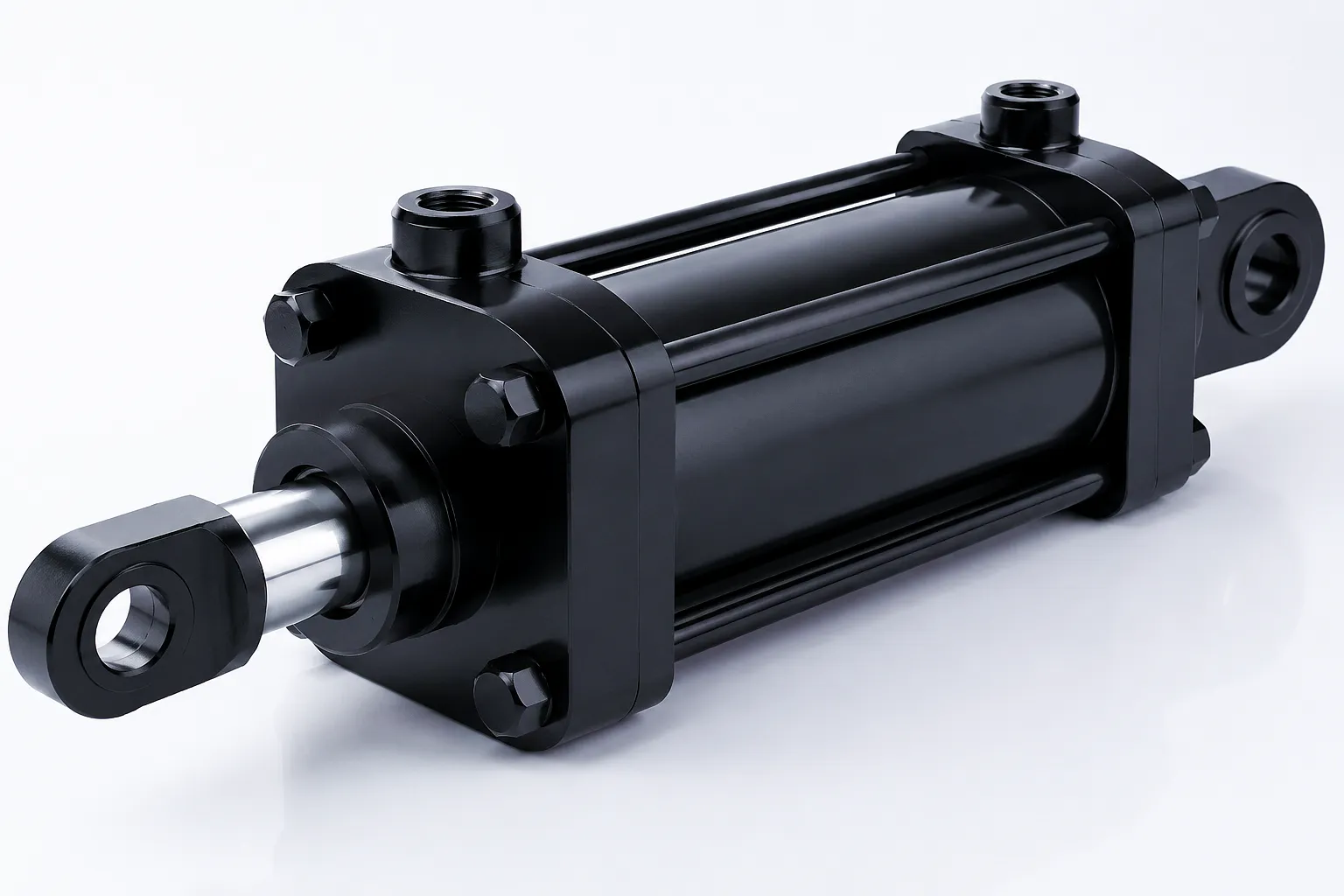
NBR (Nitrile Butadiene Rubber)
The workhorse compound for standard hydraulic mineral oil applications. Shore A typically 70–90, temperature range -30°C to +100°C. Good compression set resistance in static applications. Less suitable for high-cycle dynamic rod sealing above 200 bar, where polyurethane compounds significantly outperform. Economy aftermarket seals frequently use recycled NBR compound with inconsistent acrylonitrile content, leading to reduced oil swell resistance and premature lip hardening.
PU (Polyurethane)
The dominant compound for dynamic rod and piston seals in mobile hydraulics. Shore A typically 90–95, with exceptional extrusion resistance at pressures up to 400 bar. Superior wear resistance and abrasion resistance compared to NBR. Temperature range typically -30°C to +90°C, with specialist compounds reaching +110°C. The quality difference between premium and economy polyurethane is more pronounced than in any other compound category — raw material sourcing has an enormous impact on the finished product’s service life.
FKM (Fluorocarbon / Viton)
The specification choice for phosphate ester fluids, water-glycol, and applications requiring broad chemical resistance across aggressive fluid types. Temperature range -20°C to +200°C. Premium-priced but irreplaceable in marine, aerospace, and chemical process applications. FKM compounds must be sourced carefully — genuine Dupont Viton or equivalent premium fluorocarbon against commodity “FKM” of unknown fluorine content is a significant performance difference that is invisible to visual inspection.
PTFE (Polytetrafluoroethylene) and PTFE Blends
โดยหลักแล้ว PTFE ถูกใช้สำหรับวงแหวนนำทาง วงแหวนรองรับ และแผ่นปิดทับขอบซีลแกนที่มีแรงเสียดทานต่ำ PTFE บริสุทธิ์มีค่าสัมประสิทธิ์แรงเสียดทานต่ำที่สุดในบรรดาวัสดุซีลทั้งหมด ทำให้เป็นตัวเลือกที่เหมาะสมสำหรับงานกระบอกสูบที่มีความแม่นยำสูง ซึ่งต้องลดการลื่นไถลและแรงหลุดให้น้อยที่สุด เช่น ในวงจรวาล์วเซอร์โวและวาล์วสัดส่วนที่ใช้ในอุปกรณ์การผลิตที่มีความแม่นยำสูงทั่วเขตวิศวกรรมเวสต์มิดแลนด์ วงแหวนรองรับ PTFE ที่อยู่ด้านหลังซีลยางยืดช่วยป้องกันการเสียรูปเมื่อถึงจุดสูงสุดที่มีแรงดันสูง และความแม่นยำของขนาดมีความสำคัญอย่างยิ่ง วงแหวนรองรับ PTFE ที่มีขนาดเล็กเกินไปจะไม่สามารถทำงานได้
เอเวอร์ พาวเวอร์: การผลิตที่แม่นยำและการกำหนดคุณสมบัติซีลแบบกำหนดเองสำหรับลูกค้าอุตสาหกรรมในสหราชอาณาจักร
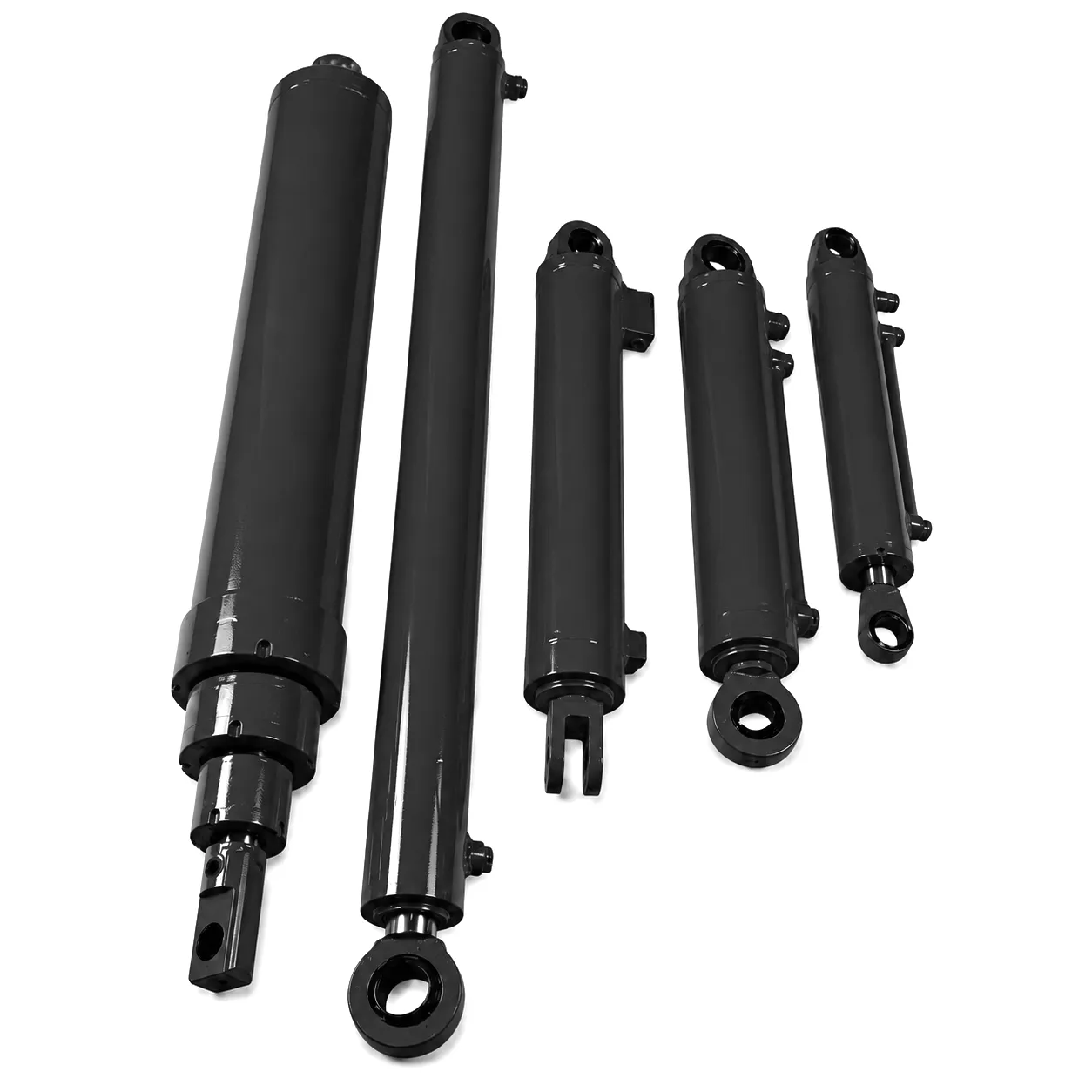 ที่ Ever Power กระบอกไฮดรอลิกที่เราผลิตได้รับการออกแบบตั้งแต่เริ่มต้นโดยคำนึงถึงอายุการใช้งานของซีลเป็นหลัก ไม่ใช่สิ่งที่คิดขึ้นมาทีหลัง กระบอกทุกชิ้นที่เราผลิตสำหรับงานยกสูง อุปกรณ์เคลื่อนที่ขนาดใหญ่ เครื่องอัดอุตสาหกรรม และการยกของในเรือ ได้รับการออกแบบโดยคำนึงถึงข้อกำหนดด้านความเรียบของพื้นผิวแกนและรูเจาะ รูปทรงร่อง และการกำหนดค่าแหวนรองที่ได้รับการปรับให้เหมาะสมเป็นพิเศษสำหรับสารประกอบซีลที่แนะนำสำหรับงานนั้นๆ แนวทางการออกแบบแบบบูรณาการนี้หมายความว่ากระบอกที่เราจัดหาให้ไม่เพียงแต่เข้ากันได้กับชุดซีลของเราเท่านั้น แต่ยังได้รับการออกแบบโดยคำนึงถึงชุดซีลเหล่านั้นด้วย เพื่อให้มั่นใจได้ว่าความพอดี ความหนาของฟิล์มของเหลว และประสิทธิภาพการกักเก็บแรงดันที่เรากำหนดไว้นั้นสามารถทำได้จริงในการใช้งาน
สำหรับลูกค้าในภาคอุตสาหกรรมของสหราชอาณาจักรที่กำลังเปลี่ยนซีลในกระบอกสูบที่มีอยู่เดิม หรือจัดหาชุดกระบอกสูบใหม่ที่มีข้อกำหนดการใช้งานที่เข้มงวด Ever Power มีบริการปรับแต่งเต็มรูปแบบที่เริ่มต้นด้วยการให้คำปรึกษาเฉพาะด้าน แทนที่จะเลือกจากแคตตาล็อก ทีมวิศวกรของเราจะตรวจสอบแรงดันใช้งาน รอบการทำงาน คุณสมบัติของของเหลว ช่วงอุณหภูมิแวดล้อม และข้อควรพิจารณาพิเศษใดๆ เช่น การสัมผัสกับอากาศที่มีเกลือในทะเล การสัมผัสกับการปนเปื้อนทางเคมีเฉพาะ หรือความต้องการประสิทธิภาพการเสียดทานต่ำในการใช้งานควบคุมการเคลื่อนที่ที่แม่นยำ และจะระบุส่วนประกอบ รูปทรง และการกำหนดค่าการติดตั้งที่เหมาะสมสำหรับแต่ละตำแหน่งของซีลในกระบอกสูบ
ข้อกำหนดสารประกอบแบบกำหนดเอง
เราทำงานร่วมกับซัพพลายเออร์สารประกอบอีลาสโตเมอร์ที่ได้รับการรับรอง เพื่อคิดค้นสูตรสารประกอบซีลเฉพาะสำหรับการใช้งานเฉพาะด้าน สำหรับลูกค้าที่มีประเภทของเหลวที่ไม่เป็นไปตามมาตรฐาน ข้อกำหนดด้านอุณหภูมิที่สูงมาก หรือการสัมผัสกับกระบวนการทางเคมี บริการนี้มีให้สำหรับคำสั่งซื้อขั้นต่ำ และรวมถึงเอกสารประกอบสารประกอบและการตรวจสอบย้อนกลับอย่างครบถ้วน
จัดจำหน่ายชุดกระบอกสูบครบชุดและชุดซีล
สำหรับลูกค้าที่ต้องการทั้งการจัดหากระบอกสูบและการสนับสนุนการเปลี่ยนซีลอย่างต่อเนื่อง Ever Power มีแพ็คเกจกระบอกสูบและชุดซีลที่เข้ากัน ซึ่งรับประกันความเข้ากันได้ของขนาดตลอดอายุการใช้งานของผลิตภัณฑ์ ชุดอะไหล่มีสต็อกพร้อมสำหรับการจัดหาอย่างต่อเนื่องและสามารถจัดส่งไปยังที่อยู่ในสหราชอาณาจักรได้ภายในระยะเวลาการขนส่งระหว่างประเทศมาตรฐาน
เอกสารทางเทคนิคและการรับรอง
ชุดกระบอกสูบและซีลทุกชุดของ Ever Power จะมาพร้อมกับใบรับรองวัสดุครบถ้วน บันทึกการตรวจสอบขนาด และหากจำเป็น ใบรับรองการทดสอบแรงดันตามมาตรฐาน EN 10204 3.1 ซึ่งสนับสนุนข้อกำหนดด้านการปฏิบัติตามกฎระเบียบความปลอดภัยของเครื่องจักรในสหราชอาณาจักร และข้อกำหนดด้านเอกสารของระบบการจัดการคุณภาพที่ดำเนินการตามมาตรฐาน ISO 9001
ปรึกษาเรื่องความต้องการซีลกระบอกสูบของคุณกับ Ever Power
การให้คำปรึกษาเฉพาะด้าน การผลิตสารประกอบตามสั่ง เอกสารที่สอดคล้องกับมาตรฐานสหราชอาณาจักร และระยะเวลานำส่งที่แข่งขันได้
เรื่องราวความสำเร็จของลูกค้า: การแก้ไขปัญหาซีลรั่วซ้ำซากในฝูงบินเฮลิคอปเตอร์ในเมืองลีดส์
กรณีศึกษา — การบำรุงรักษาเครื่องจักรยกสูง (MEWP) ในเมืองลีดส์ เวสต์ยอร์กเชียร์
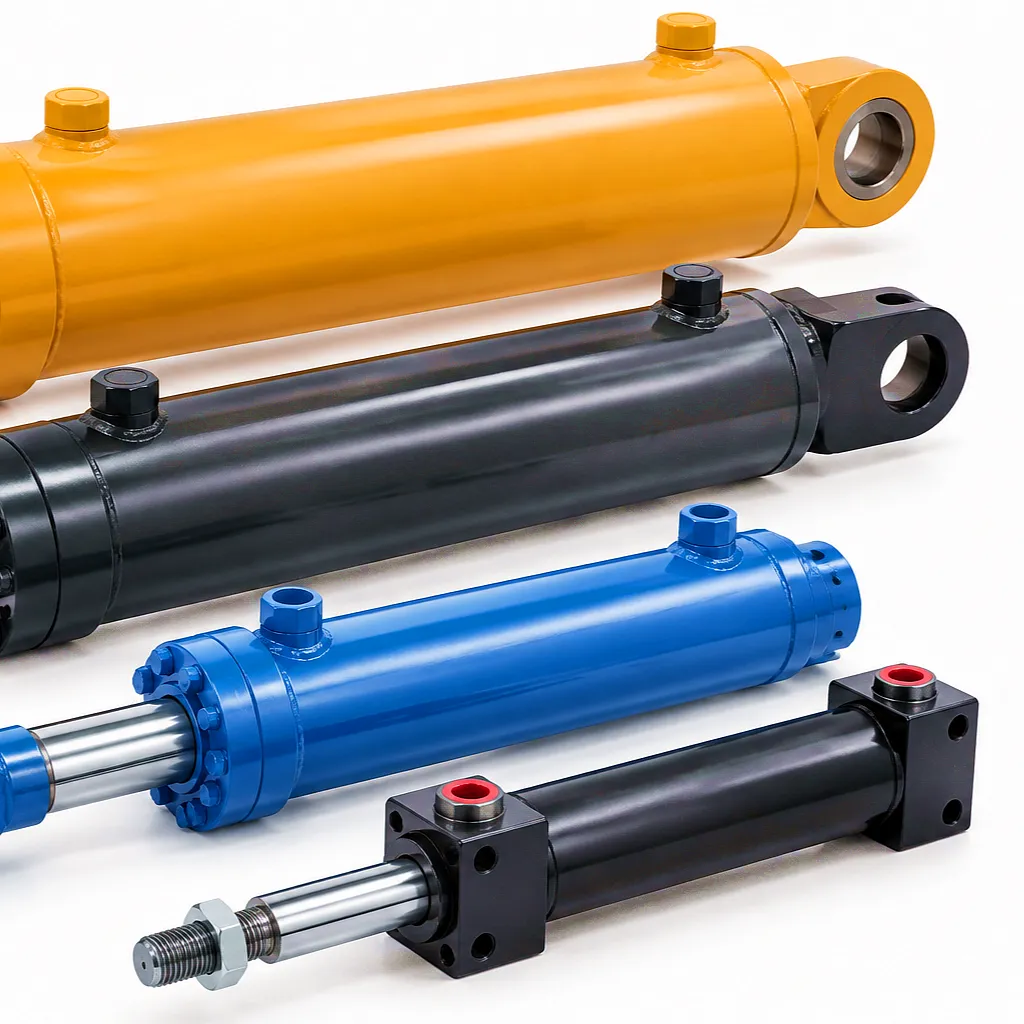 บริษัทให้เช่าเครื่องจักรกลหนักเชิงพาณิชย์แห่งหนึ่ง ซึ่งดำเนินงานด้วยรถยกแบบแขนข้อต่อและรถยกแบบแขนยืดหดได้จำนวน 47 คัน จากคลังสินค้าในเมืองลีดส์ ประสบปัญหาซีลแกนกระบอกสูบปรับมุมแขนหลักของรถยกแบบแขนยาว 18 เมตร รุ่นเก่าชำรุดซ้ำแล้วซ้ำเล่า โดยการชำรุดเกิดขึ้นเฉลี่ยที่ชั่วโมงการใช้งาน 1,400 ถึง 1,800 ชั่วโมง ซึ่งต่ำกว่าช่วงเวลาการบำรุงรักษา 4,000 ชั่วโมงที่ผู้ผลิตเครื่องจักรระบุไว้ และทีมบำรุงรักษาของบริษัทระบุว่าสาเหตุมาจากชุดซีลอะไหล่ราคาประหยัดที่จัดหามาจากตัวแทนจำหน่ายระบบไฮดรอลิกที่มีอยู่เดิม
บริษัทให้เช่าเครื่องจักรได้ติดต่อ Ever Power หลังจากได้รับคำแนะนำจากวิศวกรบริการไฮดรอลิกประจำภูมิภาค หลังจากตรวจสอบข้อมูลจำเพาะของกระบอกสูบและตัวอย่างซีลที่ชำรุดแล้ว ทีมวิศวกรของเราพบว่าซีลแกนโพลียูรีเทนราคาประหยัดที่ใช้อยู่นั้นมีค่าความแข็ง Shore A ต่ำกว่าข้อกำหนดของ OEM ประมาณ 7 จุด ซึ่งทำให้มีความเสี่ยงที่จะเกิดการเสียรูปภายใต้แรงดันสูงสุด 280 บาร์ที่เกิดขึ้นระหว่างการปรับระดับแท่นบนพื้นผิวที่ไม่เรียบ นอกจากนี้ยังพบว่าซีลปัดน้ำฝนมีการยึดเกาะของขอบที่ไม่เพียงพอสำหรับเส้นผ่านศูนย์กลางของแกน ทำให้ฝุ่นละอองขนาดเล็กจากสภาพแวดล้อมการทำงานกลางแจ้งสามารถผ่านซีลปัดน้ำฝนและไปถึงซีลแกนได้ ทำให้เกิดการสึกหรออย่างรวดเร็วบนผิวเคลือบโครเมียมแข็งของแกน
บริษัท Ever Power ได้จัดหาชุดซีลแบบกำหนดเอง ซึ่งประกอบด้วยซีลแกนโพลียูรีเทนที่เข้ากันกับส่วนผสมตามข้อกำหนด Shore A ที่ถูกต้อง ซีลปัดโพลียูรีเทนปลาย PTFE ที่มีแรงเสียดทานสูงกว่า และแหวนรอง PTFE ด้านหลังซีลลูกสูบสำหรับเครื่องจักรที่มีภาระหนักที่สุดในกลุ่ม ชุดซีลถูกส่งไปยังเมืองลีดส์ภายในระยะเวลาที่ตกลงกันไว้ พร้อมด้วยใบรับรองส่วนผสมและคำแนะนำในการติดตั้งที่เฉพาะเจาะจงสำหรับขนาดเส้นผ่านศูนย์กลางและร่องของกระบอกสูบ หลังจากทำการซ่อมบำรุงตามกำหนดการสำหรับเครื่องจักรที่ได้รับผลกระทบมากที่สุด 12 เครื่อง บริษัทให้เช่าได้รายงานระยะเวลาการบำรุงรักษาซีลโดยเฉลี่ยเกิน 3,800 ชั่วโมงในช่วง 14 เดือนแรกของการใช้งานด้วยชุดซีลของ Ever Power ซึ่งสามารถฟื้นฟูระยะเวลาการบำรุงรักษาเต็มที่ตามที่ผู้ผลิตเครื่องจักรกำหนดได้อย่างมีประสิทธิภาพ
ผลลัพธ์เชิงพาณิชย์ที่สำคัญคือ เหตุการณ์ซ่อมบำรุงที่ไม่ได้วางแผนไว้ซึ่งเกิดจากความเสียหายของซีลในหน่วยงานที่ได้รับผลกระทบ ลดลงจากเฉลี่ย 2.8 ครั้งต่อไตรมาส เหลือ 0.3 ครั้งต่อไตรมาสในปีการดำเนินงานถัดไป ส่งผลให้เวลาหยุดทำงานของยานพาหนะและรายได้จากการเช่าลดลงอย่างเห็นได้ชัด ซึ่งมากกว่าต้นทุนที่เพิ่มขึ้นของชุดซีลที่มีคุณสมบัติสูงกว่าอย่างมาก
สิ่งที่ลูกค้าของเราพูด
★★★★★
“อายุการใช้งานของซีลแกนลูกสูบดีขึ้นอย่างเห็นได้ชัด — ตอนนี้เราสามารถทำการบำรุงรักษาครบ 4,000 ชั่วโมงได้อย่างสม่ำเสมอแล้วสำหรับเรือในกองเรือลีดส์ นอกจากนี้ เอกสารรับรองส่วนผสมยังตรงตามข้อกำหนดของ ISO 9001 ที่ผู้ตรวจสอบรับรองเคยให้ไว้ ซึ่งเป็นสิ่งที่ซัพพลายเออร์ซีลรายก่อนของเราไม่สามารถจัดหาได้”
ผู้จัดการฝ่ายบำรุงรักษาฝูงรถ — ผู้ประกอบการให้เช่าเครื่องจักรกลหนัก เมืองลีดส์ เวสต์ยอร์กเชียร์
★★★★★
“เราได้ระบุให้ใช้ซีล FKM สำหรับกระบอกไฮดรอลิกฝาปิดช่องระบายอากาศในเรือที่โรงงานทีส์ไซด์ของเรา และทีมวิศวกรรมของ Ever Power ได้ให้คำแนะนำอย่างละเอียดเกี่ยวกับข้อกำหนดของส่วนผสมที่เหมาะสมกับสภาพแวดล้อมน้ำเค็มและของเหลวฟอสเฟตเอสเตอร์ที่เราใช้ ระยะเวลาในการส่งมอบอยู่ในกรอบเวลาที่เราต้องการ และใบรับรองการทดสอบแรงดันก็อยู่ในรูปแบบที่สมาคมจัดประเภทเรือของเราต้องการ”
วิศวกรระบบไฮดรอลิก — ผู้ปฏิบัติงานขนถ่ายสินค้าทางทะเล ทีไซด์
★★★★★
“เราเคยลองใช้ซีลจากซัพพลายเออร์อะไหล่ทดแทนถึงสามรายสำหรับกระบอกสูบในโรงงานปั๊มขึ้นรูปของเราที่เมืองเชฟฟิลด์ แต่ก็ไม่พบอะไรที่ใช้งานได้นานเกิน 18 เดือนภายใต้แรงดันใช้งานของเรา Ever Power เลือกใช้ซีลแกนโพลียูรีเทนปลาย PTFE ที่เข้ากับผิวสำเร็จของรูเจาะและเกรดน้ำมันแร่ที่เราใช้ และตอนนี้เรามีเครื่องหนึ่งที่ใช้งานได้นานถึง 26 เดือนโดยไม่ต้องเปลี่ยนซีลเลย การพูดคุยเกี่ยวกับส่วนผสมที่กำหนดเองนั้นละเอียดถี่ถ้วน และราคาก็แข่งขันได้ดีมากเมื่อเทียบกับสิ่งที่เราได้รับ”
ผู้อำนวยการฝ่ายบำรุงรักษา — ผู้ผลิตชิ้นส่วนโลหะขึ้นรูปความแม่นยำสูง เมืองเชฟฟิลด์ เซาท์ยอร์กเชียร์
คำถามที่พบบ่อย
ฉันจะรู้ได้อย่างไรว่าควรใช้ซีลของแท้จากผู้ผลิตหรือซีลอะไหล่ เมื่อกระบอกไฮดรอลิกของฉันเริ่มรั่วขณะทำงานในสถานที่ก่อสร้างแห่งหนึ่งในเบอร์มิงแฮม?
+
คำตอบขึ้นอยู่กับสองคำถาม: เครื่องจักรยังอยู่ในระยะเวลารับประกันหรือไม่ และกระบอกสูบทำงานที่ระดับแรงดันใด? สำหรับเครื่องจักรที่อยู่ในระยะเวลารับประกันหรืออุปกรณ์ยกที่สำคัญต่อความปลอดภัยซึ่งอยู่ภายใต้ข้อกำหนด LOLER ในสหราชอาณาจักร ซีล OEM เป็นตัวเลือกที่ถูกต้องเพื่อรักษาสิทธิ์การรับประกันและการปฏิบัติตามข้อกำหนด สำหรับอุปกรณ์ที่หมดระยะเวลารับประกันแล้วและมีแรงดันใช้งานมาตรฐานต่ำกว่า 250 บาร์ ซีลคุณภาพสูงจากผู้จำหน่ายที่สามารถให้การรับรองส่วนประกอบได้นั้นเป็นทางเลือกที่สมเหตุสมผลในเชิงพาณิชย์มากกว่าซีล OEM ผลิตภัณฑ์เกรดประหยัดไม่ควรนำมาพิจารณาสำหรับงานก่อสร้างหรือการยกใดๆ
ราคาส่วนต่างเฉลี่ยระหว่างชุดซีลกระบอกไฮดรอลิกแบบ OEM และแบบอะไหล่ทดแทนสำหรับแพลตฟอร์มทำงานยกสูงแบบเคลื่อนที่ในสหราชอาณาจักรคือเท่าไร?
+
ชุดซีล OEM สำหรับกระบอกไฮดรอลิกของรถยกสูง (MEWP) จากผู้ผลิตรายใหญ่โดยทั่วไปจำหน่ายผ่านตัวแทนจำหน่ายที่ได้รับอนุญาตในสหราชอาณาจักรในราคาตั้งแต่ 80 ถึง 250 ปอนด์ต่อชุด ขึ้นอยู่กับขนาดเส้นผ่านศูนย์กลางของกระบอกไฮดรอลิกและจำนวนตำแหน่งซีลในชุดประกอบ ชุดซีลคุณภาพสูงจากผู้ผลิตซีลไฮดรอลิกที่มีชื่อเสียงโดยทั่วไปมีราคาอยู่ที่ 35–55 ปอนด์ของราคา OEM สำหรับคุณสมบัติของวัสดุที่เทียบเคียงกันได้ ชุดซีลราคาประหยัดอาจมีราคาต่ำถึง 15 ปอนด์ของราคา OEM แต่การลดอายุการใช้งานและความเสี่ยงต่อการชำรุดมักทำให้การตัดสินใจนี้คุ้มค่าในระยะยาว หากต้องการใบเสนอราคาชุดซีล Ever Power ที่ตรงกับการใช้งานกระบอกไฮดรอลิกเฉพาะของคุณ โปรดติดต่อ [email protected]
ฉันควรระบุวัสดุผสมชนิดใดสำหรับกระบอกไฮดรอลิกที่ใช้งานในสภาพแวดล้อมทางทะเลกลางแจ้งใกล้เมืองอะเบอร์ดีน ประเทศสกอตแลนด์?
+
สำหรับสภาพแวดล้อมทางทะเลนอกชายฝั่งและชายฝั่งในเขตทะเลเหนือของสกอตแลนด์ วัสดุซีลมาตรฐานที่แนะนำคือ FKM (ฟลูออโรคาร์บอน) เนื่องจากมีความทนทานต่ออากาศที่มีเกลือ การปนเปื้อนของน้ำทะเล และของเหลวไฮดรอลิกหลากหลายชนิดที่ใช้ในอุปกรณ์นอกชายฝั่ง หากการใช้งานใช้น้ำมันแร่และอยู่ในช่วงอุณหภูมิปานกลาง โพลียูรีเทนคุณภาพสูงพร้อมซีลปัด FKM เป็นทางเลือกที่คุ้มค่า ข้อกำหนดที่สำคัญสำหรับงานนอกชายฝั่งในพื้นที่อะเบอร์ดีนคือความยืดหยุ่นในอุณหภูมิต่ำ — ควรระบุเกรดของสารประกอบที่ทนอุณหภูมิได้ถึง -30°C หรือต่ำกว่าสำหรับสภาพการใช้งานในฤดูหนาว
ฉันจะหาซัพพลายเออร์ซีลกระบอกไฮดรอลิกที่น่าเชื่อถือในสหราชอาณาจักรที่สามารถจัดหาคุณสมบัติเฉพาะของวัสดุสำหรับสายการผลิตขึ้นรูปของฉันในเชฟฟิลด์ได้จากที่ไหน?
+
Ever Power ให้บริการจัดหาและกำหนดสเปคซีลกระบอกไฮดรอลิกเฉพาะสำหรับการใช้งานต่างๆ แก่ลูกค้าอุตสาหกรรมในสหราชอาณาจักร รวมถึงโรงงานผลิตในเชฟฟิลด์ เบอร์มิงแฮม ลีดส์ และทั่วทั้งภูมิภาคยอร์กเชียร์และเวสต์มิดแลนด์ ทีมวิศวกรของเราจะตรวจสอบขนาดกระบอกไฮดรอลิก คุณสมบัติของของเหลว แรงดันใช้งาน และรอบการทำงานของคุณ และให้คำแนะนำเกี่ยวกับวัสดุที่เหมาะสม พร้อมด้วยเอกสารข้อมูลวัสดุและราคา ติดต่อ [email protected] พร้อมข้อมูลจำเพาะของกระบอกไฮดรอลิกของคุณเพื่อขอใบเสนอราคาและประมาณการระยะเวลาในการจัดส่ง
ควรเปลี่ยนซีลกระบอกไฮดรอลิกของเครื่องจักรทางการเกษตรที่ใช้ในฤดูเพาะปลูกหนักของลินคอล์นเชียร์บ่อยแค่ไหน?
+
สำหรับกระบอกไฮดรอลิกทางการเกษตรในฟาร์มเพาะปลูกแบบเข้มข้นในลินคอล์นเชียร์ ซึ่งโดยทั่วไปแล้วจะมีการสึกหรอของดินสูงและชั่วโมงการทำงานที่ยาวนานในแต่ละวันในช่วงฤดูปลูกและเก็บเกี่ยว การตรวจสอบซีลตามแผนทุกๆ 1,500 ถึง 2,000 ชั่วโมงของการใช้งานถือเป็นการบำรุงรักษาเชิงป้องกันที่เหมาะสม ไม่ว่าจะมีรอยรั่วที่มองเห็นได้หรือไม่ก็ตาม โดยเฉพาะอย่างยิ่งซีลปัดน้ำฝนควรได้รับการประเมินการสึกหรอของขอบและการสูญเสียความแข็งแรงก่อนฤดูกาลทำงานหลักแต่ละครั้ง หากซีลเริ่มมีน้ำมันซึมออกมาจากก้าน ควรเปลี่ยนทันทีก่อนช่วงเก็บเกี่ยวเพื่อหลีกเลี่ยงความเสียหายของกระบอกไฮดรอลิกที่เกิดจากรอยขีดข่วนบนพื้นผิวก้าน ซึ่งมีค่าใช้จ่ายสูงกว่ามาก
ฉันควรขอเอกสารอะไรบ้างจากผู้จำหน่ายซีลไฮดรอลิกอะไหล่ก่อนที่จะอนุมัติให้พวกเขาเป็นแหล่งที่มาสำหรับระบบการจัดการคุณภาพ ISO 9001 ของเรา?
+
สำหรับการอนุมัติผู้จำหน่ายภายใต้กรอบมาตรฐาน ISO 9001 เอกสารขั้นต่ำที่คุณควรขอจากผู้จำหน่ายซีลไฮดรอลิกสำหรับตลาดอะไหล่ประกอบด้วย: เอกสารข้อมูลวัสดุของสารประกอบอีลาสโตเมอร์พร้อมประเภทสารประกอบ ความแข็ง Shore และช่วงอุณหภูมิ; บันทึกการตรวจสอบขนาดสำหรับตัวอย่างที่เป็นตัวแทนจากชุดการผลิตที่เกี่ยวข้อง; การยืนยันความเข้ากันได้ของของเหลวสำหรับของเหลวไฮดรอลิกเฉพาะของคุณ; และใบรับรองระบบการจัดการคุณภาพของผู้จำหน่ายเอง สำหรับการใช้งานที่สำคัญด้านความปลอดภัย ให้ขอใบรับรองการทดสอบแรงดันหรือรายงานการทดสอบอิสระสำหรับสารประกอบซีลที่แรงดันใช้งานของคุณด้วย Ever Power จัดเตรียมเอกสารครบชุดนี้ให้เป็นมาตรฐานสำหรับการจัดหาชุดกระบอกสูบและซีลทั้งหมด
เอเวอร์ พาวเวอร์ · วิศวกรรมกระบอกไฮดรอลิก
พร้อมที่จะหยุดการเปลี่ยนซีลก่อนกำหนดแล้วหรือยัง?
ปรึกษาทีมวิศวกรของเราเกี่ยวกับตัวเลือกวัสดุ ชุดซีลแบบกำหนดเอง และการจัดหากระบอกสูบพร้อมเอกสารประกอบที่ตรงตามมาตรฐานสหราชอาณาจักรอย่างครบถ้วน
แก้ไขโดย gzl
 Thai
Thai  English
  Italian
  Portuguese
  Dutch
Dutch  Swedish
  Danish
  Finnish
  Polish
  Hindi
Hindi  Kazakh
  Turkish
  Ukrainian
  Romanian
  Spanish
  German
  Russian
  Korean
  Japanese
  Vietnamese
  Indonesian
  Malay
Malay  French
  Greek
Greek