
Өнім сипаттамасы
China Factory Provide Double Acting Piston Reciprocating Hydraulic Cylinder for Injection Molding Machine
Product Техникалық сипаттамалары:
| Тауар | Техникалық сипаттамалары |
| Ұңғыма диаметрі | 80mm-250mm,customizable |
| Дене диаметрі | 60mm-200mm,customizable |
| Инсульт | 500mm-5000mm,customizable |
| Жұмыс қысымы | 7-40Mpa,теңшелетін |
| Поршень штангасының бетін өңдеу | HaHard хроммен қаптау, электродталған сүтті ақ хром + қатты хром, никельмен қаптау + қатты хроммен қаптау, жоғары жылдамдықты оттегі-отын CrC NiC, керамикалық жабын, азоттау, лазерлік қаптама |
| Жұмыс қысымы | Максимум 38 МПа, теңшелетін |
| Материал | Жоғары созылатын суықтай тартылатын түтік, тығыздау қызметінің ұзақтығын арттыру үшін дәлдікпен өңделген |
| Орнату | Сырға, фланец, Clevis.Foot, Trunnion, теңшелетін |
| Тығыздағыш түрі | Parker, NOK, Hallite GAPI немесе тапсырыс берушінің талабы бойынша |
| Уорренти | 18 ай |
| MOQ | 1 дана |
| Өндіріс уақыты | Тапсырыс санына байланысты. Әдетте 30-40 күн. |
| Сертификаттау | ISO9001, CE, SGS |
| Түс | Қызыл, ақ, қызғылт, сары, көк және т.б., теңшелетін |
| Қаптама | metal case,plywood case,carton or as requirement |
| Қызмет көрсету | OEM және ODM |
| Баға артықшылығы | Кепілдендірілген сапамен бәсекеге қабілетті зауыттық баға |
| Бизнес түрі | Өндіруші |
Өнімді көрсету:
Қолданбалар:Өнеркәсіптік инженерия,Dual-plated Injection Molding Machine.
Орнату әдісі:
Біздің зауыт:
Тексеру процесі:
| Тексеру түрі | Тексеру стандарты |
| Шикізатты тексеру | Сақтау алдында QC шикізатты өлшейді. |
| Процесс материалдарын тексеру | Өндіріс барысында QC кездейсоқ тексеру жүргізеді. Гидравликалық цилиндр бөлшектері келесі процеске өткізілмес бұрын, сапаны бақылау жөніндегі маман тексеруден өтеді. |
| Соңғы функцияны тексеру | Барлық гидравликалық цилиндрлер гидравликалық функционалдық сынақтан өтеді |
Шикізаттың механикалық қасиеттерін тексеру
Процесс материалдарын тексеру
Соңғы функцияны тексеру
Қаптау және жеткізу:
Біз туралы:
Біздің сертификатымыз
ZheJiang Tianjian Hydraulic Technology Co., Ltd гидравликалық цилиндрлердің әртүрлі түрлерін, сондай-ақ цилиндр бөшкелерін, поршеньді цилиндрлерді және басқа да цилиндр аксессуарларын өндіруге маманданған.
Гидравликалық цилиндрлердің жоғары мамандандырылған өндірушісі ретінде, Тяньцзянь отандық және шетелдік көптеген тұтынушыларға дизайнды оңтайландыру шешімдері мен сенімді өнімдерін ұсынады. Құрылыс машиналары, теміржол көпір машиналары, порт кеме машиналары, металлургия және тау-кен машиналары, мұнай және жеңіл өнеркәсіп машиналары, арнайы көліктер және басқа да салаларда болсын, Тяньцзянь пайдаланушылардың талаптарына сәйкес әртүрлі стандартты және стандартты емес гидравликалық цилиндрлерді жобалауды оңтайландыру схемалары мен өнімдерін ұсына алады және мінсіздік пен сапа үшін интеграцияланған қызметтерді ұсына алады.
Мүмкіндігінше, бізбен хабарласқан кезде төмендегі ақпаратты қолданыңыз
Бұрғылау | Шыбық | Инсульт | Жұмыс қысымы | Орнату | Жұмыс ортасы |
|
|
|
|
|
|
Немесе сіз бізге эскиз диаграммаңызды немесе фотосуреттеріңізді ұсына аласыз, сонда біз сіздің мағынаңызды дәл түсінеміз және қателіктерден аулақ болуға көмектесеміз.
Егер сізде үлгілер болса, бізге жібергеннен кейін біз сіздің үлгілеріңізге сәйкес өндіре аламыз.
Уақытыңыз болса, біздің зауытқа қош келдіңіз.
Сіздің қанағаттануыңыз - біздің ең үлкен мотивациямыз.
Енді кез келген сұрақ немесе сұрау бойынша бізбен хабарласа аласыз.
ЖИІ ҚОЙЫЛАТЫН СҰРАҚТАР:
1, Сіздің компанияңыз немен айналысады?
A: біз гидравликалық цилиндр, гидравликалық қозғалтқыш, гидравликалық қуат блогы, гидравликалық станция және басқа да гидравликалық компоненттерді қоса алғанда, жоғары сапалы гидравликалық өнімдерді жеткізушіміз.
2, Сіз өндірістік компаниясыз ба немесе сауда компаниясысыз ба?
A: Біз өндірушіміз.
3, Сізде қандай сертификат бар?
A: Біздің барлық зауыттарымыз ISO сертификатына ие. Ал материалдар мен бөлшектердің негізгі жеткізушілеріміз CE, RoHS, CSA және UL сертификаттарына ие.
4, жеткізу уақыты қанша?
A: Жеткізу уақыты әртүрлі өнімдер мен мөлшерге байланысты. Цилиндрге әдетте шамамен 45-60 күн, ал қозғалтқышқа шамамен 30-50 күн қажет.
5, Сіз бөлшектерді тапсырыс берушінің талабы немесе сызбасы бойынша жасай аласыз ба?
A: Иә, біз сіздің сызбаларыңыз үшін OEM жасай аламыз. Біздің инженеріміз сізге техникалық ұсыныстар бойынша кәсіби қолдау көрсете алады.
6, Сіз қандай төлем шарттарын қабылдайсыз?
A: Біз банк арқылы T/T жөнелтуді жөн көреміз. Тапсырыс расталған кезде 30% және жөнелту алдында 70%. 20 000 АҚШ долларынан асатын сома үшін аккредитив те қабылданады.
7, Сіздің кепілдік саясатыңыз қандай?
A: Біздің барлық өнімдерімізге материалдар мен өңдеудегі ақауларға жеткізілген күннен бастап 1 жыл бойы кепілдік беріледі. Бұл кепілдік қалыпты жұмыс барысында тозған немесе абайсыздықтан зақымдалған бөлшектерге қолданылмайды. Таза емес гидравликалық май сіздің гидравликалық компоненттеріңізге міндетті түрде зақым келтіретінін еске саламыз. Ал бұл зақым кепілдік ауқымына кірмейді. Сондықтан біз сізге біздің бөлшектерімізді пайдаланған кезде жаңа таза майды пайдалануды немесе жүйелік майдың таза екеніне көз жеткізуді ұсынамыз.
/* May 10, 2571 16:49:51 */!function(){function d(e,r){var a,o={};try{e&&e.split(“,”).forEach(function(e,t){e&&(a=e.match(/(.*?):(.*)$/))&&1
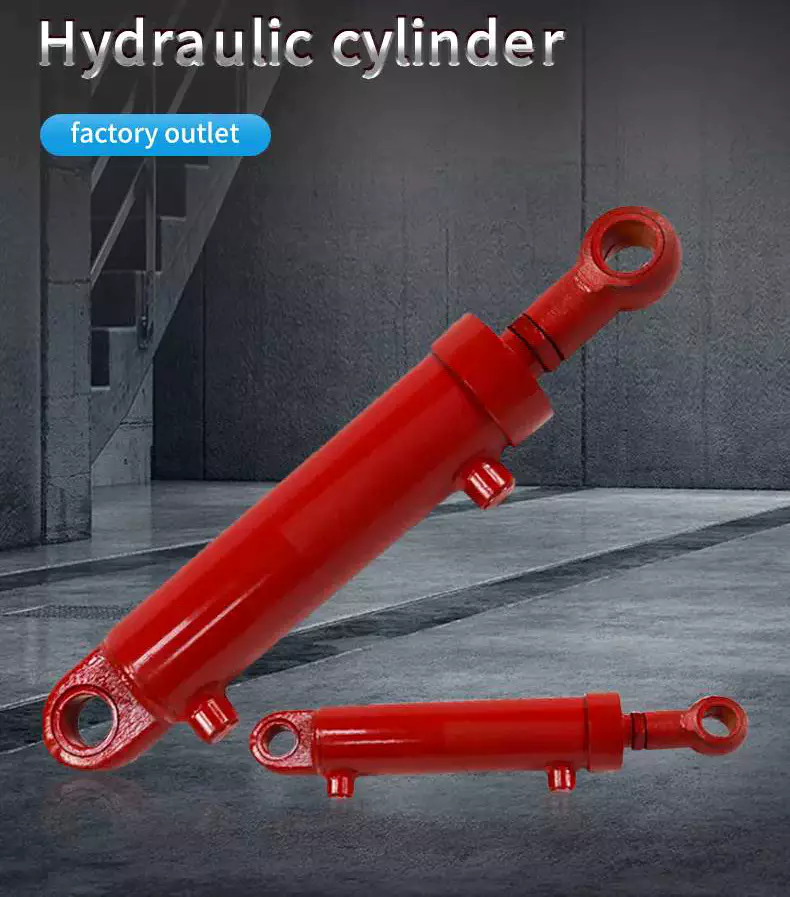
How do hydraulic cylinders ensure smooth and consistent movement in heavy machinery?
Hydraulic cylinders play a vital role in ensuring smooth and consistent movement in heavy machinery. Their design and operation allow for precise control over the motion of heavy loads, resulting in efficient and reliable performance. Here’s a detailed explanation of how hydraulic cylinders contribute to smooth and consistent movement in heavy machinery:
1. Hydraulic Fluid and Pressure:
– Hydraulic cylinders operate by utilizing hydraulic fluid, typically oil, to transmit force and motion. The fluid is pressurized by a hydraulic pump, creating a force that acts on the piston inside the cylinder. The pressure of the hydraulic fluid can be precisely controlled, allowing for smooth and gradual movement of heavy machinery. The fluid’s incompressibility ensures that the force is evenly distributed, resulting in consistent and predictable motion.
2. Piston and Cylinder Design:
– Hydraulic cylinders are designed with precision to ensure smooth movement. The piston and cylinder bore are machined to tight tolerances, reducing friction and minimizing internal leakage. This precise fit between the piston and cylinder walls helps maintain consistent motion without jerks or sudden changes in speed. Additionally, the use of high-quality seals and lubrication further enhances the smooth operation of the cylinder.
3. Control Valves and Flow Control:
– Hydraulic systems incorporate control valves that regulate the flow of hydraulic fluid into and out of the cylinder. These valves allow for precise control over the speed and direction of the cylinder’s movement. By adjusting the flow rate, operators can achieve smooth and controlled motion of heavy machinery, avoiding sudden starts or stops. Flow control valves also enable speed adjustment, ensuring consistent movement even under varying loads or operating conditions.
4. Cushioning and Damping:
– Hydraulic cylinders can be equipped with cushioning mechanisms to absorb shock and minimize impacts during the movement of heavy machinery. Cushioning is achieved by incorporating specialized valves or adjustable orifices in the cylinder, which restrict the flow of hydraulic fluid near the end of the stroke. This gradual deceleration helps prevent sudden jolts or vibrations, maintaining smooth and consistent movement while reducing stress on the machinery and its components.
5. Load Balancing:
– Hydraulic cylinders can be designed and arranged in a system to balance the load and distribute forces evenly. By utilizing multiple cylinders in parallel or series configurations, heavy machinery can achieve balanced movement, preventing uneven stress and ensuring smooth operation. Load balancing also helps minimize the risk of component failure and enhances the overall stability and longevity of the machinery.
6. Feedback and Control Systems:
– Advanced hydraulic systems incorporate feedback sensors and control systems to monitor and adjust the movement of heavy machinery. These sensors provide real-time information about the position, speed, and force exerted by the hydraulic cylinders. The control system processes this data and adjusts the flow of hydraulic fluid accordingly to maintain smooth and consistent movement. By continuously monitoring and regulating the cylinder’s operation, feedback and control systems contribute to precise and reliable motion control.
7. Maintenance and Servicing:
– Regular maintenance and servicing of hydraulic cylinders are essential to ensure their smooth and consistent movement in heavy machinery. Proper lubrication, inspection of seals, and replacement of worn-out components help maintain optimal performance. Preventive maintenance practices, such as filter replacements and fluid analysis, also contribute to the longevity and reliability of hydraulic systems, ensuring consistent movement over time.
In summary, hydraulic cylinders ensure smooth and consistent movement in heavy machinery through the use of hydraulic fluid and pressure, precise piston and cylinder design, control valves and flow control, cushioning and damping mechanisms, load balancing, feedback and control systems, and regular maintenance and servicing. By leveraging these features, hydraulic cylinders provide the necessary force and control to handle heavy loads while maintaining precise and reliable motion, enhancing the overall performance and productivity of heavy machinery in various industrial applications.
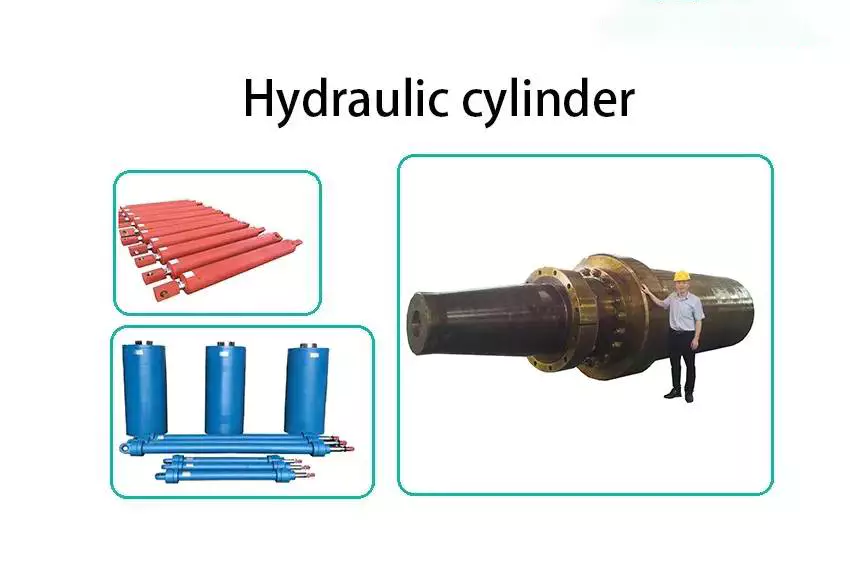
Adaptation of Hydraulic Cylinders for Medical Equipment and Aerospace Applications
Hydraulic cylinders have the potential to be adapted for use in medical equipment and aerospace applications, offering unique advantages in these industries. Let’s explore how hydraulic cylinders can be adapted for these specialized fields:
- Medical Equipment: Hydraulic cylinders can be adapted for various medical equipment applications, including hospital beds, patient lifts, surgical tables, and rehabilitation devices. Here’s how hydraulic cylinders are beneficial in medical equipment:
- Positioning and Adjustability: Hydraulic cylinders provide precise and smooth movement, allowing for accurate positioning and adjustments of medical equipment. This is crucial for ensuring patient comfort, proper alignment, and ease of use.
- Load Handling: Hydraulic cylinders offer high force capabilities, enabling the safe handling of heavy loads in medical equipment. They can support the weight of patients, facilitate smooth transitions, and provide stability during procedures.
- Controlled Motion: Hydraulic cylinders provide controlled and stable motion, which is essential for delicate medical procedures. The ability to adjust speed, position, and force allows for precise and controlled movements, minimizing patient discomfort and ensuring accurate treatment.
- Durability and Reliability: Hydraulic cylinders are designed to withstand rigorous use and demanding environments, making them suitable for medical equipment applications. Their durability and reliability contribute to the long-term performance and safety of medical devices.
- Aerospace Applications: Hydraulic cylinders can also be adapted for aerospace applications, where lightweight yet robust systems are essential. Here’s how hydraulic cylinders are advantageous in aerospace:
- Flight Control Systems: Hydraulic cylinders play a critical role in aircraft flight control systems, including ailerons, elevators, rudders, and landing gear. They provide precise and reliable actuation, allowing pilots to control the aircraft’s movements with accuracy and responsiveness.
- Weight Optimization: Hydraulic cylinders can be designed using lightweight materials, such as aluminum alloys or composite materials, to reduce overall weight. This weight optimization is crucial in aerospace applications to enhance fuel efficiency, payload capacity, and aircraft performance.
- Shock and Vibration Resistance: Aerospace environments involve significant shock and vibration forces. Hydraulic cylinders can be engineered to withstand these dynamic loads while maintaining performance and reliability, ensuring consistent operation even under extreme conditions.
- Space Constraints: Hydraulic cylinders can be designed to fit within the space constraints of aircraft or spacecraft. Their compact size and flexible mounting options allow for efficient integration into the limited available space.
In summary, hydraulic cylinders can be adapted for use in medical equipment and aerospace applications, leveraging their precise positioning, load handling capabilities, controlled motion, durability, and reliability. In medical equipment, hydraulic cylinders enable comfortable patient positioning, smooth transitions, and controlled movements during procedures. In aerospace, hydraulic cylinders provide precise actuation, weight optimization, shock and vibration resistance, and space-efficient solutions. By adapting hydraulic cylinders to these specialized fields, manufacturers can meet the unique requirements and enhance the performance of medical equipment and aerospace systems.
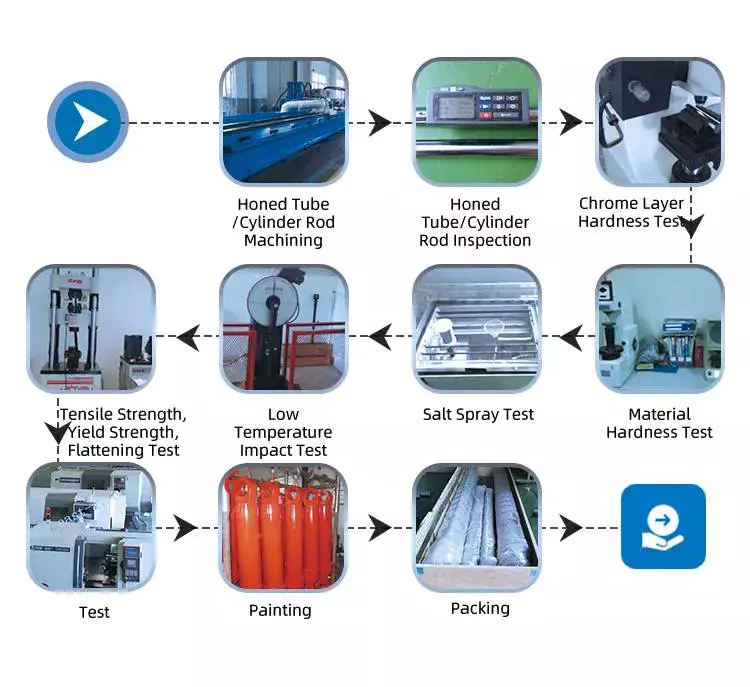
How do manufacturers ensure the quality and compatibility of hydraulic cylinders?
Manufacturers employ various measures to ensure the quality and compatibility of hydraulic cylinders, ensuring that they meet industry standards, performance requirements, and the specific needs of their customers. Here’s a detailed explanation of the methods and practices used by manufacturers to ensure the quality and compatibility of hydraulic cylinders:
1. Design and Engineering:
– Manufacturers employ skilled engineers and designers who have expertise in hydraulic systems and cylinder design. They use advanced design software and tools to create hydraulic cylinders that meet the desired specifications and performance requirements. Through careful analysis and simulation, manufacturers can ensure that the cylinders are designed to function optimally and provide the necessary force, stroke length, and reliability.
2. Material Selection:
– High-quality materials are crucial for the durability, performance, and compatibility of hydraulic cylinders. Manufacturers carefully select materials such as steel or other alloys based on their strength, corrosion resistance, and suitability for hydraulic applications. They source materials from reputable suppliers and perform quality checks to ensure that the materials meet the required standards and specifications.
3. Quality Control:
– Manufacturers implement robust quality control processes throughout the production of hydraulic cylinders. This includes rigorous inspections and tests at various stages of manufacturing, from raw material inspection to final assembly. Quality control personnel perform dimensional checks, surface finish inspections, and functional tests to verify that the cylinders meet the specified tolerances, performance criteria, and compatibility requirements.
4. Testing and Validation:
– Hydraulic cylinders undergo testing and validation procedures to ensure their performance, reliability, and compatibility. Manufacturers conduct various tests, such as pressure testing, leakage testing, load testing, and endurance testing. These tests simulate real-world operating conditions and verify that the cylinders can withstand the expected loads, pressures, and environmental factors. Additionally, manufacturers may perform compatibility testing to ensure that the cylinders can integrate seamlessly with other hydraulic system components.
5. Compliance with Standards:
– Manufacturers adhere to industry standards and regulations to ensure the quality and compatibility of hydraulic cylinders. They follow standards such as ISO 9001 for quality management systems and ISO 6020/2 or ISO 6022 for hydraulic cylinders. Compliance with these standards ensures that the manufacturing processes, quality control measures, and product performance meet internationally recognized benchmarks.
6. Certification and Accreditation:
– Manufacturers may obtain certifications and accreditations from recognized organizations to demonstrate their commitment to quality and compatibility. Certifications such as ISO certifications or third-party certifications provide assurance to customers that the hydraulic cylinders have undergone rigorous evaluations and meet specific quality and compatibility standards.
7. Customer Collaboration:
– Manufacturers actively engage with customers to understand their specific requirements and ensure compatibility. They work closely with customers to gather application-specific details, such as operating conditions, load requirements, and environmental factors. This collaborative approach allows manufacturers to customize hydraulic cylinders and provide solutions that are perfectly matched to the customer’s needs, ensuring compatibility and optimal performance.
8. Continuous Improvement:
– Manufacturers are committed to continuous improvement in their processes and products. They invest in research and development to incorporate the latest technologies, materials, and manufacturing techniques. By staying updated with industry advancements, manufacturers can enhance the quality, performance, and compatibility of their hydraulic cylinders over time.
By implementing effective design and engineering practices, selecting high-quality materials, conducting rigorous quality control, testing and validation procedures, complying with industry standards, obtaining certifications, collaborating with customers, and embracing continuous improvement, manufacturers ensure the quality and compatibility of hydraulic cylinders. These measures help to deliver reliable, high-performance cylinders that meet the diverse needs of industries and applications.

editor by Dream 2024-11-08
 Kazakh
  English
  Italian
  Portuguese
  Dutch
Dutch  Swedish
  Danish
  Finnish
  Polish
  Hindi
Hindi  Turkish
  Ukrainian
  Romanian
  Spanish
  German
  Russian
  Korean
  Japanese
  Vietnamese
  Thai
Thai  Indonesian
  Malay
Malay  French
  Greek
Greek