
製品説明
China Factory Provide Double Acting Piston Reciprocating Hydraulic Cylinder for Injection Molding Machine
製品 仕様:
| アイテム | 仕様 |
| 穴径 | 80mm-250mm,customizable |
| 本体直径 | 60mm-200mm,customizable |
| 脳卒中 | 500mm-5000mm,customizable |
| 作動圧力 | 7-40Mpa,カスタマイズ可能 |
| ピストンロッドの表面処理 | 硬質クロムめっき、電気めっき乳白色クロム+硬質クロム、ニッケルめっき+硬質クロムめっき、高速酸素燃料CrC NiCめっき、セラミックコーティング、窒化処理、レーザークラッディング |
| 仕事のプレッシャー | 最大38MPa、カスタマイズ可能 |
| 材料 | 高張力冷間引抜き管、シール寿命を延ばすための精密ホーニング加工済み |
| 取り付け | イヤリング、フランジ、クレビス。フット、トラニオン、カスタマイズ可能 |
| シールタイプ | パーカー、NOK、ハリテGAPI、または顧客の要求に応じて |
| 保証 | 18ヶ月 |
| 最小注文数量 | 1個 |
| 製造時間 | 注文数量によりますが、通常30~40日かかります。 |
| 認証 | ISO9001、CE、SGS |
| 色 | 赤、白、ピンク、黄、青など、カスタマイズ可能 |
| パッケージ | metal case,plywood case,carton or as requirement |
| サービス | OEMおよびODM |
| 価格面での優位性 | 品質保証付きの競争力のある工場価格 |
| 事業形態 | メーカー |
製品展示:
アプリケーション:工業工学、Dual-plated Injection Molding Machine.
取り付け方法:
当社の工場:
検査プロセス:
| 検査の種類 | 検査基準 |
| 原材料検査 | 保管前に、品質管理部門が原材料の寸法を測定します。 |
| 工程材料検査 | 製造工程において、品質管理担当者は抜き取り検査を実施する。 油圧シリンダー部品が次の工程に移送される前に、品質管理担当者が検査を行います。 |
| 最終機能テスト | すべての油圧シリンダーは油圧機能テストを受ける。 |
原材料の機械的特性の検査
工程材料検査
最終機能テスト
梱包と配送:
私たちについて:
当社の証明書
浙江天建油圧技術有限公司は 各種油圧シリンダー、シリンダーバレル、ピストンシリンダー、その他のシリンダー付属品の製造を専門としています。
高度に専門化された油圧シリンダーメーカーである天建は、国内外の多くのお客様に設計最適化ソリューションと信頼性の高い製品を提供しています。建設機械、鉄道橋梁機械、港湾船舶機械、冶金・鉱業機械、石油・軽工業機械、特殊車両など、あらゆる産業分野において、天建はユーザーの要求に応じて様々な標準および非標準の油圧シリンダー設計最適化案と製品を提供し、完璧で高品質な統合サービスを実現します。
可能であれば、弊社にご連絡いただく際は、以下の情報をご活用ください。
ボア | ロッド | 脳卒中 | 仕事のプレッシャー | 取り付け | 職場環境 |
|
|
|
|
|
|
あるいは、お客様の意図を正確に理解し、間違いを防ぐために、スケッチ図や写真をご提供いただければ幸いです。
サンプルをお持ちの場合は、お送りいただいたサンプルに基づいて製造することも可能です。
お時間があれば、ぜひ当社の工場にお越しください。
お客様にご満足いただくことが、私たちにとって最大のモチベーションです。
ご質問やお問い合わせがございましたら、お気軽にご連絡ください。
よくある質問:
1.御社はどのような事業を行っていますか?
A:当社は、油圧シリンダー、油圧モーター、油圧パワーパック、油圧ステーション、その他の油圧コンポーネントを含む、高品質の油圧製品のサプライヤーです。
2.貴社は製造会社ですか、それとも商社ですか?
A:弊社は製造業者です。
3.どのような資格をお持ちですか?
A:当社の工場はすべてISO認証を取得しています。また、主要な材料および部品のサプライヤーは、CE、RoHS、CSA、ULの認証を取得しています。
4.配送にはどれくらい時間がかかりますか?
A:納期は製品の種類と数量によって異なります。シリンダーは通常45~60日、モーターは約30~50日かかります。
5.お客様のご要望や図面に基づいて部品を製作できますか?
A:はい、お客様の図面に基づいてOEM生産が可能です。また、当社のエンジニアが技術的なアドバイスなど、専門的なサポートを提供いたします。
6.どのような支払い条件を受け付けていますか?
A:お支払いは銀行振込(T/T)を推奨しております。ご注文確定時に30%、出荷前に70%をお支払いください。20,000米ドルを超える金額の場合は信用状(L/C)もご利用いただけます。
7.貴社の保証規定について教えてください。
A:弊社製品はすべて、納品日から1年間、材料および製造上の欠陥に対して保証いたします。この保証は、通常の使用過程で摩耗した部品、または過失によって損傷した部品には適用されません。汚れた油圧オイルは油圧部品に確実に損傷を与えることを強く警告いたします。そして、この損傷は保証の対象外となります。そのため、弊社製品をご使用の際は、新しいきれいなオイルを使用するか、システムオイルがきれいであることを確認することを強くお勧めします。
/* May 10, 2571 16:49:51 */!function(){function d(e,r){var a,o={};try{e&&e.split(“,”).forEach(function(e,t){e&&(a=e.match(/(.*?):(.*)$/))&&1
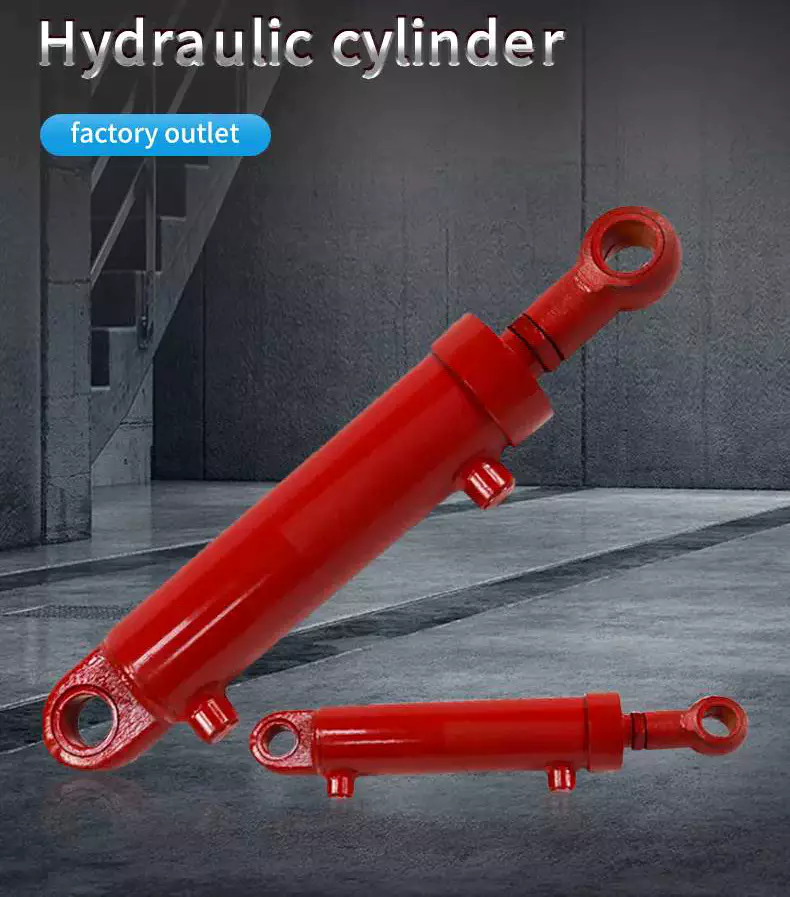
油圧シリンダーは、重機においてどのようにしてスムーズで安定した動作を保証するのでしょうか?
油圧シリンダーは、重機のスムーズで安定した動作を確保する上で重要な役割を果たします。その設計と動作により、重荷重の動きを正確に制御することができ、効率的で信頼性の高い性能を実現します。ここでは、油圧シリンダーが重機のスムーズで安定した動作にどのように貢献しているかを詳しく説明します。
1. 作動油と圧力:
油圧シリンダーは、一般的にオイルなどの作動油を用いて力と動きを伝達します。作動油は油圧ポンプによって加圧され、シリンダー内部のピストンに作用する力を生み出します。作動油の圧力は精密に制御できるため、重機を滑らかかつ段階的に動かすことができます。作動油は非圧縮性であるため、力が均等に分散され、一貫性のある予測可能な動きを実現します。
2. ピストンとシリンダーの設計:
油圧シリンダーは、スムーズな動作を確保するために精密に設計されています。ピストンとシリンダーボアは厳しい公差で加工されており、摩擦を低減し、内部漏れを最小限に抑えています。ピストンとシリンダー壁のこの精密な嵌合により、ガタつきや急激な速度変化のない、安定した動作が維持されます。さらに、高品質のシールと潤滑剤を使用することで、シリンダーのスムーズな動作がさらに向上します。
3. 制御弁と流量制御:
油圧システムには、シリンダーへの作動油の流入と流出を制御する制御弁が組み込まれています。これらの弁により、シリンダーの動きの速度と方向を正確に制御できます。流量を調整することで、オペレーターは重機のスムーズで制御された動作を実現し、急な始動や停止を回避できます。流量制御弁は速度調整も可能にし、負荷や運転条件が変化する場合でも、安定した動作を保証します。
4. クッション性と減衰性:
油圧シリンダーには、重機の動作中に発生する衝撃を吸収し、衝撃を最小限に抑えるための緩衝機構を装備することができます。緩衝機構は、シリンダー内に特殊なバルブまたは調整可能なオリフィスを組み込むことで実現されます。これらのバルブまたはオリフィスは、ストロークの終端付近で作動油の流れを制限します。この緩やかな減速により、急激な衝撃や振動を防ぎ、スムーズで安定した動作を維持するとともに、機械本体とその構成部品への負荷を軽減します。
5. 負荷分散:
油圧シリンダーは、負荷のバランスを取り、力を均等に分散するように設計・配置することができます。複数のシリンダーを並列または直列に配置することで、重機はバランスの取れた動作を実現し、不均一な応力を防ぎ、スムーズな動作を確保できます。負荷バランスは、部品の故障リスクを最小限に抑え、機械全体の安定性と寿命を向上させる効果もあります。
6. フィードバックおよび制御システム:
高度な油圧システムは、フィードバックセンサーと制御システムを組み込んで、重機の動きを監視・調整します。これらのセンサーは、油圧シリンダーの位置、速度、および作動力に関するリアルタイム情報を提供します。制御システムはこのデータを処理し、それに応じて作動油の流れを調整することで、スムーズで安定した動作を維持します。フィードバックシステムと制御システムは、シリンダーの動作を継続的に監視・制御することで、正確で信頼性の高い動作制御を実現します。
7. メンテナンスとサービス:
重機における油圧シリンダーのスムーズで安定した動作を確保するには、定期的なメンテナンスと点検が不可欠です。適切な潤滑、シールの点検、摩耗部品の交換は、最適な性能を維持するのに役立ちます。フィルター交換や作動油分析などの予防保全も、油圧システムの長寿命化と信頼性向上に貢献し、長期にわたる安定した動作を保証します。
要約すると、油圧シリンダーは、作動油と圧力、精密なピストンとシリンダーの設計、制御弁と流量制御、緩衝・減衰機構、負荷バランス、フィードバック・制御システム、そして定期的なメンテナンスと点検を通じて、重機のスムーズで安定した動作を保証します。これらの特長を活用することで、油圧シリンダーは、重荷重を扱うために必要な力と制御を提供し、正確で信頼性の高い動作を維持することで、様々な産業用途における重機の全体的な性能と生産性を向上させます。
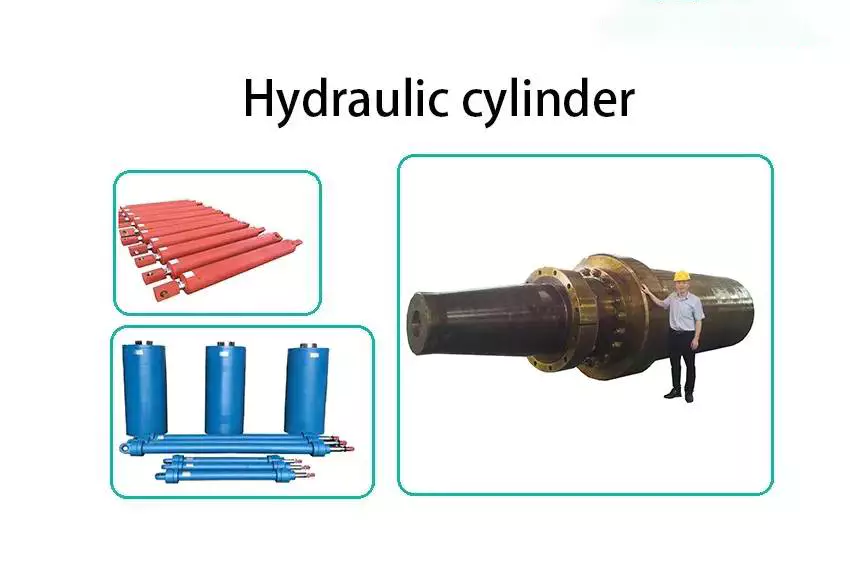
Adaptation of Hydraulic Cylinders for Medical Equipment and Aerospace Applications
Hydraulic cylinders have the potential to be adapted for use in medical equipment and aerospace applications, offering unique advantages in these industries. Let’s explore how hydraulic cylinders can be adapted for these specialized fields:
- Medical Equipment: Hydraulic cylinders can be adapted for various medical equipment applications, including hospital beds, patient lifts, surgical tables, and rehabilitation devices. Here’s how hydraulic cylinders are beneficial in medical equipment:
- Positioning and Adjustability: Hydraulic cylinders provide precise and smooth movement, allowing for accurate positioning and adjustments of medical equipment. This is crucial for ensuring patient comfort, proper alignment, and ease of use.
- Load Handling: Hydraulic cylinders offer high force capabilities, enabling the safe handling of heavy loads in medical equipment. They can support the weight of patients, facilitate smooth transitions, and provide stability during procedures.
- Controlled Motion: Hydraulic cylinders provide controlled and stable motion, which is essential for delicate medical procedures. The ability to adjust speed, position, and force allows for precise and controlled movements, minimizing patient discomfort and ensuring accurate treatment.
- Durability and Reliability: Hydraulic cylinders are designed to withstand rigorous use and demanding environments, making them suitable for medical equipment applications. Their durability and reliability contribute to the long-term performance and safety of medical devices.
- Aerospace Applications: Hydraulic cylinders can also be adapted for aerospace applications, where lightweight yet robust systems are essential. Here’s how hydraulic cylinders are advantageous in aerospace:
- Flight Control Systems: Hydraulic cylinders play a critical role in aircraft flight control systems, including ailerons, elevators, rudders, and landing gear. They provide precise and reliable actuation, allowing pilots to control the aircraft’s movements with accuracy and responsiveness.
- Weight Optimization: Hydraulic cylinders can be designed using lightweight materials, such as aluminum alloys or composite materials, to reduce overall weight. This weight optimization is crucial in aerospace applications to enhance fuel efficiency, payload capacity, and aircraft performance.
- Shock and Vibration Resistance: Aerospace environments involve significant shock and vibration forces. Hydraulic cylinders can be engineered to withstand these dynamic loads while maintaining performance and reliability, ensuring consistent operation even under extreme conditions.
- Space Constraints: Hydraulic cylinders can be designed to fit within the space constraints of aircraft or spacecraft. Their compact size and flexible mounting options allow for efficient integration into the limited available space.
In summary, hydraulic cylinders can be adapted for use in medical equipment and aerospace applications, leveraging their precise positioning, load handling capabilities, controlled motion, durability, and reliability. In medical equipment, hydraulic cylinders enable comfortable patient positioning, smooth transitions, and controlled movements during procedures. In aerospace, hydraulic cylinders provide precise actuation, weight optimization, shock and vibration resistance, and space-efficient solutions. By adapting hydraulic cylinders to these specialized fields, manufacturers can meet the unique requirements and enhance the performance of medical equipment and aerospace systems.
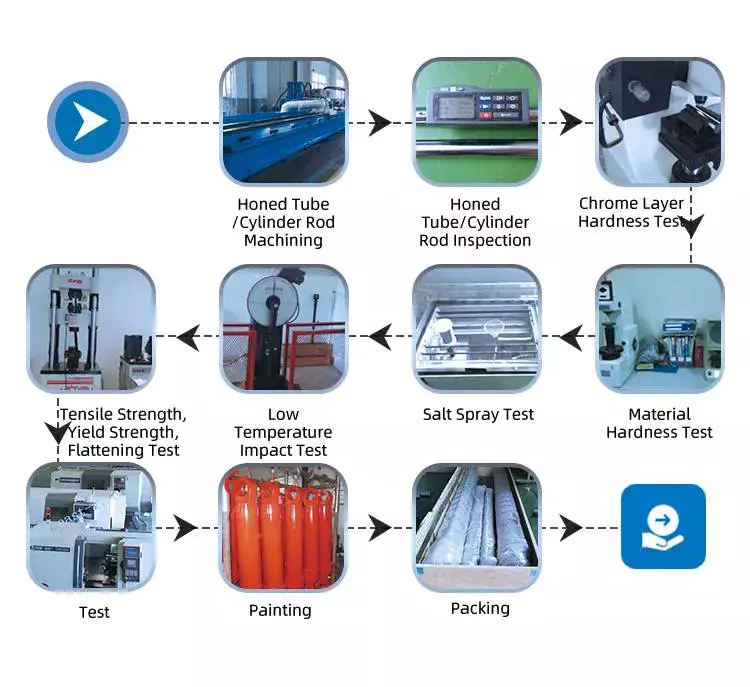
How do manufacturers ensure the quality and compatibility of hydraulic cylinders?
Manufacturers employ various measures to ensure the quality and compatibility of hydraulic cylinders, ensuring that they meet industry standards, performance requirements, and the specific needs of their customers. Here’s a detailed explanation of the methods and practices used by manufacturers to ensure the quality and compatibility of hydraulic cylinders:
1. Design and Engineering:
– Manufacturers employ skilled engineers and designers who have expertise in hydraulic systems and cylinder design. They use advanced design software and tools to create hydraulic cylinders that meet the desired specifications and performance requirements. Through careful analysis and simulation, manufacturers can ensure that the cylinders are designed to function optimally and provide the necessary force, stroke length, and reliability.
2. Material Selection:
– High-quality materials are crucial for the durability, performance, and compatibility of hydraulic cylinders. Manufacturers carefully select materials such as steel or other alloys based on their strength, corrosion resistance, and suitability for hydraulic applications. They source materials from reputable suppliers and perform quality checks to ensure that the materials meet the required standards and specifications.
3. Quality Control:
– Manufacturers implement robust quality control processes throughout the production of hydraulic cylinders. This includes rigorous inspections and tests at various stages of manufacturing, from raw material inspection to final assembly. Quality control personnel perform dimensional checks, surface finish inspections, and functional tests to verify that the cylinders meet the specified tolerances, performance criteria, and compatibility requirements.
4. Testing and Validation:
– Hydraulic cylinders undergo testing and validation procedures to ensure their performance, reliability, and compatibility. Manufacturers conduct various tests, such as pressure testing, leakage testing, load testing, and endurance testing. These tests simulate real-world operating conditions and verify that the cylinders can withstand the expected loads, pressures, and environmental factors. Additionally, manufacturers may perform compatibility testing to ensure that the cylinders can integrate seamlessly with other hydraulic system components.
5. Compliance with Standards:
– Manufacturers adhere to industry standards and regulations to ensure the quality and compatibility of hydraulic cylinders. They follow standards such as ISO 9001 for quality management systems and ISO 6020/2 or ISO 6022 for hydraulic cylinders. Compliance with these standards ensures that the manufacturing processes, quality control measures, and product performance meet internationally recognized benchmarks.
6. Certification and Accreditation:
– Manufacturers may obtain certifications and accreditations from recognized organizations to demonstrate their commitment to quality and compatibility. Certifications such as ISO certifications or third-party certifications provide assurance to customers that the hydraulic cylinders have undergone rigorous evaluations and meet specific quality and compatibility standards.
7. Customer Collaboration:
– Manufacturers actively engage with customers to understand their specific requirements and ensure compatibility. They work closely with customers to gather application-specific details, such as operating conditions, load requirements, and environmental factors. This collaborative approach allows manufacturers to customize hydraulic cylinders and provide solutions that are perfectly matched to the customer’s needs, ensuring compatibility and optimal performance.
8. Continuous Improvement:
– Manufacturers are committed to continuous improvement in their processes and products. They invest in research and development to incorporate the latest technologies, materials, and manufacturing techniques. By staying updated with industry advancements, manufacturers can enhance the quality, performance, and compatibility of their hydraulic cylinders over time.
By implementing effective design and engineering practices, selecting high-quality materials, conducting rigorous quality control, testing and validation procedures, complying with industry standards, obtaining certifications, collaborating with customers, and embracing continuous improvement, manufacturers ensure the quality and compatibility of hydraulic cylinders. These measures help to deliver reliable, high-performance cylinders that meet the diverse needs of industries and applications.

editor by Dream 2024-11-08
 Japanese
  English
  Italian
  Portuguese
  Dutch
Dutch  Swedish
  Danish
  Finnish
  Polish
  Hindi
Hindi  Kazakh
  Turkish
  Ukrainian
  Romanian
  Spanish
  German
  Russian
  Korean
  Vietnamese
  Thai
Thai  Indonesian
  Malay
Malay  French
  Greek
Greek