
Productbeschrijving
Product introduction
CAT excavator hydraulic cylinder bucket
| Working temperature | -40°C ~ 80°C |
| Color | RAL9005,Customize |
| Materiaal | CK45,ST52,ST52-3,27SiMn,Customize |
| Seal kit | SKF, Trelleborg, Halite, Chesterton, NOK, Kayaba |
| Piston rod | Hard chromed |
| Verpakking | Plywood case |
| Warranty | 12 months |
| Payment | T/T |
Advantage
Better designs, better material, better value.
ROCA hydraulic cylinders are designed with rugged features to give unequaled service life and performance.
Mining equipment is continually subjected to torturous conditions that punish hydraulic cylinders. These difficult conditions include dust, grit, heat, cold, and moisture. Besides, the equipment is subject to slamming loads and mechanical impacts.
ROCA designs and manufactures excavators, dumper trucks, and heavy-duty hydraulic cylinders that endure these very difficult conditions.
Show
Part No.
| CAT 330C | |
| Part Name | Part No. |
| Boom cylinder | 1915548 |
| Stick cylinder | 1915551 |
| D family Bucket cylinder | 1772465 |
| E family Bucket cylinder | 1915554 |
Part size
| CAT 330C | ||
| Boom cylinder – bore | 150 mm | 5.91 in |
| Boom cylinder – rod | 105 mm | 4.13 in |
| Boom cylinder – stroke | 1440 mm | 57 in |
| Stick cylinder – bore | 170 mm | 6.69 in |
| Stick cylinder – rod | 115 mm | 4.53 in |
| Stick cylinder – stroke | 1738 mm | 68 in |
| D family Bucket cylinder – bore | 150 mm | 5.91 in |
| D family Bucket cylinder – rod | 105 mm | 4.13 |
| D family Bucket cylinder – stroke | 1156 mm | 45.51in |
| E family Bucket cylinder – bore | 160 mm | 6.3 in |
| E family Bucket cylinder – rod | 110 mm | 4.33 in |
| E family Bucket cylinder – stroke | 1356 mm | 53 in |
Company introduction
HangZhou CHINAMFG is a comprehensive manufacturing enterprise engaged in hydraulic cylinders, excavator attachment, metal casting, hydraulic components with certification approval to meet custom or OEM requirements.
ROCA owned factory offers customers effective-cost products with quality assurance. With its professional and experienced R&D team, CHINAMFG Hydraulic devotes itself to research and development to optimize products applied in construction, mining, waster management, forestry, agriculture, etc.
Hydraulic cylinders are the most effective and efficient method of pushing, pulling, lifting, and lowering.
Nowadays hydraulic cylinders play an essential role in daily application and industry:
√ Mining
√ Earthmoving & Construction
√ Agriculture &Forestry
√Waste Management & Material Handing
√Ship crane & offshore
Selecting the right cylinders for an application is critical in obtaining maximum performance and reliability.
ROCA team takes all your concerns into consideration to suit your hydraulic cylinder requirements.
Together, we work out the best design solution for your application.
FAQ
Q1.Do you have MOQ?
Depending on different ideas, Can be negotiated. The larger the quantity is, the competitive the unit price will be.
Q2.Should the customer pay the delivery fee, How much is it?
For the delivery fee, many samples are being requested to be sent, so we must get the delivery fee.
If you tell me to use the appointed Express, you will give me your express account or you will pay according to the Express.
If you do not request, I will choose a cheap one in China.
Q3.How about the after sale service?
1) We will always keep the quality the same as the buyer’s samples and if there is something with the quality, we will make compensation for our customers.
2) We will suggest our packing and take charge in our packing, we will keep the goods safe in the delivery.
3) We will trace the goods from the production to selling, we will solve the problems in the selling for our customers.
Q4.When can I get a price?
We usually quote within 24 hours after we get your inquiry.
Q5: Are you a trade company or manufacturer?
We are a professional manufacturer with our own factory.
| After-sales Service: | Na Office, European Dealer |
|---|---|
| Warranty: | 12 Months |
| Type: | Excavator Cylinder |
| Customization: | Available |
|
|---|
.shipping-cost-tm .tm-status-off{background: none;padding:0;color: #1470cc}
| Shipping Cost: Estimated freight per unit. | about shipping cost and estimated delivery time. |
|---|
| Payment Method: |
|
|---|---|
| Initial Payment Full Payment |
| Currency: | US$ |
|---|
| Return&refunds: | You can apply for a refund up to 30 days after receipt of the products. |
|---|
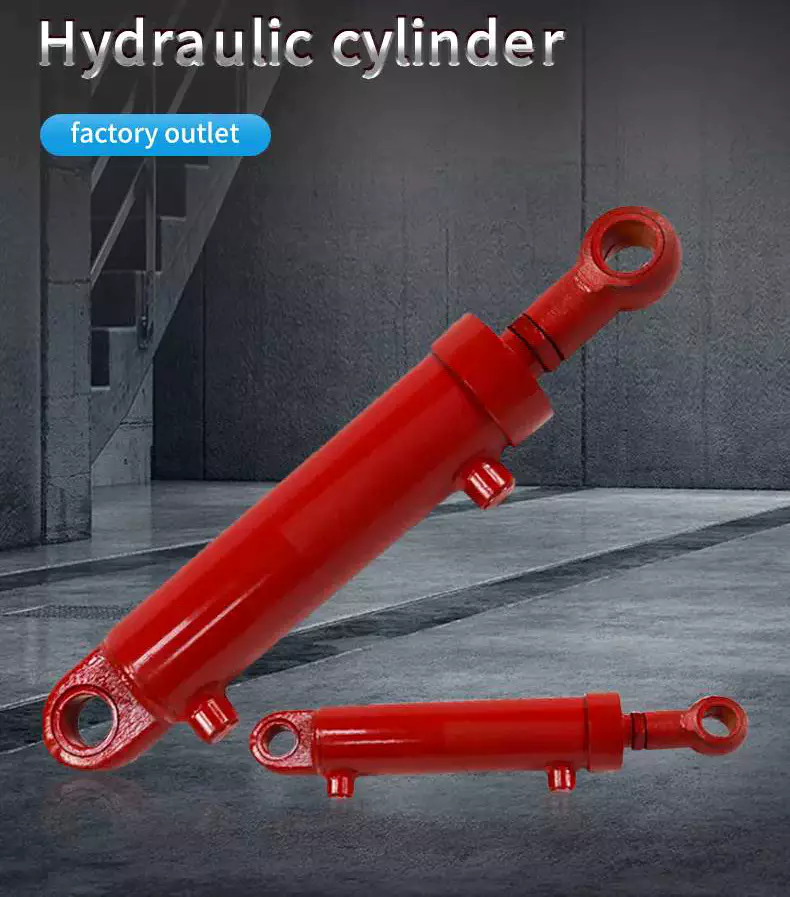
How do hydraulic cylinders ensure smooth and consistent movement in heavy machinery?
Hydraulic cylinders play a vital role in ensuring smooth and consistent movement in heavy machinery. Their design and operation allow for precise control over the motion of heavy loads, resulting in efficient and reliable performance. Here’s a detailed explanation of how hydraulic cylinders contribute to smooth and consistent movement in heavy machinery:
1. Hydraulic Fluid and Pressure:
– Hydraulic cylinders operate by utilizing hydraulic fluid, typically oil, to transmit force and motion. The fluid is pressurized by a hydraulic pump, creating a force that acts on the piston inside the cylinder. The pressure of the hydraulic fluid can be precisely controlled, allowing for smooth and gradual movement of heavy machinery. The fluid’s incompressibility ensures that the force is evenly distributed, resulting in consistent and predictable motion.
2. Piston and Cylinder Design:
– Hydraulic cylinders are designed with precision to ensure smooth movement. The piston and cylinder bore are machined to tight tolerances, reducing friction and minimizing internal leakage. This precise fit between the piston and cylinder walls helps maintain consistent motion without jerks or sudden changes in speed. Additionally, the use of high-quality seals and lubrication further enhances the smooth operation of the cylinder.
3. Control Valves and Flow Control:
– Hydraulic systems incorporate control valves that regulate the flow of hydraulic fluid into and out of the cylinder. These valves allow for precise control over the speed and direction of the cylinder’s movement. By adjusting the flow rate, operators can achieve smooth and controlled motion of heavy machinery, avoiding sudden starts or stops. Flow control valves also enable speed adjustment, ensuring consistent movement even under varying loads or operating conditions.
4. Cushioning and Damping:
– Hydraulic cylinders can be equipped with cushioning mechanisms to absorb shock and minimize impacts during the movement of heavy machinery. Cushioning is achieved by incorporating specialized valves or adjustable orifices in the cylinder, which restrict the flow of hydraulic fluid near the end of the stroke. This gradual deceleration helps prevent sudden jolts or vibrations, maintaining smooth and consistent movement while reducing stress on the machinery and its components.
5. Load Balancing:
– Hydraulic cylinders can be designed and arranged in a system to balance the load and distribute forces evenly. By utilizing multiple cylinders in parallel or series configurations, heavy machinery can achieve balanced movement, preventing uneven stress and ensuring smooth operation. Load balancing also helps minimize the risk of component failure and enhances the overall stability and longevity of the machinery.
6. Feedback and Control Systems:
– Advanced hydraulic systems incorporate feedback sensors and control systems to monitor and adjust the movement of heavy machinery. These sensors provide real-time information about the position, speed, and force exerted by the hydraulic cylinders. The control system processes this data and adjusts the flow of hydraulic fluid accordingly to maintain smooth and consistent movement. By continuously monitoring and regulating the cylinder’s operation, feedback and control systems contribute to precise and reliable motion control.
7. Maintenance and Servicing:
– Regular maintenance and servicing of hydraulic cylinders are essential to ensure their smooth and consistent movement in heavy machinery. Proper lubrication, inspection of seals, and replacement of worn-out components help maintain optimal performance. Preventive maintenance practices, such as filter replacements and fluid analysis, also contribute to the longevity and reliability of hydraulic systems, ensuring consistent movement over time.
In summary, hydraulic cylinders ensure smooth and consistent movement in heavy machinery through the use of hydraulic fluid and pressure, precise piston and cylinder design, control valves and flow control, cushioning and damping mechanisms, load balancing, feedback and control systems, and regular maintenance and servicing. By leveraging these features, hydraulic cylinders provide the necessary force and control to handle heavy loads while maintaining precise and reliable motion, enhancing the overall performance and productivity of heavy machinery in various industrial applications.
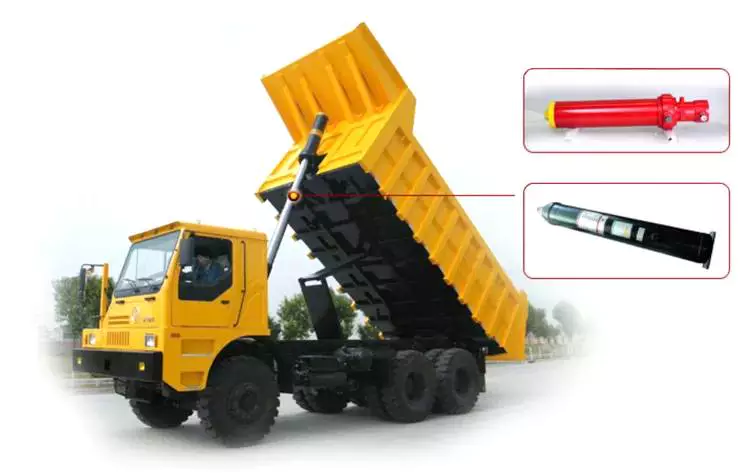
Verbeteringen in de technologie van hydraulische cilinders verbeteren de corrosiebestendigheid.
Vooruitgang in de technologie van hydraulische cilinders heeft geleid tot aanzienlijke verbeteringen in de corrosiebestendigheid. Corrosie is een groot probleem in hydraulische systemen, met name in omgevingen waar cilinders worden blootgesteld aan vocht, chemicaliën of corrosieve stoffen. Deze ontwikkelingen zijn erop gericht de duurzaamheid en levensduur van hydraulische cilinders te verlengen. Laten we eens kijken naar enkele belangrijke ontwikkelingen in de technologie van hydraulische cilinders die de corrosiebestendigheid hebben verbeterd:
- Corrosiebestendige materialen: Het gebruik van corrosiebestendige materialen is een fundamentele vooruitgang in de technologie van hydraulische cilinders. Roestvast staal biedt bijvoorbeeld een uitstekende corrosiebestendigheid, waardoor het een populaire keuze is in maritieme, offshore en andere corrosieve omgevingen. Daarnaast hebben ontwikkelingen in de metallurgie geleid tot de ontwikkeling van speciale legeringen en coatings die een verbeterde corrosiebestendigheid bieden en de levensduur van hydraulische cilinders verlengen.
- Oppervlaktebehandelingen en coatings: Er zijn diverse oppervlaktebehandelingen en coatings ontwikkeld om hydraulische cilinders tegen corrosie te beschermen. Deze behandelingen kunnen bestaan uit galvaniseren, elektroplateren, poedercoaten en speciale corrosiebestendige coatings. Deze coatings vormen een barrière tussen het cilinderoppervlak en corrosieve elementen, waardoor direct contact wordt voorkomen en corrosie wordt tegengegaan. De keuze voor de juiste coating hangt af van de specifieke toepassing en de omgevingsomstandigheden.
- Afdichtingstechnologie: Effectieve afdichtingssystemen zijn cruciaal om te voorkomen dat water, vocht en verontreinigingen de cilinder binnendringen en corrosie veroorzaken. Dankzij vooruitgang in afdichtingstechnologie zijn hoogwaardige afdichtingen en geavanceerde afdichtingsontwerpen ontwikkeld die een superieure corrosiebestendigheid bieden. Deze afdichtingen worden doorgaans vervaardigd uit materialen die specifiek zijn ontworpen om corrosieve omgevingen te weerstaan, waardoor een langdurige afdichting wordt gegarandeerd en het risico op corrosieproblemen wordt geminimaliseerd.
- Verbeterde oppervlakteafwerkingen: De oppervlakteafwerking van hydraulische cilinders speelt een rol in hun corrosiebestendigheid. Dankzij verbeteringen in bewerkings- en polijsttechnieken zijn gladdere en meer uniforme oppervlakteafwerkingen mogelijk geworden. Gladdere oppervlakken verkleinen de kans op corrosie en maken het reinigen en onderhouden van hydraulische cilinders eenvoudiger. Daarnaast kunnen speciale afwerkingen, zoals passivering of chemische behandelingen, worden toegepast om de corrosiebestendigheid verder te verbeteren.
- Kenmerken van milieubescherming: Hydraulische cilinders kunnen worden uitgerust met extra functies ter bescherming tegen corrosie. Deze functies kunnen bestaan uit beschermhoezen, balgen of afschermingen die kwetsbare delen beschermen tegen corrosieve stoffen. Door deze beschermende elementen in het ontwerp te integreren, kunnen hydraulische cilinders zware omstandigheden weerstaan en het risico op corrosieschade minimaliseren.
Samenvattend hebben de technologische vooruitgangen in hydraulische cilinders de corrosiebestendigheid aanzienlijk verbeterd. Het gebruik van corrosiebestendige materialen, geavanceerde oppervlaktebehandelingen en coatings, innovatieve afdichtingstechnologie, verbeterde oppervlakteafwerkingen en de integratie van milieubeschermende eigenschappen hebben allemaal bijgedragen aan een langere levensduur en duurzaamheid van hydraulische cilinders in corrosieve omgevingen. Deze verbeteringen garanderen betrouwbare prestaties en verlagen de onderhouds- en vervangingskosten die gepaard gaan met corrosieproblemen.
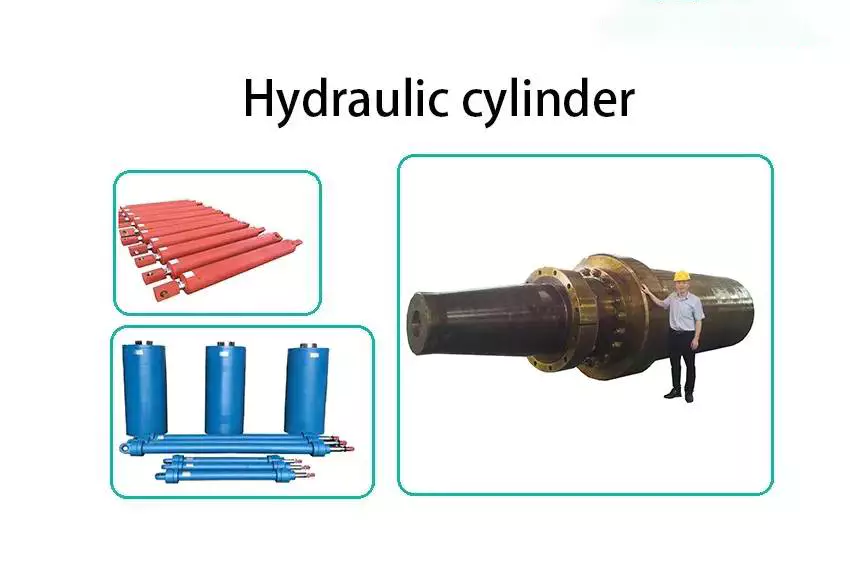
How do hydraulic cylinders handle variations in load and pressure during operation?
Hydraulic cylinders are designed to handle variations in load and pressure during operation, making them versatile and efficient in various applications. Hydraulic systems use the principle of transmitting force through incompressible fluid to generate linear motion. Here’s a detailed explanation of how hydraulic cylinders handle variations in load and pressure:
1. Load Handling:
– Hydraulic cylinders are capable of handling different loads by utilizing the principle of Pascal’s law. According to Pascal’s law, when pressure is applied to a fluid in a confined space, the pressure is transmitted equally in all directions. In a hydraulic cylinder, the force applied to the piston results in an equal force output at the rod end of the cylinder. The size of the piston and the pressure exerted determine the force generated by the cylinder. Therefore, hydraulic cylinders can handle a wide range of loads by adjusting the pressure applied to the fluid.
2. Pressure Compensation:
– Hydraulic systems incorporate pressure compensation mechanisms to handle variations in pressure during operation. Pressure compensating valves or regulators are often used to maintain a consistent pressure in the hydraulic system, regardless of load changes. These valves automatically adjust the flow rate or pressure to ensure stable and controlled operation of the hydraulic cylinder. By compensating for pressure variations, hydraulic cylinders can maintain a consistent force output and prevent damage or instability due to excessive pressure.
3. Control Valves:
– Control valves play a crucial role in managing variations in pressure and load during hydraulic cylinder operation. Directional control valves, such as spool valves or poppet valves, control the flow of hydraulic fluid into and out of the cylinder, enabling precise control of the cylinder’s extension and retraction. By adjusting the position of the control valve, the speed and force exerted by the hydraulic cylinder can be regulated to match the load and pressure requirements of the application. Control valves allow for efficient handling of variations in load and pressure by providing fine-tuned control over the hydraulic system.
4. Accumulators:
– Hydraulic accumulators are often used to handle fluctuations in pressure and load. Accumulators store hydraulic fluid under pressure, which can be released or absorbed as needed to compensate for sudden changes in load or pressure. When the load on the hydraulic cylinder decreases, the accumulator releases stored fluid to maintain pressure and prevent pressure spikes. Conversely, when the load on the cylinder increases, the accumulator absorbs excess fluid to maintain system stability. By utilizing accumulators, hydraulic cylinders can effectively handle variations in load and pressure, ensuring smooth and controlled operation.
5. Feedback and Control Systems:
– Advanced hydraulic systems may incorporate feedback and control systems to monitor and adjust the operation of hydraulic cylinders in real-time. Position sensors or pressure sensors provide feedback on the cylinder’s position, force, and pressure, allowing the control system to make continuous adjustments to optimize performance. These systems can automatically adapt to variations in load and pressure, ensuring precise control and efficient operation of the hydraulic cylinder.
6. Design Considerations:
– Proper design considerations, such as selecting the appropriate cylinder size, piston diameter, and rod diameter, are essential for handling variations in load and pressure. The design should account for the maximum anticipated load and pressure conditions to ensure the hydraulic cylinder operates within its specified range. Additionally, the selection of suitable seals, materials, and components that can withstand the anticipated load and pressure variations is crucial for maintaining the reliability and longevity of the hydraulic cylinder.
By utilizing the principles of hydraulic systems, incorporating pressure compensation mechanisms, employing control valves and accumulators, and implementing feedback and control systems, hydraulic cylinders can effectively handle variations in load and pressure during operation. These features and design considerations allow hydraulic cylinders to adapt and perform optimally in a wide range of applications and operating conditions.


editor by CX 2023-10-30
 Dutch
Dutch  English
  Italian
  Portuguese
  Swedish
  Danish
  Finnish
  Polish
  Hindi
Hindi  Kazakh
  Turkish
  Ukrainian
  Romanian
  Spanish
  German
  Russian
  Korean
  Japanese
  Vietnamese
  Thai
Thai  Indonesian
  Malay
Malay  French
  Greek
Greek