
製品説明
Product introduction
CAT excavator hydraulic cylinder bucket
| Working temperature | -40°C ~ 80°C |
| Color | RAL9005,Customize |
| 材料 | CK45,ST52,ST52-3,27SiMn,Customize |
| Seal kit | SKF, Trelleborg, Halite, Chesterton, NOK, Kayaba |
| Piston rod | Hard chromed |
| パッケージ | Plywood case |
| Warranty | 12 months |
| Payment | T/T |
Advantage
Better designs, better material, better value.
ROCA hydraulic cylinders are designed with rugged features to give unequaled service life and performance.
Mining equipment is continually subjected to torturous conditions that punish hydraulic cylinders. These difficult conditions include dust, grit, heat, cold, and moisture. Besides, the equipment is subject to slamming loads and mechanical impacts.
ROCA designs and manufactures excavators, dumper trucks, and heavy-duty hydraulic cylinders that endure these very difficult conditions.
Show
Part No.
| CAT 330C | |
| Part Name | Part No. |
| Boom cylinder | 1915548 |
| Stick cylinder | 1915551 |
| D family Bucket cylinder | 1772465 |
| E family Bucket cylinder | 1915554 |
Part size
| CAT 330C | ||
| Boom cylinder – bore | 150 mm | 5.91 in |
| Boom cylinder – rod | 105 mm | 4.13 in |
| Boom cylinder – stroke | 1440 mm | 57 in |
| Stick cylinder – bore | 170 mm | 6.69 in |
| Stick cylinder – rod | 115 mm | 4.53 in |
| Stick cylinder – stroke | 1738 mm | 68 in |
| D family Bucket cylinder – bore | 150 mm | 5.91 in |
| D family Bucket cylinder – rod | 105 mm | 4.13 |
| D family Bucket cylinder – stroke | 1156 mm | 45.51in |
| E family Bucket cylinder – bore | 160 mm | 6.3 in |
| E family Bucket cylinder – rod | 110 mm | 4.33 in |
| E family Bucket cylinder – stroke | 1356 mm | 53 in |
Company introduction
HangZhou CHINAMFG is a comprehensive manufacturing enterprise engaged in hydraulic cylinders, excavator attachment, metal casting, hydraulic components with certification approval to meet custom or OEM requirements.
ROCA owned factory offers customers effective-cost products with quality assurance. With its professional and experienced R&D team, CHINAMFG Hydraulic devotes itself to research and development to optimize products applied in construction, mining, waster management, forestry, agriculture, etc.
Hydraulic cylinders are the most effective and efficient method of pushing, pulling, lifting, and lowering.
Nowadays hydraulic cylinders play an essential role in daily application and industry:
√ Mining
√ Earthmoving & Construction
√ Agriculture &Forestry
√Waste Management & Material Handing
√Ship crane & offshore
Selecting the right cylinders for an application is critical in obtaining maximum performance and reliability.
ROCA team takes all your concerns into consideration to suit your hydraulic cylinder requirements.
Together, we work out the best design solution for your application.
FAQ
Q1.Do you have MOQ?
Depending on different ideas, Can be negotiated. The larger the quantity is, the competitive the unit price will be.
Q2.Should the customer pay the delivery fee, How much is it?
For the delivery fee, many samples are being requested to be sent, so we must get the delivery fee.
If you tell me to use the appointed Express, you will give me your express account or you will pay according to the Express.
If you do not request, I will choose a cheap one in China.
Q3.How about the after sale service?
1) We will always keep the quality the same as the buyer’s samples and if there is something with the quality, we will make compensation for our customers.
2) We will suggest our packing and take charge in our packing, we will keep the goods safe in the delivery.
3) We will trace the goods from the production to selling, we will solve the problems in the selling for our customers.
Q4.When can I get a price?
We usually quote within 24 hours after we get your inquiry.
Q5: Are you a trade company or manufacturer?
We are a professional manufacturer with our own factory.
| After-sales Service: | Na Office, European Dealer |
|---|---|
| Warranty: | 12 Months |
| Type: | Excavator Cylinder |
| カスタマイズ: | 利用可能 |
|
|---|
.shipping-cost-tm .tm-status-off{background: none;padding:0;color: #1470cc}
| Shipping Cost: Estimated freight per unit. | about shipping cost and estimated delivery time. |
|---|
| Payment Method: |
|
|---|---|
| Initial Payment Full Payment |
| Currency: | US$ |
|---|
| Return&refunds: | You can apply for a refund up to 30 days after receipt of the products. |
|---|
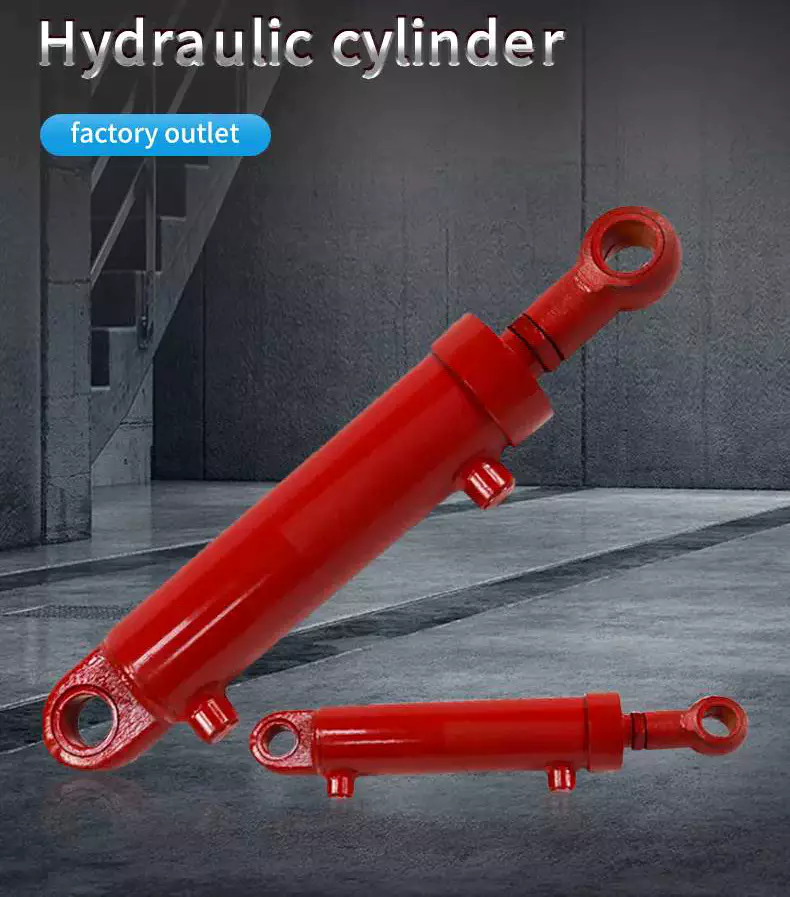
油圧シリンダーは、重機においてどのようにしてスムーズで安定した動作を保証するのでしょうか?
油圧シリンダーは、重機のスムーズで安定した動作を確保する上で重要な役割を果たします。その設計と動作により、重荷重の動きを正確に制御することができ、効率的で信頼性の高い性能を実現します。ここでは、油圧シリンダーが重機のスムーズで安定した動作にどのように貢献しているかを詳しく説明します。
1. 作動油と圧力:
油圧シリンダーは、一般的にオイルなどの作動油を用いて力と動きを伝達します。作動油は油圧ポンプによって加圧され、シリンダー内部のピストンに作用する力を生み出します。作動油の圧力は精密に制御できるため、重機を滑らかかつ段階的に動かすことができます。作動油は非圧縮性であるため、力が均等に分散され、一貫性のある予測可能な動きを実現します。
2. ピストンとシリンダーの設計:
油圧シリンダーは、スムーズな動作を確保するために精密に設計されています。ピストンとシリンダーボアは厳しい公差で加工されており、摩擦を低減し、内部漏れを最小限に抑えています。ピストンとシリンダー壁のこの精密な嵌合により、ガタつきや急激な速度変化のない、安定した動作が維持されます。さらに、高品質のシールと潤滑剤を使用することで、シリンダーのスムーズな動作がさらに向上します。
3. 制御弁と流量制御:
油圧システムには、シリンダーへの作動油の流入と流出を制御する制御弁が組み込まれています。これらの弁により、シリンダーの動きの速度と方向を正確に制御できます。流量を調整することで、オペレーターは重機のスムーズで制御された動作を実現し、急な始動や停止を回避できます。流量制御弁は速度調整も可能にし、負荷や運転条件が変化する場合でも、安定した動作を保証します。
4. クッション性と減衰性:
油圧シリンダーには、重機の動作中に発生する衝撃を吸収し、衝撃を最小限に抑えるための緩衝機構を装備することができます。緩衝機構は、シリンダー内に特殊なバルブまたは調整可能なオリフィスを組み込むことで実現されます。これらのバルブまたはオリフィスは、ストロークの終端付近で作動油の流れを制限します。この緩やかな減速により、急激な衝撃や振動を防ぎ、スムーズで安定した動作を維持するとともに、機械本体とその構成部品への負荷を軽減します。
5. 負荷分散:
油圧シリンダーは、負荷のバランスを取り、力を均等に分散するように設計・配置することができます。複数のシリンダーを並列または直列に配置することで、重機はバランスの取れた動作を実現し、不均一な応力を防ぎ、スムーズな動作を確保できます。負荷バランスは、部品の故障リスクを最小限に抑え、機械全体の安定性と寿命を向上させる効果もあります。
6. フィードバックおよび制御システム:
高度な油圧システムは、フィードバックセンサーと制御システムを組み込んで、重機の動きを監視・調整します。これらのセンサーは、油圧シリンダーの位置、速度、および作動力に関するリアルタイム情報を提供します。制御システムはこのデータを処理し、それに応じて作動油の流れを調整することで、スムーズで安定した動作を維持します。フィードバックシステムと制御システムは、シリンダーの動作を継続的に監視・制御することで、正確で信頼性の高い動作制御を実現します。
7. メンテナンスとサービス:
重機における油圧シリンダーのスムーズで安定した動作を確保するには、定期的なメンテナンスと点検が不可欠です。適切な潤滑、シールの点検、摩耗部品の交換は、最適な性能を維持するのに役立ちます。フィルター交換や作動油分析などの予防保全も、油圧システムの長寿命化と信頼性向上に貢献し、長期にわたる安定した動作を保証します。
要約すると、油圧シリンダーは、作動油と圧力、精密なピストンとシリンダーの設計、制御弁と流量制御、緩衝・減衰機構、負荷バランス、フィードバック・制御システム、そして定期的なメンテナンスと点検を通じて、重機のスムーズで安定した動作を保証します。これらの特長を活用することで、油圧シリンダーは、重荷重を扱うために必要な力と制御を提供し、正確で信頼性の高い動作を維持することで、様々な産業用途における重機の全体的な性能と生産性を向上させます。
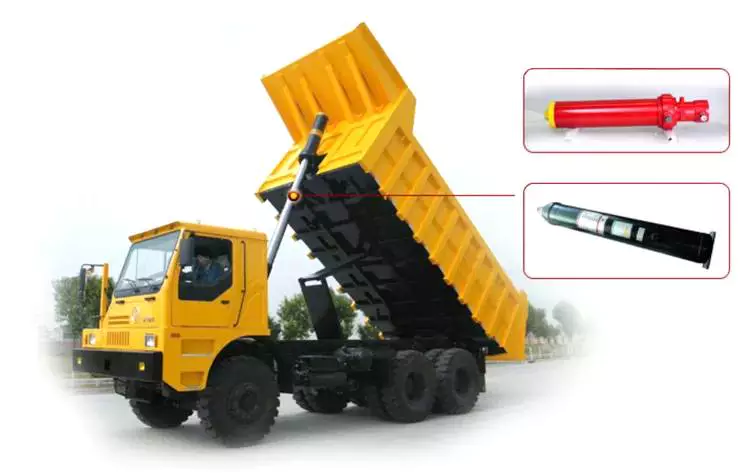
Advancements in Hydraulic Cylinder Technology Improving Corrosion Resistance
Advancements in hydraulic cylinder technology have led to significant improvements in corrosion resistance. Corrosion is a major concern in hydraulic systems, especially in environments where cylinders are exposed to moisture, chemicals, or corrosive agents. These advancements aim to enhance the durability and longevity of hydraulic cylinders. Let’s explore some of the key advancements in hydraulic cylinder technology that have improved corrosion resistance:
- Corrosion-Resistant Materials: The use of corrosion-resistant materials is a fundamental advancement in hydraulic cylinder technology. Stainless steel, for example, offers excellent resistance to corrosion, making it a popular choice in marine, offshore, and other corrosive environments. Additionally, advancements in metallurgy have led to the development of specialized alloys and coatings that provide enhanced corrosion resistance, extending the lifespan of hydraulic cylinders.
- Surface Treatments and Coatings: Various surface treatments and coatings have been developed to protect hydraulic cylinders from corrosion. These treatments can include electroplating, galvanizing, powder coating, and specialized corrosion-resistant coatings. These coatings create a barrier between the cylinder surface and corrosive elements, preventing direct contact and inhibiting the onset of corrosion. The selection of appropriate coatings depends on the specific application and environmental conditions.
- Sealing Technology: Effective sealing systems are crucial in preventing water, moisture, and contaminants from entering the cylinder and causing corrosion. Advancements in sealing technology have led to the development of high-quality seals and advanced sealing designs that offer superior resistance to corrosion. These seals are typically made from materials specifically engineered to withstand corrosive environments, ensuring long-term sealing performance and minimizing the risk of corrosion-related issues.
- Improved Surface Finishes: The surface finish of hydraulic cylinders plays a role in their resistance to corrosion. Advancements in machining and polishing techniques have allowed for smoother and more uniform surface finishes. Smoother surfaces reduce the likelihood of corrosion initiation and make it easier to clean and maintain hydraulic cylinders. Additionally, specialized finishes, such as passivation or chemical treatments, can be applied to further enhance corrosion resistance.
- Environmental Protection Features: Hydraulic cylinders can be equipped with additional features to protect against corrosion. These features may include protective boots, bellows, or shields that guard vulnerable areas from exposure to corrosive agents. By incorporating these protective elements into the design, hydraulic cylinders can withstand harsh environments and minimize the risk of corrosion-related damage.
In summary, advancements in hydraulic cylinder technology have significantly improved corrosion resistance. The use of corrosion-resistant materials, advanced surface treatments and coatings, innovative sealing technology, improved surface finishes, and the incorporation of environmental protection features have all contributed to enhanced durability and longevity of hydraulic cylinders in corrosive environments. These advancements ensure reliable performance and reduce the maintenance and replacement costs associated with corrosion-related issues.
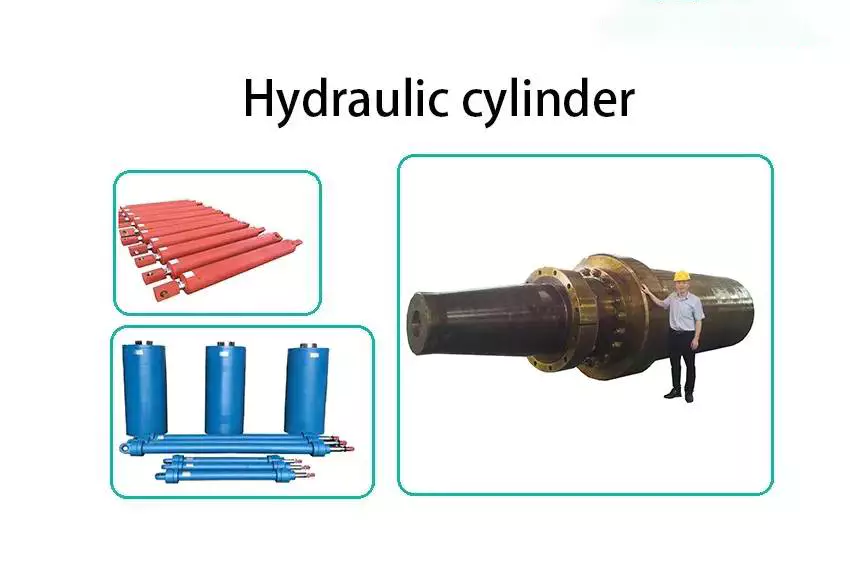
How do hydraulic cylinders handle variations in load and pressure during operation?
Hydraulic cylinders are designed to handle variations in load and pressure during operation, making them versatile and efficient in various applications. Hydraulic systems use the principle of transmitting force through incompressible fluid to generate linear motion. Here’s a detailed explanation of how hydraulic cylinders handle variations in load and pressure:
1. Load Handling:
– Hydraulic cylinders are capable of handling different loads by utilizing the principle of Pascal’s law. According to Pascal’s law, when pressure is applied to a fluid in a confined space, the pressure is transmitted equally in all directions. In a hydraulic cylinder, the force applied to the piston results in an equal force output at the rod end of the cylinder. The size of the piston and the pressure exerted determine the force generated by the cylinder. Therefore, hydraulic cylinders can handle a wide range of loads by adjusting the pressure applied to the fluid.
2. Pressure Compensation:
– Hydraulic systems incorporate pressure compensation mechanisms to handle variations in pressure during operation. Pressure compensating valves or regulators are often used to maintain a consistent pressure in the hydraulic system, regardless of load changes. These valves automatically adjust the flow rate or pressure to ensure stable and controlled operation of the hydraulic cylinder. By compensating for pressure variations, hydraulic cylinders can maintain a consistent force output and prevent damage or instability due to excessive pressure.
3. Control Valves:
– Control valves play a crucial role in managing variations in pressure and load during hydraulic cylinder operation. Directional control valves, such as spool valves or poppet valves, control the flow of hydraulic fluid into and out of the cylinder, enabling precise control of the cylinder’s extension and retraction. By adjusting the position of the control valve, the speed and force exerted by the hydraulic cylinder can be regulated to match the load and pressure requirements of the application. Control valves allow for efficient handling of variations in load and pressure by providing fine-tuned control over the hydraulic system.
4. Accumulators:
– Hydraulic accumulators are often used to handle fluctuations in pressure and load. Accumulators store hydraulic fluid under pressure, which can be released or absorbed as needed to compensate for sudden changes in load or pressure. When the load on the hydraulic cylinder decreases, the accumulator releases stored fluid to maintain pressure and prevent pressure spikes. Conversely, when the load on the cylinder increases, the accumulator absorbs excess fluid to maintain system stability. By utilizing accumulators, hydraulic cylinders can effectively handle variations in load and pressure, ensuring smooth and controlled operation.
5. Feedback and Control Systems:
– Advanced hydraulic systems may incorporate feedback and control systems to monitor and adjust the operation of hydraulic cylinders in real-time. Position sensors or pressure sensors provide feedback on the cylinder’s position, force, and pressure, allowing the control system to make continuous adjustments to optimize performance. These systems can automatically adapt to variations in load and pressure, ensuring precise control and efficient operation of the hydraulic cylinder.
6. Design Considerations:
– Proper design considerations, such as selecting the appropriate cylinder size, piston diameter, and rod diameter, are essential for handling variations in load and pressure. The design should account for the maximum anticipated load and pressure conditions to ensure the hydraulic cylinder operates within its specified range. Additionally, the selection of suitable seals, materials, and components that can withstand the anticipated load and pressure variations is crucial for maintaining the reliability and longevity of the hydraulic cylinder.
By utilizing the principles of hydraulic systems, incorporating pressure compensation mechanisms, employing control valves and accumulators, and implementing feedback and control systems, hydraulic cylinders can effectively handle variations in load and pressure during operation. These features and design considerations allow hydraulic cylinders to adapt and perform optimally in a wide range of applications and operating conditions.


editor by CX 2023-10-30
 Japanese
  English
  Italian
  Portuguese
  Dutch
Dutch  Swedish
  Danish
  Finnish
  Polish
  Hindi
Hindi  Kazakh
  Turkish
  Ukrainian
  Romanian
  Spanish
  German
  Russian
  Korean
  Vietnamese
  Thai
Thai  Indonesian
  Malay
Malay  French
  Greek
Greek