
Mô tả sản phẩm
Product introduction
CAT excavator hydraulic cylinder bucket
| Working temperature | -40°C ~ 80°C |
| Color | RAL9005,Customize |
| Vật liệu | CK45,ST52,ST52-3,27SiMn,Customize |
| Seal kit | SKF, Trelleborg, Halite, Chesterton, NOK, Kayaba |
| Piston rod | Hard chromed |
| Bao bì | Plywood case |
| Warranty | 12 months |
| Payment | T/T |
Advantage
Better designs, better material, better value.
ROCA hydraulic cylinders are designed with rugged features to give unequaled service life and performance.
Mining equipment is continually subjected to torturous conditions that punish hydraulic cylinders. These difficult conditions include dust, grit, heat, cold, and moisture. Besides, the equipment is subject to slamming loads and mechanical impacts.
ROCA designs and manufactures excavators, dumper trucks, and heavy-duty hydraulic cylinders that endure these very difficult conditions.
Show
Part No.
| CAT 330C | |
| Part Name | Part No. |
| Boom cylinder | 1915548 |
| Stick cylinder | 1915551 |
| D family Bucket cylinder | 1772465 |
| E family Bucket cylinder | 1915554 |
Part size
| CAT 330C | ||
| Boom cylinder – bore | 150 mm | 5.91 in |
| Boom cylinder – rod | 105 mm | 4.13 in |
| Boom cylinder – stroke | 1440 mm | 57 in |
| Stick cylinder – bore | 170 mm | 6.69 in |
| Stick cylinder – rod | 115 mm | 4.53 in |
| Stick cylinder – stroke | 1738 mm | 68 in |
| D family Bucket cylinder – bore | 150 mm | 5.91 in |
| D family Bucket cylinder – rod | 105 mm | 4.13 |
| D family Bucket cylinder – stroke | 1156 mm | 45.51in |
| E family Bucket cylinder – bore | 160 mm | 6.3 in |
| E family Bucket cylinder – rod | 110 mm | 4.33 in |
| E family Bucket cylinder – stroke | 1356 mm | 53 in |
Company introduction
HangZhou CHINAMFG is a comprehensive manufacturing enterprise engaged in hydraulic cylinders, excavator attachment, metal casting, hydraulic components with certification approval to meet custom or OEM requirements.
ROCA owned factory offers customers effective-cost products with quality assurance. With its professional and experienced R&D team, CHINAMFG Hydraulic devotes itself to research and development to optimize products applied in construction, mining, waster management, forestry, agriculture, etc.
Hydraulic cylinders are the most effective and efficient method of pushing, pulling, lifting, and lowering.
Nowadays hydraulic cylinders play an essential role in daily application and industry:
√ Mining
√ Earthmoving & Construction
√ Agriculture &Forestry
√Waste Management & Material Handing
√Ship crane & offshore
Selecting the right cylinders for an application is critical in obtaining maximum performance and reliability.
ROCA team takes all your concerns into consideration to suit your hydraulic cylinder requirements.
Together, we work out the best design solution for your application.
FAQ
Q1.Do you have MOQ?
Depending on different ideas, Can be negotiated. The larger the quantity is, the competitive the unit price will be.
Q2.Should the customer pay the delivery fee, How much is it?
For the delivery fee, many samples are being requested to be sent, so we must get the delivery fee.
If you tell me to use the appointed Express, you will give me your express account or you will pay according to the Express.
If you do not request, I will choose a cheap one in China.
Q3.How about the after sale service?
1) We will always keep the quality the same as the buyer’s samples and if there is something with the quality, we will make compensation for our customers.
2) We will suggest our packing and take charge in our packing, we will keep the goods safe in the delivery.
3) We will trace the goods from the production to selling, we will solve the problems in the selling for our customers.
Q4.When can I get a price?
We usually quote within 24 hours after we get your inquiry.
Q5: Are you a trade company or manufacturer?
We are a professional manufacturer with our own factory.
| After-sales Service: | Na Office, European Dealer |
|---|---|
| Warranty: | 12 Months |
| Type: | Excavator Cylinder |
| Customization: | Available |
|
|---|
.shipping-cost-tm .tm-status-off{background: none;padding:0;color: #1470cc}
| Shipping Cost: Estimated freight per unit. | about shipping cost and estimated delivery time. |
|---|
| Payment Method: |
|
|---|---|
| Initial Payment Full Payment |
| Currency: | US$ |
|---|
| Return&refunds: | You can apply for a refund up to 30 days after receipt of the products. |
|---|
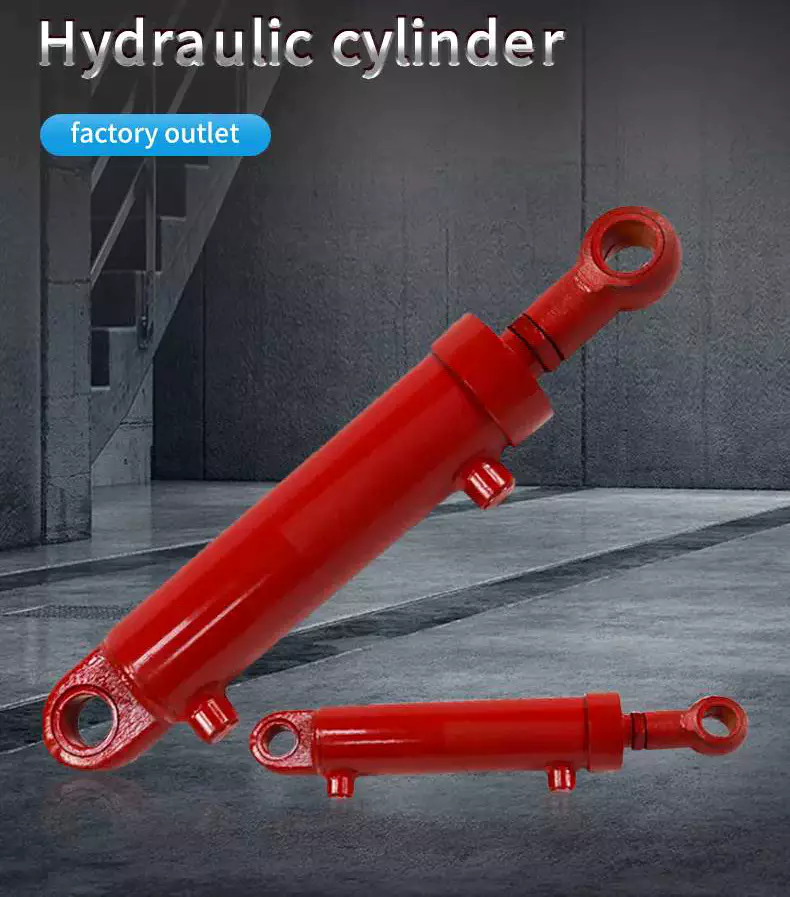
How do hydraulic cylinders ensure smooth and consistent movement in heavy machinery?
Hydraulic cylinders play a vital role in ensuring smooth and consistent movement in heavy machinery. Their design and operation allow for precise control over the motion of heavy loads, resulting in efficient and reliable performance. Here’s a detailed explanation of how hydraulic cylinders contribute to smooth and consistent movement in heavy machinery:
1. Hydraulic Fluid and Pressure:
– Hydraulic cylinders operate by utilizing hydraulic fluid, typically oil, to transmit force and motion. The fluid is pressurized by a hydraulic pump, creating a force that acts on the piston inside the cylinder. The pressure of the hydraulic fluid can be precisely controlled, allowing for smooth and gradual movement of heavy machinery. The fluid’s incompressibility ensures that the force is evenly distributed, resulting in consistent and predictable motion.
2. Piston and Cylinder Design:
– Hydraulic cylinders are designed with precision to ensure smooth movement. The piston and cylinder bore are machined to tight tolerances, reducing friction and minimizing internal leakage. This precise fit between the piston and cylinder walls helps maintain consistent motion without jerks or sudden changes in speed. Additionally, the use of high-quality seals and lubrication further enhances the smooth operation of the cylinder.
3. Control Valves and Flow Control:
– Hydraulic systems incorporate control valves that regulate the flow of hydraulic fluid into and out of the cylinder. These valves allow for precise control over the speed and direction of the cylinder’s movement. By adjusting the flow rate, operators can achieve smooth and controlled motion of heavy machinery, avoiding sudden starts or stops. Flow control valves also enable speed adjustment, ensuring consistent movement even under varying loads or operating conditions.
4. Cushioning and Damping:
– Hydraulic cylinders can be equipped with cushioning mechanisms to absorb shock and minimize impacts during the movement of heavy machinery. Cushioning is achieved by incorporating specialized valves or adjustable orifices in the cylinder, which restrict the flow of hydraulic fluid near the end of the stroke. This gradual deceleration helps prevent sudden jolts or vibrations, maintaining smooth and consistent movement while reducing stress on the machinery and its components.
5. Load Balancing:
– Hydraulic cylinders can be designed and arranged in a system to balance the load and distribute forces evenly. By utilizing multiple cylinders in parallel or series configurations, heavy machinery can achieve balanced movement, preventing uneven stress and ensuring smooth operation. Load balancing also helps minimize the risk of component failure and enhances the overall stability and longevity of the machinery.
6. Feedback and Control Systems:
– Advanced hydraulic systems incorporate feedback sensors and control systems to monitor and adjust the movement of heavy machinery. These sensors provide real-time information about the position, speed, and force exerted by the hydraulic cylinders. The control system processes this data and adjusts the flow of hydraulic fluid accordingly to maintain smooth and consistent movement. By continuously monitoring and regulating the cylinder’s operation, feedback and control systems contribute to precise and reliable motion control.
7. Maintenance and Servicing:
– Regular maintenance and servicing of hydraulic cylinders are essential to ensure their smooth and consistent movement in heavy machinery. Proper lubrication, inspection of seals, and replacement of worn-out components help maintain optimal performance. Preventive maintenance practices, such as filter replacements and fluid analysis, also contribute to the longevity and reliability of hydraulic systems, ensuring consistent movement over time.
In summary, hydraulic cylinders ensure smooth and consistent movement in heavy machinery through the use of hydraulic fluid and pressure, precise piston and cylinder design, control valves and flow control, cushioning and damping mechanisms, load balancing, feedback and control systems, and regular maintenance and servicing. By leveraging these features, hydraulic cylinders provide the necessary force and control to handle heavy loads while maintaining precise and reliable motion, enhancing the overall performance and productivity of heavy machinery in various industrial applications.
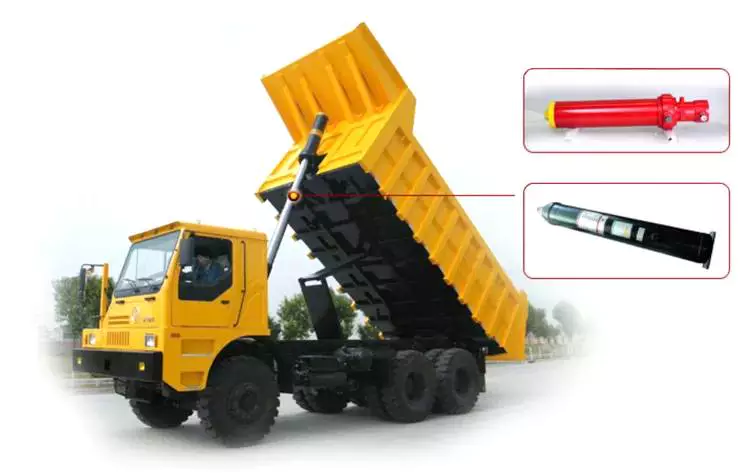
Những tiến bộ trong công nghệ xi lanh thủy lực giúp cải thiện khả năng chống ăn mòn
Những tiến bộ trong công nghệ xi lanh thủy lực đã dẫn đến những cải thiện đáng kể về khả năng chống ăn mòn. Ăn mòn là một mối quan ngại lớn trong các hệ thống thủy lực, đặc biệt là trong môi trường mà xi lanh tiếp xúc với độ ẩm, hóa chất hoặc các tác nhân ăn mòn. Những tiến bộ này nhằm mục đích nâng cao độ bền và tuổi thọ của xi lanh thủy lực. Hãy cùng tìm hiểu một số tiến bộ quan trọng trong công nghệ xi lanh thủy lực đã cải thiện khả năng chống ăn mòn:
- Vật liệu chống ăn mòn: Việc sử dụng vật liệu chống ăn mòn là một bước tiến cơ bản trong công nghệ xi lanh thủy lực. Ví dụ, thép không gỉ có khả năng chống ăn mòn tuyệt vời, trở thành lựa chọn phổ biến trong môi trường hàng hải, ngoài khơi và các môi trường ăn mòn khác. Ngoài ra, những tiến bộ trong luyện kim đã dẫn đến sự phát triển của các hợp kim và lớp phủ chuyên dụng giúp tăng cường khả năng chống ăn mòn, kéo dài tuổi thọ của xi lanh thủy lực.
- Xử lý bề mặt và lớp phủ: Nhiều phương pháp xử lý bề mặt và lớp phủ đã được phát triển để bảo vệ xi lanh thủy lực khỏi bị ăn mòn. Các phương pháp xử lý này có thể bao gồm mạ điện, mạ kẽm, sơn tĩnh điện và các lớp phủ chống ăn mòn chuyên dụng. Các lớp phủ này tạo ra một lớp chắn giữa bề mặt xi lanh và các tác nhân ăn mòn, ngăn chặn sự tiếp xúc trực tiếp và ức chế sự bắt đầu của quá trình ăn mòn. Việc lựa chọn lớp phủ phù hợp phụ thuộc vào ứng dụng cụ thể và điều kiện môi trường.
- Công nghệ niêm phong: Hệ thống làm kín hiệu quả đóng vai trò rất quan trọng trong việc ngăn nước, hơi ẩm và chất gây ô nhiễm xâm nhập vào xi lanh và gây ăn mòn. Những tiến bộ trong công nghệ làm kín đã dẫn đến sự phát triển của các loại gioăng chất lượng cao và các thiết kế gioăng tiên tiến, mang lại khả năng chống ăn mòn vượt trội. Các loại gioăng này thường được làm từ các vật liệu được thiết kế đặc biệt để chịu được môi trường ăn mòn, đảm bảo hiệu suất làm kín lâu dài và giảm thiểu rủi ro liên quan đến ăn mòn.
- Cải thiện độ hoàn thiện bề mặt: Bề mặt hoàn thiện của xi lanh thủy lực đóng vai trò quan trọng trong khả năng chống ăn mòn của chúng. Những tiến bộ trong kỹ thuật gia công và đánh bóng đã cho phép tạo ra bề mặt hoàn thiện mịn hơn và đồng đều hơn. Bề mặt mịn hơn làm giảm khả năng bắt đầu ăn mòn và giúp việc làm sạch và bảo trì xi lanh thủy lực dễ dàng hơn. Ngoài ra, các phương pháp hoàn thiện chuyên biệt, chẳng hạn như thụ động hóa hoặc xử lý hóa học, có thể được áp dụng để tăng cường hơn nữa khả năng chống ăn mòn.
- Đặc điểm bảo vệ môi trường: Xi lanh thủy lực có thể được trang bị thêm các tính năng bảo vệ chống ăn mòn. Các tính năng này có thể bao gồm các lớp bọc bảo vệ, ống xếp hoặc tấm chắn bảo vệ các khu vực dễ bị tổn thương khỏi tác nhân ăn mòn. Bằng cách tích hợp các yếu tố bảo vệ này vào thiết kế, xi lanh thủy lực có thể chịu được môi trường khắc nghiệt và giảm thiểu nguy cơ hư hỏng do ăn mòn.
Tóm lại, những tiến bộ trong công nghệ xi lanh thủy lực đã cải thiện đáng kể khả năng chống ăn mòn. Việc sử dụng vật liệu chống ăn mòn, các phương pháp xử lý bề mặt và lớp phủ tiên tiến, công nghệ làm kín cải tiến, lớp hoàn thiện bề mặt được nâng cao và việc tích hợp các tính năng bảo vệ môi trường đều góp phần tăng cường độ bền và tuổi thọ của xi lanh thủy lực trong môi trường ăn mòn. Những tiến bộ này đảm bảo hiệu suất đáng tin cậy và giảm chi phí bảo trì và thay thế liên quan đến các vấn đề ăn mòn.
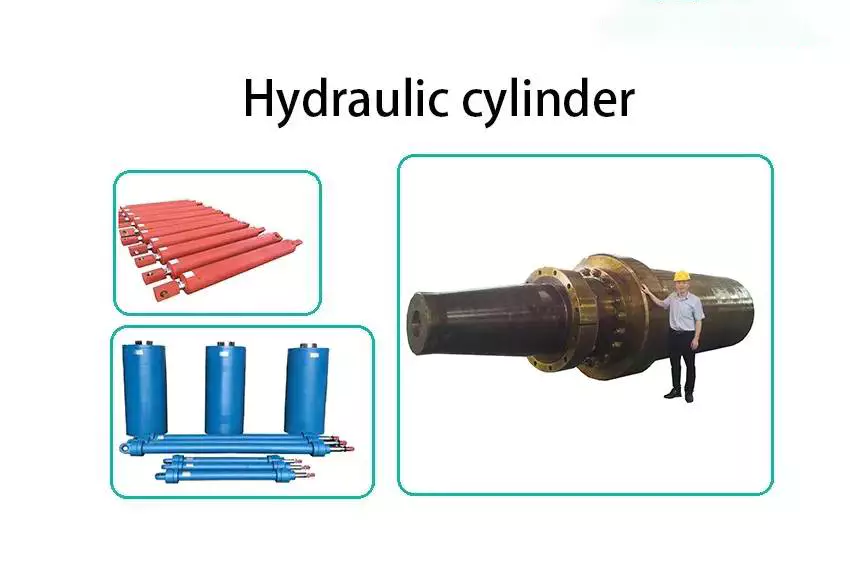
How do hydraulic cylinders handle variations in load and pressure during operation?
Hydraulic cylinders are designed to handle variations in load and pressure during operation, making them versatile and efficient in various applications. Hydraulic systems use the principle of transmitting force through incompressible fluid to generate linear motion. Here’s a detailed explanation of how hydraulic cylinders handle variations in load and pressure:
1. Load Handling:
– Hydraulic cylinders are capable of handling different loads by utilizing the principle of Pascal’s law. According to Pascal’s law, when pressure is applied to a fluid in a confined space, the pressure is transmitted equally in all directions. In a hydraulic cylinder, the force applied to the piston results in an equal force output at the rod end of the cylinder. The size of the piston and the pressure exerted determine the force generated by the cylinder. Therefore, hydraulic cylinders can handle a wide range of loads by adjusting the pressure applied to the fluid.
2. Pressure Compensation:
– Hydraulic systems incorporate pressure compensation mechanisms to handle variations in pressure during operation. Pressure compensating valves or regulators are often used to maintain a consistent pressure in the hydraulic system, regardless of load changes. These valves automatically adjust the flow rate or pressure to ensure stable and controlled operation of the hydraulic cylinder. By compensating for pressure variations, hydraulic cylinders can maintain a consistent force output and prevent damage or instability due to excessive pressure.
3. Control Valves:
– Control valves play a crucial role in managing variations in pressure and load during hydraulic cylinder operation. Directional control valves, such as spool valves or poppet valves, control the flow of hydraulic fluid into and out of the cylinder, enabling precise control of the cylinder’s extension and retraction. By adjusting the position of the control valve, the speed and force exerted by the hydraulic cylinder can be regulated to match the load and pressure requirements of the application. Control valves allow for efficient handling of variations in load and pressure by providing fine-tuned control over the hydraulic system.
4. Accumulators:
– Hydraulic accumulators are often used to handle fluctuations in pressure and load. Accumulators store hydraulic fluid under pressure, which can be released or absorbed as needed to compensate for sudden changes in load or pressure. When the load on the hydraulic cylinder decreases, the accumulator releases stored fluid to maintain pressure and prevent pressure spikes. Conversely, when the load on the cylinder increases, the accumulator absorbs excess fluid to maintain system stability. By utilizing accumulators, hydraulic cylinders can effectively handle variations in load and pressure, ensuring smooth and controlled operation.
5. Feedback and Control Systems:
– Advanced hydraulic systems may incorporate feedback and control systems to monitor and adjust the operation of hydraulic cylinders in real-time. Position sensors or pressure sensors provide feedback on the cylinder’s position, force, and pressure, allowing the control system to make continuous adjustments to optimize performance. These systems can automatically adapt to variations in load and pressure, ensuring precise control and efficient operation of the hydraulic cylinder.
6. Design Considerations:
– Proper design considerations, such as selecting the appropriate cylinder size, piston diameter, and rod diameter, are essential for handling variations in load and pressure. The design should account for the maximum anticipated load and pressure conditions to ensure the hydraulic cylinder operates within its specified range. Additionally, the selection of suitable seals, materials, and components that can withstand the anticipated load and pressure variations is crucial for maintaining the reliability and longevity of the hydraulic cylinder.
By utilizing the principles of hydraulic systems, incorporating pressure compensation mechanisms, employing control valves and accumulators, and implementing feedback and control systems, hydraulic cylinders can effectively handle variations in load and pressure during operation. These features and design considerations allow hydraulic cylinders to adapt and perform optimally in a wide range of applications and operating conditions.


editor by CX 2023-10-30
 Vietnamese
  English
  Italian
  Portuguese
  Dutch
Dutch  Swedish
  Danish
  Finnish
  Polish
  Hindi
Hindi  Kazakh
  Turkish
  Ukrainian
  Romanian
  Spanish
  German
  Russian
  Korean
  Japanese
  Thai
Thai  Indonesian
  Malay
Malay  French
  Greek
Greek