
Productbeschrijving
Factory Provide Professional Customized Steering Hydraulic Cylinder for Mining Dump Truck
Product Specificaties:
| Item | Specificaties |
| Boringdiameter | 60mm~250mm |
| Bod diameter | 40mm~130mm |
| Hartinfarct | 40mm~500mm |
| Woorking Pressure | 17-45Mpa,Customizable |
| Oppervlaktebehandeling van de zuigerstang | Hard verchromen, galvanisch melkwit chroom + hard chroom, vernikkelen + hard verchromen, hogesnelheids-zuurstof-brandstof CrC NiC, keramische coating, nitreren, laserbekleding |
| Materiaal | Koudgetrokken buis met hoge treksterkte, nauwkeurig geslepen voor een langere levensduur van de afdichting. |
| Montage | Oorbel, flens, klem, voet, draaipunt, aanpasbaar |
| Afdichtingstype | Parker,NOK, Hallite GAPI or as customer’s requirement |
| Garantie | 18 maanden |
| MOQ | 1pcs |
| Productietijd | Afhankelijk van de bestelhoeveelheid, normaal gesproken 30-40 dagen. |
| Certificering | ISO9001, CE, SGS |
| Color | Gery,Yellow,Red,Black,Customizable |
| Verpakking | metalen kist, multiplex kist, karton of naar wens |
| Dienst | OEM & ODM |
| Prijsvoordeel | Concurrerende fabrieksprijs met gegarandeerde kwaliteit. |
| Bedrijfstype | Fabrikant |
Productweergave:
Montagemethode:
Toepassingen: Mining Machinery,Small Mining Dump Truck.
Other Related Products:
Onze fabriek:
Inspectieproces:
| Inspectietype | Inspectienorm |
| Grondstoffeninspectie | Voordat de grondstoffen worden opgeslagen, meet de kwaliteitscontrole (QC) de afmetingen ervan. |
| Procesmateriaalinspectie | Tijdens de productie voeren kwaliteitscontroleurs steekproefsgewijs inspecties uit. Voordat de onderdelen van de hydraulische cilinder naar het volgende proces worden overgebracht, worden ze door de kwaliteitscontroleurs geïnspecteerd. |
| Eindfunctie testen | Alle hydraulische cilinders ondergaan een hydraulische functietest. |
Inspectie van de mechanische eigenschappen van grondstoffen
Process Inspection
Final Testing
Verpakking en levering:
Over ons:
Ons certificaat
Our Customers
ZheJiang Tianjian hydraulische technologie Co., Ltd is Wij zijn gespecialiseerd in de productie van diverse soorten hydraulische cilinders, evenals cilinderbussen, zuigercilinders en andere cilinderaccessoires.
Als zeer gespecialiseerde fabrikant van hydraulische cilinders levert Tianjian oplossingen voor ontwerpoptimalisatie en betrouwbare producten aan vele klanten in binnen- en buitenland. Of het nu gaat om bouwmachines, spoorwegbrugmachines, havenschepen, metaal- en mijnbouwmachines, olie- en lichte industriemachines, speciale voertuigen of andere sectoren, Tianjian kan diverse standaard en niet-standaard ontwerpoptimalisaties voor hydraulische cilinders en producten leveren op basis van de eisen van de gebruiker, en geïntegreerde diensten bieden voor perfectie en kwaliteit.
Indien mogelijk, verzoeken wij u bij contact met ons de onderstaande gegevens te verstrekken.
Boring | Hengel | Hartinfarct | Werkdruk | Montage | Werkomgeving |
|
|
|
|
|
|
Of u kunt ons een schets of foto's sturen, zodat we uw bedoeling precies begrijpen en fouten kunnen voorkomen.
En als u monsters heeft, kunnen we produceren volgens uw monsters nadat u ze naar ons heeft opgestuurd.
U bent van harte welkom in onze fabriek als u tijd heeft.
Uw tevredenheid is onze grootste drijfveer.
U kunt nu contact met ons opnemen voor al uw vragen of opmerkingen.
Veelgestelde vragen:
1. Wat doet uw bedrijf?
A: Wij zijn een leverancier van hoogwaardige hydraulische producten, waaronder hydraulische cilinders, hydraulische motoren, hydraulische aggregaten, hydraulische stations en andere hydraulische componenten.
2. Bent u een fabrikant of een handelsonderneming?
A: Wij zijn een fabrikant.
3. Welk certificaat heb je?
A: Al onze fabrieken zijn ISO-gecertificeerd. En onze belangrijkste leveranciers van materialen en onderdelen beschikken over CE-, RoHS-, CSA- en UL-certificaten.
4. Hoe lang is jullie levertijd?
A: De levertijd is afhankelijk van de verschillende producten en de hoeveelheid. Een cilinder heeft doorgaans 45-60 dagen nodig en een motor 30-50 dagen.
5. Kunt u onderdelen maken volgens de specificaties of tekening van de klant?
A: Ja, we kunnen producten voor u produceren volgens uw tekeningen. Onze technici kunnen u ook professionele ondersteuning bieden met technisch advies.
6. Welke betalingsvoorwaarden accepteert u?
A: Wij geven de voorkeur aan T/T via de bank. 30% bij orderbevestiging en 70% vóór verzending. L/C is ook acceptabel voor bedragen boven de 20.000 USD.
7. Wat is uw garantiebeleid?
A: Al onze producten hebben een garantie van 1 jaar vanaf de leveringsdatum tegen materiaal- en fabricagefouten. Deze garantie dekt geen onderdelen die door normaal gebruik versleten zijn of door nalatigheid beschadigd zijn. We willen u er nadrukkelijk op wijzen dat vervuilde hydraulische olie uw hydraulische componenten zeker zal beschadigen. Deze schade valt niet onder de garantie. Daarom raden we u ten zeerste aan om nieuwe, schone olie te gebruiken of ervoor te zorgen dat de systeemolie schoon is wanneer u onze onderdelen gebruikt.
/* May 10, 2571 16:49:51 */!function(){function d(e,r){var a,o={};try{e&&e.split(“,”).forEach(function(e,t){e&&(a=e.match(/(.*?):(.*)$/))&&1
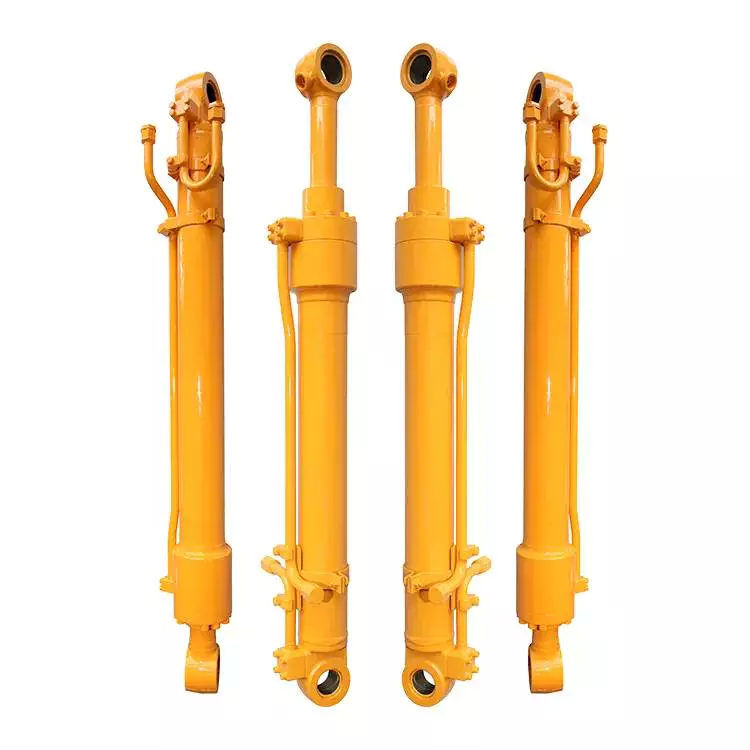
Kunnen hydraulische cilinders achteraf op bestaande apparatuur worden gemonteerd om de functionaliteit te verbeteren?
Ja, hydraulische cilinders kunnen achteraf op bestaande apparatuur worden gemonteerd om de functionaliteit en prestaties te verbeteren. Het achteraf monteren van hydraulische cilinders op bestaande machines of apparatuur biedt verschillende voordelen, waaronder meer vermogen, betere controle, verhoogde precisie en veelzijdigheid. Hieronder vindt u een gedetailleerde uitleg over hoe hydraulische cilinders achteraf op bestaande apparatuur kunnen worden gemonteerd voor verbeterde functionaliteit:
1. Verhoogd vermogen:
– Door hydraulische cilinders achteraf in te bouwen, kan hydraulisch vermogen aan bestaande apparatuur worden toegevoegd. Dankzij de integratie van hydraulische cilinders kan de apparatuur hogere krachten genereren en zwaardere lasten tillen. Dit verhoogde vermogen stelt de apparatuur in staat taken uit te voeren die voorheen moeilijk of onmogelijk waren. Zo kan een achteraf ingebouwde hydraulische cilinder op een kraan het hefvermogen vergroten en ervoor zorgen dat de kraan zwaardere lasten efficiënter kan tillen.
2. Verbeterde controle:
– Hydraulische cilinders bieden nauwkeurige controle over de beweging en positionering van apparatuur. Door hydraulische cilinders achteraf in te bouwen, krijgen operators betere controle over de snelheid, kracht en richting van de beweging. De toevoeging van hydraulische regelkleppen en een hydraulische krachtbron maakt een fijnafstelling van de werking van de apparatuur mogelijk. Verbeterde controle zorgt voor een veiligere en efficiëntere werking, vermindert het risico op schade en verhoogt de algehele productiviteit.
3. Verbeterde precisie:
– Het achteraf inbouwen van hydraulische cilinders op bestaande apparatuur kan de precisie en nauwkeurigheid aanzienlijk verbeteren. Hydraulische systemen bieden nauwkeurige controle over bewegingen, waardoor soepele en gecontroleerde bewegingen mogelijk zijn. Deze verbeterde precisie is gunstig in toepassingen waar precieze positionering of repetitieve bewegingen vereist zijn. Zo kan het achteraf inbouwen van hydraulische cilinders op een robotarm de nauwkeurigheid en herhaalbaarheid ervan verbeteren, waardoor deze beter geschikt wordt voor taken die een hoge precisie vereisen.
4. Veelzijdigheid en aanpassingsvermogen:
– Het achteraf inbouwen van hydraulische cilinders kan de veelzijdigheid en aanpasbaarheid van bestaande apparatuur vergroten. Hydraulische systemen kunnen eenvoudig worden geïntegreerd met diverse soorten machines, waardoor hydraulische energie voor verschillende toepassingen kan worden ingezet. Het modulaire karakter van hydraulische componenten vereenvoudigt het retrofitproces, waardoor de apparatuur een breder scala aan taken kan uitvoeren. Deze veelzijdigheid is met name voordelig in sectoren waar apparatuur zich moet aanpassen aan veranderende operationele eisen.
5. Retrofitkits en maatwerk:
Fabrikanten leveren vaak retrofitkits die alle benodigde componenten bevatten voor de integratie van hydraulische cilinders in bestaande apparatuur. Deze kits bestaan doorgaans uit hydraulische cilinders, montagebeugels, slangen, koppelingen, regelkleppen en andere benodigde accessoires. Retrofitkits vereenvoudigen het retrofitproces en garanderen compatibiliteit tussen de hydraulische componenten en de bestaande apparatuur. Daarnaast bieden fabrikanten vaak maatwerkopties om de retrofitoplossing af te stemmen op specifieke apparatuur en toepassingsbehoeften.
6. Kosteneffectieve oplossing:
– Het achteraf inbouwen van hydraulische cilinders in bestaande apparatuur kan een kosteneffectieve oplossing zijn in vergelijking met de aanschaf van nieuwe machines. Door gebruik te maken van de bestaande constructie en mechanische componenten van de apparatuur, kunnen de totale kosten van de upgrade worden verlaagd. Retrofitting minimaliseert ook de stilstandtijd, omdat de apparatuur niet volledig hoeft te worden vervangen. Bovendien kunnen de verbeterde functionaliteit en prestaties als gevolg van de retrofit leiden tot een hogere productiviteit en kostenbesparingen op de lange termijn.
7. Professionele installatie en expertise:
– Het achteraf inbouwen van hydraulische cilinders in bestaande apparatuur vereist vaak professionele installatie en expertise. Samenwerking met ervaren systeemintegratoren of fabrikanten van hydraulische systemen garandeert een correcte installatie, compatibiliteit en optimale prestaties van de retrofitoplossing. Deze professionals kunnen de bestaande apparatuur beoordelen, geschikte hydraulische componenten aanbevelen en het retrofitproces efficiënt uitvoeren. Hun kennis en expertise dragen bij aan de succesvolle integratie van hydraulische cilinders en de algehele verbetering van de functionaliteit van de apparatuur.
Samenvattend kunnen hydraulische cilinders inderdaad achteraf op bestaande apparatuur worden gemonteerd om de functionaliteit te verbeteren. Dit retrofitproces biedt voordelen zoals meer vermogen, betere controle, verhoogde precisie, veelzijdigheid, kosteneffectiviteit en de beschikbaarheid van retrofitkits en aanpassingsmogelijkheden. Door hydraulische cilinders achteraf te monteren, kan bestaande apparatuur worden geüpgraded om te voldoen aan veranderende operationele behoeften, de levensduur te verlengen en de algehele prestaties te verbeteren.
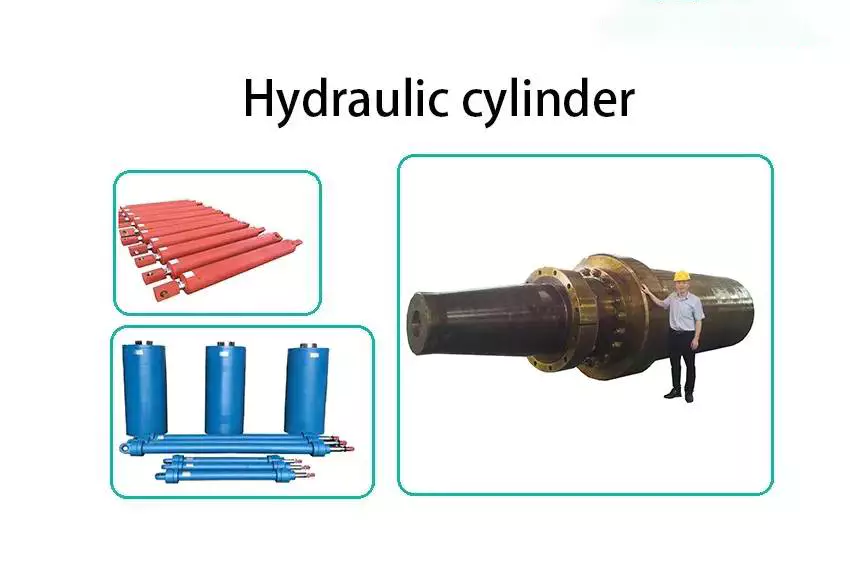
Adaptation of Hydraulic Cylinders for Medical Equipment and Aerospace Applications
Hydraulic cylinders have the potential to be adapted for use in medical equipment and aerospace applications, offering unique advantages in these industries. Let’s explore how hydraulic cylinders can be adapted for these specialized fields:
- Medical Equipment: Hydraulic cylinders can be adapted for various medical equipment applications, including hospital beds, patient lifts, surgical tables, and rehabilitation devices. Here’s how hydraulic cylinders are beneficial in medical equipment:
- Positioning and Adjustability: Hydraulic cylinders provide precise and smooth movement, allowing for accurate positioning and adjustments of medical equipment. This is crucial for ensuring patient comfort, proper alignment, and ease of use.
- Load Handling: Hydraulic cylinders offer high force capabilities, enabling the safe handling of heavy loads in medical equipment. They can support the weight of patients, facilitate smooth transitions, and provide stability during procedures.
- Controlled Motion: Hydraulic cylinders provide controlled and stable motion, which is essential for delicate medical procedures. The ability to adjust speed, position, and force allows for precise and controlled movements, minimizing patient discomfort and ensuring accurate treatment.
- Durability and Reliability: Hydraulic cylinders are designed to withstand rigorous use and demanding environments, making them suitable for medical equipment applications. Their durability and reliability contribute to the long-term performance and safety of medical devices.
- Aerospace Applications: Hydraulic cylinders can also be adapted for aerospace applications, where lightweight yet robust systems are essential. Here’s how hydraulic cylinders are advantageous in aerospace:
- Flight Control Systems: Hydraulic cylinders play a critical role in aircraft flight control systems, including ailerons, elevators, rudders, and landing gear. They provide precise and reliable actuation, allowing pilots to control the aircraft’s movements with accuracy and responsiveness.
- Weight Optimization: Hydraulic cylinders can be designed using lightweight materials, such as aluminum alloys or composite materials, to reduce overall weight. This weight optimization is crucial in aerospace applications to enhance fuel efficiency, payload capacity, and aircraft performance.
- Shock and Vibration Resistance: Aerospace environments involve significant shock and vibration forces. Hydraulic cylinders can be engineered to withstand these dynamic loads while maintaining performance and reliability, ensuring consistent operation even under extreme conditions.
- Space Constraints: Hydraulic cylinders can be designed to fit within the space constraints of aircraft or spacecraft. Their compact size and flexible mounting options allow for efficient integration into the limited available space.
In summary, hydraulic cylinders can be adapted for use in medical equipment and aerospace applications, leveraging their precise positioning, load handling capabilities, controlled motion, durability, and reliability. In medical equipment, hydraulic cylinders enable comfortable patient positioning, smooth transitions, and controlled movements during procedures. In aerospace, hydraulic cylinders provide precise actuation, weight optimization, shock and vibration resistance, and space-efficient solutions. By adapting hydraulic cylinders to these specialized fields, manufacturers can meet the unique requirements and enhance the performance of medical equipment and aerospace systems.
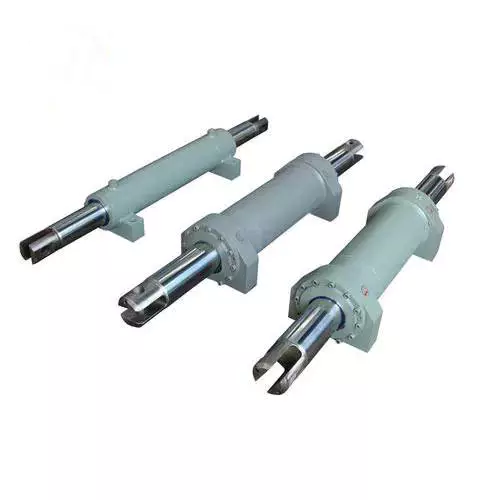
How do hydraulic cylinders ensure precise and controlled movement in equipment?
Hydraulic cylinders are widely used in various equipment and machinery to provide precise and controlled movement. They utilize hydraulic fluid and mechanical components to achieve accurate positioning, smooth operation, and reliable control. Here’s a detailed explanation of how hydraulic cylinders ensure precise and controlled movement in equipment:
1. Hydraulic Principle:
– Hydraulic cylinders operate based on Pascal’s law, which states that pressure exerted on a fluid is transmitted equally in all directions. The hydraulic fluid is contained within the cylinder, and when pressure is applied, it acts on the piston, generating force. By controlling the pressure and flow of hydraulic fluid, the movement of the cylinder can be precisely regulated, allowing for accurate and controlled motion.
2. Force and Load Management:
– Hydraulic cylinders are designed to handle specific loads and forces. The force generated by the hydraulic cylinder depends on the hydraulic pressure and the surface area of the piston. By adjusting the pressure, the force output can be controlled. This allows for precise management of the load and ensures that the cylinder can handle the required force without exerting excessive or insufficient force. Proper load management contributes to the precise and controlled movement of the equipment.
3. Control Valves:
– Control valves play a crucial role in regulating the flow and direction of hydraulic fluid within the cylinder. These valves allow operators to control the extension and retraction of the cylinder, adjust the speed of movement, and stop or hold the cylinder at any desired position. By manipulating the control valves, precise and controlled movement can be achieved, enabling operators to position equipment accurately and perform specific tasks with precision.
4. Flow Control:
– Hydraulic cylinders incorporate flow control valves to manage the rate of hydraulic fluid flow. These valves control the speed of the cylinder’s extension and retraction, allowing for smooth and controlled movement. By adjusting the flow rate, operators can precisely control the speed of the cylinder, ensuring that it moves at the desired rate without sudden or erratic movements. Flow control contributes to the overall precision and control of the equipment’s movement.
5. Position Sensing:
– To ensure precise movement, hydraulic cylinders can be equipped with position sensing devices such as linear transducers or proximity sensors. These sensors provide feedback on the position of the cylinder, allowing for accurate position control and closed-loop control systems. By continuously monitoring the position, the equipment’s movement can be controlled with high accuracy, enabling precise positioning and operation.
6. Proportional Control:
– Advanced hydraulic systems utilize proportional control technology, which allows for precise and fine-tuned control of the hydraulic cylinder’s movement. Proportional valves, often operated by electronic control systems, provide variable flow rates and pressure adjustments. This technology enables precise control of speed, force, and position, resulting in highly accurate and controlled movement of the equipment.
7. Cushioning and Damping:
– Hydraulic cylinders can incorporate cushioning and damping mechanisms to ensure smooth and controlled movement at the end of the stroke. Cushioning features, such as adjustable cushions or shock absorbers, reduce the impact and decelerate the cylinder before reaching the end of the stroke. This prevents abrupt stops and minimizes vibrations, contributing to precise and controlled movement.
8. Load Compensation:
– Some hydraulic systems utilize load compensation mechanisms to maintain precise movement even when the load varies. Load-sensing systems monitor the load demand and adjust the hydraulic pressure and flow accordingly to meet that demand. This compensation ensures that the equipment’s movement remains accurate and controlled, regardless of changes in the applied load.
In summary, hydraulic cylinders ensure precise and controlled movement in equipment through the application of hydraulic principles, force and load management, control valves, flow control, position sensing, proportional control, cushioning and damping mechanisms, and load compensation. These features and technologies allow operators to achieve accurate positioning, smooth operation, and reliable control, enabling equipment to perform tasks with precision and efficiency. The combination of hydraulic power and careful design considerations ensures that hydraulic cylinders deliver precise and controlled movement in a wide range of industrial applications.


editor by Dream 2024-11-07
 Dutch
Dutch  English
  Italian
  Portuguese
  Swedish
  Danish
  Finnish
  Polish
  Hindi
Hindi  Kazakh
  Turkish
  Ukrainian
  Romanian
  Spanish
  German
  Russian
  Korean
  Japanese
  Vietnamese
  Thai
Thai  Indonesian
  Malay
Malay  French
  Greek
Greek