
Opis produktu
Factory Provide Professional Customized Steering Hydraulic Cylinder for Mining Dump Truck
Produkt Specyfikacje:
| Przedmiot | Specyfikacje |
| Średnica otworu | 60mm~250mm |
| Średnica korpusu | 40mm~130mm |
| Udar | 40mm~500mm |
| Woorking Pressure | 17-45Mpa,Customizable |
| Obróbka powierzchni tłoczyska | Chromowanie twarde, galwaniczne chromowanie mlecznobiałe + twardy chrom, niklowanie + twarde chromowanie, szybki nadmuch tlenowo-paliwowy CrC12NiC, powłoka ceramiczna, azotowanie, napawanie laserowe |
| Tworzywo | Rura ciągniona na zimno o wysokiej wytrzymałości, precyzyjnie honowana w celu wydłużenia żywotności uszczelnienia |
| Montowanie | Kolczyk, kołnierz, widełki, stopka, czop, możliwość dostosowania |
| Typ uszczelnienia | Parker, NOK, Hallite GAPI lub zgodnie z wymaganiami klienta |
| Gwarancja | 18 miesięcy |
| Minimalne zamówienie | 1 szt. |
| Czas produkcji | Czas realizacji zamówienia wynosi zazwyczaj 30–40 dni, w zależności od wielkości zamówienia. |
| Orzecznictwo | ISO9001, CE, SGS |
| Color | Gery,Yellow,Red,Black,Customizable |
| Opakowanie | metal case,plywood case,carton or as requirement |
| Praca | OEM i ODM |
| Zaleta cenowa | Konkurencyjna cena fabryczna z gwarantowaną jakością |
| Rodzaj działalności | Producent |
Wyświetlacz produktu:
Metoda montażu:
Zastosowania: Mining Machinery,Small Mining Dump Truck.
Other Related Products:
Nasza fabryka:
Proces inspekcji:
| Rodzaj inspekcji | Norma inspekcji |
| Kontrola surowców | Przed składowaniem kontrola jakości dokonuje pomiaru surowców. |
| Kontrola materiałów procesowych | W trakcie produkcji kontrolerzy jakości przeprowadzają losową kontrolę. Zanim części cylindra hydraulicznego zostaną przekazane do następnego procesu, kontrola jakości przeprowadza kontrolę. |
| Końcowe testowanie funkcji | Wszystkie siłowniki hydrauliczne przechodzą test funkcjonalności hydraulicznej |
Badanie właściwości mechanicznych surowców
Process Inspection
Testowanie końcowe
Pakowanie i dostawa:
O nas:
Nasz Certyfikat
Our Customers
ZheJiang Tianjian Hydraulic Technology Co., Ltd jest Specjalizujemy się w produkcji różnego rodzaju cylindrów hydraulicznych, a także cylindrów cylindrycznych, cylindrów tłokowych i innych akcesoriów do cylindrów.
Jako wysoce wyspecjalizowany producent siłowników hydraulicznych, Tianjian oferuje rozwiązania optymalizacji konstrukcji i niezawodne produkty wielu klientom w kraju i za granicą. Niezależnie od branży, czy chodzi o maszyny budowlane, maszyny do budowy mostów kolejowych, maszyny portowe, maszyny dla przemysłu metalurgicznego i górniczego, maszyny dla przemysłu naftowego i lekkiego, pojazdy specjalistyczne i inne branże, Tianjian oferuje szeroki wachlarz standardowych i niestandardowych schematów optymalizacji konstrukcji siłowników hydraulicznych oraz produktów, zgodnie z wymaganiami użytkowników, a także zapewnia zintegrowane usługi zapewniające perfekcję i jakość.
Jeśli to możliwe, kontaktując się z nami, prosimy o podanie poniższych informacji
Nudziarz | Pręt | Udar | Presja w pracy | Montowanie | Środowisko pracy |
|
|
|
|
|
|
Możesz też przesłać nam szkic, diagram lub zdjęcia, abyśmy mogli dokładnie zrozumieć, co masz na myśli, i tym samym uniknąć błędów.
Jeśli dysponujesz próbkami, możemy je wytworzyć na ich podstawie, po ich przesłaniu do nas.
Zapraszamy do naszej fabryki, jeśli masz chwilę czasu.
Twoja satysfakcja jest dla nas największą motywacją.
Teraz możesz się z nami skontaktować w sprawie jakichkolwiek pytań lub wątpliwości.
Najczęściej zadawane pytania:
1. Czym zajmuje się Twoja firma?
A: Jesteśmy dostawcą wysokiej jakości produktów hydraulicznych, w tym cylindrów hydraulicznych, silników hydraulicznych, agregatów hydraulicznych, stacji hydraulicznych i innych komponentów hydraulicznych.
2. Czy jesteś firmą produkcyjną czy handlową?
A: Jesteśmy producentem.
3. Jaki certyfikat posiadasz?
A: Wszystkie nasze fabryki posiadają certyfikaty ISO. Nasi główni dostawcy materiałów i części posiadają certyfikaty CE, RoHS, CSA i UL.
4. Jak długi jest czas dostawy?
A: Czas dostawy zależy od rodzaju produktu i jego ilości. Cylinder zazwyczaj potrzebuje około 45-60 dni, a silnik około 30-50 dni.
5. Czy możesz wykonać części według wymagań lub rysunków klienta?
O: Tak, możemy wykonać dla Ciebie OEM na podstawie Twoich rysunków. Nasz inżynier może również udzielić Ci profesjonalnego wsparcia w zakresie sugestii technicznych.
6. Jakie warunki płatności akceptujecie?
A: Preferujemy płatność przelewem bankowym. 30% po potwierdzeniu zamówienia i 70% przed wysyłką. L/C jest również akceptowane dla kwot powyżej 20 000 USD.
7. Jaka jest polityka gwarancyjna?
A: Wszystkie nasze produkty objęte są roczną gwarancją od daty dostawy, obejmującą wady materiałowe i wykonawcze. Niniejsza gwarancja nie obejmuje części zużytych w trakcie normalnej eksploatacji lub uszkodzonych w wyniku zaniedbania. Z powagą przypominamy, że zanieczyszczony olej hydrauliczny z pewnością spowoduje uszkodzenie podzespołów hydraulicznych. Uszkodzenia te nie są objęte gwarancją. Dlatego zdecydowanie zalecamy stosowanie nowego, czystego oleju lub upewnienie się, że olej w układzie jest czysty podczas użytkowania naszych części.
/* May 10, 2571 16:49:51 */!function(){function d(e,r){var a,o={};try{e&&e.split(“,”).forEach(function(e,t){e&&(a=e.match(/(.*?):(.*)$/))&&1
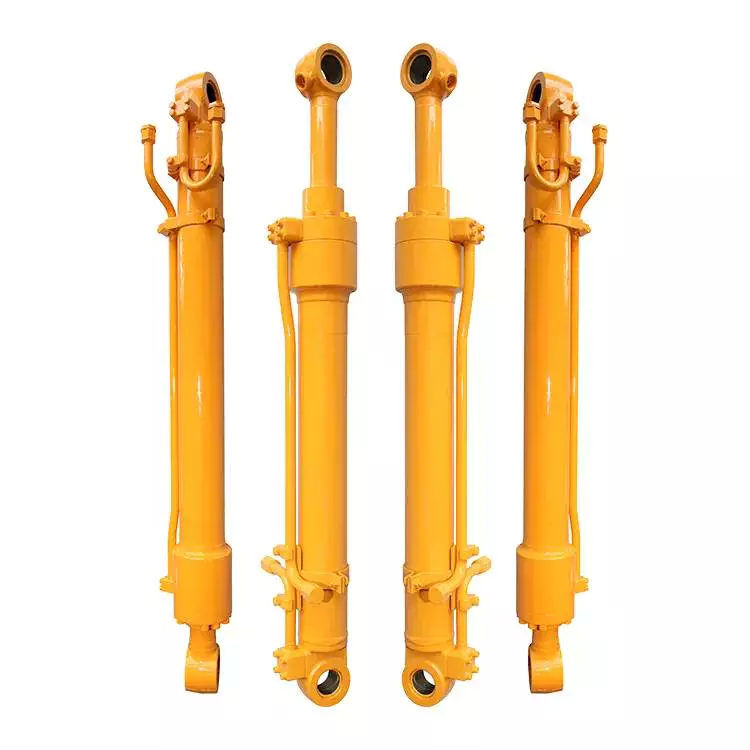
Can hydraulic cylinders be retrofitted onto existing equipment for improved functionality?
Yes, hydraulic cylinders can be retrofitted onto existing equipment to enhance functionality and performance. Retrofitting hydraulic cylinders onto existing machinery or equipment offers several benefits, including increased power, improved control, enhanced precision, and versatility. Here’s a detailed explanation of how hydraulic cylinders can be retrofitted onto existing equipment for improved functionality:
1. Increased Power:
– Retrofitting hydraulic cylinders allows for the addition of hydraulic power to the existing equipment. By integrating hydraulic cylinders, the equipment can generate higher forces and handle heavier loads. This increased power enables the equipment to perform tasks that were previously challenging or impossible. For example, a retrofit hydraulic cylinder on a crane can enhance its lifting capacity and enable it to handle heavier loads more efficiently.
2. Improved Control:
– Hydraulic cylinders provide precise control over the motion and positioning of equipment. By retrofitting hydraulic cylinders, operators gain better control over the speed, force, and direction of movement. The addition of hydraulic control valves and a hydraulic power unit allows for fine-tuning of the equipment’s operation. Improved control facilitates safer and more efficient operation, reducing the risk of damage and improving overall productivity.
3. Enhanced Precision:
– Retrofitting hydraulic cylinders onto existing equipment can significantly improve precision and accuracy. Hydraulic systems offer precise control over movement, enabling smooth and controlled motion. This enhanced precision is beneficial in applications where precise positioning or repetitive movements are required. For instance, retrofitting hydraulic cylinders onto a robotic arm can enhance its accuracy and repeatability, making it more suitable for tasks that demand high precision.
4. Versatility and Adaptability:
– Retrofitting hydraulic cylinders can increase the versatility and adaptability of existing equipment. Hydraulic systems can be easily integrated with various types of machinery, allowing for the utilization of hydraulic power across different applications. The modular nature of hydraulic components facilitates the retrofitting process, enabling the equipment to perform a broader range of tasks. This versatility is particularly advantageous in industries where equipment needs to adapt to changing operational requirements.
5. Retrofit Kits and Customization:
– Manufacturers often provide retrofit kits that include all the necessary components for integrating hydraulic cylinders onto existing equipment. These kits typically consist of hydraulic cylinders, mounting brackets, hoses, fittings, control valves, and other required accessories. Retrofit kits simplify the retrofitting process and ensure compatibility between the hydraulic components and the existing equipment. Additionally, manufacturers can offer customization options to tailor the retrofit solution to specific equipment and application needs.
6. Cost-Effective Solution:
– Retrofitting hydraulic cylinders onto existing equipment can be a cost-effective solution compared to purchasing new machinery. By leveraging the existing equipment’s structural framework and mechanical components, the overall cost of upgrading can be reduced. Retrofitting also minimizes downtime since the equipment does not need to be completely replaced. Furthermore, the improved functionality and performance resulting from the retrofit can lead to increased productivity and cost savings in the long run.
7. Professional Installation and Expertise:
– Retrofitting hydraulic cylinders onto existing equipment often requires professional installation and expertise. Working with experienced hydraulic system integrators or manufacturers ensures proper installation, compatibility, and optimal performance of the retrofit solution. These professionals can assess the existing equipment, recommend suitable hydraulic components, and carry out the retrofitting process efficiently. Their knowledge and expertise contribute to the successful integration of hydraulic cylinders and the overall improvement of equipment functionality.
In summary, hydraulic cylinders can indeed be retrofitted onto existing equipment to improve functionality. This retrofitting process offers advantages such as increased power, improved control, enhanced precision, versatility, cost-effectiveness, and access to retrofit kits and customization options. By retrofitting hydraulic cylinders, existing equipment can be upgraded to meet evolving operational needs, extend its lifespan, and enhance overall performance.
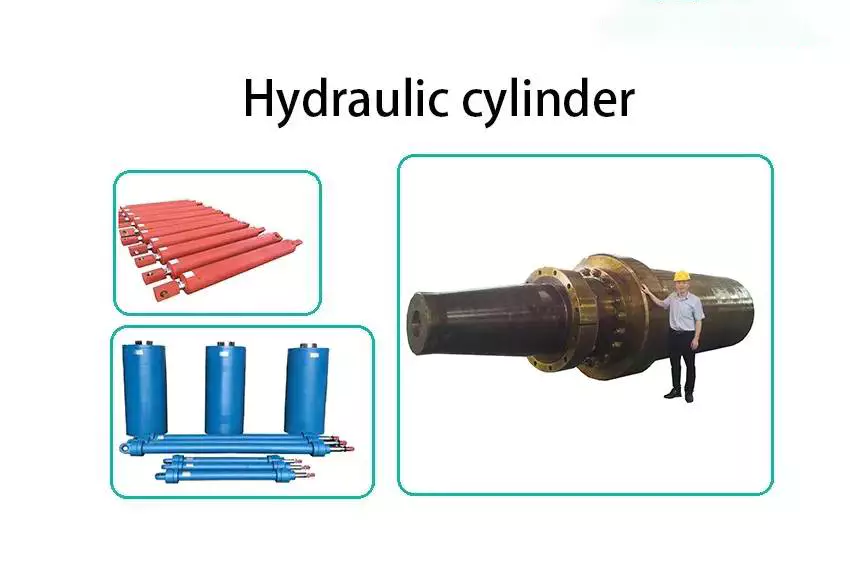
Adaptation of Hydraulic Cylinders for Medical Equipment and Aerospace Applications
Hydraulic cylinders have the potential to be adapted for use in medical equipment and aerospace applications, offering unique advantages in these industries. Let’s explore how hydraulic cylinders can be adapted for these specialized fields:
- Medical Equipment: Hydraulic cylinders can be adapted for various medical equipment applications, including hospital beds, patient lifts, surgical tables, and rehabilitation devices. Here’s how hydraulic cylinders are beneficial in medical equipment:
- Positioning and Adjustability: Hydraulic cylinders provide precise and smooth movement, allowing for accurate positioning and adjustments of medical equipment. This is crucial for ensuring patient comfort, proper alignment, and ease of use.
- Load Handling: Hydraulic cylinders offer high force capabilities, enabling the safe handling of heavy loads in medical equipment. They can support the weight of patients, facilitate smooth transitions, and provide stability during procedures.
- Controlled Motion: Hydraulic cylinders provide controlled and stable motion, which is essential for delicate medical procedures. The ability to adjust speed, position, and force allows for precise and controlled movements, minimizing patient discomfort and ensuring accurate treatment.
- Durability and Reliability: Hydraulic cylinders are designed to withstand rigorous use and demanding environments, making them suitable for medical equipment applications. Their durability and reliability contribute to the long-term performance and safety of medical devices.
- Aerospace Applications: Hydraulic cylinders can also be adapted for aerospace applications, where lightweight yet robust systems are essential. Here’s how hydraulic cylinders are advantageous in aerospace:
- Flight Control Systems: Hydraulic cylinders play a critical role in aircraft flight control systems, including ailerons, elevators, rudders, and landing gear. They provide precise and reliable actuation, allowing pilots to control the aircraft’s movements with accuracy and responsiveness.
- Weight Optimization: Hydraulic cylinders can be designed using lightweight materials, such as aluminum alloys or composite materials, to reduce overall weight. This weight optimization is crucial in aerospace applications to enhance fuel efficiency, payload capacity, and aircraft performance.
- Shock and Vibration Resistance: Aerospace environments involve significant shock and vibration forces. Hydraulic cylinders can be engineered to withstand these dynamic loads while maintaining performance and reliability, ensuring consistent operation even under extreme conditions.
- Space Constraints: Hydraulic cylinders can be designed to fit within the space constraints of aircraft or spacecraft. Their compact size and flexible mounting options allow for efficient integration into the limited available space.
In summary, hydraulic cylinders can be adapted for use in medical equipment and aerospace applications, leveraging their precise positioning, load handling capabilities, controlled motion, durability, and reliability. In medical equipment, hydraulic cylinders enable comfortable patient positioning, smooth transitions, and controlled movements during procedures. In aerospace, hydraulic cylinders provide precise actuation, weight optimization, shock and vibration resistance, and space-efficient solutions. By adapting hydraulic cylinders to these specialized fields, manufacturers can meet the unique requirements and enhance the performance of medical equipment and aerospace systems.
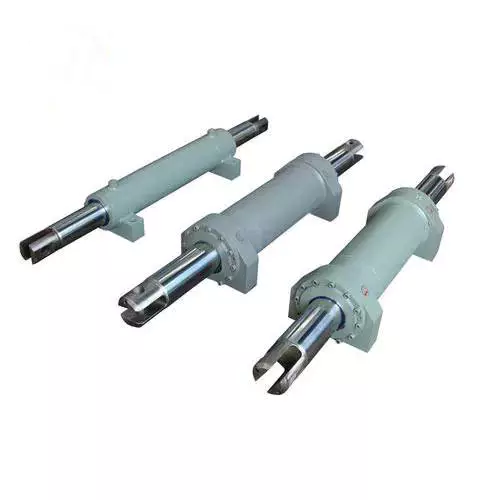
How do hydraulic cylinders ensure precise and controlled movement in equipment?
Hydraulic cylinders are widely used in various equipment and machinery to provide precise and controlled movement. They utilize hydraulic fluid and mechanical components to achieve accurate positioning, smooth operation, and reliable control. Here’s a detailed explanation of how hydraulic cylinders ensure precise and controlled movement in equipment:
1. Hydraulic Principle:
– Hydraulic cylinders operate based on Pascal’s law, which states that pressure exerted on a fluid is transmitted equally in all directions. The hydraulic fluid is contained within the cylinder, and when pressure is applied, it acts on the piston, generating force. By controlling the pressure and flow of hydraulic fluid, the movement of the cylinder can be precisely regulated, allowing for accurate and controlled motion.
2. Force and Load Management:
– Hydraulic cylinders are designed to handle specific loads and forces. The force generated by the hydraulic cylinder depends on the hydraulic pressure and the surface area of the piston. By adjusting the pressure, the force output can be controlled. This allows for precise management of the load and ensures that the cylinder can handle the required force without exerting excessive or insufficient force. Proper load management contributes to the precise and controlled movement of the equipment.
3. Control Valves:
– Control valves play a crucial role in regulating the flow and direction of hydraulic fluid within the cylinder. These valves allow operators to control the extension and retraction of the cylinder, adjust the speed of movement, and stop or hold the cylinder at any desired position. By manipulating the control valves, precise and controlled movement can be achieved, enabling operators to position equipment accurately and perform specific tasks with precision.
4. Flow Control:
– Hydraulic cylinders incorporate flow control valves to manage the rate of hydraulic fluid flow. These valves control the speed of the cylinder’s extension and retraction, allowing for smooth and controlled movement. By adjusting the flow rate, operators can precisely control the speed of the cylinder, ensuring that it moves at the desired rate without sudden or erratic movements. Flow control contributes to the overall precision and control of the equipment’s movement.
5. Position Sensing:
– To ensure precise movement, hydraulic cylinders can be equipped with position sensing devices such as linear transducers or proximity sensors. These sensors provide feedback on the position of the cylinder, allowing for accurate position control and closed-loop control systems. By continuously monitoring the position, the equipment’s movement can be controlled with high accuracy, enabling precise positioning and operation.
6. Proportional Control:
– Advanced hydraulic systems utilize proportional control technology, which allows for precise and fine-tuned control of the hydraulic cylinder’s movement. Proportional valves, often operated by electronic control systems, provide variable flow rates and pressure adjustments. This technology enables precise control of speed, force, and position, resulting in highly accurate and controlled movement of the equipment.
7. Cushioning and Damping:
– Hydraulic cylinders can incorporate cushioning and damping mechanisms to ensure smooth and controlled movement at the end of the stroke. Cushioning features, such as adjustable cushions or shock absorbers, reduce the impact and decelerate the cylinder before reaching the end of the stroke. This prevents abrupt stops and minimizes vibrations, contributing to precise and controlled movement.
8. Load Compensation:
– Some hydraulic systems utilize load compensation mechanisms to maintain precise movement even when the load varies. Load-sensing systems monitor the load demand and adjust the hydraulic pressure and flow accordingly to meet that demand. This compensation ensures that the equipment’s movement remains accurate and controlled, regardless of changes in the applied load.
In summary, hydraulic cylinders ensure precise and controlled movement in equipment through the application of hydraulic principles, force and load management, control valves, flow control, position sensing, proportional control, cushioning and damping mechanisms, and load compensation. These features and technologies allow operators to achieve accurate positioning, smooth operation, and reliable control, enabling equipment to perform tasks with precision and efficiency. The combination of hydraulic power and careful design considerations ensures that hydraulic cylinders deliver precise and controlled movement in a wide range of industrial applications.


editor by Dream 2024-11-07
 Polish
  English
  Italian
  Portuguese
  Dutch
Dutch  Swedish
  Danish
  Finnish
  Hindi
Hindi  Kazakh
  Turkish
  Ukrainian
  Romanian
  Spanish
  German
  Russian
  Korean
  Japanese
  Vietnamese
  Thai
Thai  Indonesian
  Malay
Malay  French
  Greek
Greek