
Opis produktu
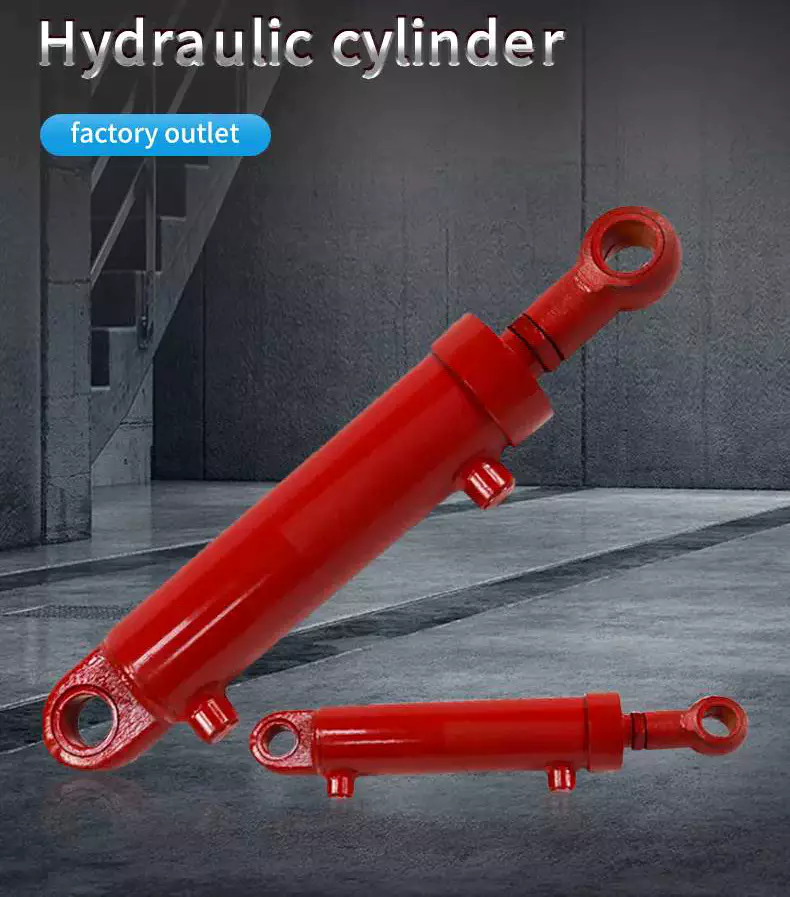
Multi Stage Front End Hydraulic Cylinder for Dump Truck with TS16949
| HS Code | 8412210000 |
| Application | Dump truck |
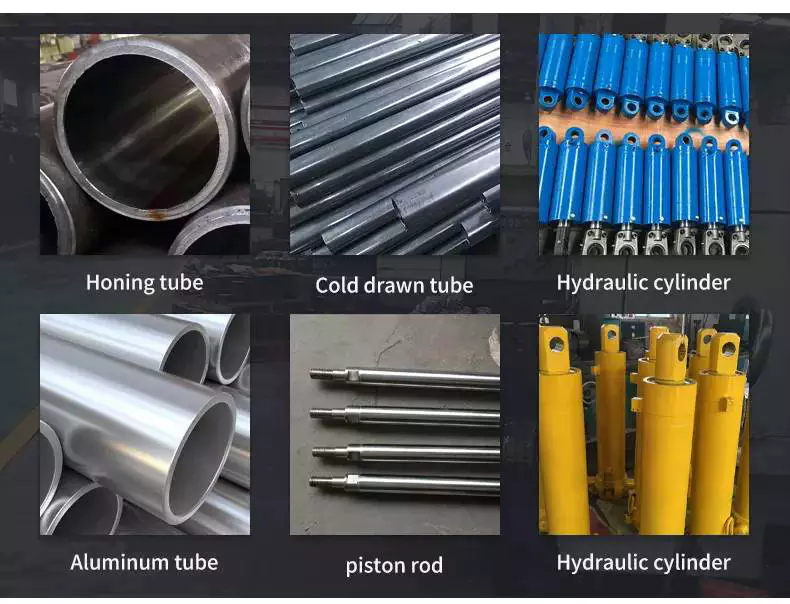
| Material of cylinder tube | Alloy steel |
| Seal | Hallite, SKF, NOK, Guarnitec, Parker |
| Coating | All tubes are chrome plated |
| Working pressure | 16mpa-20mpa |
| Udar | 6000mm |
| Color | red black blue gray, according to customer’s requirement |
| Mounting Type | Earring-trunnion, double trunnion, double earring (eye end), Pin to pin botton |
| Package | pallet, plywood case |
| Gwarancja | Period of 14 months from the date of manufacture.The manufacture date is engraved on the label of every cylinder. |
| Payment terms | T/T, L/C |
| Delivery time | 20 days after down pay |
Business FAQ:
Q1: Are you a manufacture or a trade company?
Answer: Manufacture, we are the leader manufacturer of hydraulic industry in China with 22years experience and technology.
Q2: Do you have quality control system?
Answer: Yes, The quality management system introduced is: ISO/TS 16949:2009-certified by NQA and IATF cert.
Q3: How can i get a booklet and buy a cylinder from you?
Answer: Very easy! Just leave me a message or email and tell me your requirement, let me know you are interesting in our products.I will talk with you for the details soon!
Q4: Can you tell me the price for the cylinder?
Answer:
1. Please help inform your drawing with detail requirement.
2. Please help inform the cylinder NO. after you check our booklet.
3. Please help inform the tipping capacity, strokes, number of stages, closed length, mounting type and size and other information.
4. Please also help inform the quantities, this is very important.
5. Your destination port.
Q5: Do your products come with a warranty?
Answer: Yes, we have 14 month from the date of manufacture.The manufacture date is engraved on the label of every cylinder. In this year, if the quality problem we will free repair for you.
Q6: Can I customize our products from you?
Answer: Yes, we can make products according to your requirements. Please kindly send me your specifications and drawings.
Q7: Can you help me to install or give me advice about what kind of hydraulic cylinder or power pack should I use for specific machine?
Answer: Yes, we have 22 experienced engineers who are always ready to help you. If you do not know what kind of hydraulic cylinders should be used in your machine, please just contact us, our engineers will help you to design the exact products you need.
Q8: What is the delivery time?
Answer: Within 15 days for samples.
20 days for mass production, which is depend on quality, production process and so on.
| Certification: | CE, ISO9001, Ts 16949;ABS;API;Ccri;Cc |
|---|---|
| Ciśnienie: | 16MPa 20MPa |
| Temperatura pracy: | -30-100 |
| Sposób działania: | Single Acting |
| Material: | Steel |
| Rated Pressure: | 16-20MPa |
| Samples: | US$ 300/Piece 1 Piece(Min.Order) | |
|---|
| Personalizacja: | Dostępny |
|
|---|
W jaki sposób siłowniki hydrauliczne przyczyniają się do ogólnej opłacalności procesów przemysłowych?
Siłowniki hydrauliczne odgrywają kluczową rolę w zwiększaniu ogólnej opłacalności procesów przemysłowych. Oferują szereg zalet i przyczyniają się do wzrostu produktywności, poprawy efektywności, obniżenia kosztów konserwacji i poprawy wydajności operacyjnej. Oto szczegółowe wyjaśnienie, w jaki sposób siłowniki hydrauliczne przyczyniają się do opłacalności procesów przemysłowych:
1. Wysoka gęstość mocy:
– Siłowniki hydrauliczne zapewniają wysoki stosunek mocy do masy, co pozwala im generować znaczną siłę przy kompaktowej konstrukcji. Taka gęstość mocy umożliwia stosowanie mniejszych i lżejszych urządzeń, co obniża koszty materiałów i produkcji oraz zwiększa wydajność procesów przemysłowych.
2. Precyzyjna kontrola siły i położenia:
– Siłowniki hydrauliczne zapewniają precyzyjną kontrolę siły i położenia, umożliwiając precyzyjne przemieszczanie i pozycjonowanie maszyn lub elementów obrabianych. Taki poziom kontroli zwiększa wydajność procesu, zmniejsza straty materiałów i poprawia ogólną jakość produktu. Precyzyjna kontrola siły minimalizuje również ryzyko uszkodzenia sprzętu, co dodatkowo obniża koszty konserwacji i napraw.
3. Wysoka nośność:
– Siłowniki hydrauliczne znane są ze swojej zdolności do przenoszenia dużych obciążeń. Mogą wywierać znaczną siłę, dzięki czemu nadają się do ciężkich zastosowań przemysłowych. Dzięki efektywnemu przenoszeniu dużych obciążeń, siłowniki hydrauliczne przyczyniają się do zwiększenia wydajności i przepustowości, redukując zapotrzebowanie na dodatkowy sprzęt i usprawniając procesy przemysłowe.
4. Elastyczność i wszechstronność:
– Siłowniki hydrauliczne oferują wysoki stopień elastyczności i wszechstronności w procesach przemysłowych. Można je łatwo zintegrować z różnymi typami maszyn i urządzeń, co pozwala na różnorodne zastosowania. Ta uniwersalność zmniejsza zapotrzebowanie na specjalistyczny sprzęt, co przekłada się na oszczędności i wzrost wydajności operacyjnej.
5. Efektywność energetyczna:
– Układy hydrauliczne, w tym cylindry hydrauliczne, mogą być projektowane z myślą o wysokiej efektywności energetycznej. Dzięki zastosowaniu wydajnych układów hydraulicznych, zaawansowanych systemów sterowania i mechanizmów odzyskiwania energii, cylindry hydrauliczne minimalizują straty energii i obniżają koszty operacyjne. Energooszczędne układy hydrauliczne przyczyniają się również do bardziej zrównoważonej i przyjaznej dla środowiska działalności przemysłowej.
6. Trwałość i długowieczność:
– Siłowniki hydrauliczne są zaprojektowane tak, aby sprostać wymagającym warunkom przemysłowym i intensywnemu użytkowaniu. Wykonane są z wytrzymałych materiałów i przechodzą rygorystyczną kontrolę jakości, aby zapewnić trwałość i długowieczność. Ich odporność na trudne warunki i powtarzalność ruchów zmniejsza potrzebę częstych wymian, minimalizując przestoje i koszty konserwacji.
7. Zredukowane wymagania konserwacyjne:
– Siłowniki hydrauliczne wymagają stosunkowo niewielkiej konserwacji w porównaniu z innymi typami siłowników. Prawidłowo zaprojektowane układy hydrauliczne z wydajnymi mechanizmami filtracji i kontroli zanieczyszczeń mogą zapobiegać uszkodzeniom cylindrów i wydłużać ich żywotność. Niższe wymagania konserwacyjne przekładają się na krótszy czas przestoju, niższe koszty pracy i lepszą opłacalność procesów przemysłowych.
8. Integracja i automatyzacja systemów:
– Siłowniki hydrauliczne można bezproblemowo zintegrować z zautomatyzowanymi procesami przemysłowymi. Dzięki integracji siłowników hydraulicznych z systemami zautomatyzowanymi, zadania mogą być wykonywane z precyzją i powtarzalnością, co redukuje ryzyko błędu ludzkiego i optymalizuje wydajność. Automatyzacja umożliwia również ciągłość pracy, zwiększając produktywność i ogólną opłacalność.
9. Ekonomiczna wymiana:
– W sytuacjach, gdy cylindry hydrauliczne wymagają wymiany lub naprawy, opłacalność procesu pozostaje zachowana. Cylindry hydrauliczne mają zazwyczaj konstrukcję modułową, co pozwala na łatwą wymianę poszczególnych podzespołów lub całych zespołów. Ta modułowość skraca przestoje i związane z nimi koszty, ponieważ wymiana obejmuje tylko uszkodzone podzespoły, a nie cały system.
Podsumowując, cylindry hydrauliczne przyczyniają się do ogólnej opłacalności procesów przemysłowych dzięki wysokiej gęstości mocy, precyzyjnym możliwościom sterowania, wysokiej nośności, elastyczności, efektywności energetycznej, trwałości, mniejszym wymaganiom konserwacyjnym, integracji systemów oraz ekonomicznym opcjom wymiany. Ich zdolność do zwiększania produktywności, wydajności i efektywności operacyjnej przy jednoczesnej minimalizacji kosztów konserwacji i przestojów sprawia, że cylindry hydrauliczne są cennym elementem w różnych zastosowaniach przemysłowych.

Contribution of Hydraulic Cylinders to the Precision of Robotic and Automation Systems
Hydraulic cylinders play a significant role in enhancing the precision of robotic and automation systems. These systems rely on precise and controlled movements to perform various tasks with accuracy and repeatability. Let’s explore how hydraulic cylinders contribute to the precision of robotic and automation systems:
- Precise Positioning: Hydraulic cylinders enable precise positioning of robotic arms or automation components. They provide accurate control over the linear motion required for tasks such as picking, placing, and assembly. By precisely controlling the extension and retraction of the hydraulic cylinder, the system can achieve the desired position with high accuracy, ensuring precise alignment and consistent results.
- Controlled Motion: Hydraulic cylinders offer controlled and smooth motion, which is crucial for precise operation in robotic and automation systems. The flow of hydraulic fluid can be precisely regulated to control the speed and acceleration of the cylinder’s movement. This precise control allows for gentle and controlled movements, minimizing vibrations, overshooting, or jerky motions that could affect the accuracy of the system.
- Force Control: Hydraulic cylinders provide force control capabilities that contribute to precision in robotic and automation systems. By adjusting the hydraulic pressure, the force exerted by the cylinder can be precisely controlled. This is particularly valuable in applications that require delicate force-sensitive tasks, such as gripping fragile objects or performing precise force feedback during assembly or testing processes.
- Load Handling: Hydraulic cylinders are capable of handling heavy loads, allowing robotic and automation systems to manipulate and transport objects with precision. The high force capabilities of hydraulic cylinders ensure secure and stable handling of loads, minimizing the risk of slippage or imprecise positioning. This is crucial in applications where precise control over heavy objects is required, such as material handling or industrial assembly processes.
- Durability and Reliability: Hydraulic cylinders are known for their durability and reliability in demanding industrial environments. The ability to withstand repeated use, high loads, and harsh conditions ensures consistent performance over time. This reliability contributes to the precision of robotic and automation systems, as any deviation or failure in the cylinder’s movement could lead to inaccuracies or disruptions in the system’s operation.
In summary, hydraulic cylinders make significant contributions to the precision of robotic and automation systems by enabling precise positioning, controlled motion, force control, load handling, and offering durability and reliability. These capabilities ensure accurate and repeatable movements, minimize errors, and enhance the overall precision of the system. By incorporating hydraulic cylinders into robotic and automation systems, manufacturers can achieve higher levels of precision, efficiency, and productivity in various industrial applications.
What safety precautions should be followed when working with hydraulic cylinders?
Working with hydraulic cylinders requires strict adherence to safety precautions to prevent accidents, injuries, and damage to equipment or property. Hydraulic systems operate under high pressures and involve moving parts, which can pose serious hazards if not handled properly. Here’s a detailed explanation of the safety precautions that should be followed when working with hydraulic cylinders:
1. Training and Knowledge:
– Ensure that personnel working with hydraulic cylinders have received adequate training and possess a thorough understanding of hydraulic system operation, maintenance, and safety protocols. Proper training should cover topics such as hydraulic principles, pressure ratings, safe work practices, and emergency procedures. Only trained and authorized personnel should be allowed to handle hydraulic cylinders.
2. Wear Personal Protective Equipment (PPE):
– Always wear appropriate personal protective equipment when working with hydraulic cylinders. This may include safety glasses, gloves, protective clothing, and steel-toed boots. PPE helps protect against potential hazards, such as hydraulic fluid leaks, flying debris, or accidental contact with moving parts.
3. Hydraulic System Inspection:
– Before working with hydraulic cylinders, inspect the entire hydraulic system for any signs of damage, leaks, or loose connections. Check hydraulic hoses, fittings, valves, and cylinders for integrity and secure fastening. If any issues are detected, the system should be repaired or serviced before operation.
4. Relieve Pressure:
– Before performing any maintenance or disassembly on a hydraulic cylinder, it is crucial to relieve the pressure in the system. Follow the manufacturer’s instructions to properly release pressure and ensure that the hydraulic cylinder is depressurized before starting any work. Failure to do so can result in sudden and uncontrolled movement of the cylinder or hydraulic lines, leading to serious injuries.
5. Lockout/Tagout Procedures:
– Implement lockout/tagout procedures to prevent accidental energization of the hydraulic system while maintenance or repair work is being conducted. Lockout/tagout involves isolating the energy source, such as shutting off the hydraulic pump and locking or tagging the controls to prevent unauthorized operation. This procedure ensures that the hydraulic cylinder remains in a safe, non-operational state during maintenance activities.
6. Use Proper Lifting Techniques:
– When working with heavy hydraulic cylinders or components, use proper lifting techniques and equipment to avoid strain or injury. Hydraulic cylinders can be heavy and awkward to handle, so ensure that lifting equipment, such as cranes or hoists, is properly rated and used correctly. Follow safe lifting practices, including securing the load and maintaining a stable lifting posture.
7. Hydraulic Fluid Handling:
– Handle hydraulic fluid with care and follow proper procedures for fluid filling, transfer, and disposal. Avoid contact with the skin or eyes, as hydraulic fluid may be hazardous. Use appropriate containers and equipment to prevent spills or leaks. If any hydraulic fluid comes into contact with the skin or eyes, rinse thoroughly with water and seek medical attention if necessary.
8. Regular Maintenance:
– Perform regular maintenance and inspections on hydraulic cylinders to ensure their safe and reliable operation. This includes checking for leaks, inspecting seals, monitoring fluid levels, and conducting periodic servicing as recommended by the manufacturer. Proper maintenance helps prevent unexpected failures and ensures the continued safe use of hydraulic cylinders.
9. Follow Manufacturer Guidelines:
– Always follow the manufacturer’s guidelines, instructions, and recommendations for the specific hydraulic cylinders and equipment being used. Manufacturers provide important safety information, maintenance schedules, and operational guidelines that should be strictly adhered to for safe and optimal performance.
10. Emergency Preparedness:
– Be prepared for potential emergencies by having appropriate safety equipment, such as fire extinguishers, first aid kits, and emergency eyewash stations, readily available. Establish clear communication channels and emergency response procedures to promptly address any accidents, leaks, or injuries that may occur during hydraulic cylinder operations.
By following these safety precautions, individuals working with hydraulic cylinders can minimize the risk of accidents, injuries, and property damage. It is essential to prioritize safety, maintain awareness of potential hazards, and ensure compliance with relevant safety regulations and industry standards.


editor by CX 2023-11-11
 Polish
  English
  Italian
  Portuguese
  Dutch
Dutch  Swedish
  Danish
  Finnish
  Hindi
Hindi  Kazakh
  Turkish
  Ukrainian
  Romanian
  Spanish
  German
  Russian
  Korean
  Japanese
  Vietnamese
  Thai
Thai  Indonesian
  Malay
Malay  French
  Greek
Greek