
Descrição do produto
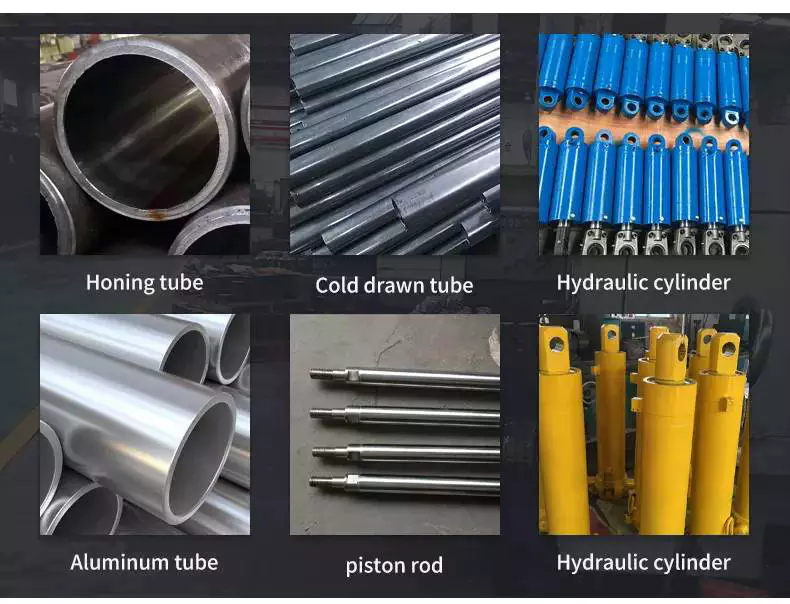
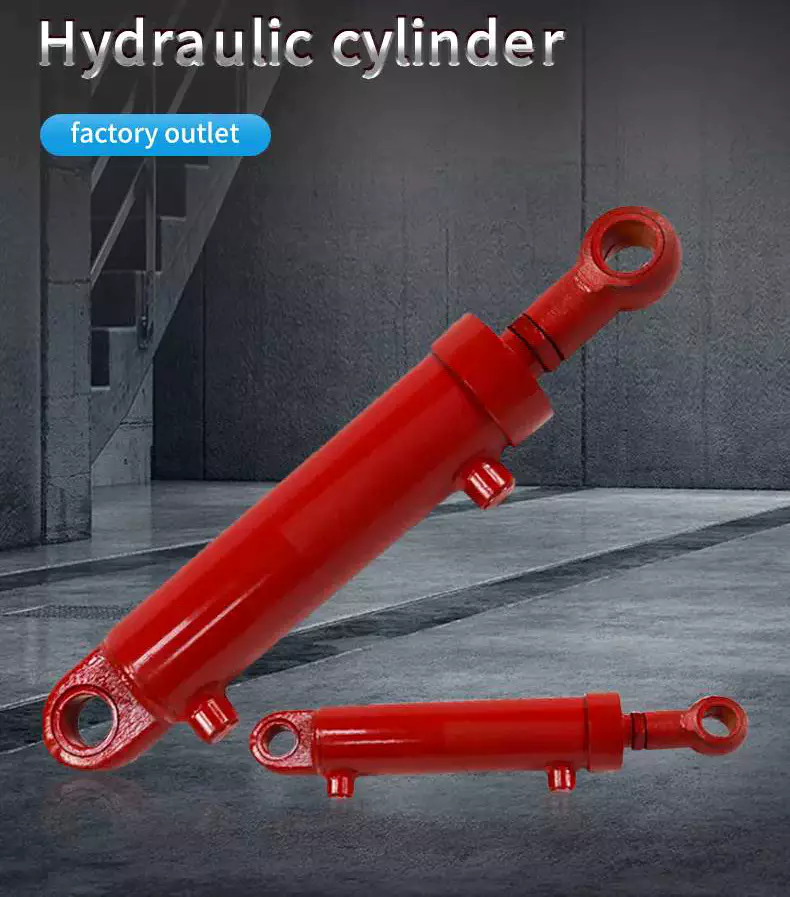
Multi Stage Front End Hydraulic Cylinder for Dump Truck with TS16949
| HS Code | 8412210000 |
| Application | Dump truck |
| Material of cylinder tube | Alloy steel |
| Seal | Hallite, SKF, NOK, Guarnitec, Parker |
| Coating | All tubes are chrome plated |
| Working pressure | 16mpa-20mpa |
| AVC | 6000mm |
| Color | red black blue gray, according to customer’s requirement |
| Mounting Type | Earring-trunnion, double trunnion, double earring (eye end), Pin to pin botton |
| Package | pallet, plywood case |
| Warranty | Period of 14 months from the date of manufacture.The manufacture date is engraved on the label of every cylinder. |
| Payment terms | T/T, L/C |
| Delivery time | 20 days after down pay |
Business FAQ:
Q1: Are you a manufacture or a trade company?
Answer: Manufacture, we are the leader manufacturer of hydraulic industry in China with 22years experience and technology.
Q2: Do you have quality control system?
Answer: Yes, The quality management system introduced is: ISO/TS 16949:2009-certified by NQA and IATF cert.
Q3: How can i get a booklet and buy a cylinder from you?
Answer: Very easy! Just leave me a message or email and tell me your requirement, let me know you are interesting in our products.I will talk with you for the details soon!
Q4: Can you tell me the price for the cylinder?
Answer:
1. Please help inform your drawing with detail requirement.
2. Please help inform the cylinder NO. after you check our booklet.
3. Please help inform the tipping capacity, strokes, number of stages, closed length, mounting type and size and other information.
4. Please also help inform the quantities, this is very important.
5. Your destination port.
Q5: Do your products come with a warranty?
Answer: Yes, we have 14 month from the date of manufacture.The manufacture date is engraved on the label of every cylinder. In this year, if the quality problem we will free repair for you.
Q6: Can I customize our products from you?
Answer: Yes, we can make products according to your requirements. Please kindly send me your specifications and drawings.
Q7: Can you help me to install or give me advice about what kind of hydraulic cylinder or power pack should I use for specific machine?
Answer: Yes, we have 22 experienced engineers who are always ready to help you. If you do not know what kind of hydraulic cylinders should be used in your machine, please just contact us, our engineers will help you to design the exact products you need.
Q8: What is the delivery time?
Answer: Within 15 days for samples.
20 days for mass production, which is depend on quality, production process and so on.
| Certification: | CE, ISO9001, Ts 16949;ABS;API;Ccri;Cc |
|---|---|
| Pressure: | 16MPa 20MPa |
| Work Temperature: | -30-100 |
| Acting Way: | Single Acting |
| Material: | Steel |
| Rated Pressure: | 16-20MPa |
| Samples: | US$ 300/Piece 1 Piece(Min.Order) | |
|---|
| Customization: | Available |
|
|---|
De que forma os cilindros hidráulicos contribuem para a relação custo-benefício geral dos processos industriais?
Os cilindros hidráulicos desempenham um papel crucial na melhoria da relação custo-benefício dos processos industriais. Eles oferecem diversas vantagens e contribuem para o aumento da produtividade, a melhoria da eficiência, a redução dos custos de manutenção e o aprimoramento do desempenho operacional. A seguir, uma explicação detalhada de como os cilindros hidráulicos contribuem para a relação custo-benefício dos processos industriais:
1. Alta densidade de potência:
Os cilindros hidráulicos oferecem uma elevada relação potência/peso, permitindo-lhes gerar uma força substancial num design compacto. Esta densidade de potência possibilita a utilização de equipamentos mais pequenos e leves, reduzindo os custos de materiais e de fabrico e aumentando a eficiência dos processos industriais.
2. Controle preciso de força e posição:
Os cilindros hidráulicos oferecem controle preciso de força e posição, permitindo o movimento e posicionamento exatos de máquinas ou peças. Esse nível de controle aumenta a eficiência do processo, reduz o desperdício de material e melhora a qualidade geral do produto. O controle preciso da força também minimiza o risco de danos ao equipamento, reduzindo ainda mais os custos de manutenção e reparo.
3. Alta capacidade de carga:
Os cilindros hidráulicos são conhecidos por sua capacidade de suportar cargas elevadas. Eles podem exercer uma força significativa, tornando-os adequados para aplicações industriais pesadas. Ao lidar com cargas pesadas de forma eficiente, os cilindros hidráulicos contribuem para o aumento da produtividade e do rendimento, reduzindo a necessidade de equipamentos adicionais e otimizando os processos industriais.
4. Flexibilidade e Versatilidade:
Os cilindros hidráulicos oferecem um alto grau de flexibilidade e versatilidade em processos industriais. Podem ser facilmente integrados a diversos tipos de máquinas e equipamentos, permitindo aplicações variadas. Essa adaptabilidade reduz a necessidade de equipamentos especializados, resultando em economia de custos e maior eficiência operacional.
5. Eficiência energética:
Os sistemas hidráulicos, incluindo os cilindros hidráulicos, podem ser projetados para operar com alta eficiência energética. Ao utilizar projetos de circuitos hidráulicos eficientes, sistemas de controle avançados e mecanismos de recuperação de energia, os cilindros hidráulicos minimizam o desperdício de energia e reduzem os custos operacionais. Sistemas hidráulicos energeticamente eficientes também contribuem para uma operação industrial mais sustentável e ecologicamente correta.
6. Durabilidade e Longevidade:
Os cilindros hidráulicos são projetados para suportar ambientes industriais exigentes e uso intenso. São fabricados com materiais robustos e submetidos a rigorosos controles de qualidade para garantir durabilidade e longa vida útil. Sua capacidade de suportar condições adversas e movimentos repetitivos reduz a necessidade de substituições frequentes, minimizando o tempo de inatividade e os custos de manutenção.
7. Requisitos de manutenção reduzidos:
Os cilindros hidráulicos requerem relativamente pouca manutenção em comparação com outros tipos de atuadores. Sistemas hidráulicos bem projetados, com mecanismos eficientes de filtragem e controle de contaminação, podem prevenir danos aos cilindros e prolongar sua vida útil. A redução da necessidade de manutenção resulta em menor tempo de inatividade, custos de mão de obra reduzidos e maior custo-benefício dos processos industriais.
8. Integração e Automação de Sistemas:
Os cilindros hidráulicos podem ser integrados perfeitamente em processos industriais automatizados. Ao incorporar cilindros hidráulicos em sistemas automatizados, as tarefas podem ser executadas com precisão e repetibilidade, reduzindo erros humanos e otimizando a eficiência. A automação também permite a operação contínua, aumentando a produtividade e a relação custo-benefício geral.
9. Substituição com boa relação custo-benefício:
– Em situações onde os cilindros hidráulicos necessitam de substituição ou reparo, a relação custo-benefício do processo é mantida. Os cilindros hidráulicos são tipicamente modulares, permitindo a fácil substituição de componentes individuais ou unidades completas. Essa modularidade reduz o tempo de inatividade e os custos associados, uma vez que apenas os componentes afetados precisam ser substituídos, em vez de todo o sistema.
Em resumo, os cilindros hidráulicos contribuem para a relação custo-benefício geral dos processos industriais por meio de sua alta densidade de potência, capacidades de controle preciso, alta capacidade de carga, flexibilidade, eficiência energética, durabilidade, menores requisitos de manutenção, integração de sistemas e opções de substituição com boa relação custo-benefício. Sua capacidade de aumentar a produtividade, a eficiência e o desempenho operacional, minimizando os custos de manutenção e tempo de inatividade, torna os cilindros hidráulicos um componente valioso em diversas aplicações industriais.

Contribution of Hydraulic Cylinders to the Precision of Robotic and Automation Systems
Hydraulic cylinders play a significant role in enhancing the precision of robotic and automation systems. These systems rely on precise and controlled movements to perform various tasks with accuracy and repeatability. Let’s explore how hydraulic cylinders contribute to the precision of robotic and automation systems:
- Precise Positioning: Hydraulic cylinders enable precise positioning of robotic arms or automation components. They provide accurate control over the linear motion required for tasks such as picking, placing, and assembly. By precisely controlling the extension and retraction of the hydraulic cylinder, the system can achieve the desired position with high accuracy, ensuring precise alignment and consistent results.
- Controlled Motion: Hydraulic cylinders offer controlled and smooth motion, which is crucial for precise operation in robotic and automation systems. The flow of hydraulic fluid can be precisely regulated to control the speed and acceleration of the cylinder’s movement. This precise control allows for gentle and controlled movements, minimizing vibrations, overshooting, or jerky motions that could affect the accuracy of the system.
- Force Control: Hydraulic cylinders provide force control capabilities that contribute to precision in robotic and automation systems. By adjusting the hydraulic pressure, the force exerted by the cylinder can be precisely controlled. This is particularly valuable in applications that require delicate force-sensitive tasks, such as gripping fragile objects or performing precise force feedback during assembly or testing processes.
- Load Handling: Hydraulic cylinders are capable of handling heavy loads, allowing robotic and automation systems to manipulate and transport objects with precision. The high force capabilities of hydraulic cylinders ensure secure and stable handling of loads, minimizing the risk of slippage or imprecise positioning. This is crucial in applications where precise control over heavy objects is required, such as material handling or industrial assembly processes.
- Durability and Reliability: Hydraulic cylinders are known for their durability and reliability in demanding industrial environments. The ability to withstand repeated use, high loads, and harsh conditions ensures consistent performance over time. This reliability contributes to the precision of robotic and automation systems, as any deviation or failure in the cylinder’s movement could lead to inaccuracies or disruptions in the system’s operation.
In summary, hydraulic cylinders make significant contributions to the precision of robotic and automation systems by enabling precise positioning, controlled motion, force control, load handling, and offering durability and reliability. These capabilities ensure accurate and repeatable movements, minimize errors, and enhance the overall precision of the system. By incorporating hydraulic cylinders into robotic and automation systems, manufacturers can achieve higher levels of precision, efficiency, and productivity in various industrial applications.
What safety precautions should be followed when working with hydraulic cylinders?
Working with hydraulic cylinders requires strict adherence to safety precautions to prevent accidents, injuries, and damage to equipment or property. Hydraulic systems operate under high pressures and involve moving parts, which can pose serious hazards if not handled properly. Here’s a detailed explanation of the safety precautions that should be followed when working with hydraulic cylinders:
1. Training and Knowledge:
– Ensure that personnel working with hydraulic cylinders have received adequate training and possess a thorough understanding of hydraulic system operation, maintenance, and safety protocols. Proper training should cover topics such as hydraulic principles, pressure ratings, safe work practices, and emergency procedures. Only trained and authorized personnel should be allowed to handle hydraulic cylinders.
2. Wear Personal Protective Equipment (PPE):
– Always wear appropriate personal protective equipment when working with hydraulic cylinders. This may include safety glasses, gloves, protective clothing, and steel-toed boots. PPE helps protect against potential hazards, such as hydraulic fluid leaks, flying debris, or accidental contact with moving parts.
3. Hydraulic System Inspection:
– Before working with hydraulic cylinders, inspect the entire hydraulic system for any signs of damage, leaks, or loose connections. Check hydraulic hoses, fittings, valves, and cylinders for integrity and secure fastening. If any issues are detected, the system should be repaired or serviced before operation.
4. Relieve Pressure:
– Before performing any maintenance or disassembly on a hydraulic cylinder, it is crucial to relieve the pressure in the system. Follow the manufacturer’s instructions to properly release pressure and ensure that the hydraulic cylinder is depressurized before starting any work. Failure to do so can result in sudden and uncontrolled movement of the cylinder or hydraulic lines, leading to serious injuries.
5. Lockout/Tagout Procedures:
– Implement lockout/tagout procedures to prevent accidental energization of the hydraulic system while maintenance or repair work is being conducted. Lockout/tagout involves isolating the energy source, such as shutting off the hydraulic pump and locking or tagging the controls to prevent unauthorized operation. This procedure ensures that the hydraulic cylinder remains in a safe, non-operational state during maintenance activities.
6. Use Proper Lifting Techniques:
– When working with heavy hydraulic cylinders or components, use proper lifting techniques and equipment to avoid strain or injury. Hydraulic cylinders can be heavy and awkward to handle, so ensure that lifting equipment, such as cranes or hoists, is properly rated and used correctly. Follow safe lifting practices, including securing the load and maintaining a stable lifting posture.
7. Hydraulic Fluid Handling:
– Handle hydraulic fluid with care and follow proper procedures for fluid filling, transfer, and disposal. Avoid contact with the skin or eyes, as hydraulic fluid may be hazardous. Use appropriate containers and equipment to prevent spills or leaks. If any hydraulic fluid comes into contact with the skin or eyes, rinse thoroughly with water and seek medical attention if necessary.
8. Regular Maintenance:
– Perform regular maintenance and inspections on hydraulic cylinders to ensure their safe and reliable operation. This includes checking for leaks, inspecting seals, monitoring fluid levels, and conducting periodic servicing as recommended by the manufacturer. Proper maintenance helps prevent unexpected failures and ensures the continued safe use of hydraulic cylinders.
9. Follow Manufacturer Guidelines:
– Always follow the manufacturer’s guidelines, instructions, and recommendations for the specific hydraulic cylinders and equipment being used. Manufacturers provide important safety information, maintenance schedules, and operational guidelines that should be strictly adhered to for safe and optimal performance.
10. Emergency Preparedness:
– Be prepared for potential emergencies by having appropriate safety equipment, such as fire extinguishers, first aid kits, and emergency eyewash stations, readily available. Establish clear communication channels and emergency response procedures to promptly address any accidents, leaks, or injuries that may occur during hydraulic cylinder operations.
By following these safety precautions, individuals working with hydraulic cylinders can minimize the risk of accidents, injuries, and property damage. It is essential to prioritize safety, maintain awareness of potential hazards, and ensure compliance with relevant safety regulations and industry standards.


editor by CX 2023-11-11
 Portuguese
  English
  Italian
  Dutch
Dutch  Swedish
  Danish
  Finnish
  Polish
  Hindi
Hindi  Kazakh
  Turkish
  Ukrainian
  Romanian
  Spanish
  German
  Russian
  Korean
  Japanese
  Vietnamese
  Thai
Thai  Indonesian
  Malay
Malay  French
  Greek
Greek