
製品説明
Multi Stage Front End Hydraulic Cylinder for Dump Truck with TS16949
| HS Code | 8412210000 |
| Application | Dump truck |
| Material of cylinder tube | Alloy steel |
| シール | Hallite, SKF, NOK, Guarnitec, Parker |
| Coating | All tubes are chrome plated |
| Working pressure | 16mpa-20mpa |
| 脳卒中 | 6000mm |
| Color | red black blue gray, according to customer’s requirement |
| Mounting Type | Earring-trunnion, double trunnion, double earring (eye end), Pin to pin botton |
| Package | pallet, plywood case |
| Warranty | Period of 14 months from the date of manufacture.The manufacture date is engraved on the label of every cylinder. |
| Payment terms | T/T, L/C |
| Delivery time | 20 days after down pay |
Business FAQ:
Q1: Are you a manufacture or a trade company?
Answer: Manufacture, we are the leader manufacturer of hydraulic industry in China with 22years experience and technology.
Q2: Do you have quality control system?
Answer: Yes, The quality management system introduced is: ISO/TS 16949:2009-certified by NQA and IATF cert.
Q3: How can i get a booklet and buy a cylinder from you?
Answer: Very easy! Just leave me a message or email and tell me your requirement, let me know you are interesting in our products.I will talk with you for the details soon!
Q4: Can you tell me the price for the cylinder?
Answer:
1. Please help inform your drawing with detail requirement.
2. Please help inform the cylinder NO. after you check our booklet.
3. Please help inform the tipping capacity, strokes, number of stages, closed length, mounting type and size and other information.
4. Please also help inform the quantities, this is very important.
5. Your destination port.
Q5: Do your products come with a warranty?
Answer: Yes, we have 14 month from the date of manufacture.The manufacture date is engraved on the label of every cylinder. In this year, if the quality problem we will free repair for you.
Q6: Can I customize our products from you?
Answer: Yes, we can make products according to your requirements. Please kindly send me your specifications and drawings.
Q7: Can you help me to install or give me advice about what kind of hydraulic cylinder or power pack should I use for specific machine?
Answer: Yes, we have 22 experienced engineers who are always ready to help you. If you do not know what kind of hydraulic cylinders should be used in your machine, please just contact us, our engineers will help you to design the exact products you need.
Q8: What is the delivery time?
Answer: Within 15 days for samples.
20 days for mass production, which is depend on quality, production process and so on.
| 認証: | CE, ISO9001, Ts 16949;ABS;API;Ccri;Cc |
|---|---|
| プレッシャー: | 16MPa 20MPa |
| 動作温度: | -30-100 |
| 行動様式: | Single Acting |
| Material: | Steel |
| Rated Pressure: | 16-20MPa |
| Samples: | US$ 300/Piece 1 Piece(Min.Order) | |
|---|
| カスタマイズ: | 利用可能 |
|
|---|
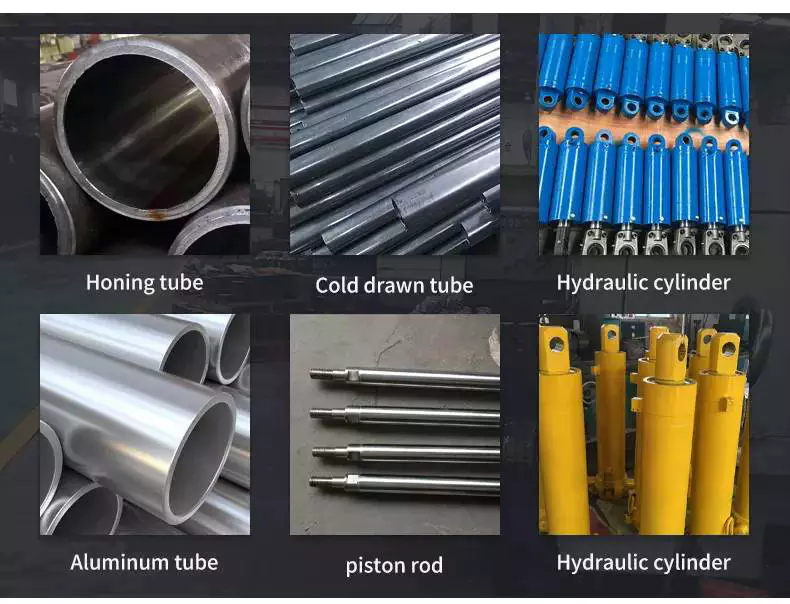
油圧シリンダーは、工業プロセスの全体的なコスト効率にどのように貢献するのでしょうか?
油圧シリンダーは、産業プロセスの全体的なコスト効率を高める上で重要な役割を果たします。油圧シリンダーは、生産性の向上、効率の改善、メンテナンスコストの削減、および運用性能の向上に貢献するなど、多くの利点を提供します。以下に、油圧シリンダーが産業プロセスのコスト効率にどのように貢献するかを詳しく説明します。
1. 高電力密度:
油圧シリンダーは高い出力重量比を実現し、コンパクトな設計で大きな力を発生させることができます。この高い出力密度により、より小型軽量の機器の使用が可能となり、材料費と製造コストの削減、そして産業プロセスの効率向上につながります。
2. 精密な力と位置の制御:
油圧シリンダーは、精密な力と位置制御を実現し、機械やワークピースの正確な動作と位置決めを可能にします。このレベルの制御により、プロセス効率が向上し、材料の無駄が削減され、製品全体の品質が向上します。また、精密な力制御は機器の損傷リスクを最小限に抑え、メンテナンスと修理コストの削減にもつながります。
3. 高い耐荷重能力:
油圧シリンダーは、高負荷に対応できることで知られています。大きな力を発揮できるため、重工業用途に適しています。油圧シリンダーは、高負荷を効率的に処理することで、生産性と処理量の向上に貢献し、追加設備の必要性を減らし、工業プロセスを合理化します。
4. 柔軟性と汎用性:
油圧シリンダーは、産業プロセスにおいて高い柔軟性と汎用性を発揮します。様々な種類の機械や設備に容易に組み込むことができ、多様な用途に対応可能です。この適応性の高さにより、特殊な設備の必要性が軽減され、コスト削減と運用効率の向上につながります。
5. エネルギー効率:
油圧シリンダーを含む油圧システムは、高いエネルギー効率で動作するように設計できます。効率的な油圧回路設計、高度な制御システム、およびエネルギー回収機構を活用することで、油圧シリンダーはエネルギーの無駄を最小限に抑え、運用コストを削減します。エネルギー効率の高い油圧システムは、より持続可能で環境に優しい産業運営にも貢献します。
6.耐久性と寿命:
油圧シリンダーは、過酷な産業環境や頻繁な使用に耐えられるように設計されています。耐久性と長寿命を確保するため、堅牢な素材を使用し、厳格な品質管理措置を経て製造されています。厳しい条件下や繰り返し動作に耐える能力により、頻繁な交換の必要性が軽減され、ダウンタイムとメンテナンスコストが最小限に抑えられます。
7. メンテナンス要件の軽減:
油圧シリンダーは、他のタイプのアクチュエータに比べてメンテナンスの手間が比較的少ない。効率的なろ過および汚染制御機構を備えた適切に設計された油圧システムは、シリンダーの損傷を防ぎ、耐用年数を延ばすことができる。メンテナンス要件の軽減は、ダウンタイムの短縮、人件費の削減、そして産業プロセスの費用対効果の向上につながる。
8. システム統合と自動化:
油圧シリンダーは、自動化された産業プロセスにシームレスに統合できます。油圧シリンダーを自動化システムに組み込むことで、作業を正確かつ再現性高く実行でき、人的ミスを減らし、効率を最適化できます。また、自動化により連続運転が可能になり、生産性と全体的なコスト効率が向上します。
9. 費用対効果の高い代替案:
油圧シリンダーの交換や修理が必要な場合でも、コスト効率は維持されます。油圧シリンダーは通常モジュール式設計になっているため、個々の部品やユニット全体を容易に交換できます。このモジュール構造により、システム全体ではなく影響を受けた部品のみを交換すれば済むため、ダウンタイムとそれに伴うコストを削減できます。
要約すると、油圧シリンダーは、高い出力密度、精密な制御機能、高い負荷処理能力、柔軟性、エネルギー効率、耐久性、メンテナンス要件の低減、システム統合性、そして費用対効果の高い交換オプションといった特長により、産業プロセスの全体的なコスト効率向上に貢献します。生産性、効率性、および運用性能を向上させながら、メンテナンスコストとダウンタイムコストを最小限に抑えることができるため、油圧シリンダーは様々な産業用途において価値あるコンポーネントとなっています。
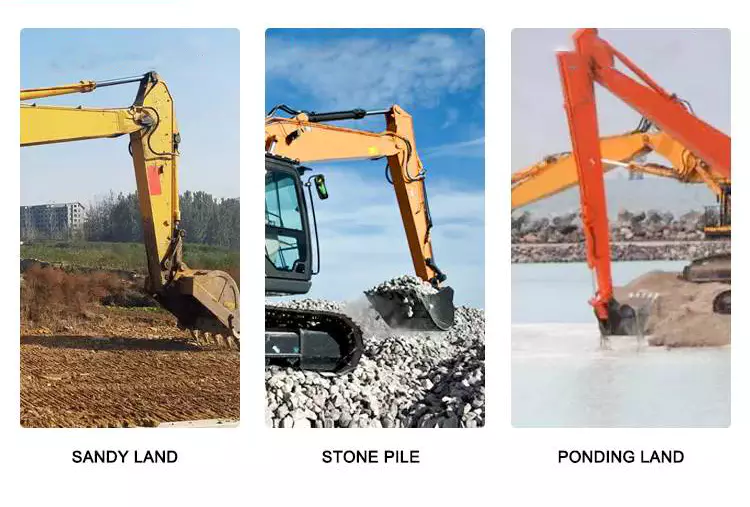
Contribution of Hydraulic Cylinders to the Precision of Robotic and Automation Systems
Hydraulic cylinders play a significant role in enhancing the precision of robotic and automation systems. These systems rely on precise and controlled movements to perform various tasks with accuracy and repeatability. Let’s explore how hydraulic cylinders contribute to the precision of robotic and automation systems:
- Precise Positioning: Hydraulic cylinders enable precise positioning of robotic arms or automation components. They provide accurate control over the linear motion required for tasks such as picking, placing, and assembly. By precisely controlling the extension and retraction of the hydraulic cylinder, the system can achieve the desired position with high accuracy, ensuring precise alignment and consistent results.
- Controlled Motion: Hydraulic cylinders offer controlled and smooth motion, which is crucial for precise operation in robotic and automation systems. The flow of hydraulic fluid can be precisely regulated to control the speed and acceleration of the cylinder’s movement. This precise control allows for gentle and controlled movements, minimizing vibrations, overshooting, or jerky motions that could affect the accuracy of the system.
- Force Control: Hydraulic cylinders provide force control capabilities that contribute to precision in robotic and automation systems. By adjusting the hydraulic pressure, the force exerted by the cylinder can be precisely controlled. This is particularly valuable in applications that require delicate force-sensitive tasks, such as gripping fragile objects or performing precise force feedback during assembly or testing processes.
- Load Handling: Hydraulic cylinders are capable of handling heavy loads, allowing robotic and automation systems to manipulate and transport objects with precision. The high force capabilities of hydraulic cylinders ensure secure and stable handling of loads, minimizing the risk of slippage or imprecise positioning. This is crucial in applications where precise control over heavy objects is required, such as material handling or industrial assembly processes.
- Durability and Reliability: Hydraulic cylinders are known for their durability and reliability in demanding industrial environments. The ability to withstand repeated use, high loads, and harsh conditions ensures consistent performance over time. This reliability contributes to the precision of robotic and automation systems, as any deviation or failure in the cylinder’s movement could lead to inaccuracies or disruptions in the system’s operation.
In summary, hydraulic cylinders make significant contributions to the precision of robotic and automation systems by enabling precise positioning, controlled motion, force control, load handling, and offering durability and reliability. These capabilities ensure accurate and repeatable movements, minimize errors, and enhance the overall precision of the system. By incorporating hydraulic cylinders into robotic and automation systems, manufacturers can achieve higher levels of precision, efficiency, and productivity in various industrial applications.
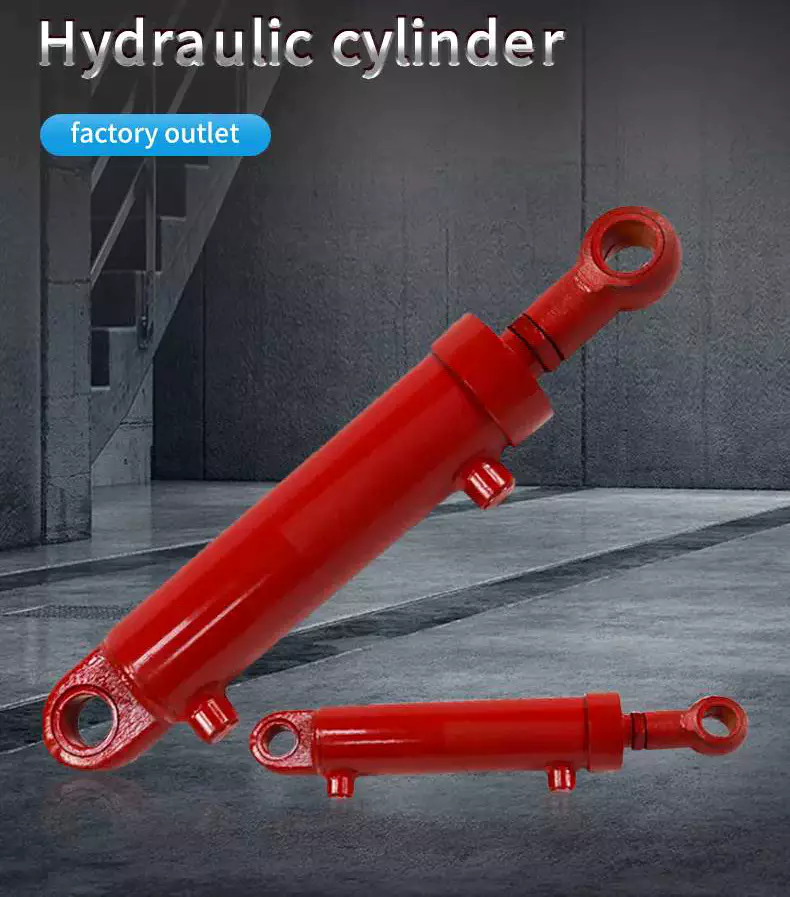
What safety precautions should be followed when working with hydraulic cylinders?
Working with hydraulic cylinders requires strict adherence to safety precautions to prevent accidents, injuries, and damage to equipment or property. Hydraulic systems operate under high pressures and involve moving parts, which can pose serious hazards if not handled properly. Here’s a detailed explanation of the safety precautions that should be followed when working with hydraulic cylinders:
1. Training and Knowledge:
– Ensure that personnel working with hydraulic cylinders have received adequate training and possess a thorough understanding of hydraulic system operation, maintenance, and safety protocols. Proper training should cover topics such as hydraulic principles, pressure ratings, safe work practices, and emergency procedures. Only trained and authorized personnel should be allowed to handle hydraulic cylinders.
2. Wear Personal Protective Equipment (PPE):
– Always wear appropriate personal protective equipment when working with hydraulic cylinders. This may include safety glasses, gloves, protective clothing, and steel-toed boots. PPE helps protect against potential hazards, such as hydraulic fluid leaks, flying debris, or accidental contact with moving parts.
3. Hydraulic System Inspection:
– Before working with hydraulic cylinders, inspect the entire hydraulic system for any signs of damage, leaks, or loose connections. Check hydraulic hoses, fittings, valves, and cylinders for integrity and secure fastening. If any issues are detected, the system should be repaired or serviced before operation.
4. Relieve Pressure:
– Before performing any maintenance or disassembly on a hydraulic cylinder, it is crucial to relieve the pressure in the system. Follow the manufacturer’s instructions to properly release pressure and ensure that the hydraulic cylinder is depressurized before starting any work. Failure to do so can result in sudden and uncontrolled movement of the cylinder or hydraulic lines, leading to serious injuries.
5. Lockout/Tagout Procedures:
– Implement lockout/tagout procedures to prevent accidental energization of the hydraulic system while maintenance or repair work is being conducted. Lockout/tagout involves isolating the energy source, such as shutting off the hydraulic pump and locking or tagging the controls to prevent unauthorized operation. This procedure ensures that the hydraulic cylinder remains in a safe, non-operational state during maintenance activities.
6. Use Proper Lifting Techniques:
– When working with heavy hydraulic cylinders or components, use proper lifting techniques and equipment to avoid strain or injury. Hydraulic cylinders can be heavy and awkward to handle, so ensure that lifting equipment, such as cranes or hoists, is properly rated and used correctly. Follow safe lifting practices, including securing the load and maintaining a stable lifting posture.
7. Hydraulic Fluid Handling:
– Handle hydraulic fluid with care and follow proper procedures for fluid filling, transfer, and disposal. Avoid contact with the skin or eyes, as hydraulic fluid may be hazardous. Use appropriate containers and equipment to prevent spills or leaks. If any hydraulic fluid comes into contact with the skin or eyes, rinse thoroughly with water and seek medical attention if necessary.
8. Regular Maintenance:
– Perform regular maintenance and inspections on hydraulic cylinders to ensure their safe and reliable operation. This includes checking for leaks, inspecting seals, monitoring fluid levels, and conducting periodic servicing as recommended by the manufacturer. Proper maintenance helps prevent unexpected failures and ensures the continued safe use of hydraulic cylinders.
9. Follow Manufacturer Guidelines:
– Always follow the manufacturer’s guidelines, instructions, and recommendations for the specific hydraulic cylinders and equipment being used. Manufacturers provide important safety information, maintenance schedules, and operational guidelines that should be strictly adhered to for safe and optimal performance.
10. Emergency Preparedness:
– Be prepared for potential emergencies by having appropriate safety equipment, such as fire extinguishers, first aid kits, and emergency eyewash stations, readily available. Establish clear communication channels and emergency response procedures to promptly address any accidents, leaks, or injuries that may occur during hydraulic cylinder operations.
By following these safety precautions, individuals working with hydraulic cylinders can minimize the risk of accidents, injuries, and property damage. It is essential to prioritize safety, maintain awareness of potential hazards, and ensure compliance with relevant safety regulations and industry standards.


editor by CX 2023-11-11
 Japanese
  English
  Italian
  Portuguese
  Dutch
Dutch  Swedish
  Danish
  Finnish
  Polish
  Hindi
Hindi  Kazakh
  Turkish
  Ukrainian
  Romanian
  Spanish
  German
  Russian
  Korean
  Vietnamese
  Thai
Thai  Indonesian
  Malay
Malay  French
  Greek
Greek