
Descrição do produto
Specifications:
| Product Name | SGS Series Hydraulic Cylinder |
| Work Press | 7/14/16/21/31.5MPa |
| Material | Aluminum, Cast Iron,45mnb Steel, Stainless Steel |
| Stage | Up to 5 Stage |
| Bore Size | 40mm–320mm, Customizable |
| Shaft Diameter | 20mm–220mm, Customizable |
| Stroke Length | 30mm–14100mm, Customizable |
| Rod Surface Hardness | HRC48-54 |
| Operating Temperature | -40°C to +120 °C |
| Paint Color | Black, Yellow, Blue, Brown, Customizable |
| Serviço | OEM&ODM |
| Warranty | 1 Year |
| MOQ | 1 Piece |
| Delivery Time | 7-15 Days, Also depending on specific demands |
| Certificação | ISO9001,CE |
| Capacity | 50,000Pcs per year |
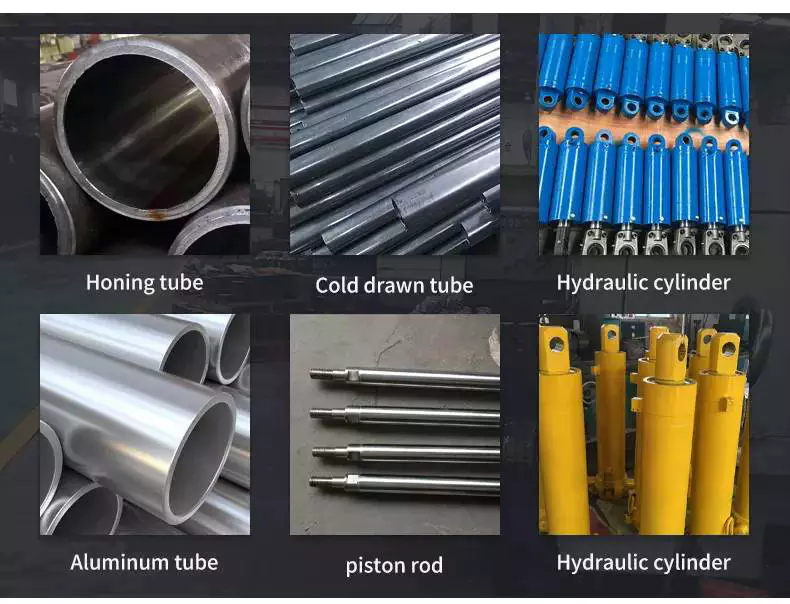
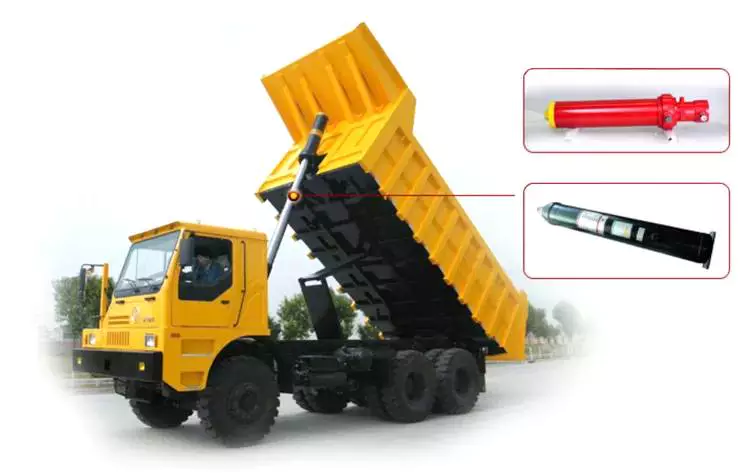
Exibição do produto:
Mounting:
Working Flow: About Us
Tongte designs and manufactures durable, heavy-duty hydraulic products and accessories and offers lifecycle services to them. We constantly develop our machine base and operations to meet customer-specific needs and remain leaders in the industry. Beyond all else, we want to be the trusted, groundbreaking partner our customers truly need.
In addition to the customized cylinders, CHINAMFG offers hydraulic power units, Electric-Hydraulic linear actuators, piston accumulators, system configurations, and versatile services such as repair and manufacturing services. The modern production facilities are located in HangZhou, ZheJiang (China) where production started in 2001. The core values of Tongke guiding its business strongly are commitment, sustainability, interaction, and customer-first.
We possess over 20 years of experience in the industry and extensive global market experience, our customers are located all over the world, and we truly commit to the customers’ needs – these are the success factors of our family-owned company. Our vision is to grow and expand the business further into global markets.
PERGUNTAS FREQUENTES:
Q1: What does your company do?
A: we are a supplier of high-quality hydraulic products including Hydraulic Cylinders, Hydraulic Power packs, Hydraulic Linear, and other Hydraulic components.
Q2:Are you a manufacturer or trading company?
A: We are a manufacturer.
Q3:Are you able to make Non-standard or customized products?
A: Yes, we can.
Q3: How long is your delivery time?
A: Normally, the delivery time is 7 days if we have stock, and 15-30 working days if we don’t. but it
also depends on the product
requirements and quantity.
Q4: Do you provide samples? are the samples free or not?
A: Yes, we can provide samples, but they are not free of charge.
Q5: What are your payment terms?
A: 30% deposit T/T or Irrevocable L/C at sight, If you have any questions, please feel free to
contact us.
Q6: What is your warranty policy?
A: All our products are warranted for 1 full year from the date of delivery against defects in materials and workmanship. Each individual product will be strictly inspected on our factory QC Process
System before shipment. We also have a Customer Service team to respond to customers’ questions within 12 hours.
| Certification: | ISO9001 |
|---|---|
| Pressure: | Medium Pressure |
| Work Temperature: | Normal Temperature |
| Customization: | Available |
|
|---|
.shipping-cost-tm .tm-status-off{background: none;padding:0;color: #1470cc}
| Shipping Cost: Estimated freight per unit. | about shipping cost and estimated delivery time. |
|---|
| Payment Method: |
|
|---|---|
| Initial Payment Full Payment |
| Currency: | US$ |
|---|
| Return&refunds: | You can apply for a refund up to 30 days after receipt of the products. |
|---|
De que forma os cilindros hidráulicos contribuem para a relação custo-benefício geral dos processos industriais?
Os cilindros hidráulicos desempenham um papel crucial na melhoria da relação custo-benefício dos processos industriais. Eles oferecem diversas vantagens e contribuem para o aumento da produtividade, a melhoria da eficiência, a redução dos custos de manutenção e o aprimoramento do desempenho operacional. A seguir, uma explicação detalhada de como os cilindros hidráulicos contribuem para a relação custo-benefício dos processos industriais:
1. Alta densidade de potência:
Os cilindros hidráulicos oferecem uma elevada relação potência/peso, permitindo-lhes gerar uma força substancial num design compacto. Esta densidade de potência possibilita a utilização de equipamentos mais pequenos e leves, reduzindo os custos de materiais e de fabrico e aumentando a eficiência dos processos industriais.
2. Controle preciso de força e posição:
Os cilindros hidráulicos oferecem controle preciso de força e posição, permitindo o movimento e posicionamento exatos de máquinas ou peças. Esse nível de controle aumenta a eficiência do processo, reduz o desperdício de material e melhora a qualidade geral do produto. O controle preciso da força também minimiza o risco de danos ao equipamento, reduzindo ainda mais os custos de manutenção e reparo.
3. Alta capacidade de carga:
Os cilindros hidráulicos são conhecidos por sua capacidade de suportar cargas elevadas. Eles podem exercer uma força significativa, tornando-os adequados para aplicações industriais pesadas. Ao lidar com cargas pesadas de forma eficiente, os cilindros hidráulicos contribuem para o aumento da produtividade e do rendimento, reduzindo a necessidade de equipamentos adicionais e otimizando os processos industriais.
4. Flexibilidade e Versatilidade:
Os cilindros hidráulicos oferecem um alto grau de flexibilidade e versatilidade em processos industriais. Podem ser facilmente integrados a diversos tipos de máquinas e equipamentos, permitindo aplicações variadas. Essa adaptabilidade reduz a necessidade de equipamentos especializados, resultando em economia de custos e maior eficiência operacional.
5. Eficiência energética:
Os sistemas hidráulicos, incluindo os cilindros hidráulicos, podem ser projetados para operar com alta eficiência energética. Ao utilizar projetos de circuitos hidráulicos eficientes, sistemas de controle avançados e mecanismos de recuperação de energia, os cilindros hidráulicos minimizam o desperdício de energia e reduzem os custos operacionais. Sistemas hidráulicos energeticamente eficientes também contribuem para uma operação industrial mais sustentável e ecologicamente correta.
6. Durabilidade e Longevidade:
Os cilindros hidráulicos são projetados para suportar ambientes industriais exigentes e uso intenso. São fabricados com materiais robustos e submetidos a rigorosos controles de qualidade para garantir durabilidade e longa vida útil. Sua capacidade de suportar condições adversas e movimentos repetitivos reduz a necessidade de substituições frequentes, minimizando o tempo de inatividade e os custos de manutenção.
7. Requisitos de manutenção reduzidos:
Os cilindros hidráulicos requerem relativamente pouca manutenção em comparação com outros tipos de atuadores. Sistemas hidráulicos bem projetados, com mecanismos eficientes de filtragem e controle de contaminação, podem prevenir danos aos cilindros e prolongar sua vida útil. A redução da necessidade de manutenção resulta em menor tempo de inatividade, custos de mão de obra reduzidos e maior custo-benefício dos processos industriais.
8. Integração e Automação de Sistemas:
Os cilindros hidráulicos podem ser integrados perfeitamente em processos industriais automatizados. Ao incorporar cilindros hidráulicos em sistemas automatizados, as tarefas podem ser executadas com precisão e repetibilidade, reduzindo erros humanos e otimizando a eficiência. A automação também permite a operação contínua, aumentando a produtividade e a relação custo-benefício geral.
9. Substituição com boa relação custo-benefício:
– Em situações onde os cilindros hidráulicos necessitam de substituição ou reparo, a relação custo-benefício do processo é mantida. Os cilindros hidráulicos são tipicamente modulares, permitindo a fácil substituição de componentes individuais ou unidades completas. Essa modularidade reduz o tempo de inatividade e os custos associados, uma vez que apenas os componentes afetados precisam ser substituídos, em vez de todo o sistema.
Em resumo, os cilindros hidráulicos contribuem para a relação custo-benefício geral dos processos industriais por meio de sua alta densidade de potência, capacidades de controle preciso, alta capacidade de carga, flexibilidade, eficiência energética, durabilidade, menores requisitos de manutenção, integração de sistemas e opções de substituição com boa relação custo-benefício. Sua capacidade de aumentar a produtividade, a eficiência e o desempenho operacional, minimizando os custos de manutenção e tempo de inatividade, torna os cilindros hidráulicos um componente valioso em diversas aplicações industriais.
Advancements in Hydraulic Cylinder Technology Improving Corrosion Resistance
Advancements in hydraulic cylinder technology have led to significant improvements in corrosion resistance. Corrosion is a major concern in hydraulic systems, especially in environments where cylinders are exposed to moisture, chemicals, or corrosive agents. These advancements aim to enhance the durability and longevity of hydraulic cylinders. Let’s explore some of the key advancements in hydraulic cylinder technology that have improved corrosion resistance:
- Corrosion-Resistant Materials: The use of corrosion-resistant materials is a fundamental advancement in hydraulic cylinder technology. Stainless steel, for example, offers excellent resistance to corrosion, making it a popular choice in marine, offshore, and other corrosive environments. Additionally, advancements in metallurgy have led to the development of specialized alloys and coatings that provide enhanced corrosion resistance, extending the lifespan of hydraulic cylinders.
- Surface Treatments and Coatings: Various surface treatments and coatings have been developed to protect hydraulic cylinders from corrosion. These treatments can include electroplating, galvanizing, powder coating, and specialized corrosion-resistant coatings. These coatings create a barrier between the cylinder surface and corrosive elements, preventing direct contact and inhibiting the onset of corrosion. The selection of appropriate coatings depends on the specific application and environmental conditions.
- Sealing Technology: Effective sealing systems are crucial in preventing water, moisture, and contaminants from entering the cylinder and causing corrosion. Advancements in sealing technology have led to the development of high-quality seals and advanced sealing designs that offer superior resistance to corrosion. These seals are typically made from materials specifically engineered to withstand corrosive environments, ensuring long-term sealing performance and minimizing the risk of corrosion-related issues.
- Improved Surface Finishes: The surface finish of hydraulic cylinders plays a role in their resistance to corrosion. Advancements in machining and polishing techniques have allowed for smoother and more uniform surface finishes. Smoother surfaces reduce the likelihood of corrosion initiation and make it easier to clean and maintain hydraulic cylinders. Additionally, specialized finishes, such as passivation or chemical treatments, can be applied to further enhance corrosion resistance.
- Environmental Protection Features: Hydraulic cylinders can be equipped with additional features to protect against corrosion. These features may include protective boots, bellows, or shields that guard vulnerable areas from exposure to corrosive agents. By incorporating these protective elements into the design, hydraulic cylinders can withstand harsh environments and minimize the risk of corrosion-related damage.
In summary, advancements in hydraulic cylinder technology have significantly improved corrosion resistance. The use of corrosion-resistant materials, advanced surface treatments and coatings, innovative sealing technology, improved surface finishes, and the incorporation of environmental protection features have all contributed to enhanced durability and longevity of hydraulic cylinders in corrosive environments. These advancements ensure reliable performance and reduce the maintenance and replacement costs associated with corrosion-related issues.
How do hydraulic cylinders contribute to the efficiency of heavy machinery like excavators?
Hydraulic cylinders play a crucial role in enhancing the efficiency and performance of heavy machinery, such as excavators. These powerful hydraulic actuators enable excavators to perform various tasks efficiently and effectively. Here’s a detailed explanation of how hydraulic cylinders contribute to the efficiency of heavy machinery like excavators:
1. Force and Power:
– Hydraulic cylinders provide the necessary force and power required for the excavation process. They convert hydraulic energy from the hydraulic fluid into linear mechanical force, allowing the excavator to exert significant pushing and pulling forces. The force generated by hydraulic cylinders enables the digging arm or boom of the excavator to penetrate and break through tough materials, such as soil, rocks, or concrete, with ease and efficiency.
2. Precise Control:
– Hydraulic cylinders offer precise control over the movement of excavator components. By regulating the flow of hydraulic fluid to the cylinders, operators can control the speed, direction, and positioning of the excavator’s arm, boom, bucket, and other attachments. This precise control allows operators to perform delicate operations, such as fine grading or precise material placement, with accuracy and efficiency.
3. Versatility and Adaptability:
– Hydraulic cylinders enable excavators to perform a wide range of tasks by facilitating the quick and easy interchangeability of attachments. Excavators can be equipped with various specialized attachments, including buckets, breakers, grapples, and augers, which can be efficiently connected and disconnected using hydraulic cylinders. This versatility and adaptability enhance the efficiency of excavators by enabling them to tackle different tasks without the need for extensive manual adjustments or downtime.
4. Increased Productivity:
– The power and control provided by hydraulic cylinders significantly increase the productivity of excavators. Excavators equipped with hydraulic cylinders can complete tasks more quickly and efficiently compared to manual or mechanically-driven machinery. The precise control over movements allows for faster cycle times, reduced idle time, and improved overall productivity on the worksite.
5. Enhanced Digging and Lifting Capabilities:
– Hydraulic cylinders enable excavators to perform digging and lifting operations with enhanced capabilities. The force generated by hydraulic cylinders allows excavators to dig deeper and lift heavier loads compared to other types of machinery. This increased digging and lifting capacity contributes to the efficiency of excavators by reducing the number of passes required to complete a task and improving overall productivity.
6. Durability and Reliability:
– Hydraulic cylinders are designed to withstand heavy loads, challenging operating conditions, and frequent use. They are built with robust materials, such as high-strength steel, and undergo stringent quality control measures during manufacturing. The durability and reliability of hydraulic cylinders ensure that excavators can operate efficiently even in demanding environments, minimizing downtime and maximizing productivity.
7. Energy Efficiency:
– Hydraulic systems, including hydraulic cylinders, are known for their energy efficiency. Hydraulic cylinders can deliver high force outputs while consuming relatively low amounts of hydraulic fluid. This energy efficiency translates to lower fuel consumption and reduced operating costs for excavators. The efficient use of hydraulic power contributes to the overall efficiency and sustainability of heavy machinery operations.
8. Safety:
– Hydraulic cylinders play a vital role in ensuring the safety of excavator operations. They provide controlled and predictable movements, reducing the risk of sudden or uncontrolled motions. The precise control offered by hydraulic cylinders allows operators to perform tasks safely and accurately, minimizing the chances of accidents or damage to the machinery or surrounding environment.
Overall, hydraulic cylinders are essential components that significantly contribute to the efficiency of heavy machinery like excavators. By providing force, precise control, versatility, increased productivity, enhanced capabilities, durability, energy efficiency, and safety, hydraulic cylinders enable excavators to perform a wide range of tasks efficiently and effectively in various industries, including construction, mining, and landscaping.


editor by CX 2023-10-21
 Portuguese
  English
  Italian
  Dutch
Dutch  Swedish
  Danish
  Finnish
  Polish
  Hindi
Hindi  Kazakh
  Turkish
  Ukrainian
  Romanian
  Spanish
  German
  Russian
  Korean
  Japanese
  Vietnamese
  Thai
Thai  Indonesian
  Malay
Malay  French
  Greek
Greek