
Опис продукту
| Type: | Delivery cylinder |
| Standard: | As drawing |
| Material steel: | 45#, 16Mn(Q345B), 25Mn, 27SiMn, SY720, ZNP460 |
| Straightness /thickness/ roundness rate: | As agreement |
| Chrome-plated: | Area and thickness as request |
| Shape: | Round |
| Package: | Wooden case, as customer’s request |
| Usage: | Engineering machinery, mining machinery, construction machinery, metallurgy, water conservancy projects and other industries |
| Warranty: | 12 months |
| Capacity: | 1000 pcs /month |
| Trademark: | CSDLS, neutral, or as request |
| Remarks: | Concrete pump spare parts |
| Partial Model List for delivery cylinder | ||
| Brand/product | Cylinder diameter(mm) | Length(mm) |
| For SANY | Φ200 | 1446 |
| 1546 | ||
| 1570 | ||
| 1746 | ||
| 1946 | ||
| 2246 | ||
| Φ230 | 1746 | |
| 1756 | ||
| 2146 | ||
| Φ260 | 2045 | |
| 2090 | ||
| 2145 | ||
| 2245 | ||
| 2345 | ||
| For ZOOMLION | Φ200 | 1800 with round flange |
| 1800 with prismatic flange | ||
| 1862 with round flange | ||
| 1960 with prismatic flange | ||
| 2012 | ||
| 2306 | ||
| Φ230 | 1750 | |
| 1800 with round flange | ||
| 1800 with prismatic flange | ||
| 2250 with round flange | ||
| 2250 with prismatic flange | ||
| Φ260 | 2250 with round flange | |
| 2250 with prismatic flange | ||
| For FOTON | Φ230 | 2174 |
| Φ260 | 2264 | |
| For XCMG | Φ260 | 2142 |
| 2342 | ||
| For Filling Pump | Φ100 | 910 |
| Φ150 | 1330 | |
| Φ200 | 680 | |
| Φ250 | 2220 | |
| Φ300 | 2320 | |
| Φ300 | 2355 | |
| Φ300 | 2755 | |
| Φ300 | 3354 | |
| Φ400 | 2830 | |
| Φ400 | 3460 | |
| Φ560 | 3960 |
/* January 22, 2571 19:08:37 */!function(){function s(e,r){var a,o={};try{e&&e.split(“,”).forEach(function(e,t){e&&(a=e.match(/(.*?):(.*)$/))&&1
| After-sales Service: | Yes |
|---|---|
| Warranty: | 12 Months |
| Type: | Concrete Delivery Cylinder |
| Usage: | Mining |
| Package: | as Request |
| Capacity: | 1, 000PCS/Month |
| Зразки: | US$ 590/Piece 1 штука (мінімальне замовлення) | |
|---|
| Налаштування: | Доступно |
|
|---|
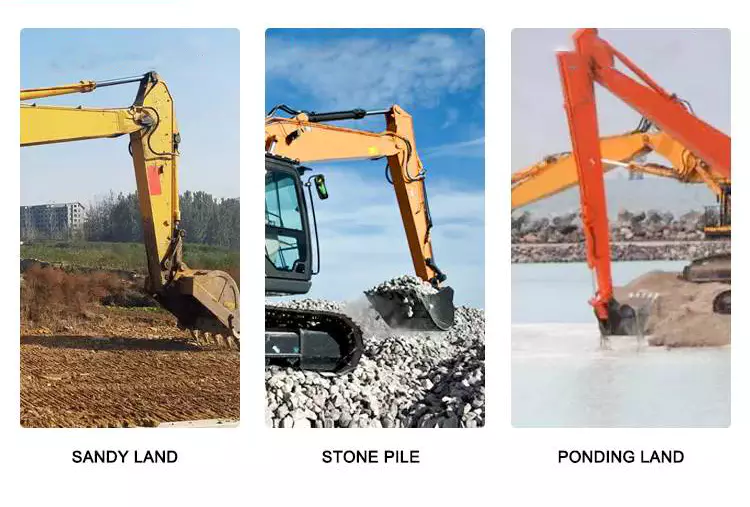
Які досягнення в технології гідравлічних циліндрів покращили герметизацію та надійність?
Досягнення в технології гідравлічних циліндрів постійно сприяють покращенню герметизації та надійності гідравлічних систем. Ці досягнення спрямовані на вирішення поширених проблем, таких як витік, знос та поломка ущільнень, забезпечуючи оптимальну продуктивність та довговічність. Ось кілька ключових досягнень, які значно покращили герметизацію та надійність гідравлічних циліндрів:
1. Високоефективні герметичні матеріали:
– Розробка передових ущільнювальних матеріалів значно покращила герметичність гідравлічних циліндрів. Традиційні ущільнювальні матеріали, такі як гума, були замінені або вдосконалені високоефективними матеріалами, такими як поліуретан, PTFE (політетрафторетилен) та різні композитні матеріали. Ці матеріали забезпечують чудову стійкість до зносу, температури та хімічного руйнування, що призводить до покращення герметичності та збільшення терміну служби ущільнення.
2. Удосконалені конструкції ущільнень:
– Досягнення в конструкціях ущільнень зосереджені на покращенні ефективності та надійності герметизації. Для оптимізації утримання рідини та запобігання забрудненню були розроблені інноваційні профілі ущільнень, такі як манжетні ущільнення, скребки та скребки. Ці конструкції забезпечують кращу герметичність, мінімізуючи ризик витоку рідини та підтримуючи цілісність системи. Крім того, покращена геометрія ущільнень та технології виробництва забезпечують жорсткіші допуски, зменшуючи ймовірність поломки ущільнення через неспіввісність або екструзію.
3. Інтегровані системи ущільнень та підшипників:
– Гідравлічні циліндри тепер містять інтегровані системи ущільнень та підшипників, де ущільнювальні елементи також служать опорними поверхнями. Такий конструктивний підхід зменшує кількість компонентів та потенційних точок відмови, підвищуючи загальну надійність. Завдяки інтеграції ущільнень та підшипників мінімізується ризик пошкодження або зміщення ущільнень через надмірні навантаження або неспіввісність, що призводить до покращення характеристик герметизації та підвищення надійності.
4. Сучасні покриття та обробка поверхонь:
– Застосування сучасних покриттів та обробок поверхні до компонентів гідравлічних циліндрів значно покращило герметизацію та надійність. Такі покриття, як хромування або керамічні покриття, підвищують твердість поверхні, зносостійкість та стійкість до корозії. Ці обробки поверхні забезпечують гладкішу та міцнішу поверхню для роботи ущільнень, зменшуючи тертя та покращуючи герметичність. Крім того, спеціалізовані покриття також можуть забезпечувати самозмащувальні властивості, зменшуючи потребу в додатковому змащуванні та підвищуючи надійність.
5. Технології моніторингу та діагностики систем герметизації:
– Інтеграція технологій моніторингу та діагностики в гідравлічні системи призвела до революції в продуктивності та надійності ущільнень. Датчики та системи моніторингу можуть виявляти та попереджати операторів про потенційні відмови ущільнень або витоки до їх виникнення. Моніторинг тиску, температури та параметрів роботи ущільнень у режимі реального часу дозволяє проводити проактивне технічне обслуговування та раннє втручання, запобігаючи дороговартісним простоям та забезпечуючи оптимальне ущільнення та надійність.
6. Обчислювальне моделювання та симуляція:
– Методи обчислювального моделювання та симуляції відіграли значну роль у вдосконаленні герметизації та надійності гідравлічних циліндрів. Ці інструменти дозволяють інженерам аналізувати та оптимізувати конструкції ущільнень, динаміку потоку рідини та контактні напруження. Моделюючи різні робочі умови, можна виявити та усунути потенційні проблеми, такі як екструзія ущільнення, знос або витік, на ранніх етапах проектування, що призводить до покращення характеристик герметизації та підвищення надійності.
7. Систематичні методи технічного обслуговування:
– Досягнення в технології гідравлічних циліндрів також підкреслили важливість систематичного технічного обслуговування для забезпечення герметизації та загальної надійності системи. Регулярний огляд, змащування та заміна ущільнень, а також планове промивання та фільтрація системи допомагають запобігти передчасному виходу ущільнень з ладу та оптимізувати їхню ефективність. Впровадження графіків профілактичного технічного обслуговування та дотримання рекомендованих інтервалів обслуговування сприяють подовженню терміну служби ущільнень та підвищенню надійності.
Підсумовуючи, досягнення в технології гідравлічних циліндрів призвели до значних покращень герметизації та надійності. Високоефективні ущільнювальні матеріали, вдосконалені конструкції ущільнень, інтегровані системи ущільнень та підшипників, вдосконалені покриття та обробка поверхонь, моніторинг та діагностика систем ущільнень, комп'ютерне моделювання та симуляція, а також систематичні методи технічного обслуговування – все це відіграло ключову роль у досягненні оптимальної продуктивності герметизації та підвищення надійності. Ці досягнення призвели до створення більш ефективних та надійних гідравлічних систем, мінімізації витоків, зносу та поломок ущільнень, і, зрештою, покращення загальної продуктивності та довговічності гідравлічних циліндрів у різних сферах застосування.
Can you provide real-world examples of machinery that heavily rely on hydraulic cylinders?
Hydraulic cylinders are widely used in various industries and applications due to their ability to provide powerful and precise linear motion. They play a crucial role in enabling the operation of heavy machinery that requires controlled force and movement. Here are some real-world examples of machinery that heavily rely on hydraulic cylinders:
1. Construction Equipment:
– Hydraulic cylinders are extensively used in construction machinery, such as excavators, bulldozers, loaders, and cranes. These machines rely on hydraulic cylinders to perform tasks like lifting heavy loads, extending and retracting booms, tilting buckets, and controlling the movement of various components. Hydraulic cylinders provide the power and precision required to handle the demanding conditions and heavy loads encountered in construction projects.
2. Agricultural Machinery:
– Many agricultural machines, including tractors, combine harvesters, and sprayers, utilize hydraulic cylinders for critical operations. Hydraulic cylinders are used to control the movement of attachments, such as front loaders, backhoes, and plows. They enable functions like lifting and lowering implements, adjusting cutting heights, and controlling the positioning of harvesting equipment. Hydraulic cylinders enhance efficiency and productivity in agricultural operations.
3. Material Handling Equipment:
– Hydraulic cylinders are integral components of material handling equipment, such as forklifts, pallet jacks, and cranes. These machines rely on hydraulic cylinders to lift and lower loads, tilt platforms or forks, and control the movement of lifting mechanisms. Hydraulic cylinders provide the necessary strength and precision to handle heavy loads and ensure safe and efficient material handling operations.
4. Industrial Machinery:
– Various industrial machinery and equipment heavily rely on hydraulic cylinders for critical functions. Examples include hydraulic presses, injection molding machines, metal-forming machines, and hydraulic-powered robots. Hydraulic cylinders enable precise control of force and movement in these applications, allowing for accurate shaping, pressing, and assembly processes.
5. Mining Equipment:
– Hydraulic cylinders are extensively used in mining machinery and equipment. Underground mining machines, such as continuous miners and longwall shearers, utilize hydraulic cylinders for cutting, shearing, and roof support operations. Surface mining equipment, including hydraulic shovels, draglines, and haul trucks, rely on hydraulic cylinders for tasks like bucket movement, boom extension, and vehicle suspension.
6. Automotive Industry:
– The automotive industry extensively utilizes hydraulic cylinders in various applications. Hydraulic cylinders are employed in vehicle suspension systems, power steering systems, convertible tops, and hydraulic brake systems. They enable smooth and controlled movement, precise steering, and efficient braking in automobiles.
7. Aerospace and Aviation:
– Hydraulic cylinders are utilized in aerospace and aviation applications, such as aircraft landing gear systems, wing flaps, and cargo handling equipment. Hydraulic cylinders provide the necessary force and control for extending and retracting landing gear, adjusting wing flaps, and operating cargo doors, ensuring safe and reliable aircraft operations.
8. Marine and Offshore Industry:
– Hydraulic cylinders are essential components in marine and offshore equipment, including ship cranes, winches, and hydraulic-powered anchor systems. They enable lifting, lowering, and positioning of heavy loads, as well as the control of various marine equipment.
These are just a few examples of machinery and industries that heavily rely on hydraulic cylinders. The versatility, power, and precise control offered by hydraulic cylinders make them indispensable in a wide range of applications, where controlled linear motion and force are essential.
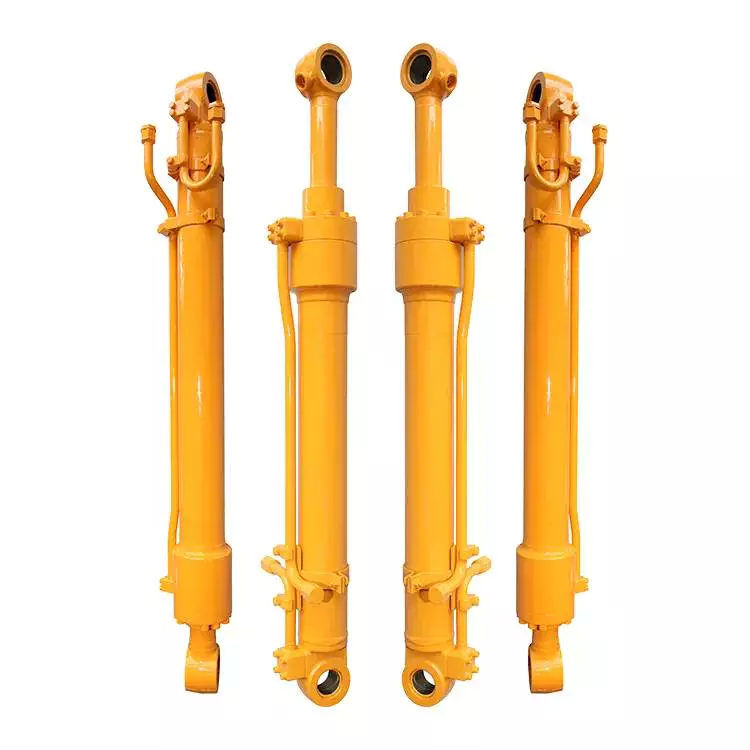
What maintenance practices are essential for extending the lifespan of hydraulic cylinders?
Maintaining hydraulic cylinders is crucial for extending their lifespan and ensuring optimal performance. Regular maintenance helps prevent premature wear, damage, and failure, ultimately reducing downtime and saving costs. Here are some essential maintenance practices to consider for extending the lifespan of hydraulic cylinders:
1. Regular Inspections:
– Conduct routine visual inspections of hydraulic cylinders to identify any signs of damage, leaks, or wear. Inspect the cylinder body, piston rod, seals, and mounting points. Look for fluid leaks, rust, dents, or any abnormal wear patterns. Early detection of issues allows for timely repairs or replacements, preventing further damage and extending the lifespan of the cylinder.
2. Cleanliness:
– Maintain a clean environment around hydraulic cylinders to prevent contaminants from entering the system. Dust, dirt, and debris can damage seals and other internal components, leading to accelerated wear and reduced performance. Regularly clean the cylinder and its surroundings to minimize the risk of contamination.
3. Proper Lubrication:
– Adequate lubrication is critical for the smooth operation and longevity of hydraulic cylinders. Follow the manufacturer’s recommendations for lubrication intervals and use the appropriate lubricant. Apply lubrication to the cylinder’s moving parts, such as the piston rod, to reduce friction and minimize wear.
4. Seal Maintenance:
– Seals play a vital role in preventing hydraulic fluid leaks and maintaining the cylinder’s performance. Inspect and replace worn or damaged seals promptly. Ensure that seals are properly installed and lubricated. Regularly clean the seal grooves to remove any debris that could compromise seal effectiveness.
5. Pressure Checks:
– Periodically check the hydraulic system’s pressure to ensure it is within the recommended operating range. Excessive pressure can strain the cylinder and its components, leading to premature wear. Monitor pressure levels and make adjustments as necessary to prevent overloading the cylinder.
6. Control Valve Maintenance:
– Maintain and inspect control valves that regulate the flow and direction of hydraulic fluid. Ensure that the valves are functioning correctly and not causing excessive stress or pressure spikes in the cylinder. Clean or replace control valves if they are damaged or malfunctioning.
7. Cylinder Alignment:
– Proper alignment of hydraulic cylinders is essential for their longevity. Misalignment can cause excessive side loads, leading to uneven wear and potential damage. Ensure that the cylinder is correctly aligned with other components and that the mounting points are secure.
8. Preventing Overloading:
– Avoid subjecting hydraulic cylinders to loads exceeding their rated capacity. Overloading can cause internal damage, seal failure, and reduced lifespan. Ensure that the load requirements are within the cylinder’s capabilities and consider using safety devices like overload protection systems when necessary.
9. Training and Operator Awareness:
– Provide proper training to equipment operators on the correct use and handling of hydraulic cylinders. Operators should be aware of the cylinder’s limitations, safe operating procedures, and the importance of regular maintenance. Promote a culture of proactive maintenance and encourage operators to report any potential issues promptly.
10. Documentation and Record-Keeping:
– Maintain detailed documentation of all maintenance activities, including inspections, repairs, and replacements. Keep records of lubrication schedules, pressure checks, and any maintenance performed on the hydraulic cylinders. This documentation helps track the cylinder’s history, identify recurring issues, and plan future maintenance effectively.
By following these maintenance practices, hydraulic cylinder lifespan can be extended, ensuring reliable performance and reducing the risk of unexpected failures. Regular inspections, cleanliness, proper lubrication, seal maintenance, pressure checks, control valve maintenance, cylinder alignment, preventing overloading, operator training, and documentation contribute to the overall longevity and optimal functioning of hydraulic cylinders.


editor by Dream 2024-05-15
 Ukrainian
  English
  Italian
  Portuguese
  Dutch
Dutch  Swedish
  Danish
  Finnish
  Polish
  Hindi
Hindi  Kazakh
  Turkish
  Romanian
  Spanish
  German
  Russian
  Korean
  Japanese
  Vietnamese
  Thai
Thai  Indonesian
  Malay
Malay  French
  Greek
Greek