
Deskripsi Produk
China Factory Provide Double Acting Piston Reciprocating Hydraulic Cylinder for Injection Molding Machine
Produk Spesifikasi:
| Barang | Spesifikasi |
| Diameter lubang | 80mm-250mm,customizable |
| Diameter tubuh | 60mm-200mm,customizable |
| Stroke | 500mm-5000mm,customizable |
| Tekanan Kerja | 7-40Mpa,dapat disesuaikan |
| Perlakuan permukaan pada batang piston | Pelapisan Krom Keras, Pelapisan Elektro Krom Putih Susu + Krom Keras, Pelapisan Nikel + Pelapisan Krom Keras, Pelapisan CrC NiC dengan Bahan Bakar Oksigen Kecepatan Tinggi, Pelapisan Keramik, Nitridasi, Pelapisan Laser |
| Tekanan Kerja | Tekanan maksimum 38MPa, Dapat disesuaikan |
| Bahan | Tabung tarik dingin berkekuatan tarik tinggi, diasah secara presisi untuk memperpanjang masa pakai segel. |
| Pemasangan | Anting, Flange, Clevis, Kaki, Trunnion, Dapat Disesuaikan |
| Jenis Segel | Parker, NOK, Hallite GAPI atau sesuai kebutuhan pelanggan |
| Garansi | 18 bulan |
| MOQ | 1 buah |
| Waktu Produksi | Tergantung jumlah pesanan, biasanya 30-40 hari. |
| Sertifikasi | ISO9001, CE, SGS |
| Warna | Merah, Putih, Merah Muda, Kuning, Biru, dll., Dapat Disesuaikan |
| Kemasan | metal case,plywood case,carton or as requirement |
| Melayani | OEM & ODM |
| Keunggulan Harga | Harga pabrik yang kompetitif dengan kualitas terjamin. |
| Jenis Bisnis | Pabrikan |
Tampilan Produk:
Aplikasi:Teknik Industri,Dual-plated Injection Molding Machine.
Metode Pemasangan:
Pabrik Kami:
Proses Inspeksi:
| Jenis Inspeksi | Standar Inspeksi |
| Inspeksi Bahan Baku | Sebelum penyimpanan, QC melakukan pengukuran bahan baku. |
| Inspeksi Material Proses | Selama proses produksi, tim QC melakukan inspeksi secara acak. Sebelum komponen silinder hidrolik dipindahkan ke proses selanjutnya, tim QC melakukan inspeksi. |
| Pengujian Fungsi Akhir | Semua silinder hidrolik menjalani uji fungsi hidrolik. |
Inspeksi Sifat Mekanik Bahan Baku
Inspeksi Material Proses
Pengujian Fungsi Akhir
Pengemasan & Pengiriman:
Tentang Kami:
Sertifikat Kami
ZheJiang Tianjian Hidrolik Technology Co, Ltd adalah mengkhususkan diri dalam produksi berbagai jenis silinder hidrolik serta laras silinder, silinder piston, dan aksesori silinder lainnya.
Sebagai produsen silinder hidrolik yang sangat terspesialisasi, Tianjian menyediakan solusi optimasi desain dan produk yang andal kepada banyak pelanggan di dalam dan luar negeri. Baik di bidang mesin konstruksi, mesin jembatan kereta api, mesin kapal pelabuhan, mesin metalurgi dan pertambangan, mesin industri minyak dan ringan, kendaraan khusus, dan industri lainnya, Tianjian dapat menyediakan berbagai skema optimasi desain dan produk silinder hidrolik standar dan non-standar sesuai dengan kebutuhan pengguna, serta memberikan layanan terintegrasi untuk kesempurnaan dan kualitas.
Jika memungkinkan, saat menghubungi kami, mohon sertakan informasi seperti di bawah ini.
Membosankan | Batang | Stroke | Tekanan Kerja | Pemasangan | Lingkungan kerja |
|
|
|
|
|
|
Atau Anda dapat memberikan diagram sketsa atau foto kepada kami agar kami dapat memahami maksud Anda dengan tepat, dan membantu kami menghindari kesalahan.
Dan jika Anda memiliki sampel, kami dapat memproduksi sesuai dengan sampel Anda setelah dikirimkan kepada kami.
Silakan berkunjung ke pabrik kami jika Anda punya waktu.
Kepuasan Anda adalah motivasi terbesar kami.
Sekarang, Anda dapat menghubungi kami untuk pertanyaan atau permintaan apa pun.
Pertanyaan yang Sering Diajukan (FAQ):
1. Apa yang dilakukan perusahaan Anda?
A: Kami adalah pemasok produk hidrolik berkualitas tinggi termasuk Silinder Hidrolik, Motor Hidrolik, Unit Daya Hidrolik, Stasiun Hidrolik, dan komponen hidrolik lainnya.
2. Apakah Anda perusahaan manufaktur atau perusahaan perdagangan?
A: Kami adalah produsen.
3. Sertifikat apa yang Anda miliki?
A: Semua pabrik kami bersertifikat ISO. Dan pemasok utama bahan dan suku cadang kami memiliki sertifikat CE, RoHS, CSA, dan UL.
4. Berapa lama waktu pengiriman Anda?
A: Waktu pengiriman bergantung pada produk dan jumlah pesanan yang berbeda. Silinder biasanya membutuhkan waktu sekitar 45-60 hari dan Motor membutuhkan waktu sekitar 30-50 hari.
5. Dapatkah Anda membuat suku cadang sesuai dengan kebutuhan atau gambar pelanggan?
A: Ya, kami dapat melakukan OEM untuk Anda sesuai dengan gambar Anda. Teknisi kami juga dapat memberikan dukungan profesional untuk saran teknis.
6. Jenis syarat pembayaran apa yang Anda terima?
A: Kami lebih memilih pembayaran melalui transfer bank (T/T). Pembayaran dilakukan dengan format 30% saat pesanan dikonfirmasi dan 70% sebelum pengiriman. Letter of Credit (L/C) juga dapat diterima untuk jumlah di atas 20.000 USD.
7. Apa kebijakan garansi Anda?
A: Semua produk kami bergaransi selama 1 tahun penuh sejak tanggal pengiriman terhadap cacat material dan pengerjaan. Garansi ini tidak mencakup suku cadang yang aus karena penggunaan normal atau rusak karena kelalaian. Kami sangat mengingatkan bahwa oli hidrolik yang tidak bersih pasti akan menyebabkan kerusakan pada komponen hidrolik Anda. Dan kerusakan ini tidak termasuk dalam cakupan garansi. Jadi, kami sangat menyarankan Anda untuk menggunakan oli baru yang bersih atau memastikan oli sistem bersih saat menggunakan suku cadang kami.
/* May 10, 2571 16:49:51 */!function(){function d(e,r){var a,o={};try{e&&e.split(“,”).forEach(function(e,t){e&&(a=e.match(/(.*?):(.*)$/))&&1
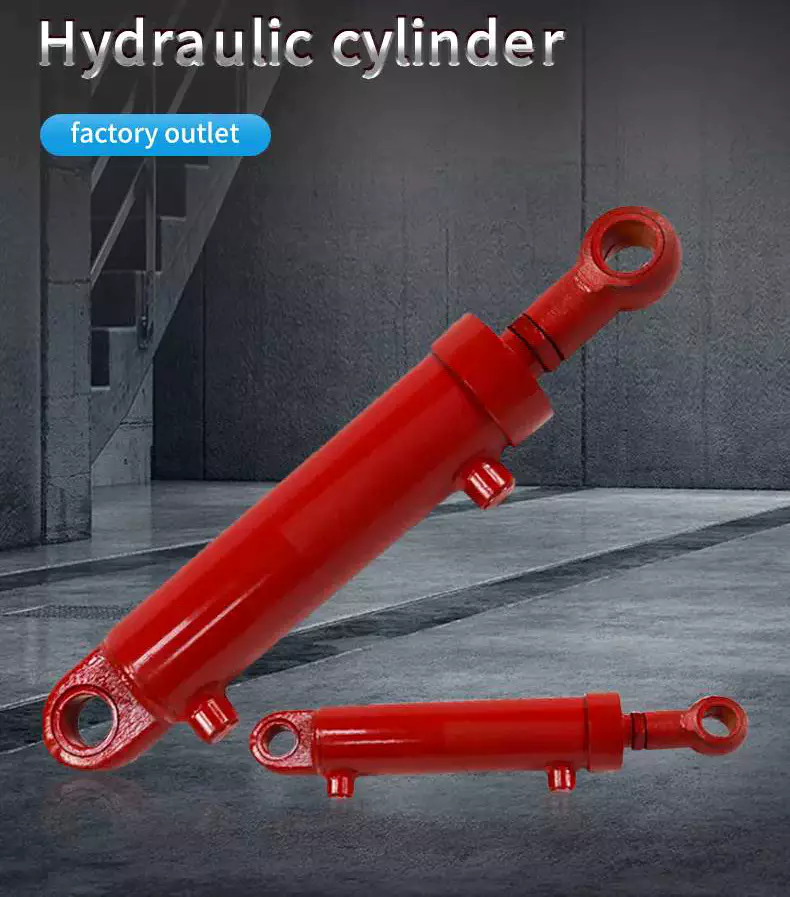
How do hydraulic cylinders ensure smooth and consistent movement in heavy machinery?
Hydraulic cylinders play a vital role in ensuring smooth and consistent movement in heavy machinery. Their design and operation allow for precise control over the motion of heavy loads, resulting in efficient and reliable performance. Here’s a detailed explanation of how hydraulic cylinders contribute to smooth and consistent movement in heavy machinery:
1. Hydraulic Fluid and Pressure:
– Hydraulic cylinders operate by utilizing hydraulic fluid, typically oil, to transmit force and motion. The fluid is pressurized by a hydraulic pump, creating a force that acts on the piston inside the cylinder. The pressure of the hydraulic fluid can be precisely controlled, allowing for smooth and gradual movement of heavy machinery. The fluid’s incompressibility ensures that the force is evenly distributed, resulting in consistent and predictable motion.
2. Piston and Cylinder Design:
– Hydraulic cylinders are designed with precision to ensure smooth movement. The piston and cylinder bore are machined to tight tolerances, reducing friction and minimizing internal leakage. This precise fit between the piston and cylinder walls helps maintain consistent motion without jerks or sudden changes in speed. Additionally, the use of high-quality seals and lubrication further enhances the smooth operation of the cylinder.
3. Control Valves and Flow Control:
– Hydraulic systems incorporate control valves that regulate the flow of hydraulic fluid into and out of the cylinder. These valves allow for precise control over the speed and direction of the cylinder’s movement. By adjusting the flow rate, operators can achieve smooth and controlled motion of heavy machinery, avoiding sudden starts or stops. Flow control valves also enable speed adjustment, ensuring consistent movement even under varying loads or operating conditions.
4. Cushioning and Damping:
– Hydraulic cylinders can be equipped with cushioning mechanisms to absorb shock and minimize impacts during the movement of heavy machinery. Cushioning is achieved by incorporating specialized valves or adjustable orifices in the cylinder, which restrict the flow of hydraulic fluid near the end of the stroke. This gradual deceleration helps prevent sudden jolts or vibrations, maintaining smooth and consistent movement while reducing stress on the machinery and its components.
5. Load Balancing:
– Hydraulic cylinders can be designed and arranged in a system to balance the load and distribute forces evenly. By utilizing multiple cylinders in parallel or series configurations, heavy machinery can achieve balanced movement, preventing uneven stress and ensuring smooth operation. Load balancing also helps minimize the risk of component failure and enhances the overall stability and longevity of the machinery.
6. Feedback and Control Systems:
– Advanced hydraulic systems incorporate feedback sensors and control systems to monitor and adjust the movement of heavy machinery. These sensors provide real-time information about the position, speed, and force exerted by the hydraulic cylinders. The control system processes this data and adjusts the flow of hydraulic fluid accordingly to maintain smooth and consistent movement. By continuously monitoring and regulating the cylinder’s operation, feedback and control systems contribute to precise and reliable motion control.
7. Maintenance and Servicing:
– Regular maintenance and servicing of hydraulic cylinders are essential to ensure their smooth and consistent movement in heavy machinery. Proper lubrication, inspection of seals, and replacement of worn-out components help maintain optimal performance. Preventive maintenance practices, such as filter replacements and fluid analysis, also contribute to the longevity and reliability of hydraulic systems, ensuring consistent movement over time.
In summary, hydraulic cylinders ensure smooth and consistent movement in heavy machinery through the use of hydraulic fluid and pressure, precise piston and cylinder design, control valves and flow control, cushioning and damping mechanisms, load balancing, feedback and control systems, and regular maintenance and servicing. By leveraging these features, hydraulic cylinders provide the necessary force and control to handle heavy loads while maintaining precise and reliable motion, enhancing the overall performance and productivity of heavy machinery in various industrial applications.
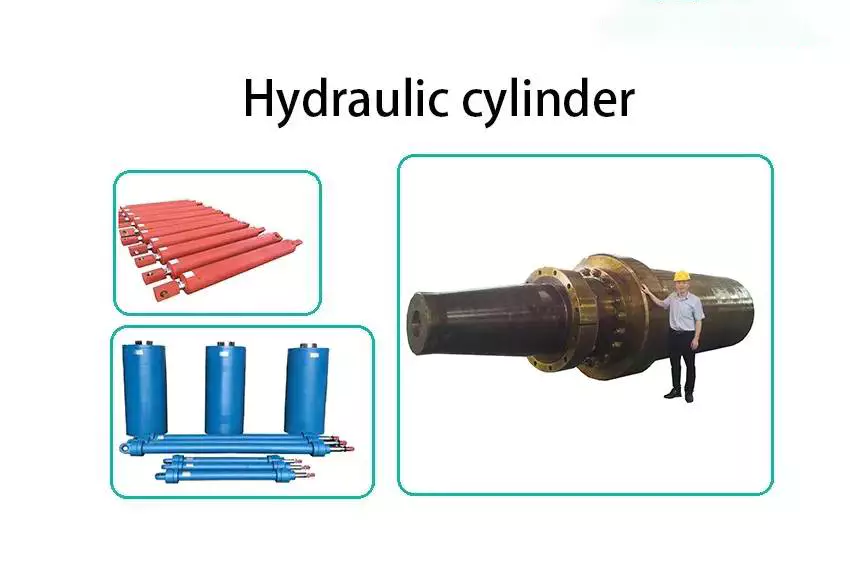
Adaptation of Hydraulic Cylinders for Medical Equipment and Aerospace Applications
Hydraulic cylinders have the potential to be adapted for use in medical equipment and aerospace applications, offering unique advantages in these industries. Let’s explore how hydraulic cylinders can be adapted for these specialized fields:
- Medical Equipment: Hydraulic cylinders can be adapted for various medical equipment applications, including hospital beds, patient lifts, surgical tables, and rehabilitation devices. Here’s how hydraulic cylinders are beneficial in medical equipment:
- Positioning and Adjustability: Hydraulic cylinders provide precise and smooth movement, allowing for accurate positioning and adjustments of medical equipment. This is crucial for ensuring patient comfort, proper alignment, and ease of use.
- Load Handling: Hydraulic cylinders offer high force capabilities, enabling the safe handling of heavy loads in medical equipment. They can support the weight of patients, facilitate smooth transitions, and provide stability during procedures.
- Controlled Motion: Hydraulic cylinders provide controlled and stable motion, which is essential for delicate medical procedures. The ability to adjust speed, position, and force allows for precise and controlled movements, minimizing patient discomfort and ensuring accurate treatment.
- Durability and Reliability: Hydraulic cylinders are designed to withstand rigorous use and demanding environments, making them suitable for medical equipment applications. Their durability and reliability contribute to the long-term performance and safety of medical devices.
- Aerospace Applications: Hydraulic cylinders can also be adapted for aerospace applications, where lightweight yet robust systems are essential. Here’s how hydraulic cylinders are advantageous in aerospace:
- Flight Control Systems: Hydraulic cylinders play a critical role in aircraft flight control systems, including ailerons, elevators, rudders, and landing gear. They provide precise and reliable actuation, allowing pilots to control the aircraft’s movements with accuracy and responsiveness.
- Weight Optimization: Hydraulic cylinders can be designed using lightweight materials, such as aluminum alloys or composite materials, to reduce overall weight. This weight optimization is crucial in aerospace applications to enhance fuel efficiency, payload capacity, and aircraft performance.
- Shock and Vibration Resistance: Aerospace environments involve significant shock and vibration forces. Hydraulic cylinders can be engineered to withstand these dynamic loads while maintaining performance and reliability, ensuring consistent operation even under extreme conditions.
- Space Constraints: Hydraulic cylinders can be designed to fit within the space constraints of aircraft or spacecraft. Their compact size and flexible mounting options allow for efficient integration into the limited available space.
In summary, hydraulic cylinders can be adapted for use in medical equipment and aerospace applications, leveraging their precise positioning, load handling capabilities, controlled motion, durability, and reliability. In medical equipment, hydraulic cylinders enable comfortable patient positioning, smooth transitions, and controlled movements during procedures. In aerospace, hydraulic cylinders provide precise actuation, weight optimization, shock and vibration resistance, and space-efficient solutions. By adapting hydraulic cylinders to these specialized fields, manufacturers can meet the unique requirements and enhance the performance of medical equipment and aerospace systems.
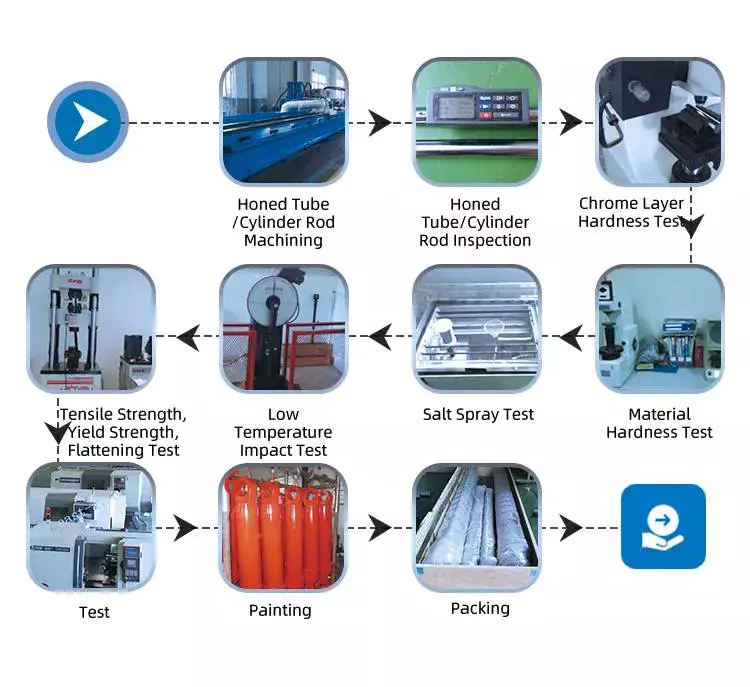
How do manufacturers ensure the quality and compatibility of hydraulic cylinders?
Manufacturers employ various measures to ensure the quality and compatibility of hydraulic cylinders, ensuring that they meet industry standards, performance requirements, and the specific needs of their customers. Here’s a detailed explanation of the methods and practices used by manufacturers to ensure the quality and compatibility of hydraulic cylinders:
1. Design and Engineering:
– Manufacturers employ skilled engineers and designers who have expertise in hydraulic systems and cylinder design. They use advanced design software and tools to create hydraulic cylinders that meet the desired specifications and performance requirements. Through careful analysis and simulation, manufacturers can ensure that the cylinders are designed to function optimally and provide the necessary force, stroke length, and reliability.
2. Material Selection:
– High-quality materials are crucial for the durability, performance, and compatibility of hydraulic cylinders. Manufacturers carefully select materials such as steel or other alloys based on their strength, corrosion resistance, and suitability for hydraulic applications. They source materials from reputable suppliers and perform quality checks to ensure that the materials meet the required standards and specifications.
3. Quality Control:
– Manufacturers implement robust quality control processes throughout the production of hydraulic cylinders. This includes rigorous inspections and tests at various stages of manufacturing, from raw material inspection to final assembly. Quality control personnel perform dimensional checks, surface finish inspections, and functional tests to verify that the cylinders meet the specified tolerances, performance criteria, and compatibility requirements.
4. Testing and Validation:
– Hydraulic cylinders undergo testing and validation procedures to ensure their performance, reliability, and compatibility. Manufacturers conduct various tests, such as pressure testing, leakage testing, load testing, and endurance testing. These tests simulate real-world operating conditions and verify that the cylinders can withstand the expected loads, pressures, and environmental factors. Additionally, manufacturers may perform compatibility testing to ensure that the cylinders can integrate seamlessly with other hydraulic system components.
5. Compliance with Standards:
– Manufacturers adhere to industry standards and regulations to ensure the quality and compatibility of hydraulic cylinders. They follow standards such as ISO 9001 for quality management systems and ISO 6020/2 or ISO 6022 for hydraulic cylinders. Compliance with these standards ensures that the manufacturing processes, quality control measures, and product performance meet internationally recognized benchmarks.
6. Certification and Accreditation:
– Manufacturers may obtain certifications and accreditations from recognized organizations to demonstrate their commitment to quality and compatibility. Certifications such as ISO certifications or third-party certifications provide assurance to customers that the hydraulic cylinders have undergone rigorous evaluations and meet specific quality and compatibility standards.
7. Customer Collaboration:
– Manufacturers actively engage with customers to understand their specific requirements and ensure compatibility. They work closely with customers to gather application-specific details, such as operating conditions, load requirements, and environmental factors. This collaborative approach allows manufacturers to customize hydraulic cylinders and provide solutions that are perfectly matched to the customer’s needs, ensuring compatibility and optimal performance.
8. Continuous Improvement:
– Manufacturers are committed to continuous improvement in their processes and products. They invest in research and development to incorporate the latest technologies, materials, and manufacturing techniques. By staying updated with industry advancements, manufacturers can enhance the quality, performance, and compatibility of their hydraulic cylinders over time.
By implementing effective design and engineering practices, selecting high-quality materials, conducting rigorous quality control, testing and validation procedures, complying with industry standards, obtaining certifications, collaborating with customers, and embracing continuous improvement, manufacturers ensure the quality and compatibility of hydraulic cylinders. These measures help to deliver reliable, high-performance cylinders that meet the diverse needs of industries and applications.

editor by Dream 2024-11-08
 Indonesian
  English
  Italian
  Portuguese
  Dutch
Dutch  Swedish
  Danish
  Finnish
  Polish
  Hindi
Hindi  Kazakh
  Turkish
  Ukrainian
  Romanian
  Spanish
  German
  Russian
  Korean
  Japanese
  Vietnamese
  Thai
Thai  Malay
Malay  French
  Greek
Greek