
Deskripsi Produk
Double Action Hydraulic Cylinder for Hydraulic Scissors
Produk Spesifikasi:
| Barang | Spesifikasi |
| Diameter lubang | 280mm,customizable |
| Diameter tubuh | 190mm,customizable |
| Stroke | 300mm,customizable |
| Tekanan Kerja | 35Mpa,dapat disesuaikan |
| Perlakuan permukaan pada batang piston | Pelapisan Krom Keras, Pelapisan Elektro Krom Putih Susu + Krom Keras, Pelapisan Nikel + Pelapisan Krom Keras, Pelapisan CrC NiC dengan Bahan Bakar Oksigen Kecepatan Tinggi, Pelapisan Keramik, Nitridasi, Pelapisan Laser |
| Tekanan Kerja | Tekanan maksimum 38MPa, Dapat disesuaikan |
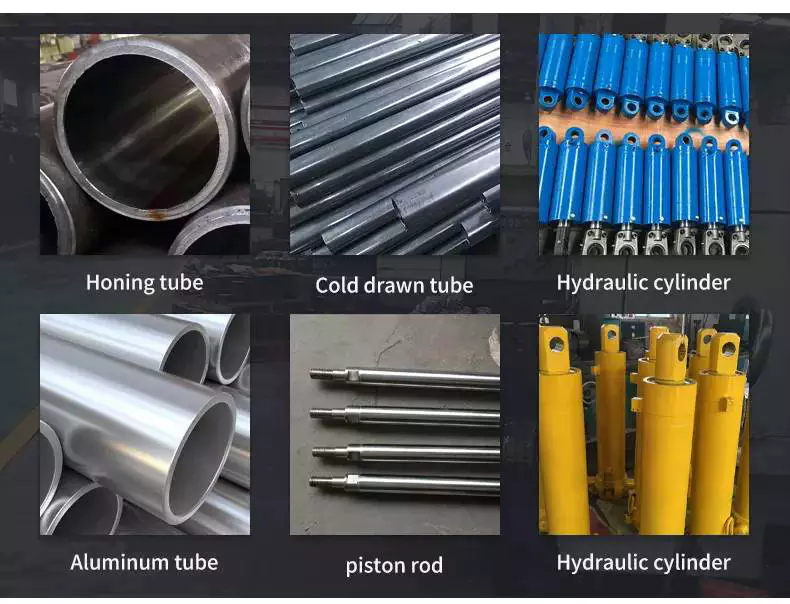
| Bahan | Tabung tarik dingin berkekuatan tarik tinggi, diasah secara presisi untuk memperpanjang masa pakai segel. |
| Pemasangan | Anting, Flange, Clevis, Kaki, Trunnion, Dapat Disesuaikan |
| Jenis Segel | Parker, NOK, Hallite GAPI atau sesuai kebutuhan pelanggan |
| Garansi | 18 bulan |
| MOQ | 1 buah |
| Waktu Produksi | Tergantung jumlah pesanan, biasanya 30-40 hari. |
| Sertifikasi | ISO9001, CE, SGS |
| Warna | Merah, Putih, Merah Muda, Kuning, Biru, dll., Dapat Disesuaikan |
| Kemasan | Kotak logam, kotak kayu lapis, karton atau sesuai kebutuhan |
| Melayani | OEM & ODM |
| Keunggulan Harga | Harga pabrik yang kompetitif dengan kualitas terjamin. |
| Jenis Bisnis | Pabrikan |
Tampilan Produk:
Product Advantages:
Special structural design, high-strength material use, and special heat treatment and welding processes ensure that the oil cylinder has extremely high fatigue durability under high pressure and heavy load.
The front and rear suspension cylinders can be analyzed and calculated based on the parameters provided by customers, and the stiffness and damping curves required by customers can be designed.
Permukaan batang piston menggunakan perlakuan permukaan khusus untuk memastikan ketahanan aus dan korosi yang sangat baik pada batang piston.
Select heavy-duty sealing rings to meet the harsh working conditions of the mining area, ensuring excellent dustproof and sealing performance of the oil cylinder.
Select a wide series and high bearing capacity integrated guide ring, with strong lateral force resistance.
The interior of the lifting cylinder can be designed with a buffer structure to avoid excessive impact during lifting and lowering processes.
The steering cylinder can be equipped with a built-in displacement sensor to monitor the cylinder stroke in real-time.
The piston accumulator adopts a dual piston design, with high and low pressure chambers to meet various road conditions.
The reliable sealing structure design of the piston accumulator ensures the separation of oil and gas.
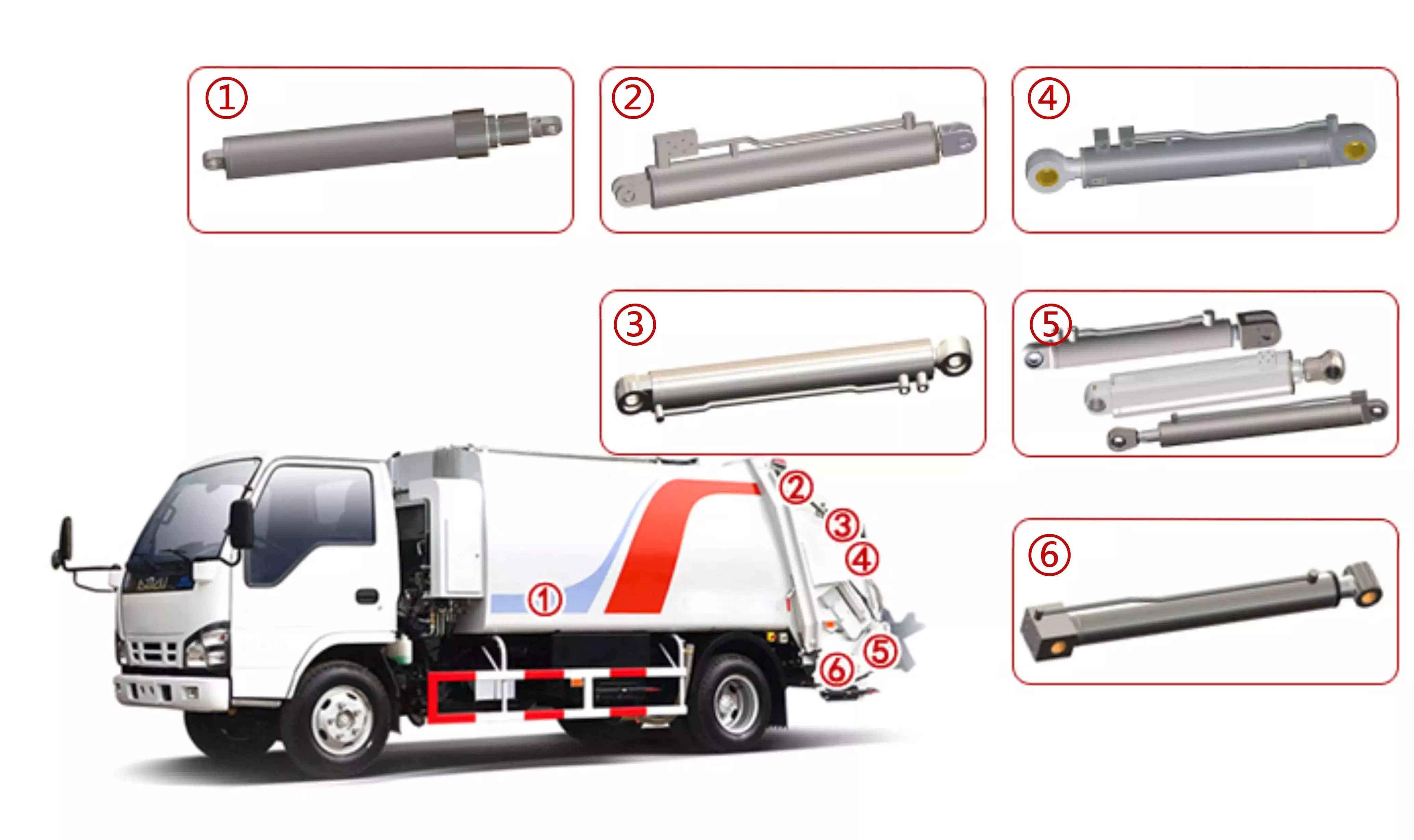
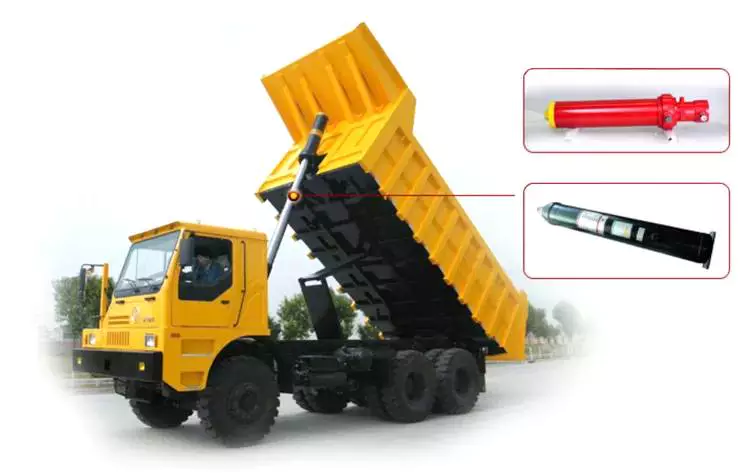
Aplikasi:Construction Machinery,Hydraulic Scissors.
Metode Pemasangan:
Pabrik Kami:
Proses Inspeksi:
| Jenis Inspeksi | Standar Inspeksi |
| Inspeksi Bahan Baku | Sebelum penyimpanan, QC melakukan pengukuran bahan baku. |
| Inspeksi Material Proses | Selama proses produksi, tim QC melakukan inspeksi secara acak. Sebelum komponen silinder hidrolik dipindahkan ke proses selanjutnya, tim QC melakukan inspeksi. |
| Pengujian Fungsi Akhir | Semua silinder hidrolik menjalani uji fungsi hidrolik. |
Inspeksi Sifat Mekanik Bahan Baku
Inspeksi Proses
Pengujian Akhir
Pengemasan & Pengiriman:
Tentang Kami:
Sertifikat Kami
ZheJiang Tianjian Hidrolik Technology Co, Ltd adalah mengkhususkan diri dalam produksi berbagai jenis silinder hidrolik serta laras silinder, silinder piston, dan aksesori silinder lainnya.
Sebagai produsen silinder hidrolik yang sangat terspesialisasi, Tianjian menyediakan solusi optimasi desain dan produk yang andal kepada banyak pelanggan di dalam dan luar negeri. Baik di bidang mesin konstruksi, mesin jembatan kereta api, mesin kapal pelabuhan, mesin metalurgi dan pertambangan, mesin industri minyak dan ringan, kendaraan khusus, dan industri lainnya, Tianjian dapat menyediakan berbagai skema optimasi desain dan produk silinder hidrolik standar dan non-standar sesuai dengan kebutuhan pengguna, serta memberikan layanan terintegrasi untuk kesempurnaan dan kualitas.
Jika memungkinkan, saat menghubungi kami, mohon sertakan informasi seperti di bawah ini.
|
Membosankan |
Batang |
Stroke |
Tekanan Kerja |
Pemasangan |
Lingkungan kerja |
|
|
|
|
|
|
|
Atau Anda dapat memberikan diagram sketsa atau foto kepada kami agar kami dapat memahami maksud Anda dengan tepat, dan membantu kami menghindari kesalahan.
Dan jika Anda memiliki sampel, kami dapat memproduksi sesuai dengan sampel Anda setelah dikirimkan kepada kami.
Silakan berkunjung ke pabrik kami jika Anda punya waktu.
Kepuasan Anda adalah motivasi terbesar kami.
Pelanggan Utama Kami
Sekarang, Anda dapat menghubungi kami untuk pertanyaan atau permintaan apa pun.
Pertanyaan yang Sering Diajukan (FAQ):
1. Apa yang dilakukan perusahaan Anda?
A: Kami adalah pemasok produk hidrolik berkualitas tinggi termasuk Silinder Hidrolik, Motor Hidrolik, Unit Daya Hidrolik, Stasiun Hidrolik, dan komponen hidrolik lainnya.
2. Apakah Anda perusahaan manufaktur atau perusahaan perdagangan?
A: Kami adalah produsen.
3. Sertifikat apa yang Anda miliki?
A: Semua pabrik kami bersertifikat ISO. Dan pemasok utama bahan dan suku cadang kami memiliki sertifikat CE, RoHS, CSA, dan UL.
4. Berapa lama waktu pengiriman Anda?
A: Waktu pengiriman bergantung pada produk dan jumlah pesanan yang berbeda. Silinder biasanya membutuhkan waktu sekitar 45-60 hari dan Motor membutuhkan waktu sekitar 30-50 hari.
5. Dapatkah Anda membuat suku cadang sesuai dengan kebutuhan atau gambar pelanggan?
A: Ya, kami dapat melakukan OEM untuk Anda sesuai dengan gambar Anda. Teknisi kami juga dapat memberikan dukungan profesional untuk saran teknis.
6. Jenis syarat pembayaran apa yang Anda terima?
A: Kami lebih memilih pembayaran melalui transfer bank (T/T). Pembayaran dilakukan dengan format 30% saat pesanan dikonfirmasi dan 70% sebelum pengiriman. Letter of Credit (L/C) juga dapat diterima untuk jumlah di atas 20.000 USD.
7. Apa kebijakan garansi Anda?
A: Semua produk kami bergaransi selama 1 tahun penuh sejak tanggal pengiriman terhadap cacat material dan pengerjaan. Garansi ini tidak mencakup suku cadang yang aus karena penggunaan normal atau rusak karena kelalaian. Kami sangat mengingatkan bahwa oli hidrolik yang tidak bersih pasti akan menyebabkan kerusakan pada komponen hidrolik Anda. Dan kerusakan ini tidak termasuk dalam cakupan garansi. Jadi, kami sangat menyarankan Anda untuk menggunakan oli baru yang bersih atau memastikan oli sistem bersih saat menggunakan suku cadang kami.
/* 22 Oktober 2571 15:47:17 */(()=>{fungsi d(e,r){var a,o={};coba{e&&e.split(“,”).forEach(function(e,t){e&&(a=e.match(/(.*?):(.*)$/))&&1
Can hydraulic cylinders be integrated with advanced control systems and automation?
Yes, hydraulic cylinders can be integrated with advanced control systems and automation technologies to enhance their functionality, precision, and overall performance. The integration of hydraulic cylinders with advanced control systems allows for more sophisticated and precise control over their operation, enabling automation and intelligent control. Here’s a detailed explanation of how hydraulic cylinders can be integrated with advanced control systems and automation:
1. Electronic Control:
– Hydraulic cylinders can be equipped with electronic sensors and transducers to provide real-time feedback on their position, force, pressure, or velocity. These sensors can be integrated with advanced control systems, such as programmable logic controllers (PLCs) or distributed control systems (DCS), to monitor and control the operation of hydraulic cylinders. By integrating electronic control, the position, speed, and force of hydraulic cylinders can be precisely monitored and adjusted, allowing for more accurate and automated control.
2. Closed-Loop Control:
– Closed-loop control systems use feedback from sensors to continuously monitor and adjust the operation of hydraulic cylinders. By integrating hydraulic cylinders with closed-loop control systems, precise control over position, velocity, and force can be achieved. Closed-loop control enables the system to automatically compensate for variations, external disturbances, or changes in operating conditions, ensuring accurate and consistent performance. This integration is particularly beneficial in applications that require precise positioning, synchronization, or force control.
3. Proportional and Servo Control:
– Hydraulic cylinders can be integrated with proportional and servo control systems to achieve finer control over their operation. Proportional control systems use proportional valves to regulate the flow and pressure of hydraulic fluid, allowing for precise adjustment of cylinder speed and force. Servo control systems, on the other hand, combine feedback sensors, high-performance valves, and advanced control algorithms to achieve extremely precise control over hydraulic cylinders. Proportional and servo control integration enhances the responsiveness, accuracy, and dynamic performance of hydraulic cylinders.
4. Human-Machine Interface (HMI):
– Hydraulic cylinders integrated with advanced control systems can be operated and monitored through human-machine interface (HMI) devices. HMIs provide a graphical user interface that allows operators to interact with the control system, monitor cylinder performance, and adjust parameters. HMIs enable operators to set desired positions, forces, or velocities, and visualize the real-time feedback from sensors. This integration simplifies the operation and monitoring of hydraulic cylinders, making them more user-friendly and facilitating seamless integration into automated systems.
5. Communication and Networking:
– Hydraulic cylinders can be integrated into communication and networking systems, enabling them to be part of a larger automated system. Integration with industrial communication protocols, such as Ethernet/IP, Profibus, or Modbus, allows for seamless information exchange between the hydraulic cylinders and other system components. This integration enables centralized control, data logging, remote monitoring, and coordination with other automated processes. Communication and networking integration enhance the overall efficiency, coordination, and integration of hydraulic cylinders within complex automation systems.
6. Automation and Sequential Control:
– By integrating hydraulic cylinders with advanced control systems, they can be seamlessly incorporated into automated processes and sequential control operations. The control system can execute predefined sequences or programmed logic to control the operation of hydraulic cylinders based on specific conditions, inputs, or timing. This integration enables the automation of complex tasks, such as material handling, assembly operations, or repetitive motions. Hydraulic cylinders can be synchronized with other actuators, sensors, or devices, allowing for coordinated and automated operation in various industrial applications.
7. Predictive Maintenance and Condition Monitoring:
– Advanced control systems can also enable predictive maintenance and condition monitoring for hydraulic cylinders. By integrating sensors and monitoring capabilities, the control system can continuously monitor the performance, health, and condition of hydraulic cylinders. This integration allows for the detection of abnormalities, wear, or potential failures in real-time. Predictive maintenance strategies can be implemented based on the collected data, optimizing maintenance schedules, reducing downtime, and enhancing the overall reliability of hydraulic systems.
In summary, hydraulic cylinders can be integrated with advanced control systems and automation technologies to enhance their functionality, precision, and performance. The integration allows for electronic control, closed-loop control, proportional and servo control, human-machine interface (HMI) interaction, communication and networking, automation and sequential control, as well as predictive maintenance and condition monitoring. These integrations enable more precise control, automation, improved efficiency, and optimized performance of hydraulic cylinders in various industrial applications.
Kemajuan dalam Teknologi Silinder Hidrolik Meningkatkan Ketahanan Korosi
Kemajuan dalam teknologi silinder hidrolik telah menghasilkan peningkatan signifikan dalam ketahanan terhadap korosi. Korosi merupakan masalah utama dalam sistem hidrolik, terutama di lingkungan di mana silinder terpapar kelembapan, bahan kimia, atau zat korosif. Kemajuan ini bertujuan untuk meningkatkan daya tahan dan umur pakai silinder hidrolik. Mari kita jelajahi beberapa kemajuan utama dalam teknologi silinder hidrolik yang telah meningkatkan ketahanan terhadap korosi:
- Bahan Tahan Korosi: Penggunaan material tahan korosi merupakan kemajuan mendasar dalam teknologi silinder hidrolik. Baja tahan karat, misalnya, menawarkan ketahanan korosi yang sangat baik, menjadikannya pilihan populer di lingkungan laut, lepas pantai, dan lingkungan korosif lainnya. Selain itu, kemajuan dalam metalurgi telah menghasilkan pengembangan paduan dan lapisan khusus yang memberikan ketahanan korosi yang lebih baik, memperpanjang umur pakai silinder hidrolik.
- Perawatan dan Pelapisan Permukaan: Berbagai perlakuan permukaan dan pelapis telah dikembangkan untuk melindungi silinder hidrolik dari korosi. Perlakuan ini dapat mencakup pelapisan listrik, galvanisasi, pelapisan bubuk, dan pelapis tahan korosi khusus. Pelapis ini menciptakan penghalang antara permukaan silinder dan elemen korosif, mencegah kontak langsung dan menghambat timbulnya korosi. Pemilihan pelapis yang tepat bergantung pada aplikasi spesifik dan kondisi lingkungan.
- Teknologi Penyegelan: Sistem penyegelan yang efektif sangat penting untuk mencegah air, kelembapan, dan kontaminan masuk ke dalam silinder dan menyebabkan korosi. Kemajuan dalam teknologi penyegelan telah menghasilkan pengembangan segel berkualitas tinggi dan desain penyegelan canggih yang menawarkan ketahanan superior terhadap korosi. Segel ini biasanya terbuat dari material yang dirancang khusus untuk tahan terhadap lingkungan korosif, memastikan kinerja penyegelan jangka panjang dan meminimalkan risiko masalah terkait korosi.
- Peningkatan Kualitas Permukaan: Permukaan akhir silinder hidrolik berperan penting dalam ketahanannya terhadap korosi. Kemajuan dalam teknik pemesinan dan pemolesan telah memungkinkan permukaan akhir yang lebih halus dan seragam. Permukaan yang lebih halus mengurangi kemungkinan terjadinya korosi dan memudahkan pembersihan serta perawatan silinder hidrolik. Selain itu, lapisan khusus, seperti pasivasi atau perawatan kimia, dapat diterapkan untuk lebih meningkatkan ketahanan terhadap korosi.
- Fitur Perlindungan Lingkungan: Silinder hidrolik dapat dilengkapi dengan fitur tambahan untuk melindungi dari korosi. Fitur-fitur ini dapat mencakup pelindung karet, bellow, atau perisai yang melindungi area rentan dari paparan zat korosif. Dengan menggabungkan elemen pelindung ini ke dalam desain, silinder hidrolik dapat tahan terhadap lingkungan yang keras dan meminimalkan risiko kerusakan akibat korosi.
Singkatnya, kemajuan dalam teknologi silinder hidrolik telah secara signifikan meningkatkan ketahanan terhadap korosi. Penggunaan material tahan korosi, perawatan dan pelapisan permukaan yang canggih, teknologi penyegelan yang inovatif, peningkatan kualitas permukaan, dan penggabungan fitur perlindungan lingkungan semuanya berkontribusi pada peningkatan daya tahan dan umur pakai silinder hidrolik di lingkungan korosif. Kemajuan ini memastikan kinerja yang andal dan mengurangi biaya perawatan dan penggantian yang terkait dengan masalah korosi.
Bagaimana silinder hidrolik berkontribusi terhadap efisiensi mesin berat seperti ekskavator?
Silinder hidrolik memainkan peran penting dalam meningkatkan efisiensi dan kinerja mesin berat, seperti ekskavator. Aktuator hidrolik yang kuat ini memungkinkan ekskavator untuk melakukan berbagai tugas secara efisien dan efektif. Berikut penjelasan rinci tentang bagaimana silinder hidrolik berkontribusi pada efisiensi mesin berat seperti ekskavator:
1. Gaya dan Daya:
– Silinder hidrolik menyediakan gaya dan daya yang diperlukan untuk proses penggalian. Silinder ini mengubah energi hidrolik dari cairan hidrolik menjadi gaya mekanik linier, memungkinkan ekskavator untuk mengerahkan gaya dorong dan tarik yang signifikan. Gaya yang dihasilkan oleh silinder hidrolik memungkinkan lengan penggalian atau boom ekskavator untuk menembus dan menghancurkan material keras, seperti tanah, batuan, atau beton, dengan mudah dan efisien.
2. Kontrol yang Tepat:
– Silinder hidrolik menawarkan kontrol yang presisi atas pergerakan komponen ekskavator. Dengan mengatur aliran fluida hidrolik ke silinder, operator dapat mengontrol kecepatan, arah, dan posisi lengan, boom, bucket, dan perlengkapan ekskavator lainnya. Kontrol yang presisi ini memungkinkan operator untuk melakukan operasi yang rumit, seperti perataan halus atau penempatan material yang tepat, dengan akurat dan efisien.
3. Fleksibilitas dan Kemampuan Beradaptasi:
– Silinder hidrolik memungkinkan ekskavator untuk melakukan berbagai tugas dengan memfasilitasi pertukaran alat tambahan yang cepat dan mudah. Ekskavator dapat dilengkapi dengan berbagai alat tambahan khusus, termasuk bucket, pemecah, grapple, dan auger, yang dapat dihubungkan dan dilepas secara efisien menggunakan silinder hidrolik. Fleksibilitas dan kemampuan adaptasi ini meningkatkan efisiensi ekskavator dengan memungkinkan mereka untuk menangani berbagai tugas tanpa perlu penyesuaian manual yang ekstensif atau waktu henti.
4. Peningkatan Produktivitas:
– Tenaga dan kendali yang diberikan oleh silinder hidrolik secara signifikan meningkatkan produktivitas ekskavator. Ekskavator yang dilengkapi dengan silinder hidrolik dapat menyelesaikan tugas lebih cepat dan efisien dibandingkan dengan mesin yang digerakkan secara manual atau mekanis. Kontrol yang tepat atas pergerakan memungkinkan waktu siklus yang lebih cepat, pengurangan waktu idle, dan peningkatan produktivitas keseluruhan di lokasi kerja.
5. Peningkatan Kemampuan Penggalian dan Pengangkatan:
– Silinder hidrolik memungkinkan ekskavator untuk melakukan operasi penggalian dan pengangkatan dengan kemampuan yang lebih baik. Gaya yang dihasilkan oleh silinder hidrolik memungkinkan ekskavator untuk menggali lebih dalam dan mengangkat beban yang lebih berat dibandingkan dengan jenis mesin lainnya. Peningkatan kapasitas penggalian dan pengangkatan ini berkontribusi pada efisiensi ekskavator dengan mengurangi jumlah lintasan yang diperlukan untuk menyelesaikan suatu tugas dan meningkatkan produktivitas secara keseluruhan.
6. Daya Tahan dan Keandalan:
– Silinder hidrolik dirancang untuk menahan beban berat, kondisi operasi yang menantang, dan penggunaan yang sering. Silinder ini dibuat dengan material yang kuat, seperti baja berkekuatan tinggi, dan menjalani langkah-langkah kontrol kualitas yang ketat selama proses pembuatan. Daya tahan dan keandalan silinder hidrolik memastikan bahwa ekskavator dapat beroperasi secara efisien bahkan di lingkungan yang menuntut, meminimalkan waktu henti dan memaksimalkan produktivitas.
7. Efisiensi Energi:
– Sistem hidrolik, termasuk silinder hidrolik, dikenal karena efisiensi energinya. Silinder hidrolik dapat menghasilkan gaya keluaran yang tinggi sambil mengonsumsi cairan hidrolik dalam jumlah yang relatif rendah. Efisiensi energi ini menghasilkan konsumsi bahan bakar yang lebih rendah dan pengurangan biaya operasional untuk ekskavator. Penggunaan tenaga hidrolik yang efisien berkontribusi pada efisiensi dan keberlanjutan keseluruhan operasi mesin berat.
8. Keselamatan:
– Silinder hidrolik memainkan peran penting dalam memastikan keselamatan operasi ekskavator. Silinder ini memberikan gerakan yang terkontrol dan dapat diprediksi, mengurangi risiko gerakan tiba-tiba atau tak terkendali. Kontrol yang tepat yang ditawarkan oleh silinder hidrolik memungkinkan operator untuk melakukan tugas dengan aman dan akurat, meminimalkan kemungkinan kecelakaan atau kerusakan pada mesin atau lingkungan sekitarnya.
Secara keseluruhan, silinder hidrolik merupakan komponen penting yang secara signifikan berkontribusi terhadap efisiensi mesin berat seperti ekskavator. Dengan memberikan gaya, kontrol yang presisi, fleksibilitas, peningkatan produktivitas, kemampuan yang lebih baik, daya tahan, efisiensi energi, dan keselamatan, silinder hidrolik memungkinkan ekskavator untuk melakukan berbagai tugas secara efisien dan efektif di berbagai industri, termasuk konstruksi, pertambangan, dan pertamanan.


editor by Dream 2024-11-26
 Indonesian
  English
  Italian
  Portuguese
  Dutch
Dutch  Swedish
  Danish
  Finnish
  Polish
  Hindi
Hindi  Kazakh
  Turkish
  Ukrainian
  Romanian
  Spanish
  German
  Russian
  Korean
  Japanese
  Vietnamese
  Thai
Thai  Malay
Malay  French
  Greek
Greek