
Description du produit
Double Action Hydraulic Cylinder for Hydraulic Scissors
Produit Caractéristiques:
| Article | Caractéristiques |
| Diamètre d'alésage | 280mm,customizable |
| diamètre du corps | 190mm,customizable |
| Accident vasculaire cérébral | 300mm,customizable |
| Working Pressure | 35Mpa,customizable |
| Traitement de surface de la tige de piston | Chromage dur, chromage blanc laiteux électrolytique + chromage dur, nickelage + chromage dur, dépôt chimique en phase vapeur à haute vitesse (CrC/NiC), revêtement céramique, nitruration, rechargement laser |
| Pression de travail | Maximum 38MPa,Customizable |
| Matériel | Tube étiré à froid à haute résistance, rodé avec précision pour une durée de vie prolongée du joint |
| Montage | Boucle d'oreille, bride, chape, pied, tourillon, personnalisable |
| Type de joint | Parker,NOK, Hallite GAPI or as customer’s requirement |
| Garantie | 18 mois |
| MOQ | 1pcs |
| Temps de production | En fonction de la quantité commandée. Normalement, 30 à 40 jours. |
| Certification | ISO9001, CE, SGS |
| Couleur | Red,White,Pink,Yellow,Bule,etc,Customizable |
| Conditionnement | Metal case,plywood case,carton or as requirement |
| Service | OEM et ODM |
| Avantage de prix | Prix d'usine compétitif avec qualité garantie |
| Type d'entreprise | Fabricant |
Présentation du produit :
Product Advantages:
Special structural design, high-strength material use, and special heat treatment and welding processes ensure that the oil cylinder has extremely high fatigue durability under high pressure and heavy load.
The front and rear suspension cylinders can be analyzed and calculated based on the parameters provided by customers, and the stiffness and damping curves required by customers can be designed.
The surface of the piston rod adopts special surface treatment to ensure excellent wear and corrosion resistance of the piston rod.
Select heavy-duty sealing rings to meet the harsh working conditions of the mining area, ensuring excellent dustproof and sealing performance of the oil cylinder.
Select a wide series and high bearing capacity integrated guide ring, with strong lateral force resistance.
The interior of the lifting cylinder can be designed with a buffer structure to avoid excessive impact during lifting and lowering processes.
The steering cylinder can be equipped with a built-in displacement sensor to monitor the cylinder stroke in real-time.
The piston accumulator adopts a dual piston design, with high and low pressure chambers to meet various road conditions.
The reliable sealing structure design of the piston accumulator ensures the separation of oil and gas.
Applications :Construction Machinery,Hydraulic Scissors.
Méthode de montage :
Notre usine :
Processus d'inspection :
| Type d'inspection | Norme d'inspection |
| Inspection des matières premières | Avant le stockage, le service de contrôle qualité effectue les mesures des matières premières. |
| Inspection des matériaux de traitement | Durant la production, les contrôleurs qualité effectuent une inspection aléatoire. Avant que les pièces du vérin hydraulique ne soient transférées à l'étape suivante, le service de contrôle qualité effectue une inspection. |
| Tests fonctionnels finaux | Tous les vérins hydrauliques sont soumis à un test de fonctionnement hydraulique. |
Inspection des propriétés mécaniques des matières premières
Process Inspection
Final Testing
Emballage et livraison :
À propos de nous:
Notre certificat
ZheJiang Tianjian Hydraulic Technology Co., Ltd est spécialisée dans la production de différents types de vérins hydrauliques ainsi que de corps de vérin, de pistons et autres accessoires pour vérins.
Spécialisée dans la fabrication de vérins hydrauliques, Tianjian fournit des solutions d'optimisation de conception et des produits fiables à de nombreux clients en Chine et à l'étranger. Que ce soit pour les engins de construction, les ponts ferroviaires, les navires portuaires, les machines métallurgiques et minières, les machines pour l'industrie pétrolière et légère, les véhicules spéciaux ou d'autres secteurs, Tianjian propose diverses solutions d'optimisation de conception et des produits de vérins hydrauliques standard et sur mesure, adaptés aux besoins des utilisateurs, et assure un service complet pour une qualité optimale.
Si possible, lors de votre prise de contact, veuillez fournir les informations ci-dessous.
Alésage | Tige | Accident vasculaire cérébral | Pression de travail | Montage | environnement de travail |
|
|
|
|
|
|
Vous pouvez également nous fournir un croquis, un schéma ou des photos afin que nous comprenions exactement ce que vous voulez dire et que nous puissions éviter les erreurs.
Et si vous avez des échantillons, nous pouvons fabriquer des produits selon vos échantillons après leur envoi.
Bienvenue dans notre usine si vous avez un moment.
Votre satisfaction est notre plus grande motivation.
Our Main Customers
Vous pouvez désormais nous contacter pour toute question ou demande de renseignements.
FAQ :
1. Que fait votre entreprise ?
A: Nous sommes un fournisseur de produits hydrauliques de haute qualité, notamment des vérins hydrauliques, des moteurs hydrauliques, des centrales hydrauliques, des stations hydrauliques et d'autres composants hydrauliques.
2. Êtes-vous un fabricant ou une société commerciale ?
A: Nous sommes un fabricant.
3. Quel certificat possédez-vous ?
A: Toutes nos usines sont certifiées ISO. Et nos principaux fournisseurs de matériaux et de pièces sont certifiés CE, RoHS, CSA et UL.
4. Quel est votre délai de livraison ?
R : Le délai de livraison dépend du produit et de la quantité. Il faut généralement compter entre 45 et 60 jours pour un cylindre et entre 30 et 50 jours pour un moteur.
5. Pouvez-vous fabriquer des pièces selon les exigences ou les dessins du client ?
R : Oui, nous pouvons fabriquer des produits OEM selon vos plans. Notre ingénieur peut également vous apporter un soutien technique professionnel.
6. Quels types de modalités de paiement acceptez-vous ?
A: Nous privilégions le virement bancaire (T/T). Le code 30% est utilisé lors de la confirmation de la commande et le code 70% avant l'expédition. Les lettres de crédit sont également acceptées pour les montants supérieurs à 20 000 USD.
7. Quelle est votre politique de garantie ?
A: Tous nos produits sont garantis un an à compter de la date de livraison contre tout défaut de matériaux et de fabrication. Cette garantie ne couvre pas les pièces usées par une utilisation normale ni les dommages causés par négligence. Nous vous rappelons qu'une huile hydraulique sale endommagera vos composants hydrauliques. Ces dommages ne sont pas couverts par la garantie. Nous vous recommandons donc vivement d'utiliser une huile propre et neuve ou de vous assurer de la propreté de l'huile du système lors de l'utilisation de nos pièces.
/* 22 octobre 2571 15:47:17 */(()=>{function d(e,r){var a,o={};try{e&&e.split(“,”).forEach(function(e,t){e&&(a=e.match(/(.*?):(.*)$/))&&1
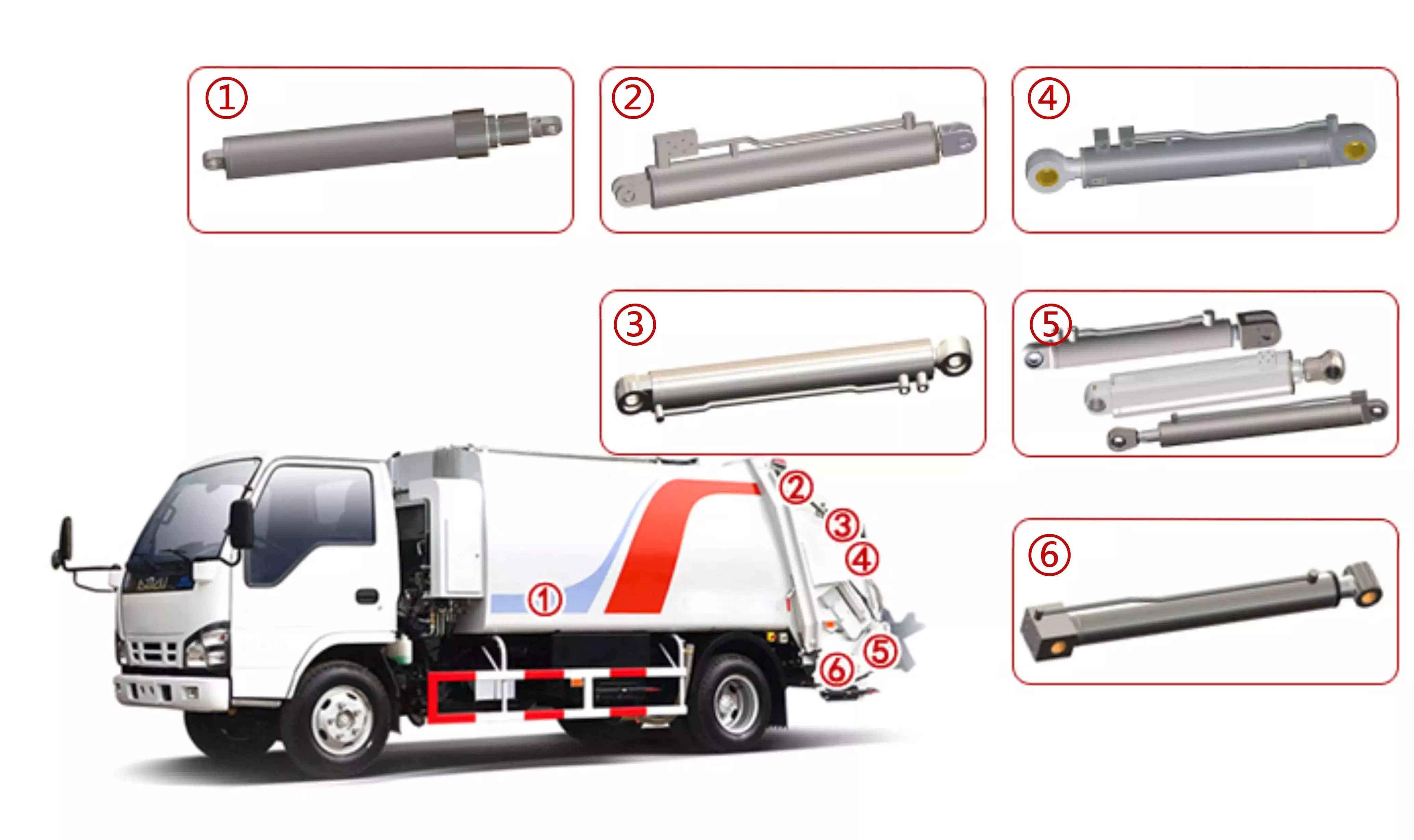
Can hydraulic cylinders be integrated with advanced control systems and automation?
Yes, hydraulic cylinders can be integrated with advanced control systems and automation technologies to enhance their functionality, precision, and overall performance. The integration of hydraulic cylinders with advanced control systems allows for more sophisticated and precise control over their operation, enabling automation and intelligent control. Here’s a detailed explanation of how hydraulic cylinders can be integrated with advanced control systems and automation:
1. Electronic Control:
– Hydraulic cylinders can be equipped with electronic sensors and transducers to provide real-time feedback on their position, force, pressure, or velocity. These sensors can be integrated with advanced control systems, such as programmable logic controllers (PLCs) or distributed control systems (DCS), to monitor and control the operation of hydraulic cylinders. By integrating electronic control, the position, speed, and force of hydraulic cylinders can be precisely monitored and adjusted, allowing for more accurate and automated control.
2. Closed-Loop Control:
– Closed-loop control systems use feedback from sensors to continuously monitor and adjust the operation of hydraulic cylinders. By integrating hydraulic cylinders with closed-loop control systems, precise control over position, velocity, and force can be achieved. Closed-loop control enables the system to automatically compensate for variations, external disturbances, or changes in operating conditions, ensuring accurate and consistent performance. This integration is particularly beneficial in applications that require precise positioning, synchronization, or force control.
3. Proportional and Servo Control:
– Hydraulic cylinders can be integrated with proportional and servo control systems to achieve finer control over their operation. Proportional control systems use proportional valves to regulate the flow and pressure of hydraulic fluid, allowing for precise adjustment of cylinder speed and force. Servo control systems, on the other hand, combine feedback sensors, high-performance valves, and advanced control algorithms to achieve extremely precise control over hydraulic cylinders. Proportional and servo control integration enhances the responsiveness, accuracy, and dynamic performance of hydraulic cylinders.
4. Human-Machine Interface (HMI):
– Hydraulic cylinders integrated with advanced control systems can be operated and monitored through human-machine interface (HMI) devices. HMIs provide a graphical user interface that allows operators to interact with the control system, monitor cylinder performance, and adjust parameters. HMIs enable operators to set desired positions, forces, or velocities, and visualize the real-time feedback from sensors. This integration simplifies the operation and monitoring of hydraulic cylinders, making them more user-friendly and facilitating seamless integration into automated systems.
5. Communication and Networking:
– Hydraulic cylinders can be integrated into communication and networking systems, enabling them to be part of a larger automated system. Integration with industrial communication protocols, such as Ethernet/IP, Profibus, or Modbus, allows for seamless information exchange between the hydraulic cylinders and other system components. This integration enables centralized control, data logging, remote monitoring, and coordination with other automated processes. Communication and networking integration enhance the overall efficiency, coordination, and integration of hydraulic cylinders within complex automation systems.
6. Automation and Sequential Control:
– By integrating hydraulic cylinders with advanced control systems, they can be seamlessly incorporated into automated processes and sequential control operations. The control system can execute predefined sequences or programmed logic to control the operation of hydraulic cylinders based on specific conditions, inputs, or timing. This integration enables the automation of complex tasks, such as material handling, assembly operations, or repetitive motions. Hydraulic cylinders can be synchronized with other actuators, sensors, or devices, allowing for coordinated and automated operation in various industrial applications.
7. Predictive Maintenance and Condition Monitoring:
– Advanced control systems can also enable predictive maintenance and condition monitoring for hydraulic cylinders. By integrating sensors and monitoring capabilities, the control system can continuously monitor the performance, health, and condition of hydraulic cylinders. This integration allows for the detection of abnormalities, wear, or potential failures in real-time. Predictive maintenance strategies can be implemented based on the collected data, optimizing maintenance schedules, reducing downtime, and enhancing the overall reliability of hydraulic systems.
In summary, hydraulic cylinders can be integrated with advanced control systems and automation technologies to enhance their functionality, precision, and performance. The integration allows for electronic control, closed-loop control, proportional and servo control, human-machine interface (HMI) interaction, communication and networking, automation and sequential control, as well as predictive maintenance and condition monitoring. These integrations enable more precise control, automation, improved efficiency, and optimized performance of hydraulic cylinders in various industrial applications.
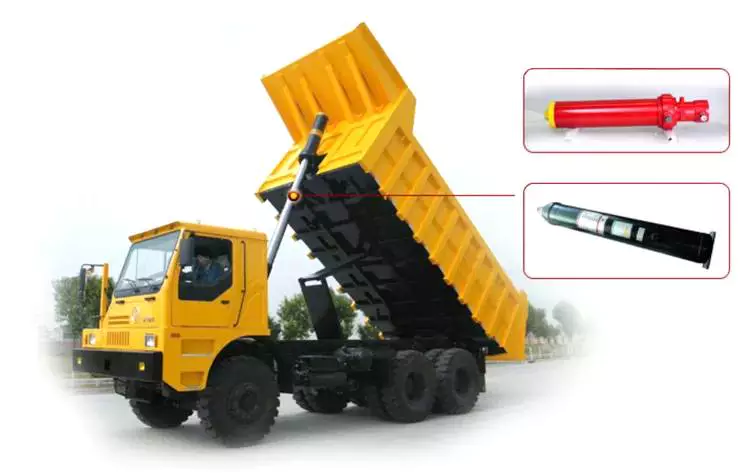
Progrès dans la technologie des vérins hydrauliques améliorant la résistance à la corrosion
Les progrès réalisés dans la technologie des vérins hydrauliques ont permis d'améliorer considérablement leur résistance à la corrosion. La corrosion représente un problème majeur pour les systèmes hydrauliques, notamment dans les environnements où les vérins sont exposés à l'humidité, aux produits chimiques ou aux agents corrosifs. Ces avancées visent à accroître la durabilité et la durée de vie des vérins hydrauliques. Examinons quelques-unes des principales avancées technologiques qui ont permis d'améliorer la résistance à la corrosion des vérins hydrauliques :
- Matériaux résistants à la corrosion : L'utilisation de matériaux résistants à la corrosion représente une avancée majeure dans la technologie des vérins hydrauliques. L'acier inoxydable, par exemple, offre une excellente résistance à la corrosion, ce qui en fait un matériau de choix pour les applications marines, offshore et autres environnements corrosifs. De plus, les progrès de la métallurgie ont permis le développement d'alliages et de revêtements spécifiques offrant une résistance accrue à la corrosion et prolongeant ainsi la durée de vie des vérins hydrauliques.
- Traitements et revêtements de surface : Divers traitements de surface et revêtements ont été mis au point pour protéger les vérins hydrauliques contre la corrosion. Ces traitements comprennent la galvanoplastie, le revêtement en poudre, ainsi que des revêtements anticorrosion spécifiques. Ces revêtements créent une barrière entre la surface du vérin et les agents corrosifs, empêchant tout contact direct et inhibant l'amorçage de la corrosion. Le choix du revêtement approprié dépend de l'application spécifique et des conditions environnementales.
- Technologie d'étanchéité : Des systèmes d'étanchéité efficaces sont essentiels pour empêcher l'eau, l'humidité et les contaminants de pénétrer dans le cylindre et de provoquer de la corrosion. Les progrès réalisés dans le domaine de l'étanchéité ont permis de développer des joints de haute qualité et des conceptions avancées offrant une résistance supérieure à la corrosion. Ces joints sont généralement fabriqués à partir de matériaux spécialement conçus pour résister aux environnements corrosifs, garantissant ainsi une étanchéité durable et minimisant les risques de problèmes liés à la corrosion.
- Finitions de surface améliorées : L'état de surface des vérins hydrauliques influe sur leur résistance à la corrosion. Les progrès réalisés dans les techniques d'usinage et de polissage permettent d'obtenir des états de surface plus lisses et plus uniformes. Des surfaces plus lisses réduisent le risque d'amorçage de la corrosion et facilitent le nettoyage et l'entretien des vérins hydrauliques. De plus, des traitements spéciaux, tels que la passivation ou les traitements chimiques, peuvent être appliqués pour renforcer davantage la résistance à la corrosion.
- Caractéristiques de protection de l'environnement : Les vérins hydrauliques peuvent être équipés de dispositifs supplémentaires pour les protéger de la corrosion. Il peut s'agir de soufflets, de protections ou d'écrans qui préservent les zones sensibles des agents corrosifs. Grâce à ces éléments de protection intégrés à leur conception, les vérins hydrauliques résistent aux environnements difficiles et minimisent les risques de dommages liés à la corrosion.
En résumé, les progrès réalisés dans le domaine des vérins hydrauliques ont considérablement amélioré leur résistance à la corrosion. L'utilisation de matériaux résistants à la corrosion, de traitements et de revêtements de surface avancés, de technologies d'étanchéité innovantes, de finitions de surface améliorées et l'intégration de dispositifs de protection environnementale ont tous contribué à accroître la durabilité et la longévité des vérins hydrauliques en milieux corrosifs. Ces avancées garantissent un fonctionnement fiable et réduisent les coûts de maintenance et de remplacement liés à la corrosion.
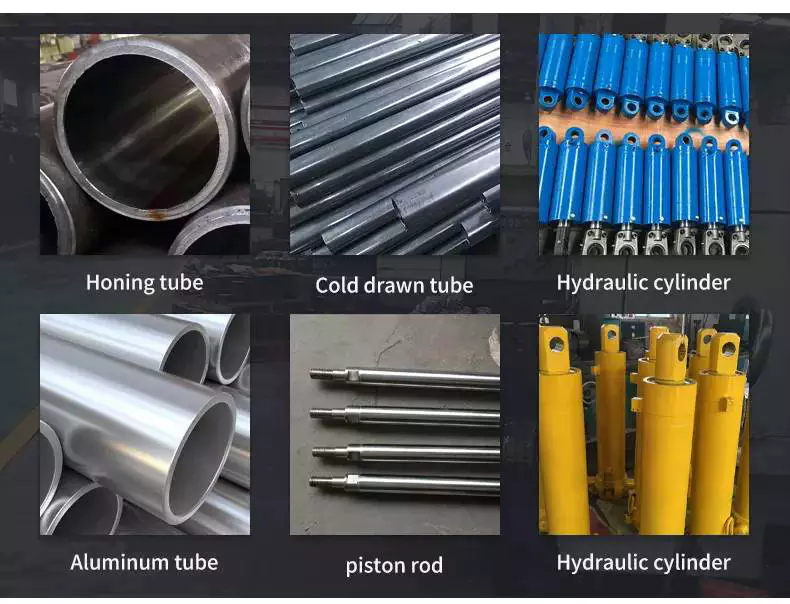
How do hydraulic cylinders contribute to the efficiency of heavy machinery like excavators?
Hydraulic cylinders play a crucial role in enhancing the efficiency and performance of heavy machinery, such as excavators. These powerful hydraulic actuators enable excavators to perform various tasks efficiently and effectively. Here’s a detailed explanation of how hydraulic cylinders contribute to the efficiency of heavy machinery like excavators:
1. Force and Power:
– Hydraulic cylinders provide the necessary force and power required for the excavation process. They convert hydraulic energy from the hydraulic fluid into linear mechanical force, allowing the excavator to exert significant pushing and pulling forces. The force generated by hydraulic cylinders enables the digging arm or boom of the excavator to penetrate and break through tough materials, such as soil, rocks, or concrete, with ease and efficiency.
2. Precise Control:
– Hydraulic cylinders offer precise control over the movement of excavator components. By regulating the flow of hydraulic fluid to the cylinders, operators can control the speed, direction, and positioning of the excavator’s arm, boom, bucket, and other attachments. This precise control allows operators to perform delicate operations, such as fine grading or precise material placement, with accuracy and efficiency.
3. Versatility and Adaptability:
– Hydraulic cylinders enable excavators to perform a wide range of tasks by facilitating the quick and easy interchangeability of attachments. Excavators can be equipped with various specialized attachments, including buckets, breakers, grapples, and augers, which can be efficiently connected and disconnected using hydraulic cylinders. This versatility and adaptability enhance the efficiency of excavators by enabling them to tackle different tasks without the need for extensive manual adjustments or downtime.
4. Increased Productivity:
– The power and control provided by hydraulic cylinders significantly increase the productivity of excavators. Excavators equipped with hydraulic cylinders can complete tasks more quickly and efficiently compared to manual or mechanically-driven machinery. The precise control over movements allows for faster cycle times, reduced idle time, and improved overall productivity on the worksite.
5. Enhanced Digging and Lifting Capabilities:
– Hydraulic cylinders enable excavators to perform digging and lifting operations with enhanced capabilities. The force generated by hydraulic cylinders allows excavators to dig deeper and lift heavier loads compared to other types of machinery. This increased digging and lifting capacity contributes to the efficiency of excavators by reducing the number of passes required to complete a task and improving overall productivity.
6. Durability and Reliability:
– Hydraulic cylinders are designed to withstand heavy loads, challenging operating conditions, and frequent use. They are built with robust materials, such as high-strength steel, and undergo stringent quality control measures during manufacturing. The durability and reliability of hydraulic cylinders ensure that excavators can operate efficiently even in demanding environments, minimizing downtime and maximizing productivity.
7. Energy Efficiency:
– Hydraulic systems, including hydraulic cylinders, are known for their energy efficiency. Hydraulic cylinders can deliver high force outputs while consuming relatively low amounts of hydraulic fluid. This energy efficiency translates to lower fuel consumption and reduced operating costs for excavators. The efficient use of hydraulic power contributes to the overall efficiency and sustainability of heavy machinery operations.
8. Safety:
– Hydraulic cylinders play a vital role in ensuring the safety of excavator operations. They provide controlled and predictable movements, reducing the risk of sudden or uncontrolled motions. The precise control offered by hydraulic cylinders allows operators to perform tasks safely and accurately, minimizing the chances of accidents or damage to the machinery or surrounding environment.
Overall, hydraulic cylinders are essential components that significantly contribute to the efficiency of heavy machinery like excavators. By providing force, precise control, versatility, increased productivity, enhanced capabilities, durability, energy efficiency, and safety, hydraulic cylinders enable excavators to perform a wide range of tasks efficiently and effectively in various industries, including construction, mining, and landscaping.


editor by Dream 2024-11-26
 French
  English
  Italian
  Portuguese
  Dutch
Dutch  Swedish
  Danish
  Finnish
  Polish
  Hindi
Hindi  Kazakh
  Turkish
  Ukrainian
  Romanian
  Spanish
  German
  Russian
  Korean
  Japanese
  Vietnamese
  Thai
Thai  Indonesian
  Malay
Malay  Greek
Greek