
Penerangan Produk
Double Action Hydraulic Cylinder for Hydraulic Scissors
Produk Spesifikasi:
| Barang | Spesifikasi |
| Diameter lubang | 280mm,customizable |
| Diameter badan | 190mm,customizable |
| Strok | 300mm,customizable |
| Tekanan Kerja | 35Mpa,boleh disesuaikan |
| Rawatan permukaan rod omboh | Penyaduran Krom Keras Ha, Kromium Putih Susu Bersalut Elektro+Kromium Keras, Penyaduran Nikel+Penyaduran Kromium Keras, Bahan Api Oksigen Berhalaju Tinggi CrC NiC, Salutan Seramik, Nitriding, Salutan Laser |
| Tekanan Kerja | Maksimum 38MPa, Boleh Disesuaikan |
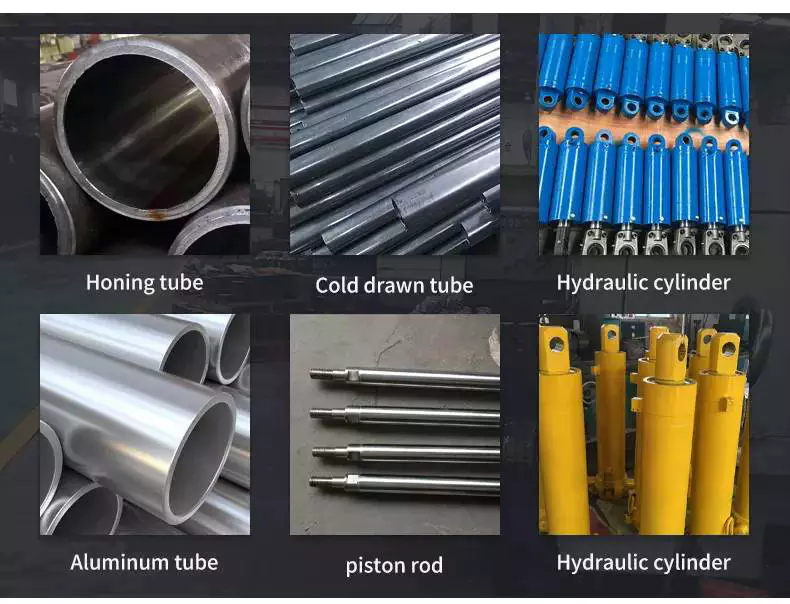
| Bahan | Tiub tarik sejuk tegangan tinggi, ketepatan diasah untuk jangka hayat pengedap yang lebih lama |
| Pemasangan | Subang, Flange, Clevis.Foot, Trunnion, Boleh Disesuaikan |
| Jenis Meterai | Parker, NOK, Hallite GAPI atau sebagai keperluan pelanggan |
| Warrenty | 18 bulan |
| MOQ | 1 keping |
| Masa Pengeluaran | Berdasarkan kuantiti pesanan. Biasanya 30-40 hari. |
| Pensijilan | ISO9001, CE, SGS |
| Warna | Merah, Putih, Merah Jambu, Kuning, Bule, dll, Boleh Disesuaikan |
| Pembungkusan | Kes logam, kes papan lapis, kadbod atau mengikut keperluan |
| Perkhidmatan | OEM & ODM |
| Kelebihan Harga | Harga kilang yang kompetitif dengan kualiti terjamin |
| Jenis Perniagaan | Pengilang |
Paparan Produk:
Product Advantages:
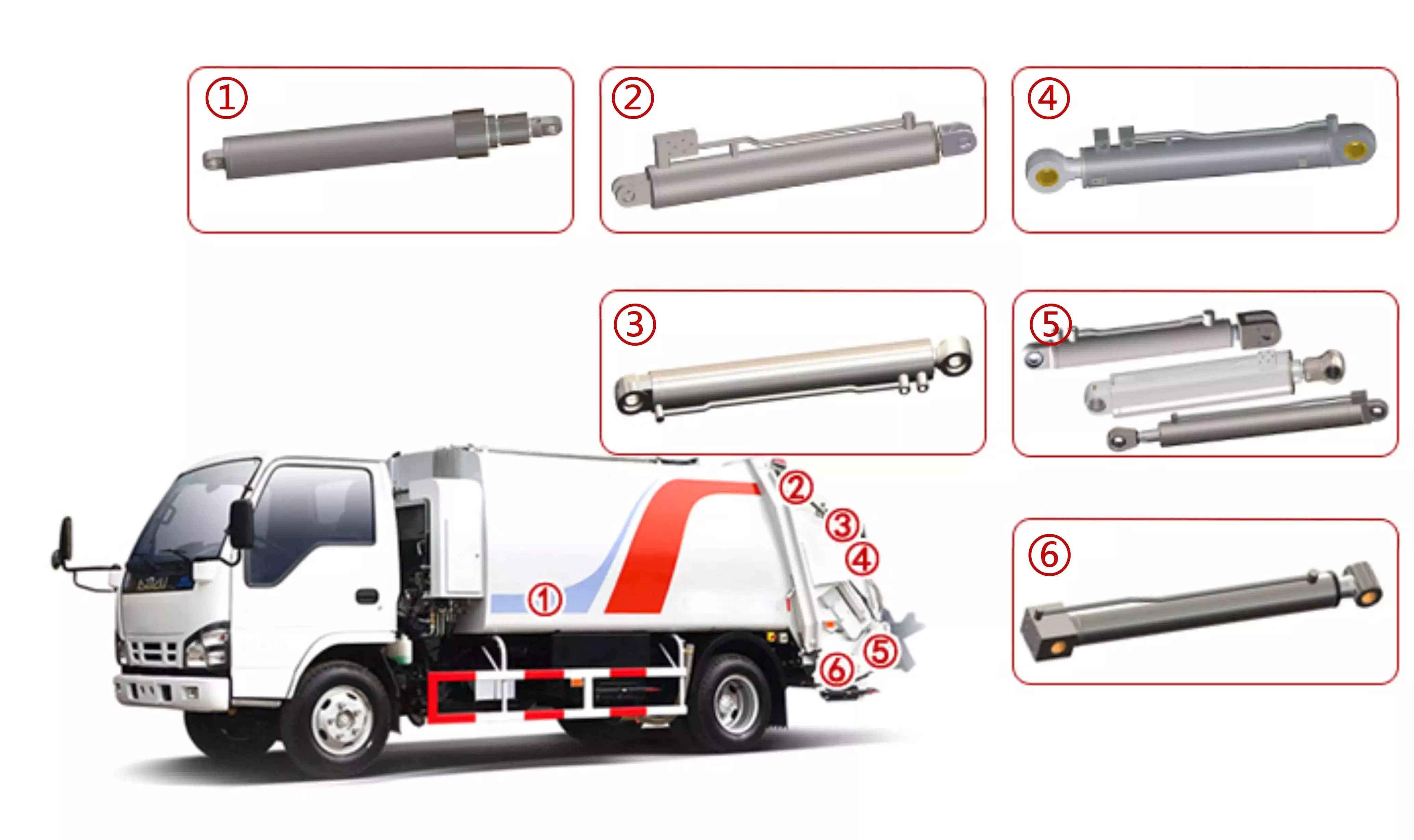
Special structural design, high-strength material use, and special heat treatment and welding processes ensure that the oil cylinder has extremely high fatigue durability under high pressure and heavy load.
The front and rear suspension cylinders can be analyzed and calculated based on the parameters provided by customers, and the stiffness and damping curves required by customers can be designed.
Permukaan rod omboh menerima pakai rawatan permukaan khas untuk memastikan rintangan haus dan kakisan yang sangat baik pada rod omboh.
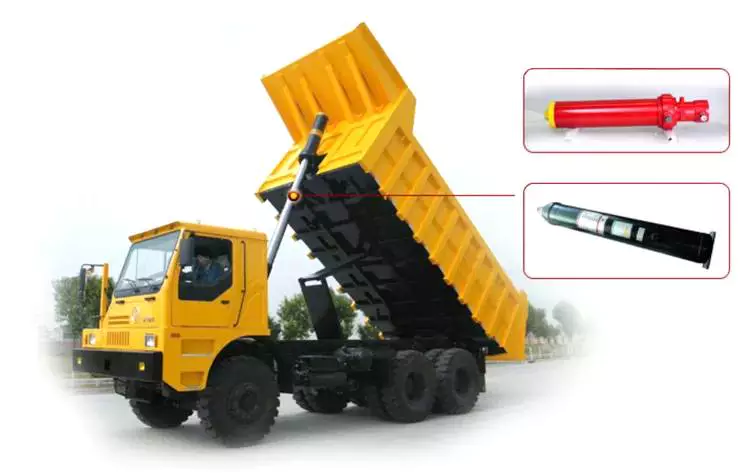
Select heavy-duty sealing rings to meet the harsh working conditions of the mining area, ensuring excellent dustproof and sealing performance of the oil cylinder.
Select a wide series and high bearing capacity integrated guide ring, with strong lateral force resistance.
The interior of the lifting cylinder can be designed with a buffer structure to avoid excessive impact during lifting and lowering processes.
The steering cylinder can be equipped with a built-in displacement sensor to monitor the cylinder stroke in real-time.
The piston accumulator adopts a dual piston design, with high and low pressure chambers to meet various road conditions.
The reliable sealing structure design of the piston accumulator ensures the separation of oil and gas.
Permohonan:Construction Machinery,Hydraulic Scissors.
Kaedah Pemasangan:
Kilang Kami:
Proses Pemeriksaan:
| Jenis Pemeriksaan | Piawaian Pemeriksaan |
| Pemeriksaan Bahan Mentah | Sebelum penyimpanan, QC akan mengukur bahan mentah. |
| Pemeriksaan Bahan Proses | Semasa pengeluaran, QC menjalankan pemeriksaan rawak. Sebelum bahagian silinder hidraulik dipindahkan ke proses seterusnya, QC akan menjalankan pemeriksaan. |
| Pengujian Fungsi Akhir | Semua silinder hidraulik mengambil ujian fungsi hidraulik |
Pemeriksaan Sifat Mekanikal Bahan Mentah
Pemeriksaan Proses
Ujian Akhir
Pembungkusan & Penghantaran:
Mengenai KAMI:
Sijil Kami
ZheJiang Tianjian Hydraulic Technology Co.,Ltd ialah mengkhusus dalam pengeluaran pelbagai jenis silinder hidraulik serta laras silinder, silinder omboh dan aksesori silinder lain.
Sebagai pengeluar silinder hidraulik yang sangat khusus, Tianjian menyediakan penyelesaian pengoptimuman reka bentuk dan produk yang boleh dipercayai kepada ramai pelanggan di dalam dan luar negara. Tidak kira dalam jentera pembinaan, jentera jambatan kereta api, jentera kapal pelabuhan, jentera metalurgi dan perlombongan, jentera industri minyak dan ringan, kenderaan khas dan industri lain, Tianjian boleh menyediakan pelbagai skim dan produk pengoptimuman reka bentuk silinder hidraulik standard dan bukan standard mengikut keperluan pengguna, dan menyediakan perkhidmatan bersepadu untuk kesempurnaan dan kualiti.
Jika boleh, apabila menghubungi kami, sila gunakan maklumat seperti di bawah
|
Lubang |
Rod |
Strok |
Tekanan Kerja |
Pemasangan |
Persekitaran kerja |
|
|
|
|
|
|
|
Atau anda boleh menawarkan kami gambar rajah lakaran atau gambar anda supaya kami dapat memahami maksud anda dengan tepat, membantu kami mengelakkan kesilapan.
Dan jika anda mempunyai sampel, kami boleh mengeluarkan mengikut sampel anda selepas menghantar kepada kami.
Selamat datang ke kilang kami jika anda mempunyai masa lapang.
Kepuasan anda adalah motivasi terbesar kami.
Pelanggan Utama Kami
Kini, anda boleh menghubungi kami untuk sebarang pertanyaan atau pertanyaan.
Soalan Lazim:
1, Apakah yang dilakukan oleh syarikat anda?
A: kami adalah pembekal produk hidraulik berkualiti tinggi termasuk Silinder Hidraulik, Motor Hidraulik, Pek Kuasa Hidraulik, Stesen Hidraulik dan komponen Hidraulik lain.
2, Adakah anda sebuah syarikat pembuatan atau perdagangan?
A: Kami adalah pengilang.
3, Sijil apa yang anda ada?
A: Semua kilang kami diperakui ISO. Dan pembekal utama bahan dan alat ganti kami adalah dengan sijil CE, RoHS, CSA dan UL.
4, Berapa lama masa penghantaran anda?
A: Masa penghantaran bergantung pada produk dan kuantiti yang berbeza. Silinder biasanya memerlukan kira-kira 45-60 hari dan Motor memerlukan kira-kira 30-50 hari.
5, Bolehkah anda membuat bahagian sebagai keperluan atau lukisan pelanggan?
A: Ya, kami boleh membuat OEM untuk anda sebagai lukisan anda. Jurutera kami juga boleh memberi anda sokongan profesional untuk cadangan teknikal.
6, Apakah jenis terma pembayaran yang anda terima?
A: Kami lebih suka T/T melalui bank. 30% apabila pesanan disahkan dan 70% sebelum penghantaran. L/C juga boleh diterima untuk jumlah melebihi 20,000USD.
7, Apakah polisi jaminan anda?
A: Semua produk kami dijamin selama 1 tahun penuh dari tarikh penghantaran terhadap kecacatan bahan dan mutu kerja. Waranti ini tidak meliputi bahagian yang haus semasa operasi biasa atau rosak akibat kecuaian. Kami mengingatkan dengan serius bahawa minyak hidraulik yang tidak bersih pasti akan menyebabkan kerosakan pada komponen Hidraulik anda. Dan kerosakan ini tidak termasuk dalam julat waranti. Oleh itu, kami sangat mengesyorkan anda menggunakan minyak bersih yang baharu atau memastikan minyak sistem bersih semasa menggunakan bahagian kami.
/* 22 Oktober 2571 15:47:17 */(()=>{fungsi d(e,r){var a,o={};try{e&&e.split(“,”).forEach(function(e,t){e&&(a=e.match(/(.*?):(.*)$/)
Can hydraulic cylinders be integrated with advanced control systems and automation?
Yes, hydraulic cylinders can be integrated with advanced control systems and automation technologies to enhance their functionality, precision, and overall performance. The integration of hydraulic cylinders with advanced control systems allows for more sophisticated and precise control over their operation, enabling automation and intelligent control. Here’s a detailed explanation of how hydraulic cylinders can be integrated with advanced control systems and automation:
1. Electronic Control:
– Hydraulic cylinders can be equipped with electronic sensors and transducers to provide real-time feedback on their position, force, pressure, or velocity. These sensors can be integrated with advanced control systems, such as programmable logic controllers (PLCs) or distributed control systems (DCS), to monitor and control the operation of hydraulic cylinders. By integrating electronic control, the position, speed, and force of hydraulic cylinders can be precisely monitored and adjusted, allowing for more accurate and automated control.
2. Closed-Loop Control:
– Closed-loop control systems use feedback from sensors to continuously monitor and adjust the operation of hydraulic cylinders. By integrating hydraulic cylinders with closed-loop control systems, precise control over position, velocity, and force can be achieved. Closed-loop control enables the system to automatically compensate for variations, external disturbances, or changes in operating conditions, ensuring accurate and consistent performance. This integration is particularly beneficial in applications that require precise positioning, synchronization, or force control.
3. Proportional and Servo Control:
– Hydraulic cylinders can be integrated with proportional and servo control systems to achieve finer control over their operation. Proportional control systems use proportional valves to regulate the flow and pressure of hydraulic fluid, allowing for precise adjustment of cylinder speed and force. Servo control systems, on the other hand, combine feedback sensors, high-performance valves, and advanced control algorithms to achieve extremely precise control over hydraulic cylinders. Proportional and servo control integration enhances the responsiveness, accuracy, and dynamic performance of hydraulic cylinders.
4. Human-Machine Interface (HMI):
– Hydraulic cylinders integrated with advanced control systems can be operated and monitored through human-machine interface (HMI) devices. HMIs provide a graphical user interface that allows operators to interact with the control system, monitor cylinder performance, and adjust parameters. HMIs enable operators to set desired positions, forces, or velocities, and visualize the real-time feedback from sensors. This integration simplifies the operation and monitoring of hydraulic cylinders, making them more user-friendly and facilitating seamless integration into automated systems.
5. Communication and Networking:
– Hydraulic cylinders can be integrated into communication and networking systems, enabling them to be part of a larger automated system. Integration with industrial communication protocols, such as Ethernet/IP, Profibus, or Modbus, allows for seamless information exchange between the hydraulic cylinders and other system components. This integration enables centralized control, data logging, remote monitoring, and coordination with other automated processes. Communication and networking integration enhance the overall efficiency, coordination, and integration of hydraulic cylinders within complex automation systems.
6. Automation and Sequential Control:
– By integrating hydraulic cylinders with advanced control systems, they can be seamlessly incorporated into automated processes and sequential control operations. The control system can execute predefined sequences or programmed logic to control the operation of hydraulic cylinders based on specific conditions, inputs, or timing. This integration enables the automation of complex tasks, such as material handling, assembly operations, or repetitive motions. Hydraulic cylinders can be synchronized with other actuators, sensors, or devices, allowing for coordinated and automated operation in various industrial applications.
7. Predictive Maintenance and Condition Monitoring:
– Advanced control systems can also enable predictive maintenance and condition monitoring for hydraulic cylinders. By integrating sensors and monitoring capabilities, the control system can continuously monitor the performance, health, and condition of hydraulic cylinders. This integration allows for the detection of abnormalities, wear, or potential failures in real-time. Predictive maintenance strategies can be implemented based on the collected data, optimizing maintenance schedules, reducing downtime, and enhancing the overall reliability of hydraulic systems.
In summary, hydraulic cylinders can be integrated with advanced control systems and automation technologies to enhance their functionality, precision, and performance. The integration allows for electronic control, closed-loop control, proportional and servo control, human-machine interface (HMI) interaction, communication and networking, automation and sequential control, as well as predictive maintenance and condition monitoring. These integrations enable more precise control, automation, improved efficiency, and optimized performance of hydraulic cylinders in various industrial applications.
Advancements in Hydraulic Cylinder Technology Improving Corrosion Resistance
Advancements in hydraulic cylinder technology have led to significant improvements in corrosion resistance. Corrosion is a major concern in hydraulic systems, especially in environments where cylinders are exposed to moisture, chemicals, or corrosive agents. These advancements aim to enhance the durability and longevity of hydraulic cylinders. Let’s explore some of the key advancements in hydraulic cylinder technology that have improved corrosion resistance:
- Corrosion-Resistant Materials: The use of corrosion-resistant materials is a fundamental advancement in hydraulic cylinder technology. Stainless steel, for example, offers excellent resistance to corrosion, making it a popular choice in marine, offshore, and other corrosive environments. Additionally, advancements in metallurgy have led to the development of specialized alloys and coatings that provide enhanced corrosion resistance, extending the lifespan of hydraulic cylinders.
- Surface Treatments and Coatings: Various surface treatments and coatings have been developed to protect hydraulic cylinders from corrosion. These treatments can include electroplating, galvanizing, powder coating, and specialized corrosion-resistant coatings. These coatings create a barrier between the cylinder surface and corrosive elements, preventing direct contact and inhibiting the onset of corrosion. The selection of appropriate coatings depends on the specific application and environmental conditions.
- Sealing Technology: Effective sealing systems are crucial in preventing water, moisture, and contaminants from entering the cylinder and causing corrosion. Advancements in sealing technology have led to the development of high-quality seals and advanced sealing designs that offer superior resistance to corrosion. These seals are typically made from materials specifically engineered to withstand corrosive environments, ensuring long-term sealing performance and minimizing the risk of corrosion-related issues.
- Improved Surface Finishes: The surface finish of hydraulic cylinders plays a role in their resistance to corrosion. Advancements in machining and polishing techniques have allowed for smoother and more uniform surface finishes. Smoother surfaces reduce the likelihood of corrosion initiation and make it easier to clean and maintain hydraulic cylinders. Additionally, specialized finishes, such as passivation or chemical treatments, can be applied to further enhance corrosion resistance.
- Environmental Protection Features: Hydraulic cylinders can be equipped with additional features to protect against corrosion. These features may include protective boots, bellows, or shields that guard vulnerable areas from exposure to corrosive agents. By incorporating these protective elements into the design, hydraulic cylinders can withstand harsh environments and minimize the risk of corrosion-related damage.
In summary, advancements in hydraulic cylinder technology have significantly improved corrosion resistance. The use of corrosion-resistant materials, advanced surface treatments and coatings, innovative sealing technology, improved surface finishes, and the incorporation of environmental protection features have all contributed to enhanced durability and longevity of hydraulic cylinders in corrosive environments. These advancements ensure reliable performance and reduce the maintenance and replacement costs associated with corrosion-related issues.
How do hydraulic cylinders contribute to the efficiency of heavy machinery like excavators?
Hydraulic cylinders play a crucial role in enhancing the efficiency and performance of heavy machinery, such as excavators. These powerful hydraulic actuators enable excavators to perform various tasks efficiently and effectively. Here’s a detailed explanation of how hydraulic cylinders contribute to the efficiency of heavy machinery like excavators:
1. Force and Power:
– Hydraulic cylinders provide the necessary force and power required for the excavation process. They convert hydraulic energy from the hydraulic fluid into linear mechanical force, allowing the excavator to exert significant pushing and pulling forces. The force generated by hydraulic cylinders enables the digging arm or boom of the excavator to penetrate and break through tough materials, such as soil, rocks, or concrete, with ease and efficiency.
2. Precise Control:
– Hydraulic cylinders offer precise control over the movement of excavator components. By regulating the flow of hydraulic fluid to the cylinders, operators can control the speed, direction, and positioning of the excavator’s arm, boom, bucket, and other attachments. This precise control allows operators to perform delicate operations, such as fine grading or precise material placement, with accuracy and efficiency.
3. Versatility and Adaptability:
– Hydraulic cylinders enable excavators to perform a wide range of tasks by facilitating the quick and easy interchangeability of attachments. Excavators can be equipped with various specialized attachments, including buckets, breakers, grapples, and augers, which can be efficiently connected and disconnected using hydraulic cylinders. This versatility and adaptability enhance the efficiency of excavators by enabling them to tackle different tasks without the need for extensive manual adjustments or downtime.
4. Increased Productivity:
– The power and control provided by hydraulic cylinders significantly increase the productivity of excavators. Excavators equipped with hydraulic cylinders can complete tasks more quickly and efficiently compared to manual or mechanically-driven machinery. The precise control over movements allows for faster cycle times, reduced idle time, and improved overall productivity on the worksite.
5. Enhanced Digging and Lifting Capabilities:
– Hydraulic cylinders enable excavators to perform digging and lifting operations with enhanced capabilities. The force generated by hydraulic cylinders allows excavators to dig deeper and lift heavier loads compared to other types of machinery. This increased digging and lifting capacity contributes to the efficiency of excavators by reducing the number of passes required to complete a task and improving overall productivity.
6. Durability and Reliability:
– Hydraulic cylinders are designed to withstand heavy loads, challenging operating conditions, and frequent use. They are built with robust materials, such as high-strength steel, and undergo stringent quality control measures during manufacturing. The durability and reliability of hydraulic cylinders ensure that excavators can operate efficiently even in demanding environments, minimizing downtime and maximizing productivity.
7. Energy Efficiency:
– Hydraulic systems, including hydraulic cylinders, are known for their energy efficiency. Hydraulic cylinders can deliver high force outputs while consuming relatively low amounts of hydraulic fluid. This energy efficiency translates to lower fuel consumption and reduced operating costs for excavators. The efficient use of hydraulic power contributes to the overall efficiency and sustainability of heavy machinery operations.
8. Safety:
– Hydraulic cylinders play a vital role in ensuring the safety of excavator operations. They provide controlled and predictable movements, reducing the risk of sudden or uncontrolled motions. The precise control offered by hydraulic cylinders allows operators to perform tasks safely and accurately, minimizing the chances of accidents or damage to the machinery or surrounding environment.
Overall, hydraulic cylinders are essential components that significantly contribute to the efficiency of heavy machinery like excavators. By providing force, precise control, versatility, increased productivity, enhanced capabilities, durability, energy efficiency, and safety, hydraulic cylinders enable excavators to perform a wide range of tasks efficiently and effectively in various industries, including construction, mining, and landscaping.


editor by Dream 2024-11-26
 Malay
Malay  English
  Italian
  Portuguese
  Dutch
Dutch  Swedish
  Danish
  Finnish
  Polish
  Hindi
Hindi  Kazakh
  Turkish
  Ukrainian
  Romanian
  Spanish
  German
  Russian
  Korean
  Japanese
  Vietnamese
  Thai
Thai  Indonesian
  French
  Greek
Greek