
Opis produktu
Double Action Hydraulic Cylinder for Hydraulic Scissors
Produkt Specyfikacje:
| Przedmiot | Specyfikacje |
| Średnica otworu | 280mm,customizable |
| Średnica korpusu | 190mm,customizable |
| Udar | 300mm,customizable |
| Ciśnienie robocze | 35Mpa,konfigurowalny |
| Obróbka powierzchni tłoczyska | Chromowanie twarde, galwaniczne chromowanie mlecznobiałe + twardy chrom, niklowanie + twarde chromowanie, szybki nadmuch tlenowo-paliwowy CrC12NiC, powłoka ceramiczna, azotowanie, napawanie laserowe |
| Presja w pracy | Maksymalnie 38 MPa, możliwość dostosowania |
| Tworzywo | Rura ciągniona na zimno o wysokiej wytrzymałości, precyzyjnie honowana w celu wydłużenia żywotności uszczelnienia |
| Montowanie | Kolczyk, kołnierz, widełki, stopka, czop, możliwość dostosowania |
| Typ uszczelnienia | Parker, NOK, Hallite GAPI lub zgodnie z wymaganiami klienta |
| Gwarancja | 18 miesięcy |
| Minimalne zamówienie | 1 szt. |
| Czas produkcji | Czas realizacji zamówienia wynosi zazwyczaj 30–40 dni, w zależności od wielkości zamówienia. |
| Orzecznictwo | ISO9001, CE, SGS |
| Kolor | Czerwony, biały, różowy, żółty, niebieski itp., konfigurowalny |
| Opakowanie | Obudowa metalowa, obudowa ze sklejki, karton lub zgodnie z wymaganiami |
| Praca | OEM i ODM |
| Zaleta cenowa | Konkurencyjna cena fabryczna z gwarantowaną jakością |
| Rodzaj działalności | Producent |
Wyświetlacz produktu:
Product Advantages:
Special structural design, high-strength material use, and special heat treatment and welding processes ensure that the oil cylinder has extremely high fatigue durability under high pressure and heavy load.
The front and rear suspension cylinders can be analyzed and calculated based on the parameters provided by customers, and the stiffness and damping curves required by customers can be designed.
Powierzchnia tłoczyska została poddana specjalnej obróbce, aby zapewnić doskonałą odporność tłoczyska na zużycie i korozję.
Select heavy-duty sealing rings to meet the harsh working conditions of the mining area, ensuring excellent dustproof and sealing performance of the oil cylinder.
Select a wide series and high bearing capacity integrated guide ring, with strong lateral force resistance.
The interior of the lifting cylinder can be designed with a buffer structure to avoid excessive impact during lifting and lowering processes.
The steering cylinder can be equipped with a built-in displacement sensor to monitor the cylinder stroke in real-time.
The piston accumulator adopts a dual piston design, with high and low pressure chambers to meet various road conditions.
The reliable sealing structure design of the piston accumulator ensures the separation of oil and gas.
Zastosowania:Construction Machinery,Hydraulic Scissors.
Metoda montażu:
Nasza fabryka:
Proces inspekcji:
| Rodzaj inspekcji | Norma inspekcji |
| Kontrola surowców | Przed składowaniem kontrola jakości dokonuje pomiaru surowców. |
| Kontrola materiałów procesowych | W trakcie produkcji kontrolerzy jakości przeprowadzają losową kontrolę. Zanim części cylindra hydraulicznego zostaną przekazane do następnego procesu, kontrola jakości przeprowadza kontrolę. |
| Końcowe testowanie funkcji | Wszystkie siłowniki hydrauliczne przechodzą test funkcjonalności hydraulicznej |
Badanie właściwości mechanicznych surowców
Inspekcja procesu
Testowanie końcowe
Pakowanie i dostawa:
O nas:
Nasz Certyfikat
ZheJiang Tianjian Hydraulic Technology Co., Ltd jest Specjalizujemy się w produkcji różnego rodzaju cylindrów hydraulicznych, a także cylindrów cylindrycznych, cylindrów tłokowych i innych akcesoriów do cylindrów.
Jako wysoce wyspecjalizowany producent siłowników hydraulicznych, Tianjian oferuje rozwiązania optymalizacji konstrukcji i niezawodne produkty wielu klientom w kraju i za granicą. Niezależnie od branży, czy chodzi o maszyny budowlane, maszyny do budowy mostów kolejowych, maszyny portowe, maszyny dla przemysłu metalurgicznego i górniczego, maszyny dla przemysłu naftowego i lekkiego, pojazdy specjalistyczne i inne branże, Tianjian oferuje szeroki wachlarz standardowych i niestandardowych schematów optymalizacji konstrukcji siłowników hydraulicznych oraz produktów, zgodnie z wymaganiami użytkowników, a także zapewnia zintegrowane usługi zapewniające perfekcję i jakość.
Jeśli to możliwe, kontaktując się z nami, prosimy o podanie poniższych informacji
Nudziarz | Pręt | Udar | Presja w pracy | Montowanie | Środowisko pracy |
|
|
|
|
|
|
Możesz też przesłać nam szkic, diagram lub zdjęcia, abyśmy mogli dokładnie zrozumieć, co masz na myśli, i tym samym uniknąć błędów.
Jeśli dysponujesz próbkami, możemy je wytworzyć na ich podstawie, po ich przesłaniu do nas.
Zapraszamy do naszej fabryki, jeśli masz chwilę czasu.
Twoja satysfakcja jest dla nas największą motywacją.
Nasi główni klienci
Teraz możesz się z nami skontaktować w sprawie jakichkolwiek pytań lub wątpliwości.
Najczęściej zadawane pytania:
1. Czym zajmuje się Twoja firma?
A: Jesteśmy dostawcą wysokiej jakości produktów hydraulicznych, w tym cylindrów hydraulicznych, silników hydraulicznych, agregatów hydraulicznych, stacji hydraulicznych i innych komponentów hydraulicznych.
2. Czy jesteś firmą produkcyjną czy handlową?
A: Jesteśmy producentem.
3. Jaki certyfikat posiadasz?
A: Wszystkie nasze fabryki posiadają certyfikaty ISO. Nasi główni dostawcy materiałów i części posiadają certyfikaty CE, RoHS, CSA i UL.
4. Jak długi jest czas dostawy?
A: Czas dostawy zależy od rodzaju produktu i jego ilości. Cylinder zazwyczaj potrzebuje około 45-60 dni, a silnik około 30-50 dni.
5. Czy możesz wykonać części według wymagań lub rysunków klienta?
O: Tak, możemy wykonać dla Ciebie OEM na podstawie Twoich rysunków. Nasz inżynier może również udzielić Ci profesjonalnego wsparcia w zakresie sugestii technicznych.
6. Jakie warunki płatności akceptujecie?
A: Preferujemy płatność przelewem bankowym. 30% po potwierdzeniu zamówienia i 70% przed wysyłką. L/C jest również akceptowane dla kwot powyżej 20 000 USD.
7. Jaka jest polityka gwarancyjna?
A: Wszystkie nasze produkty objęte są roczną gwarancją od daty dostawy, obejmującą wady materiałowe i wykonawcze. Niniejsza gwarancja nie obejmuje części zużytych w trakcie normalnej eksploatacji lub uszkodzonych w wyniku zaniedbania. Z powagą przypominamy, że zanieczyszczony olej hydrauliczny z pewnością spowoduje uszkodzenie podzespołów hydraulicznych. Uszkodzenia te nie są objęte gwarancją. Dlatego zdecydowanie zalecamy stosowanie nowego, czystego oleju lub upewnienie się, że olej w układzie jest czysty podczas użytkowania naszych części.
/* 22 października 2571 15:47:17 */(()=>{function d(e,r){var a,o={};try{e&&e.split(„,”).forEach(function(e,t){e&&(a=e.match(/(.*?):(.*)$/))&&1
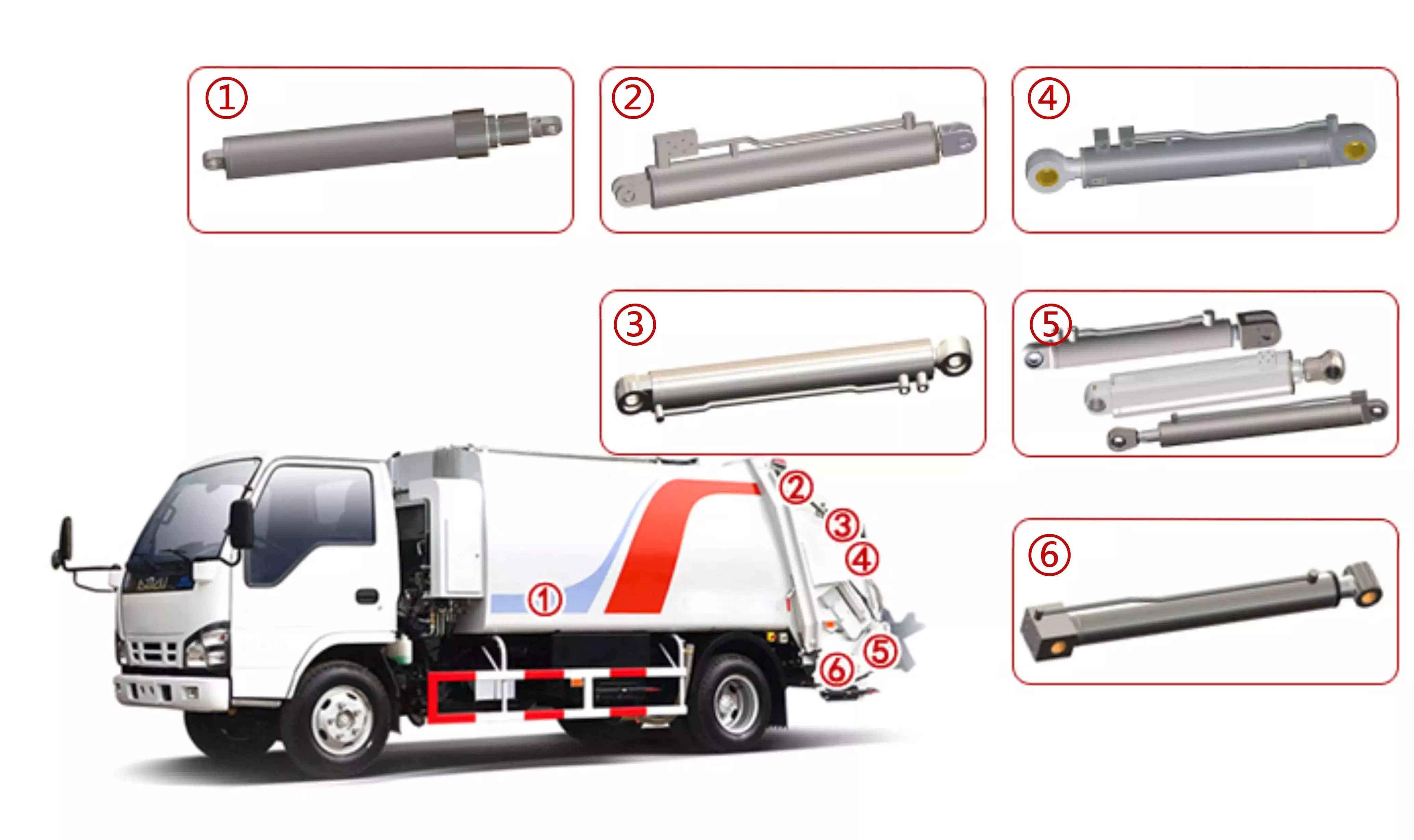
Can hydraulic cylinders be integrated with advanced control systems and automation?
Yes, hydraulic cylinders can be integrated with advanced control systems and automation technologies to enhance their functionality, precision, and overall performance. The integration of hydraulic cylinders with advanced control systems allows for more sophisticated and precise control over their operation, enabling automation and intelligent control. Here’s a detailed explanation of how hydraulic cylinders can be integrated with advanced control systems and automation:
1. Electronic Control:
– Hydraulic cylinders can be equipped with electronic sensors and transducers to provide real-time feedback on their position, force, pressure, or velocity. These sensors can be integrated with advanced control systems, such as programmable logic controllers (PLCs) or distributed control systems (DCS), to monitor and control the operation of hydraulic cylinders. By integrating electronic control, the position, speed, and force of hydraulic cylinders can be precisely monitored and adjusted, allowing for more accurate and automated control.
2. Closed-Loop Control:
– Closed-loop control systems use feedback from sensors to continuously monitor and adjust the operation of hydraulic cylinders. By integrating hydraulic cylinders with closed-loop control systems, precise control over position, velocity, and force can be achieved. Closed-loop control enables the system to automatically compensate for variations, external disturbances, or changes in operating conditions, ensuring accurate and consistent performance. This integration is particularly beneficial in applications that require precise positioning, synchronization, or force control.
3. Proportional and Servo Control:
– Hydraulic cylinders can be integrated with proportional and servo control systems to achieve finer control over their operation. Proportional control systems use proportional valves to regulate the flow and pressure of hydraulic fluid, allowing for precise adjustment of cylinder speed and force. Servo control systems, on the other hand, combine feedback sensors, high-performance valves, and advanced control algorithms to achieve extremely precise control over hydraulic cylinders. Proportional and servo control integration enhances the responsiveness, accuracy, and dynamic performance of hydraulic cylinders.
4. Human-Machine Interface (HMI):
– Hydraulic cylinders integrated with advanced control systems can be operated and monitored through human-machine interface (HMI) devices. HMIs provide a graphical user interface that allows operators to interact with the control system, monitor cylinder performance, and adjust parameters. HMIs enable operators to set desired positions, forces, or velocities, and visualize the real-time feedback from sensors. This integration simplifies the operation and monitoring of hydraulic cylinders, making them more user-friendly and facilitating seamless integration into automated systems.
5. Communication and Networking:
– Hydraulic cylinders can be integrated into communication and networking systems, enabling them to be part of a larger automated system. Integration with industrial communication protocols, such as Ethernet/IP, Profibus, or Modbus, allows for seamless information exchange between the hydraulic cylinders and other system components. This integration enables centralized control, data logging, remote monitoring, and coordination with other automated processes. Communication and networking integration enhance the overall efficiency, coordination, and integration of hydraulic cylinders within complex automation systems.
6. Automation and Sequential Control:
– By integrating hydraulic cylinders with advanced control systems, they can be seamlessly incorporated into automated processes and sequential control operations. The control system can execute predefined sequences or programmed logic to control the operation of hydraulic cylinders based on specific conditions, inputs, or timing. This integration enables the automation of complex tasks, such as material handling, assembly operations, or repetitive motions. Hydraulic cylinders can be synchronized with other actuators, sensors, or devices, allowing for coordinated and automated operation in various industrial applications.
7. Predictive Maintenance and Condition Monitoring:
– Advanced control systems can also enable predictive maintenance and condition monitoring for hydraulic cylinders. By integrating sensors and monitoring capabilities, the control system can continuously monitor the performance, health, and condition of hydraulic cylinders. This integration allows for the detection of abnormalities, wear, or potential failures in real-time. Predictive maintenance strategies can be implemented based on the collected data, optimizing maintenance schedules, reducing downtime, and enhancing the overall reliability of hydraulic systems.
In summary, hydraulic cylinders can be integrated with advanced control systems and automation technologies to enhance their functionality, precision, and performance. The integration allows for electronic control, closed-loop control, proportional and servo control, human-machine interface (HMI) interaction, communication and networking, automation and sequential control, as well as predictive maintenance and condition monitoring. These integrations enable more precise control, automation, improved efficiency, and optimized performance of hydraulic cylinders in various industrial applications.
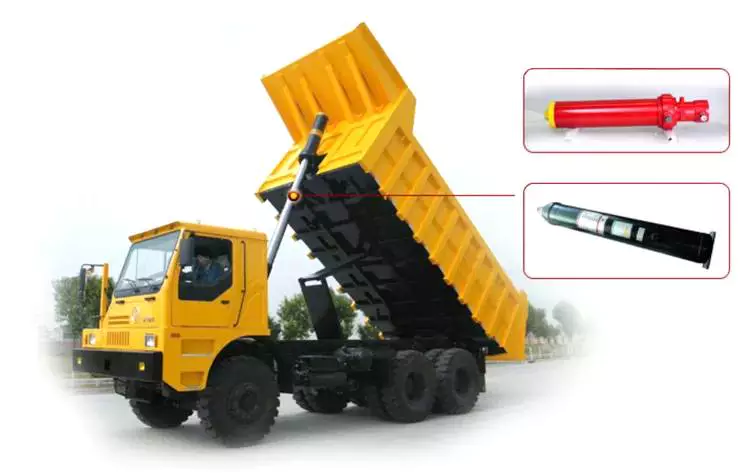
Advancements in Hydraulic Cylinder Technology Improving Corrosion Resistance
Advancements in hydraulic cylinder technology have led to significant improvements in corrosion resistance. Corrosion is a major concern in hydraulic systems, especially in environments where cylinders are exposed to moisture, chemicals, or corrosive agents. These advancements aim to enhance the durability and longevity of hydraulic cylinders. Let’s explore some of the key advancements in hydraulic cylinder technology that have improved corrosion resistance:
- Corrosion-Resistant Materials: The use of corrosion-resistant materials is a fundamental advancement in hydraulic cylinder technology. Stainless steel, for example, offers excellent resistance to corrosion, making it a popular choice in marine, offshore, and other corrosive environments. Additionally, advancements in metallurgy have led to the development of specialized alloys and coatings that provide enhanced corrosion resistance, extending the lifespan of hydraulic cylinders.
- Surface Treatments and Coatings: Various surface treatments and coatings have been developed to protect hydraulic cylinders from corrosion. These treatments can include electroplating, galvanizing, powder coating, and specialized corrosion-resistant coatings. These coatings create a barrier between the cylinder surface and corrosive elements, preventing direct contact and inhibiting the onset of corrosion. The selection of appropriate coatings depends on the specific application and environmental conditions.
- Sealing Technology: Effective sealing systems are crucial in preventing water, moisture, and contaminants from entering the cylinder and causing corrosion. Advancements in sealing technology have led to the development of high-quality seals and advanced sealing designs that offer superior resistance to corrosion. These seals are typically made from materials specifically engineered to withstand corrosive environments, ensuring long-term sealing performance and minimizing the risk of corrosion-related issues.
- Improved Surface Finishes: The surface finish of hydraulic cylinders plays a role in their resistance to corrosion. Advancements in machining and polishing techniques have allowed for smoother and more uniform surface finishes. Smoother surfaces reduce the likelihood of corrosion initiation and make it easier to clean and maintain hydraulic cylinders. Additionally, specialized finishes, such as passivation or chemical treatments, can be applied to further enhance corrosion resistance.
- Environmental Protection Features: Hydraulic cylinders can be equipped with additional features to protect against corrosion. These features may include protective boots, bellows, or shields that guard vulnerable areas from exposure to corrosive agents. By incorporating these protective elements into the design, hydraulic cylinders can withstand harsh environments and minimize the risk of corrosion-related damage.
In summary, advancements in hydraulic cylinder technology have significantly improved corrosion resistance. The use of corrosion-resistant materials, advanced surface treatments and coatings, innovative sealing technology, improved surface finishes, and the incorporation of environmental protection features have all contributed to enhanced durability and longevity of hydraulic cylinders in corrosive environments. These advancements ensure reliable performance and reduce the maintenance and replacement costs associated with corrosion-related issues.
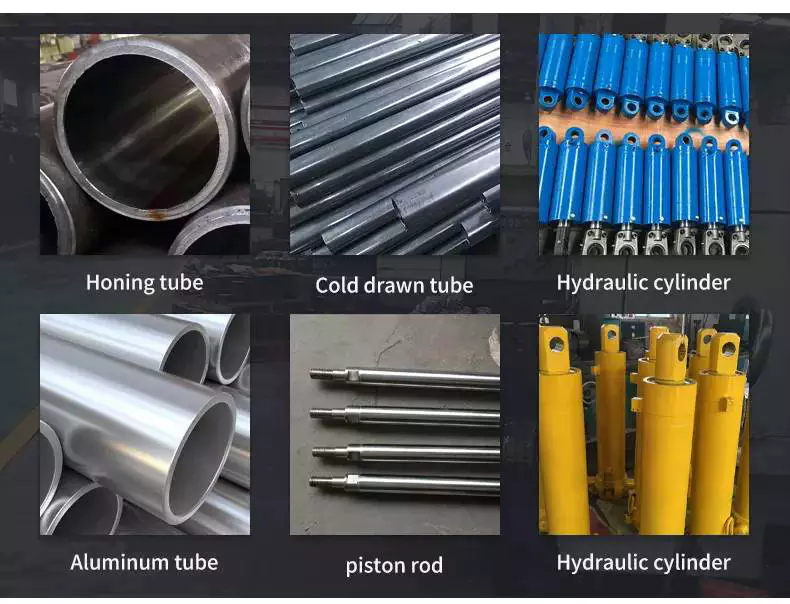
How do hydraulic cylinders contribute to the efficiency of heavy machinery like excavators?
Hydraulic cylinders play a crucial role in enhancing the efficiency and performance of heavy machinery, such as excavators. These powerful hydraulic actuators enable excavators to perform various tasks efficiently and effectively. Here’s a detailed explanation of how hydraulic cylinders contribute to the efficiency of heavy machinery like excavators:
1. Force and Power:
– Hydraulic cylinders provide the necessary force and power required for the excavation process. They convert hydraulic energy from the hydraulic fluid into linear mechanical force, allowing the excavator to exert significant pushing and pulling forces. The force generated by hydraulic cylinders enables the digging arm or boom of the excavator to penetrate and break through tough materials, such as soil, rocks, or concrete, with ease and efficiency.
2. Precise Control:
– Hydraulic cylinders offer precise control over the movement of excavator components. By regulating the flow of hydraulic fluid to the cylinders, operators can control the speed, direction, and positioning of the excavator’s arm, boom, bucket, and other attachments. This precise control allows operators to perform delicate operations, such as fine grading or precise material placement, with accuracy and efficiency.
3. Versatility and Adaptability:
– Hydraulic cylinders enable excavators to perform a wide range of tasks by facilitating the quick and easy interchangeability of attachments. Excavators can be equipped with various specialized attachments, including buckets, breakers, grapples, and augers, which can be efficiently connected and disconnected using hydraulic cylinders. This versatility and adaptability enhance the efficiency of excavators by enabling them to tackle different tasks without the need for extensive manual adjustments or downtime.
4. Increased Productivity:
– The power and control provided by hydraulic cylinders significantly increase the productivity of excavators. Excavators equipped with hydraulic cylinders can complete tasks more quickly and efficiently compared to manual or mechanically-driven machinery. The precise control over movements allows for faster cycle times, reduced idle time, and improved overall productivity on the worksite.
5. Enhanced Digging and Lifting Capabilities:
– Hydraulic cylinders enable excavators to perform digging and lifting operations with enhanced capabilities. The force generated by hydraulic cylinders allows excavators to dig deeper and lift heavier loads compared to other types of machinery. This increased digging and lifting capacity contributes to the efficiency of excavators by reducing the number of passes required to complete a task and improving overall productivity.
6. Durability and Reliability:
– Hydraulic cylinders are designed to withstand heavy loads, challenging operating conditions, and frequent use. They are built with robust materials, such as high-strength steel, and undergo stringent quality control measures during manufacturing. The durability and reliability of hydraulic cylinders ensure that excavators can operate efficiently even in demanding environments, minimizing downtime and maximizing productivity.
7. Energy Efficiency:
– Hydraulic systems, including hydraulic cylinders, are known for their energy efficiency. Hydraulic cylinders can deliver high force outputs while consuming relatively low amounts of hydraulic fluid. This energy efficiency translates to lower fuel consumption and reduced operating costs for excavators. The efficient use of hydraulic power contributes to the overall efficiency and sustainability of heavy machinery operations.
8. Safety:
– Hydraulic cylinders play a vital role in ensuring the safety of excavator operations. They provide controlled and predictable movements, reducing the risk of sudden or uncontrolled motions. The precise control offered by hydraulic cylinders allows operators to perform tasks safely and accurately, minimizing the chances of accidents or damage to the machinery or surrounding environment.
Overall, hydraulic cylinders are essential components that significantly contribute to the efficiency of heavy machinery like excavators. By providing force, precise control, versatility, increased productivity, enhanced capabilities, durability, energy efficiency, and safety, hydraulic cylinders enable excavators to perform a wide range of tasks efficiently and effectively in various industries, including construction, mining, and landscaping.


editor by Dream 2024-11-26
 Polish
  English
  Italian
  Portuguese
  Dutch
Dutch  Swedish
  Danish
  Finnish
  Hindi
Hindi  Kazakh
  Turkish
  Ukrainian
  Romanian
  Spanish
  German
  Russian
  Korean
  Japanese
  Vietnamese
  Thai
Thai  Indonesian
  Malay
Malay  French
  Greek
Greek