
製品説明
Hoist Mechanism,Dimensions & Mass(appros.)
| L(mm) | W(mm) | H(mm) | X(mm) | MASS(kg) | |
| 1180 | 402 | 340 | 391 | 120 | |
Hoist Cylinder and Pump Combination Specification (approx.)
Hoist Cylinder KRM143 | Working Pressure (MPa) (Kgf/cm2) | 6.4 |
Gear Pump KP-55 | Standard Revolution (rpm) | 800 |
65 | |||||
Inner Diameter (mm) | 140 | Discharge Volume(ml/rev.) | 55 | ||
Stroke (mm) | 520 | Max. Testing Pressure (MPa) (Kgf/cm2) |
20.6 | ||
Min. Close distance (mm) | 795 | ||||
210 | |||||
Piston Rod Diameter (mm) | 70 |
Weight(kg) |
13 | ||
Max. pressure (MPa) (Kgf/cm2) | 14.7 | ||||
150 |
Hoist Mounting and Maximum Lifting Capacity
Recommended Truck G.W.(kg) | Body Length(mm) | Rear Overhang(mm) | Distance between Load Center to Hinge(mm) | Distance between trunion to Hinge(mm) | Rated Lifting Capacity(kg) | Designed Max. lifting Capacity(kg) (including load weight) |
6000-9000 | 3400 | 400 | 1300 | 1100 | 4000-5000 | 8500/60° |
| Type: | Hoist |
|---|---|
| Structure: | Hydraulic Jack |
| Capacity (Load): | 1-10T |
| Power Source: | Hydraulic |
| Max Height: | >400mm |
| Condition: | New |
| カスタマイズ: | 利用可能 |
|
|---|
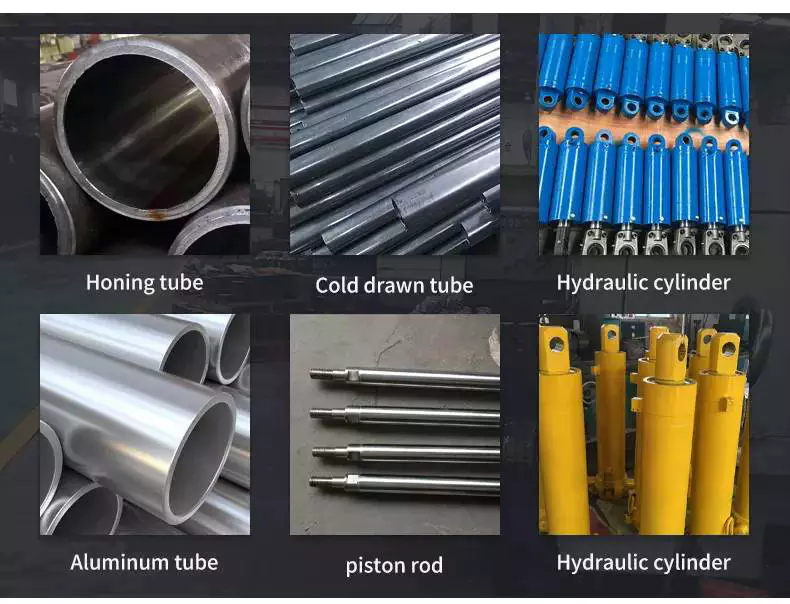
油圧シリンダーは、工業プロセスの全体的なコスト効率にどのように貢献するのでしょうか?
油圧シリンダーは、産業プロセスの全体的なコスト効率を高める上で重要な役割を果たします。油圧シリンダーは、生産性の向上、効率の改善、メンテナンスコストの削減、および運用性能の向上に貢献するなど、多くの利点を提供します。以下に、油圧シリンダーが産業プロセスのコスト効率にどのように貢献するかを詳しく説明します。
1. 高電力密度:
油圧シリンダーは高い出力重量比を実現し、コンパクトな設計で大きな力を発生させることができます。この高い出力密度により、より小型軽量の機器の使用が可能となり、材料費と製造コストの削減、そして産業プロセスの効率向上につながります。
2. 精密な力と位置の制御:
油圧シリンダーは、精密な力と位置制御を実現し、機械やワークピースの正確な動作と位置決めを可能にします。このレベルの制御により、プロセス効率が向上し、材料の無駄が削減され、製品全体の品質が向上します。また、精密な力制御は機器の損傷リスクを最小限に抑え、メンテナンスと修理コストの削減にもつながります。
3. 高い耐荷重能力:
油圧シリンダーは、高負荷に対応できることで知られています。大きな力を発揮できるため、重工業用途に適しています。油圧シリンダーは、高負荷を効率的に処理することで、生産性と処理量の向上に貢献し、追加設備の必要性を減らし、工業プロセスを合理化します。
4. 柔軟性と汎用性:
油圧シリンダーは、産業プロセスにおいて高い柔軟性と汎用性を発揮します。様々な種類の機械や設備に容易に組み込むことができ、多様な用途に対応可能です。この適応性の高さにより、特殊な設備の必要性が軽減され、コスト削減と運用効率の向上につながります。
5. エネルギー効率:
油圧シリンダーを含む油圧システムは、高いエネルギー効率で動作するように設計できます。効率的な油圧回路設計、高度な制御システム、およびエネルギー回収機構を活用することで、油圧シリンダーはエネルギーの無駄を最小限に抑え、運用コストを削減します。エネルギー効率の高い油圧システムは、より持続可能で環境に優しい産業運営にも貢献します。
6.耐久性と寿命:
油圧シリンダーは、過酷な産業環境や頻繁な使用に耐えられるように設計されています。耐久性と長寿命を確保するため、堅牢な素材を使用し、厳格な品質管理措置を経て製造されています。厳しい条件下や繰り返し動作に耐える能力により、頻繁な交換の必要性が軽減され、ダウンタイムとメンテナンスコストが最小限に抑えられます。
7. メンテナンス要件の軽減:
油圧シリンダーは、他のタイプのアクチュエータに比べてメンテナンスの手間が比較的少ない。効率的なろ過および汚染制御機構を備えた適切に設計された油圧システムは、シリンダーの損傷を防ぎ、耐用年数を延ばすことができる。メンテナンス要件の軽減は、ダウンタイムの短縮、人件費の削減、そして産業プロセスの費用対効果の向上につながる。
8. システム統合と自動化:
油圧シリンダーは、自動化された産業プロセスにシームレスに統合できます。油圧シリンダーを自動化システムに組み込むことで、作業を正確かつ再現性高く実行でき、人的ミスを減らし、効率を最適化できます。また、自動化により連続運転が可能になり、生産性と全体的なコスト効率が向上します。
9. 費用対効果の高い代替案:
油圧シリンダーの交換や修理が必要な場合でも、コスト効率は維持されます。油圧シリンダーは通常モジュール式設計になっているため、個々の部品やユニット全体を容易に交換できます。このモジュール構造により、システム全体ではなく影響を受けた部品のみを交換すれば済むため、ダウンタイムとそれに伴うコストを削減できます。
要約すると、油圧シリンダーは、高い出力密度、精密な制御機能、高い負荷処理能力、柔軟性、エネルギー効率、耐久性、メンテナンス要件の低減、システム統合性、そして費用対効果の高い交換オプションといった特長により、産業プロセスの全体的なコスト効率向上に貢献します。生産性、効率性、および運用性能を向上させながら、メンテナンスコストとダウンタイムコストを最小限に抑えることができるため、油圧シリンダーは様々な産業用途において価値あるコンポーネントとなっています。
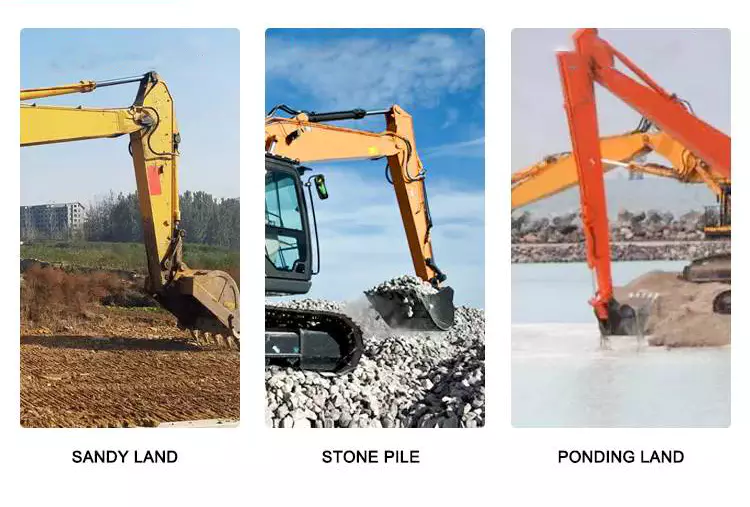
Can you provide real-world examples of machinery that heavily rely on hydraulic cylinders?
Hydraulic cylinders are widely used in various industries and applications due to their ability to provide powerful and precise linear motion. They play a crucial role in enabling the operation of heavy machinery that requires controlled force and movement. Here are some real-world examples of machinery that heavily rely on hydraulic cylinders:
1. Construction Equipment:
– Hydraulic cylinders are extensively used in construction machinery, such as excavators, bulldozers, loaders, and cranes. These machines rely on hydraulic cylinders to perform tasks like lifting heavy loads, extending and retracting booms, tilting buckets, and controlling the movement of various components. Hydraulic cylinders provide the power and precision required to handle the demanding conditions and heavy loads encountered in construction projects.
2. Agricultural Machinery:
– Many agricultural machines, including tractors, combine harvesters, and sprayers, utilize hydraulic cylinders for critical operations. Hydraulic cylinders are used to control the movement of attachments, such as front loaders, backhoes, and plows. They enable functions like lifting and lowering implements, adjusting cutting heights, and controlling the positioning of harvesting equipment. Hydraulic cylinders enhance efficiency and productivity in agricultural operations.
3. Material Handling Equipment:
– Hydraulic cylinders are integral components of material handling equipment, such as forklifts, pallet jacks, and cranes. These machines rely on hydraulic cylinders to lift and lower loads, tilt platforms or forks, and control the movement of lifting mechanisms. Hydraulic cylinders provide the necessary strength and precision to handle heavy loads and ensure safe and efficient material handling operations.
4. Industrial Machinery:
– Various industrial machinery and equipment heavily rely on hydraulic cylinders for critical functions. Examples include hydraulic presses, injection molding machines, metal-forming machines, and hydraulic-powered robots. Hydraulic cylinders enable precise control of force and movement in these applications, allowing for accurate shaping, pressing, and assembly processes.
5. Mining Equipment:
– Hydraulic cylinders are extensively used in mining machinery and equipment. Underground mining machines, such as continuous miners and longwall shearers, utilize hydraulic cylinders for cutting, shearing, and roof support operations. Surface mining equipment, including hydraulic shovels, draglines, and haul trucks, rely on hydraulic cylinders for tasks like bucket movement, boom extension, and vehicle suspension.
6. Automotive Industry:
– The automotive industry extensively utilizes hydraulic cylinders in various applications. Hydraulic cylinders are employed in vehicle suspension systems, power steering systems, convertible tops, and hydraulic brake systems. They enable smooth and controlled movement, precise steering, and efficient braking in automobiles.
7. Aerospace and Aviation:
– Hydraulic cylinders are utilized in aerospace and aviation applications, such as aircraft landing gear systems, wing flaps, and cargo handling equipment. Hydraulic cylinders provide the necessary force and control for extending and retracting landing gear, adjusting wing flaps, and operating cargo doors, ensuring safe and reliable aircraft operations.
8. Marine and Offshore Industry:
– Hydraulic cylinders are essential components in marine and offshore equipment, including ship cranes, winches, and hydraulic-powered anchor systems. They enable lifting, lowering, and positioning of heavy loads, as well as the control of various marine equipment.
These are just a few examples of machinery and industries that heavily rely on hydraulic cylinders. The versatility, power, and precise control offered by hydraulic cylinders make them indispensable in a wide range of applications, where controlled linear motion and force are essential.
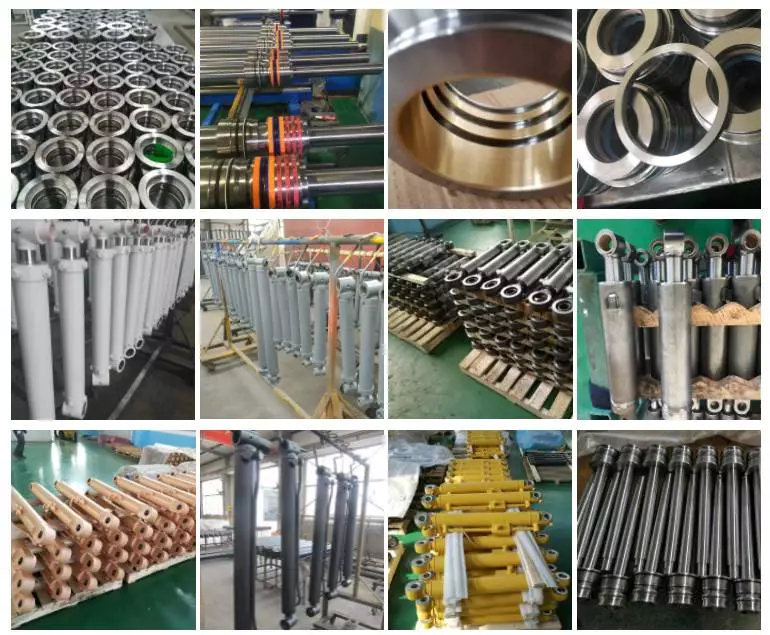
What are the common signs of wear or leakage that indicate hydraulic cylinder issues?
Hydraulic cylinders are critical components in hydraulic systems, and wear or leakage can lead to performance issues and potential system failures. It is important to be aware of the common signs that indicate hydraulic cylinder problems. Here’s a detailed explanation of the common signs of wear or leakage that indicate hydraulic cylinder issues:
1. Fluid Leakage:
– Fluid leakage is one of the most obvious signs of hydraulic cylinder problems. If you notice hydraulic fluid leaking from the cylinder, it indicates a seal failure or damage to the cylinder. Leaking fluid may be visible around the rod, piston, or cylinder body. It is important to address fluid leakage promptly as it can lead to a loss of system efficiency, contamination of the surrounding environment, and potential damage to other system components.
2. Reduced Performance:
– Wear or internal damage to the hydraulic cylinder can result in reduced performance. You may notice a decrease in the cylinder’s force output, slower operation, or difficulty in extending or retracting the cylinder. Reduced performance can be indicative of worn seals, damaged piston or rod, internal leakage, or contamination within the cylinder. Any noticeable decrease in the cylinder’s performance should be inspected and addressed to prevent further damage or system inefficiencies.
3. Abnormal Noise or Vibrations:
– Unusual noise or vibrations during the operation of a hydraulic cylinder can indicate internal wear or damage. Excessive noise, knocking sounds, or vibrations that are not typical for the system may suggest problems such as worn bearings, misalignment, or loose internal components. These signs should be investigated to identify the source of the issue and take appropriate corrective measures.
4. Excessive Heat:
– Overheating of the hydraulic cylinder is another sign of potential issues. If the cylinder feels excessively hot to the touch during normal operation, it may indicate problems such as internal leakage, fluid contamination, or inadequate lubrication. Excessive heat can lead to accelerated wear, reduced efficiency, and overall system malfunctions. Monitoring the temperature of the hydraulic cylinder is important to detect and address potential problems.
5. External Damage:
– Physical damage to the hydraulic cylinder, such as dents, scratches, or bent rods, can contribute to wear and leakage issues. External damage can compromise the integrity of the cylinder, leading to fluid leakage, misalignment, or inefficient operation. Regular inspection of the cylinder’s external condition is essential to identify any visible signs of damage and take appropriate actions.
6. Seal Failure:
– Hydraulic cylinder seals are critical components that prevent fluid leakage and maintain system integrity. Signs of seal failure include fluid leakage, reduced performance, and increased friction during cylinder operation. Damaged or worn seals should be replaced promptly to prevent further deterioration of the cylinder’s performance and potential damage to other system components.
7. Contamination:
– Contamination within the hydraulic cylinder can cause wear, damage to seals, and overall system inefficiencies. Signs of contamination include the presence of foreign particles, debris, or sludge in the hydraulic fluid or visible damage to seals and other internal components. Regular fluid analysis and maintenance practices should be implemented to prevent contamination and address any signs of contamination promptly.
8. Irregular Seal Wear:
– Hydraulic cylinder seals can wear over time due to friction, pressure, and operating conditions. Irregular seal wear patterns, such as uneven wear or excessive wear in specific areas, may indicate misalignment or improper installation. Monitoring the condition of the seals during regular maintenance can help identify potential issues and prevent premature seal failure.
It is important to address these common signs of wear or leakage promptly to prevent further damage, ensure the optimal performance of hydraulic cylinders, and maintain the overall efficiency and reliability of the hydraulic system. Regular inspection, maintenance, and timely repairs or replacements of damaged components are key to mitigating hydraulic cylinder issues and maximizing system longevity.

editor by CX 2023-11-22
 Japanese
  English
  Italian
  Portuguese
  Dutch
Dutch  Swedish
  Danish
  Finnish
  Polish
  Hindi
Hindi  Kazakh
  Turkish
  Ukrainian
  Romanian
  Spanish
  German
  Russian
  Korean
  Vietnamese
  Thai
Thai  Indonesian
  Malay
Malay  French
  Greek
Greek