
Descrição do produto
Hoist Mechanism,Dimensions & Mass(appros.)
| L(mm) | W(mm) | H(mm) | X(mm) | MASS(kg) | |
| 1180 | 402 | 340 | 391 | 120 | |
Hoist Cylinder and Pump Combination Specification (approx.)
Hoist Cylinder KRM143 | Working Pressure (MPa) (Kgf/cm2) | 6.4 |
Gear Pump KP-55 | Standard Revolution (rpm) | 800 |
65 | |||||
Inner Diameter (mm) | 140 | Discharge Volume(ml/rev.) | 55 | ||
Stroke (mm) | 520 | Max. Testing Pressure (MPa) (Kgf/cm2) |
20.6 | ||
Min. Close distance (mm) | 795 | ||||
210 | |||||
Piston Rod Diameter (mm) | 70 |
Weight(kg) |
13 | ||
Max. pressure (MPa) (Kgf/cm2) | 14.7 | ||||
150 |
Hoist Mounting and Maximum Lifting Capacity
Recommended Truck G.W.(kg) | Body Length(mm) | Rear Overhang(mm) | Distance between Load Center to Hinge(mm) | Distance between trunion to Hinge(mm) | Rated Lifting Capacity(kg) | Designed Max. lifting Capacity(kg) (including load weight) |
6000-9000 | 3400 | 400 | 1300 | 1100 | 4000-5000 | 8500/60° |
| Type: | Hoist |
|---|---|
| Structure: | Hydraulic Jack |
| Capacity (Load): | 1-10T |
| Power Source: | Hydraulic |
| Max Height: | >400mm |
| Condition: | New |
| Customization: | Available |
|
|---|
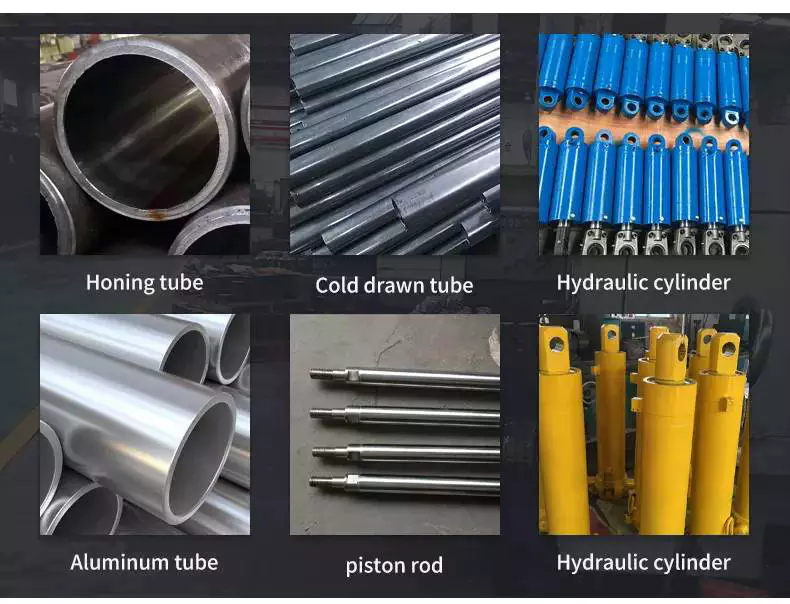
De que forma os cilindros hidráulicos contribuem para a relação custo-benefício geral dos processos industriais?
Os cilindros hidráulicos desempenham um papel crucial na melhoria da relação custo-benefício dos processos industriais. Eles oferecem diversas vantagens e contribuem para o aumento da produtividade, a melhoria da eficiência, a redução dos custos de manutenção e o aprimoramento do desempenho operacional. A seguir, uma explicação detalhada de como os cilindros hidráulicos contribuem para a relação custo-benefício dos processos industriais:
1. Alta densidade de potência:
Os cilindros hidráulicos oferecem uma elevada relação potência/peso, permitindo-lhes gerar uma força substancial num design compacto. Esta densidade de potência possibilita a utilização de equipamentos mais pequenos e leves, reduzindo os custos de materiais e de fabrico e aumentando a eficiência dos processos industriais.
2. Controle preciso de força e posição:
Os cilindros hidráulicos oferecem controle preciso de força e posição, permitindo o movimento e posicionamento exatos de máquinas ou peças. Esse nível de controle aumenta a eficiência do processo, reduz o desperdício de material e melhora a qualidade geral do produto. O controle preciso da força também minimiza o risco de danos ao equipamento, reduzindo ainda mais os custos de manutenção e reparo.
3. Alta capacidade de carga:
Os cilindros hidráulicos são conhecidos por sua capacidade de suportar cargas elevadas. Eles podem exercer uma força significativa, tornando-os adequados para aplicações industriais pesadas. Ao lidar com cargas pesadas de forma eficiente, os cilindros hidráulicos contribuem para o aumento da produtividade e do rendimento, reduzindo a necessidade de equipamentos adicionais e otimizando os processos industriais.
4. Flexibilidade e Versatilidade:
Os cilindros hidráulicos oferecem um alto grau de flexibilidade e versatilidade em processos industriais. Podem ser facilmente integrados a diversos tipos de máquinas e equipamentos, permitindo aplicações variadas. Essa adaptabilidade reduz a necessidade de equipamentos especializados, resultando em economia de custos e maior eficiência operacional.
5. Eficiência energética:
Os sistemas hidráulicos, incluindo os cilindros hidráulicos, podem ser projetados para operar com alta eficiência energética. Ao utilizar projetos de circuitos hidráulicos eficientes, sistemas de controle avançados e mecanismos de recuperação de energia, os cilindros hidráulicos minimizam o desperdício de energia e reduzem os custos operacionais. Sistemas hidráulicos energeticamente eficientes também contribuem para uma operação industrial mais sustentável e ecologicamente correta.
6. Durabilidade e Longevidade:
Os cilindros hidráulicos são projetados para suportar ambientes industriais exigentes e uso intenso. São fabricados com materiais robustos e submetidos a rigorosos controles de qualidade para garantir durabilidade e longa vida útil. Sua capacidade de suportar condições adversas e movimentos repetitivos reduz a necessidade de substituições frequentes, minimizando o tempo de inatividade e os custos de manutenção.
7. Requisitos de manutenção reduzidos:
Os cilindros hidráulicos requerem relativamente pouca manutenção em comparação com outros tipos de atuadores. Sistemas hidráulicos bem projetados, com mecanismos eficientes de filtragem e controle de contaminação, podem prevenir danos aos cilindros e prolongar sua vida útil. A redução da necessidade de manutenção resulta em menor tempo de inatividade, custos de mão de obra reduzidos e maior custo-benefício dos processos industriais.
8. Integração e Automação de Sistemas:
Os cilindros hidráulicos podem ser integrados perfeitamente em processos industriais automatizados. Ao incorporar cilindros hidráulicos em sistemas automatizados, as tarefas podem ser executadas com precisão e repetibilidade, reduzindo erros humanos e otimizando a eficiência. A automação também permite a operação contínua, aumentando a produtividade e a relação custo-benefício geral.
9. Substituição com boa relação custo-benefício:
– Em situações onde os cilindros hidráulicos necessitam de substituição ou reparo, a relação custo-benefício do processo é mantida. Os cilindros hidráulicos são tipicamente modulares, permitindo a fácil substituição de componentes individuais ou unidades completas. Essa modularidade reduz o tempo de inatividade e os custos associados, uma vez que apenas os componentes afetados precisam ser substituídos, em vez de todo o sistema.
Em resumo, os cilindros hidráulicos contribuem para a relação custo-benefício geral dos processos industriais por meio de sua alta densidade de potência, capacidades de controle preciso, alta capacidade de carga, flexibilidade, eficiência energética, durabilidade, menores requisitos de manutenção, integração de sistemas e opções de substituição com boa relação custo-benefício. Sua capacidade de aumentar a produtividade, a eficiência e o desempenho operacional, minimizando os custos de manutenção e tempo de inatividade, torna os cilindros hidráulicos um componente valioso em diversas aplicações industriais.
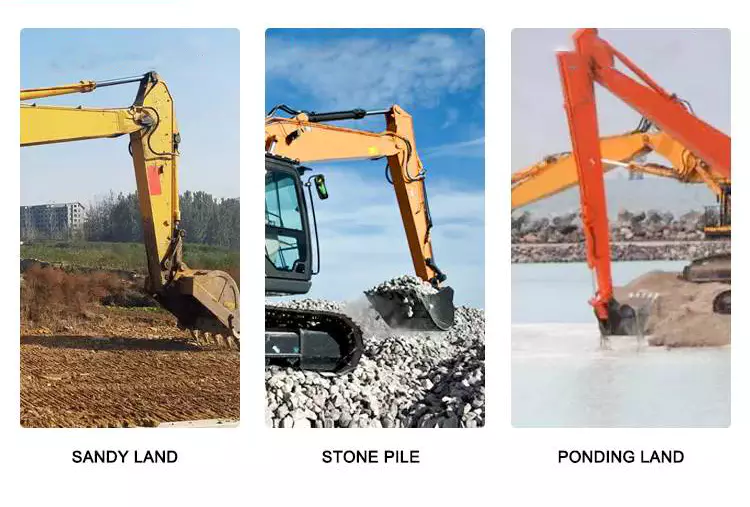
Can you provide real-world examples of machinery that heavily rely on hydraulic cylinders?
Hydraulic cylinders are widely used in various industries and applications due to their ability to provide powerful and precise linear motion. They play a crucial role in enabling the operation of heavy machinery that requires controlled force and movement. Here are some real-world examples of machinery that heavily rely on hydraulic cylinders:
1. Construction Equipment:
– Hydraulic cylinders are extensively used in construction machinery, such as excavators, bulldozers, loaders, and cranes. These machines rely on hydraulic cylinders to perform tasks like lifting heavy loads, extending and retracting booms, tilting buckets, and controlling the movement of various components. Hydraulic cylinders provide the power and precision required to handle the demanding conditions and heavy loads encountered in construction projects.
2. Agricultural Machinery:
– Many agricultural machines, including tractors, combine harvesters, and sprayers, utilize hydraulic cylinders for critical operations. Hydraulic cylinders are used to control the movement of attachments, such as front loaders, backhoes, and plows. They enable functions like lifting and lowering implements, adjusting cutting heights, and controlling the positioning of harvesting equipment. Hydraulic cylinders enhance efficiency and productivity in agricultural operations.
3. Material Handling Equipment:
– Hydraulic cylinders are integral components of material handling equipment, such as forklifts, pallet jacks, and cranes. These machines rely on hydraulic cylinders to lift and lower loads, tilt platforms or forks, and control the movement of lifting mechanisms. Hydraulic cylinders provide the necessary strength and precision to handle heavy loads and ensure safe and efficient material handling operations.
4. Industrial Machinery:
– Various industrial machinery and equipment heavily rely on hydraulic cylinders for critical functions. Examples include hydraulic presses, injection molding machines, metal-forming machines, and hydraulic-powered robots. Hydraulic cylinders enable precise control of force and movement in these applications, allowing for accurate shaping, pressing, and assembly processes.
5. Mining Equipment:
– Hydraulic cylinders are extensively used in mining machinery and equipment. Underground mining machines, such as continuous miners and longwall shearers, utilize hydraulic cylinders for cutting, shearing, and roof support operations. Surface mining equipment, including hydraulic shovels, draglines, and haul trucks, rely on hydraulic cylinders for tasks like bucket movement, boom extension, and vehicle suspension.
6. Automotive Industry:
– The automotive industry extensively utilizes hydraulic cylinders in various applications. Hydraulic cylinders are employed in vehicle suspension systems, power steering systems, convertible tops, and hydraulic brake systems. They enable smooth and controlled movement, precise steering, and efficient braking in automobiles.
7. Aerospace and Aviation:
– Hydraulic cylinders are utilized in aerospace and aviation applications, such as aircraft landing gear systems, wing flaps, and cargo handling equipment. Hydraulic cylinders provide the necessary force and control for extending and retracting landing gear, adjusting wing flaps, and operating cargo doors, ensuring safe and reliable aircraft operations.
8. Marine and Offshore Industry:
– Hydraulic cylinders are essential components in marine and offshore equipment, including ship cranes, winches, and hydraulic-powered anchor systems. They enable lifting, lowering, and positioning of heavy loads, as well as the control of various marine equipment.
These are just a few examples of machinery and industries that heavily rely on hydraulic cylinders. The versatility, power, and precise control offered by hydraulic cylinders make them indispensable in a wide range of applications, where controlled linear motion and force are essential.
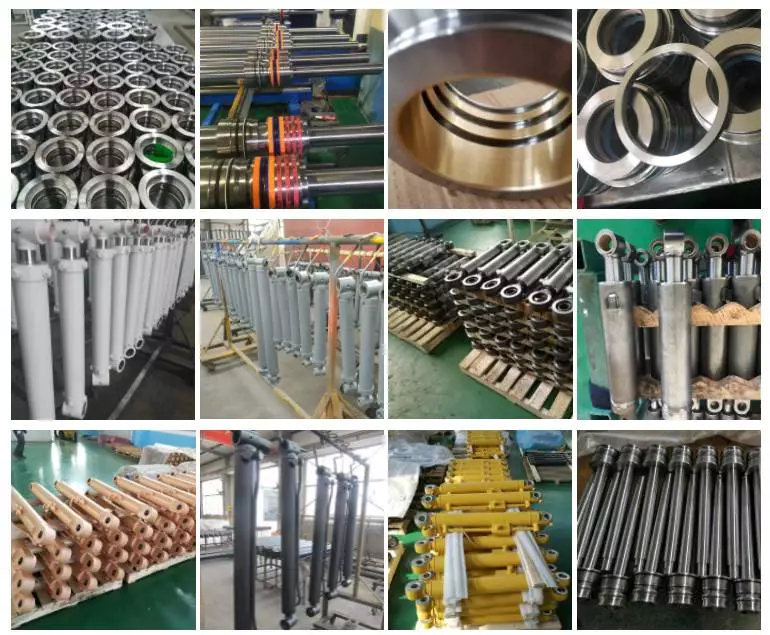
What are the common signs of wear or leakage that indicate hydraulic cylinder issues?
Hydraulic cylinders are critical components in hydraulic systems, and wear or leakage can lead to performance issues and potential system failures. It is important to be aware of the common signs that indicate hydraulic cylinder problems. Here’s a detailed explanation of the common signs of wear or leakage that indicate hydraulic cylinder issues:
1. Fluid Leakage:
– Fluid leakage is one of the most obvious signs of hydraulic cylinder problems. If you notice hydraulic fluid leaking from the cylinder, it indicates a seal failure or damage to the cylinder. Leaking fluid may be visible around the rod, piston, or cylinder body. It is important to address fluid leakage promptly as it can lead to a loss of system efficiency, contamination of the surrounding environment, and potential damage to other system components.
2. Reduced Performance:
– Wear or internal damage to the hydraulic cylinder can result in reduced performance. You may notice a decrease in the cylinder’s force output, slower operation, or difficulty in extending or retracting the cylinder. Reduced performance can be indicative of worn seals, damaged piston or rod, internal leakage, or contamination within the cylinder. Any noticeable decrease in the cylinder’s performance should be inspected and addressed to prevent further damage or system inefficiencies.
3. Abnormal Noise or Vibrations:
– Unusual noise or vibrations during the operation of a hydraulic cylinder can indicate internal wear or damage. Excessive noise, knocking sounds, or vibrations that are not typical for the system may suggest problems such as worn bearings, misalignment, or loose internal components. These signs should be investigated to identify the source of the issue and take appropriate corrective measures.
4. Excessive Heat:
– Overheating of the hydraulic cylinder is another sign of potential issues. If the cylinder feels excessively hot to the touch during normal operation, it may indicate problems such as internal leakage, fluid contamination, or inadequate lubrication. Excessive heat can lead to accelerated wear, reduced efficiency, and overall system malfunctions. Monitoring the temperature of the hydraulic cylinder is important to detect and address potential problems.
5. External Damage:
– Physical damage to the hydraulic cylinder, such as dents, scratches, or bent rods, can contribute to wear and leakage issues. External damage can compromise the integrity of the cylinder, leading to fluid leakage, misalignment, or inefficient operation. Regular inspection of the cylinder’s external condition is essential to identify any visible signs of damage and take appropriate actions.
6. Seal Failure:
– Hydraulic cylinder seals are critical components that prevent fluid leakage and maintain system integrity. Signs of seal failure include fluid leakage, reduced performance, and increased friction during cylinder operation. Damaged or worn seals should be replaced promptly to prevent further deterioration of the cylinder’s performance and potential damage to other system components.
7. Contamination:
– Contamination within the hydraulic cylinder can cause wear, damage to seals, and overall system inefficiencies. Signs of contamination include the presence of foreign particles, debris, or sludge in the hydraulic fluid or visible damage to seals and other internal components. Regular fluid analysis and maintenance practices should be implemented to prevent contamination and address any signs of contamination promptly.
8. Irregular Seal Wear:
– Hydraulic cylinder seals can wear over time due to friction, pressure, and operating conditions. Irregular seal wear patterns, such as uneven wear or excessive wear in specific areas, may indicate misalignment or improper installation. Monitoring the condition of the seals during regular maintenance can help identify potential issues and prevent premature seal failure.
It is important to address these common signs of wear or leakage promptly to prevent further damage, ensure the optimal performance of hydraulic cylinders, and maintain the overall efficiency and reliability of the hydraulic system. Regular inspection, maintenance, and timely repairs or replacements of damaged components are key to mitigating hydraulic cylinder issues and maximizing system longevity.

editor by CX 2023-11-22
 Portuguese
  English
  Italian
  Dutch
Dutch  Swedish
  Danish
  Finnish
  Polish
  Hindi
Hindi  Kazakh
  Turkish
  Ukrainian
  Romanian
  Spanish
  German
  Russian
  Korean
  Japanese
  Vietnamese
  Thai
Thai  Indonesian
  Malay
Malay  French
  Greek
Greek