
Opis produktu
hydraulic cylinder tipping gear system for dump truck manufacturer
The hydraulc self-charging system for dump truck includes telescopic hydraulic cylinder,supporting bracket, hydraulic hose, gear pump, limit valve and other fittings. It has simple structure, high strength and safe operation with competitive price and excellent quality.
1. dump truck telescopic hydraulic cylinder drawing and parameter
Features | customer hydraulic cylinder |
Bore Diameter | 2′-60’/50-1500mm |
Rod Diameter | 1′ – 60’/25 -1500 mm |
Wall Thickness | 0.1′-4’/3-100 mm |
Max Stroke | 366’/9280 mm |
Max Pressure | 9600 psi/600 bar |
Test Pressure | 14500 psi/1000 bar |
Tworzywo | 20#,40#,45#,16Mn,27SiMn,etc |
Seal Kits | Hallite,Parker,NOK,DICHTOMATIK,Trelleborg,Merkel,etc |
Diamensional Accuracy | H7-H11 |
Bore Roughness | Ra 0.4-1.6mm |
Coating | hard chrome |
Purpose | Construction,metallurgical,mining,agricultural,forestry machinery,etc |
OEM | Yes |
Minimalne zamówienie | 1 Piece |
Certificates | ISO9001,ISO/TS16949,ABS,AQA,API,CCS,CCRI,DNV |
Product details:
Production process:
hydraulic cylinder for dump truck , trail truck,garbage truck,crane
1.Sinciput telescopic hydraulic cylinder is used in lager-tonnage sinciput hydraulic system. Together with hydraulic pump, change valve, and limit valve, it can realize the function of lifting pausing and falling. And the product can be designed and made according to the demands of customers.
2.underbody telescopic hydraulic cylinder is used in large-tonnage side-dumping hydraulic system. Together with hydraulic pump, change valve, and limit valve, it can realize the function of lifting pausing and falling. And the product can be designed and made according to the demands of customers.
hydraulic cylinder for coal mine dump truck
3.Hydraulic cylinder is the most important component in hydraulic systems, it will transfer hydraulic energy into mechanical energy, and is matched with various transmission mechanism, to complete a variety of mechanical motion.
4.Hydraulic cylinder has the advantages of simple structure, large output force, stable and reliable performance, easy maintenance, wide application.
5. customer hydraulic cylinder can be used for dump truck, marine, drilling machine, industry, elevator , workover rig , mining, agriculture, industry, construction ,etc.
| Certification: | GS, RoHS, CE, ISO9001 |
|---|---|
| Pressure: | High Pressure |
| Work Temperature: | High Temperature |
| Samples: | US$ 200/Piece 1 Piece(Min.Order) | Order Sample |
|---|
| Customization: | Available |
|
|---|
.shipping-cost-tm .tm-status-off{background: none;padding:0;color: #1470cc}
| Shipping Cost: Estimated freight per unit. | about shipping cost and estimated delivery time. |
|---|
| Payment Method: |
|
|---|---|
| Initial Payment Full Payment |
| Currency: | US$ |
|---|
| Return&refunds: | You can apply for a refund up to 30 days after receipt of the products. |
|---|
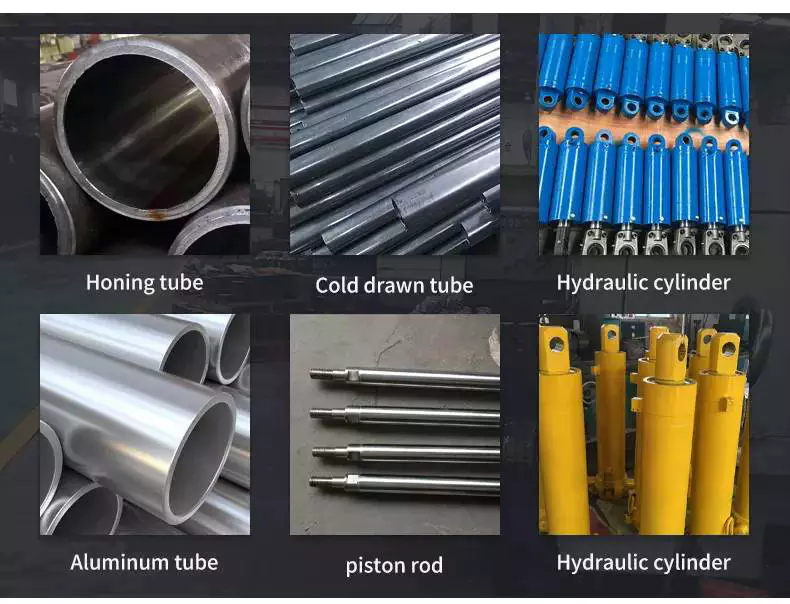
W jaki sposób siłowniki hydrauliczne przyczyniają się do ogólnej opłacalności procesów przemysłowych?
Siłowniki hydrauliczne odgrywają kluczową rolę w zwiększaniu ogólnej opłacalności procesów przemysłowych. Oferują szereg zalet i przyczyniają się do wzrostu produktywności, poprawy efektywności, obniżenia kosztów konserwacji i poprawy wydajności operacyjnej. Oto szczegółowe wyjaśnienie, w jaki sposób siłowniki hydrauliczne przyczyniają się do opłacalności procesów przemysłowych:
1. Wysoka gęstość mocy:
– Siłowniki hydrauliczne zapewniają wysoki stosunek mocy do masy, co pozwala im generować znaczną siłę przy kompaktowej konstrukcji. Taka gęstość mocy umożliwia stosowanie mniejszych i lżejszych urządzeń, co obniża koszty materiałów i produkcji oraz zwiększa wydajność procesów przemysłowych.
2. Precyzyjna kontrola siły i położenia:
– Siłowniki hydrauliczne zapewniają precyzyjną kontrolę siły i położenia, umożliwiając precyzyjne przemieszczanie i pozycjonowanie maszyn lub elementów obrabianych. Taki poziom kontroli zwiększa wydajność procesu, zmniejsza straty materiałów i poprawia ogólną jakość produktu. Precyzyjna kontrola siły minimalizuje również ryzyko uszkodzenia sprzętu, co dodatkowo obniża koszty konserwacji i napraw.
3. Wysoka nośność:
– Siłowniki hydrauliczne znane są ze swojej zdolności do przenoszenia dużych obciążeń. Mogą wywierać znaczną siłę, dzięki czemu nadają się do ciężkich zastosowań przemysłowych. Dzięki efektywnemu przenoszeniu dużych obciążeń, siłowniki hydrauliczne przyczyniają się do zwiększenia wydajności i przepustowości, redukując zapotrzebowanie na dodatkowy sprzęt i usprawniając procesy przemysłowe.
4. Elastyczność i wszechstronność:
– Siłowniki hydrauliczne oferują wysoki stopień elastyczności i wszechstronności w procesach przemysłowych. Można je łatwo zintegrować z różnymi typami maszyn i urządzeń, co pozwala na różnorodne zastosowania. Ta uniwersalność zmniejsza zapotrzebowanie na specjalistyczny sprzęt, co przekłada się na oszczędności i wzrost wydajności operacyjnej.
5. Efektywność energetyczna:
– Układy hydrauliczne, w tym cylindry hydrauliczne, mogą być projektowane z myślą o wysokiej efektywności energetycznej. Dzięki zastosowaniu wydajnych układów hydraulicznych, zaawansowanych systemów sterowania i mechanizmów odzyskiwania energii, cylindry hydrauliczne minimalizują straty energii i obniżają koszty operacyjne. Energooszczędne układy hydrauliczne przyczyniają się również do bardziej zrównoważonej i przyjaznej dla środowiska działalności przemysłowej.
6. Trwałość i długowieczność:
– Siłowniki hydrauliczne są zaprojektowane tak, aby sprostać wymagającym warunkom przemysłowym i intensywnemu użytkowaniu. Wykonane są z wytrzymałych materiałów i przechodzą rygorystyczną kontrolę jakości, aby zapewnić trwałość i długowieczność. Ich odporność na trudne warunki i powtarzalność ruchów zmniejsza potrzebę częstych wymian, minimalizując przestoje i koszty konserwacji.
7. Zredukowane wymagania konserwacyjne:
– Siłowniki hydrauliczne wymagają stosunkowo niewielkiej konserwacji w porównaniu z innymi typami siłowników. Prawidłowo zaprojektowane układy hydrauliczne z wydajnymi mechanizmami filtracji i kontroli zanieczyszczeń mogą zapobiegać uszkodzeniom cylindrów i wydłużać ich żywotność. Niższe wymagania konserwacyjne przekładają się na krótszy czas przestoju, niższe koszty pracy i lepszą opłacalność procesów przemysłowych.
8. Integracja i automatyzacja systemów:
– Siłowniki hydrauliczne można bezproblemowo zintegrować z zautomatyzowanymi procesami przemysłowymi. Dzięki integracji siłowników hydraulicznych z systemami zautomatyzowanymi, zadania mogą być wykonywane z precyzją i powtarzalnością, co redukuje ryzyko błędu ludzkiego i optymalizuje wydajność. Automatyzacja umożliwia również ciągłość pracy, zwiększając produktywność i ogólną opłacalność.
9. Ekonomiczna wymiana:
– W sytuacjach, gdy cylindry hydrauliczne wymagają wymiany lub naprawy, opłacalność procesu pozostaje zachowana. Cylindry hydrauliczne mają zazwyczaj konstrukcję modułową, co pozwala na łatwą wymianę poszczególnych podzespołów lub całych zespołów. Ta modułowość skraca przestoje i związane z nimi koszty, ponieważ wymiana obejmuje tylko uszkodzone podzespoły, a nie cały system.
Podsumowując, cylindry hydrauliczne przyczyniają się do ogólnej opłacalności procesów przemysłowych dzięki wysokiej gęstości mocy, precyzyjnym możliwościom sterowania, wysokiej nośności, elastyczności, efektywności energetycznej, trwałości, mniejszym wymaganiom konserwacyjnym, integracji systemów oraz ekonomicznym opcjom wymiany. Ich zdolność do zwiększania produktywności, wydajności i efektywności operacyjnej przy jednoczesnej minimalizacji kosztów konserwacji i przestojów sprawia, że cylindry hydrauliczne są cennym elementem w różnych zastosowaniach przemysłowych.
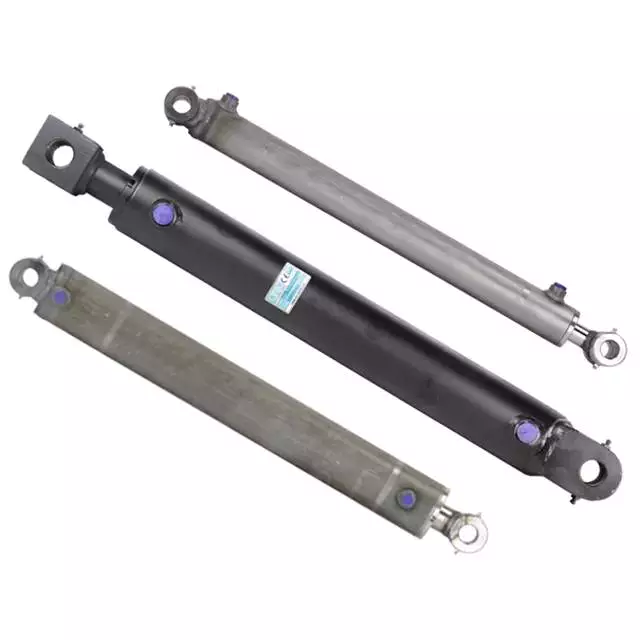
What considerations are important when selecting hydraulic cylinders for mobile equipment?
To select hydraulic cylinders for mobile equipment, several important considerations need to be taken into account. Here are the key factors to consider:
- Load Capacity: Determine the maximum load or force that the hydraulic cylinder will need to support. This includes both the static load and any dynamic or shock loads that may be encountered during operation.
- Stroke Length: Consider the required stroke length, which is the distance the hydraulic cylinder can extend and retract. Ensure that the stroke length is sufficient for the specific application and range of motion needed.
- Operating Pressure: Determine the maximum operating pressure required for the hydraulic system. This will depend on the load and the specific application. Select a hydraulic cylinder with a pressure rating that exceeds the maximum operating pressure to ensure safety and durability.
- Mounting Style: Consider the available space and the mounting requirements of the mobile equipment. Hydraulic cylinders come in various mounting styles, such as flange, trunnion, clevis, and pivot, among others. Choose a mounting style that is compatible with the equipment and provides the necessary support and stability.
- Size and Weight: Take into account the physical dimensions and weight of the hydraulic cylinder. Ensure that it can fit within the available space and that the equipment can support its weight without compromising performance or safety.
- Speed and Precision: Evaluate the required speed and precision of the hydraulic cylinder’s movement. Different cylinder designs and configurations can affect the speed and accuracy of motion. Consider factors such as cylinder bore size, rod diameter, and the presence of cushioning or dampening features.
- Environmental Factors: Assess the operating environment of the mobile equipment. Consider factors such as temperature extremes, exposure to moisture, dust, and chemicals. Select hydraulic cylinders with appropriate seals and coatings that can withstand the environmental conditions and prevent corrosion or damage.
- Reliability and Maintenance: Consider the reliability and maintenance requirements of the hydraulic cylinders. Look for reputable manufacturers that provide high-quality products with a proven track record. Evaluate factors such as expected service life, availability of spare parts, and ease of maintenance.
- Cost: Finally, consider the cost of the hydraulic cylinders, including the initial purchase price, installation costs, and long-term maintenance expenses. While it is essential to find a cost-effective solution, prioritize quality and performance to ensure safe and efficient operation.
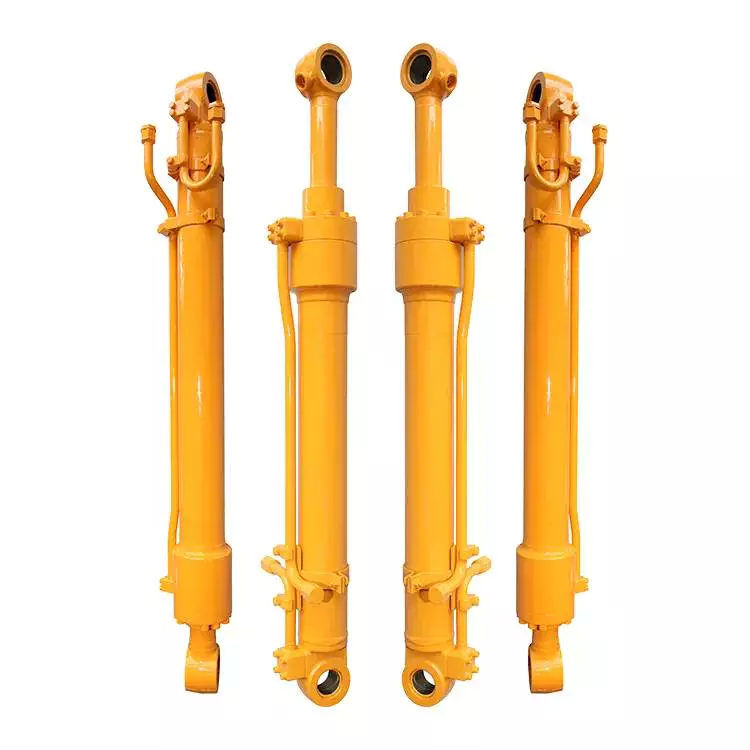
What maintenance practices are essential for extending the lifespan of hydraulic cylinders?
Maintaining hydraulic cylinders is crucial for extending their lifespan and ensuring optimal performance. Regular maintenance helps prevent premature wear, damage, and failure, ultimately reducing downtime and saving costs. Here are some essential maintenance practices to consider for extending the lifespan of hydraulic cylinders:
1. Regular Inspections:
– Conduct routine visual inspections of hydraulic cylinders to identify any signs of damage, leaks, or wear. Inspect the cylinder body, piston rod, seals, and mounting points. Look for fluid leaks, rust, dents, or any abnormal wear patterns. Early detection of issues allows for timely repairs or replacements, preventing further damage and extending the lifespan of the cylinder.
2. Cleanliness:
– Maintain a clean environment around hydraulic cylinders to prevent contaminants from entering the system. Dust, dirt, and debris can damage seals and other internal components, leading to accelerated wear and reduced performance. Regularly clean the cylinder and its surroundings to minimize the risk of contamination.
3. Proper Lubrication:
– Adequate lubrication is critical for the smooth operation and longevity of hydraulic cylinders. Follow the manufacturer’s recommendations for lubrication intervals and use the appropriate lubricant. Apply lubrication to the cylinder’s moving parts, such as the piston rod, to reduce friction and minimize wear.
4. Seal Maintenance:
– Seals play a vital role in preventing hydraulic fluid leaks and maintaining the cylinder’s performance. Inspect and replace worn or damaged seals promptly. Ensure that seals are properly installed and lubricated. Regularly clean the seal grooves to remove any debris that could compromise seal effectiveness.
5. Pressure Checks:
– Periodically check the hydraulic system’s pressure to ensure it is within the recommended operating range. Excessive pressure can strain the cylinder and its components, leading to premature wear. Monitor pressure levels and make adjustments as necessary to prevent overloading the cylinder.
6. Control Valve Maintenance:
– Maintain and inspect control valves that regulate the flow and direction of hydraulic fluid. Ensure that the valves are functioning correctly and not causing excessive stress or pressure spikes in the cylinder. Clean or replace control valves if they are damaged or malfunctioning.
7. Cylinder Alignment:
– Proper alignment of hydraulic cylinders is essential for their longevity. Misalignment can cause excessive side loads, leading to uneven wear and potential damage. Ensure that the cylinder is correctly aligned with other components and that the mounting points are secure.
8. Preventing Overloading:
– Avoid subjecting hydraulic cylinders to loads exceeding their rated capacity. Overloading can cause internal damage, seal failure, and reduced lifespan. Ensure that the load requirements are within the cylinder’s capabilities and consider using safety devices like overload protection systems when necessary.
9. Training and Operator Awareness:
– Provide proper training to equipment operators on the correct use and handling of hydraulic cylinders. Operators should be aware of the cylinder’s limitations, safe operating procedures, and the importance of regular maintenance. Promote a culture of proactive maintenance and encourage operators to report any potential issues promptly.
10. Documentation and Record-Keeping:
– Maintain detailed documentation of all maintenance activities, including inspections, repairs, and replacements. Keep records of lubrication schedules, pressure checks, and any maintenance performed on the hydraulic cylinders. This documentation helps track the cylinder’s history, identify recurring issues, and plan future maintenance effectively.
By following these maintenance practices, hydraulic cylinder lifespan can be extended, ensuring reliable performance and reducing the risk of unexpected failures. Regular inspections, cleanliness, proper lubrication, seal maintenance, pressure checks, control valve maintenance, cylinder alignment, preventing overloading, operator training, and documentation contribute to the overall longevity and optimal functioning of hydraulic cylinders.


editor by CX 2023-10-26
 Polish
  English
  Italian
  Portuguese
  Dutch
Dutch  Swedish
  Danish
  Finnish
  Hindi
Hindi  Kazakh
  Turkish
  Ukrainian
  Romanian
  Spanish
  German
  Russian
  Korean
  Japanese
  Vietnamese
  Thai
Thai  Indonesian
  Malay
Malay  French
  Greek
Greek