
Опис продукту
Product introduction
CAT excavator hydraulic cylinder bucket
| Working temperature | -40°C ~ 80°C |
| Color | RAL9005,Customize |
| Матеріал | CK45,ST52,ST52-3,27SiMn,Customize |
| Seal kit | SKF, Trelleborg, Halite, Chesterton, NOK, Kayaba |
| Piston rod | Hard chromed |
| Packaging | Plywood case |
| Warranty | 12 months |
| Payment | T/T |
Advantage
Better designs, better material, better value.
ROCA hydraulic cylinders are designed with rugged features to give unequaled service life and performance.
Mining equipment is continually subjected to torturous conditions that punish hydraulic cylinders. These difficult conditions include dust, grit, heat, cold, and moisture. Besides, the equipment is subject to slamming loads and mechanical impacts.
ROCA designs and manufactures excavators, dumper trucks, and heavy-duty hydraulic cylinders that endure these very difficult conditions.
Show
Part No.
| CAT 330C | |
| Part Name | Part No. |
| Boom cylinder | 1915548 |
| Stick cylinder | 1915551 |
| D family Bucket cylinder | 1772465 |
| E family Bucket cylinder | 1915554 |
Part size
| CAT 330C | ||
| Boom cylinder – bore | 150 mm | 5.91 in |
| Boom cylinder – rod | 105 mm | 4.13 in |
| Boom cylinder – stroke | 1440 mm | 57 in |
| Stick cylinder – bore | 170 mm | 6.69 in |
| Stick cylinder – rod | 115 mm | 4.53 in |
| Stick cylinder – stroke | 1738 mm | 68 in |
| D family Bucket cylinder – bore | 150 mm | 5.91 in |
| D family Bucket cylinder – rod | 105 mm | 4.13 |
| D family Bucket cylinder – stroke | 1156 mm | 45.51in |
| E family Bucket cylinder – bore | 160 mm | 6.3 in |
| E family Bucket cylinder – rod | 110 mm | 4.33 in |
| E family Bucket cylinder – stroke | 1356 mm | 53 in |
Company introduction
HangZhou CHINAMFG is a comprehensive manufacturing enterprise engaged in hydraulic cylinders, excavator attachment, metal casting, hydraulic components with certification approval to meet custom or OEM requirements.
ROCA owned factory offers customers effective-cost products with quality assurance. With its professional and experienced R&D team, CHINAMFG Hydraulic devotes itself to research and development to optimize products applied in construction, mining, waster management, forestry, agriculture, etc.
Hydraulic cylinders are the most effective and efficient method of pushing, pulling, lifting, and lowering.
Nowadays hydraulic cylinders play an essential role in daily application and industry:
√ Mining
√ Earthmoving & Construction
√ Agriculture &Forestry
√Waste Management & Material Handing
√Ship crane & offshore
Selecting the right cylinders for an application is critical in obtaining maximum performance and reliability.
ROCA team takes all your concerns into consideration to suit your hydraulic cylinder requirements.
Together, we work out the best design solution for your application.
FAQ
Q1.Do you have MOQ?
Depending on different ideas, Can be negotiated. The larger the quantity is, the competitive the unit price will be.
Q2.Should the customer pay the delivery fee, How much is it?
For the delivery fee, many samples are being requested to be sent, so we must get the delivery fee.
If you tell me to use the appointed Express, you will give me your express account or you will pay according to the Express.
If you do not request, I will choose a cheap one in China.
Q3.How about the after sale service?
1) We will always keep the quality the same as the buyer’s samples and if there is something with the quality, we will make compensation for our customers.
2) We will suggest our packing and take charge in our packing, we will keep the goods safe in the delivery.
3) We will trace the goods from the production to selling, we will solve the problems in the selling for our customers.
Q4.When can I get a price?
We usually quote within 24 hours after we get your inquiry.
Q5: Are you a trade company or manufacturer?
We are a professional manufacturer with our own factory.
| After-sales Service: | Na Office, European Dealer |
|---|---|
| Warranty: | 12 Months |
| Type: | Excavator Cylinder |
| Налаштування: | Доступно |
|
|---|
.shipping-cost-tm .tm-status-off{background: none;padding:0;color: #1470cc}
| Shipping Cost: Estimated freight per unit. | about shipping cost and estimated delivery time. |
|---|
| Payment Method: |
|
|---|---|
| Initial Payment Full Payment |
| Currency: | US$ |
|---|
| Return&refunds: | You can apply for a refund up to 30 days after receipt of the products. |
|---|
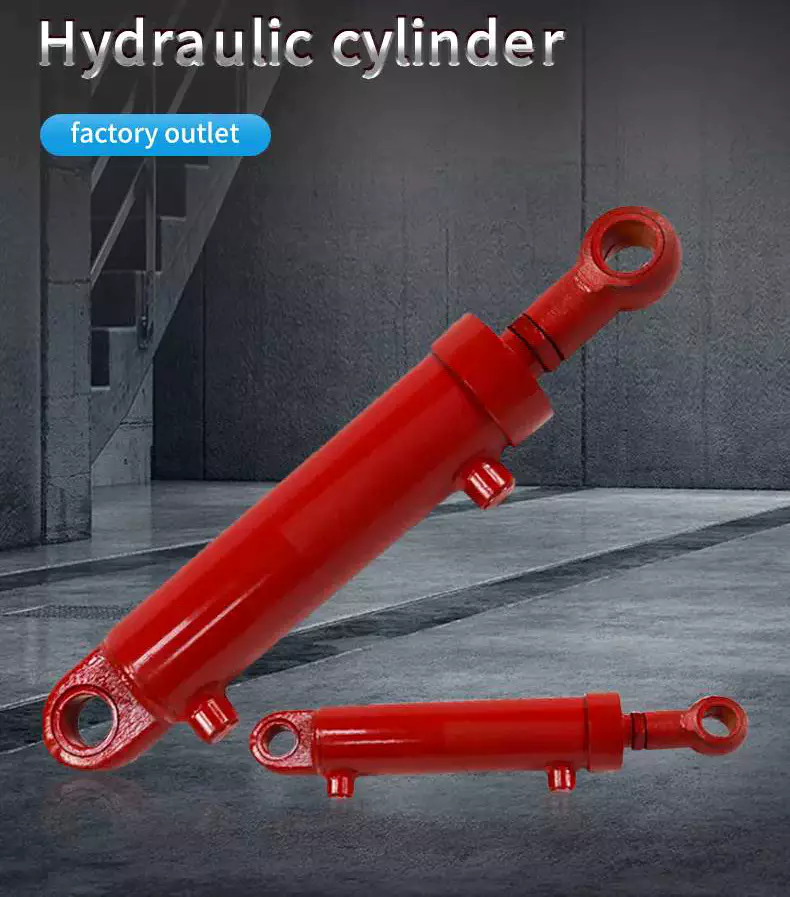
How do hydraulic cylinders ensure smooth and consistent movement in heavy machinery?
Hydraulic cylinders play a vital role in ensuring smooth and consistent movement in heavy machinery. Their design and operation allow for precise control over the motion of heavy loads, resulting in efficient and reliable performance. Here’s a detailed explanation of how hydraulic cylinders contribute to smooth and consistent movement in heavy machinery:
1. Hydraulic Fluid and Pressure:
– Hydraulic cylinders operate by utilizing hydraulic fluid, typically oil, to transmit force and motion. The fluid is pressurized by a hydraulic pump, creating a force that acts on the piston inside the cylinder. The pressure of the hydraulic fluid can be precisely controlled, allowing for smooth and gradual movement of heavy machinery. The fluid’s incompressibility ensures that the force is evenly distributed, resulting in consistent and predictable motion.
2. Piston and Cylinder Design:
– Hydraulic cylinders are designed with precision to ensure smooth movement. The piston and cylinder bore are machined to tight tolerances, reducing friction and minimizing internal leakage. This precise fit between the piston and cylinder walls helps maintain consistent motion without jerks or sudden changes in speed. Additionally, the use of high-quality seals and lubrication further enhances the smooth operation of the cylinder.
3. Control Valves and Flow Control:
– Hydraulic systems incorporate control valves that regulate the flow of hydraulic fluid into and out of the cylinder. These valves allow for precise control over the speed and direction of the cylinder’s movement. By adjusting the flow rate, operators can achieve smooth and controlled motion of heavy machinery, avoiding sudden starts or stops. Flow control valves also enable speed adjustment, ensuring consistent movement even under varying loads or operating conditions.
4. Cushioning and Damping:
– Hydraulic cylinders can be equipped with cushioning mechanisms to absorb shock and minimize impacts during the movement of heavy machinery. Cushioning is achieved by incorporating specialized valves or adjustable orifices in the cylinder, which restrict the flow of hydraulic fluid near the end of the stroke. This gradual deceleration helps prevent sudden jolts or vibrations, maintaining smooth and consistent movement while reducing stress on the machinery and its components.
5. Load Balancing:
– Hydraulic cylinders can be designed and arranged in a system to balance the load and distribute forces evenly. By utilizing multiple cylinders in parallel or series configurations, heavy machinery can achieve balanced movement, preventing uneven stress and ensuring smooth operation. Load balancing also helps minimize the risk of component failure and enhances the overall stability and longevity of the machinery.
6. Feedback and Control Systems:
– Advanced hydraulic systems incorporate feedback sensors and control systems to monitor and adjust the movement of heavy machinery. These sensors provide real-time information about the position, speed, and force exerted by the hydraulic cylinders. The control system processes this data and adjusts the flow of hydraulic fluid accordingly to maintain smooth and consistent movement. By continuously monitoring and regulating the cylinder’s operation, feedback and control systems contribute to precise and reliable motion control.
7. Maintenance and Servicing:
– Regular maintenance and servicing of hydraulic cylinders are essential to ensure their smooth and consistent movement in heavy machinery. Proper lubrication, inspection of seals, and replacement of worn-out components help maintain optimal performance. Preventive maintenance practices, such as filter replacements and fluid analysis, also contribute to the longevity and reliability of hydraulic systems, ensuring consistent movement over time.
In summary, hydraulic cylinders ensure smooth and consistent movement in heavy machinery through the use of hydraulic fluid and pressure, precise piston and cylinder design, control valves and flow control, cushioning and damping mechanisms, load balancing, feedback and control systems, and regular maintenance and servicing. By leveraging these features, hydraulic cylinders provide the necessary force and control to handle heavy loads while maintaining precise and reliable motion, enhancing the overall performance and productivity of heavy machinery in various industrial applications.
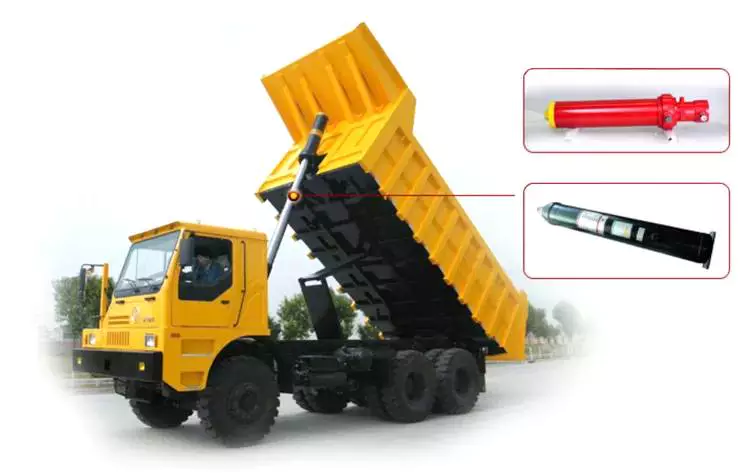
Advancements in Hydraulic Cylinder Technology Improving Corrosion Resistance
Advancements in hydraulic cylinder technology have led to significant improvements in corrosion resistance. Corrosion is a major concern in hydraulic systems, especially in environments where cylinders are exposed to moisture, chemicals, or corrosive agents. These advancements aim to enhance the durability and longevity of hydraulic cylinders. Let’s explore some of the key advancements in hydraulic cylinder technology that have improved corrosion resistance:
- Corrosion-Resistant Materials: The use of corrosion-resistant materials is a fundamental advancement in hydraulic cylinder technology. Stainless steel, for example, offers excellent resistance to corrosion, making it a popular choice in marine, offshore, and other corrosive environments. Additionally, advancements in metallurgy have led to the development of specialized alloys and coatings that provide enhanced corrosion resistance, extending the lifespan of hydraulic cylinders.
- Surface Treatments and Coatings: Various surface treatments and coatings have been developed to protect hydraulic cylinders from corrosion. These treatments can include electroplating, galvanizing, powder coating, and specialized corrosion-resistant coatings. These coatings create a barrier between the cylinder surface and corrosive elements, preventing direct contact and inhibiting the onset of corrosion. The selection of appropriate coatings depends on the specific application and environmental conditions.
- Sealing Technology: Effective sealing systems are crucial in preventing water, moisture, and contaminants from entering the cylinder and causing corrosion. Advancements in sealing technology have led to the development of high-quality seals and advanced sealing designs that offer superior resistance to corrosion. These seals are typically made from materials specifically engineered to withstand corrosive environments, ensuring long-term sealing performance and minimizing the risk of corrosion-related issues.
- Improved Surface Finishes: The surface finish of hydraulic cylinders plays a role in their resistance to corrosion. Advancements in machining and polishing techniques have allowed for smoother and more uniform surface finishes. Smoother surfaces reduce the likelihood of corrosion initiation and make it easier to clean and maintain hydraulic cylinders. Additionally, specialized finishes, such as passivation or chemical treatments, can be applied to further enhance corrosion resistance.
- Environmental Protection Features: Hydraulic cylinders can be equipped with additional features to protect against corrosion. These features may include protective boots, bellows, or shields that guard vulnerable areas from exposure to corrosive agents. By incorporating these protective elements into the design, hydraulic cylinders can withstand harsh environments and minimize the risk of corrosion-related damage.
In summary, advancements in hydraulic cylinder technology have significantly improved corrosion resistance. The use of corrosion-resistant materials, advanced surface treatments and coatings, innovative sealing technology, improved surface finishes, and the incorporation of environmental protection features have all contributed to enhanced durability and longevity of hydraulic cylinders in corrosive environments. These advancements ensure reliable performance and reduce the maintenance and replacement costs associated with corrosion-related issues.
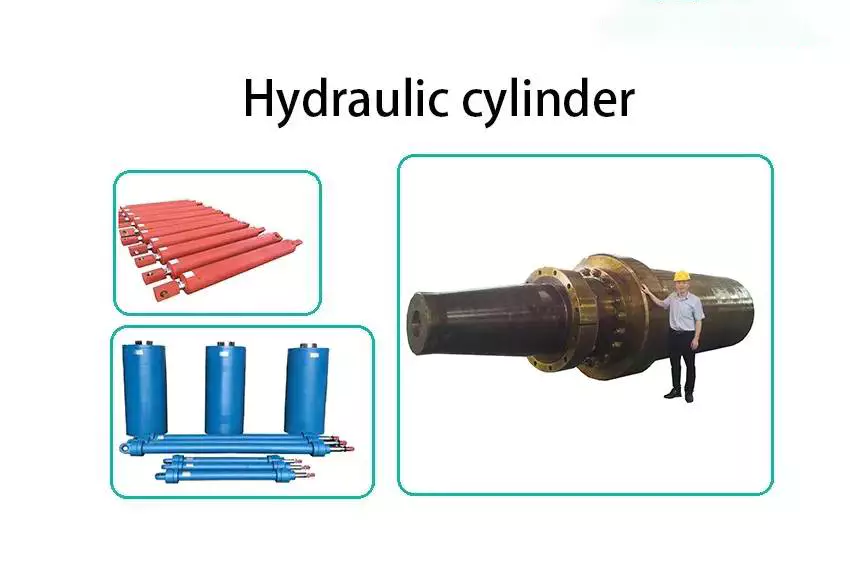
Як гідроциліндри справляються зі змінами навантаження та тиску під час роботи?
Гідравлічні циліндри розроблені для роботи зі змінами навантаження та тиску, що робить їх універсальними та ефективними в різних застосуваннях. Гідравлічні системи використовують принцип передачі зусилля через нестисливу рідину для створення лінійного руху. Ось детальне пояснення того, як гідравлічні циліндри справляються зі змінами навантаження та тиску:
1. Вантажопідйомність:
– Гідравлічні циліндри здатні витримувати різні навантаження, використовуючи принцип закону Паскаля. Згідно із законом Паскаля, коли тиск прикладається до рідини в замкнутому просторі, тиск передається однаково в усіх напрямках. У гідравлічному циліндрі сила, що прикладається до поршня, призводить до однакової вихідної сили на штоковому кінці циліндра. Розмір поршня та тиск, що прикладається, визначають силу, що створюється циліндром. Таким чином, гідравлічні циліндри можуть витримувати широкий діапазон навантажень, регулюючи тиск, що прикладається до рідини.
2. Компенсація тиску:
– Гідравлічні системи містять механізми компенсації тиску для обробки коливань тиску під час роботи. Клапани або регулятори компенсації тиску часто використовуються для підтримки постійного тиску в гідравлічній системі, незалежно від змін навантаження. Ці клапани автоматично регулюють швидкість потоку або тиск, щоб забезпечити стабільну та контрольовану роботу гідравлічного циліндра. Компенсуючи коливання тиску, гідравлічні циліндри можуть підтримувати постійну вихідну силу та запобігати пошкодженням або нестабільності через надмірний тиск.
3. Регулювальні клапани:
– Регулювальні клапани відіграють вирішальну роль в управлінні коливаннями тиску та навантаження під час роботи гідравлічного циліндра. Розподільні регулювальні клапани, такі як золотникові або тарілчасті клапани, керують потоком гідравлічної рідини в циліндр і з нього, що дозволяє точно контролювати висування та втягування циліндра. Регулюючи положення регулювального клапана, можна регулювати швидкість і зусилля, що діють на гідравлічний циліндр, відповідно до вимог навантаження та тиску в даному застосуванні. Регулювальні клапани дозволяють ефективно обробляти коливання навантаження та тиску, забезпечуючи точне керування гідравлічною системою.
4. Акумулятори:
– Гідроакумулятори часто використовуються для обробки коливань тиску та навантаження. Акумулятори зберігають гідравлічну рідину під тиском, яка може бути вивільнена або поглинена за потреби для компенсації раптових змін навантаження або тиску. Коли навантаження на гідравлічний циліндр зменшується, акумулятор вивільняє накопичену рідину для підтримки тиску та запобігання стрибкам тиску. І навпаки, коли навантаження на циліндр збільшується, акумулятор поглинає надлишок рідини для підтримки стабільності системи. Використовуючи акумулятори, гідравлічні циліндри можуть ефективно обробляти коливання навантаження та тиску, забезпечуючи плавну та контрольовану роботу.
5. Системи зворотного зв'язку та керування:
– Удосконалені гідравлічні системи можуть включати системи зворотного зв’язку та керування для моніторингу та регулювання роботи гідравлічних циліндрів у режимі реального часу. Датчики положення або датчики тиску забезпечують зворотний зв’язок щодо положення циліндра, сили та тиску, що дозволяє системі керування постійно коригувати роботу для оптимізації продуктивності. Ці системи можуть автоматично адаптуватися до змін навантаження та тиску, забезпечуючи точне керування та ефективну роботу гідравлічного циліндра.
6. Міркування щодо проектування:
– Правильні конструктивні міркування, такі як вибір відповідного розміру циліндра, діаметра поршня та діаметра штока, є важливими для обробки коливань навантаження та тиску. Конструкція повинна враховувати максимальні очікувані умови навантаження та тиску, щоб забезпечити роботу гідравлічного циліндра в заданому діапазоні. Крім того, вибір відповідних ущільнень, матеріалів та компонентів, які можуть витримувати очікувані коливання навантаження та тиску, має вирішальне значення для підтримки надійності та довговічності гідравлічного циліндра.
Використовуючи принципи гідравлічних систем, включаючи механізми компенсації тиску, застосовуючи регулювальні клапани та акумулятори, а також впроваджуючи системи зворотного зв'язку та керування, гідравлічні циліндри можуть ефективно справлятися з коливаннями навантаження та тиску під час роботи. Ці особливості та конструктивні особливості дозволяють гідравлічним циліндрам адаптуватися та оптимально працювати в широкому діапазоні застосувань та умов експлуатації.


editor by CX 2023-10-30
 Ukrainian
  English
  Italian
  Portuguese
  Dutch
Dutch  Swedish
  Danish
  Finnish
  Polish
  Hindi
Hindi  Kazakh
  Turkish
  Romanian
  Spanish
  German
  Russian
  Korean
  Japanese
  Vietnamese
  Thai
Thai  Indonesian
  Malay
Malay  French
  Greek
Greek