
Какое номинальное давление требуется цилиндрам стрелы экскаватора? Понимание систем с давлением 250–350 бар.
A technical deep-dive into operating pressures, material science, and performance engineering for heavy-duty excavator hydraulic cylinders — built for UK and global OEM procurement teams.
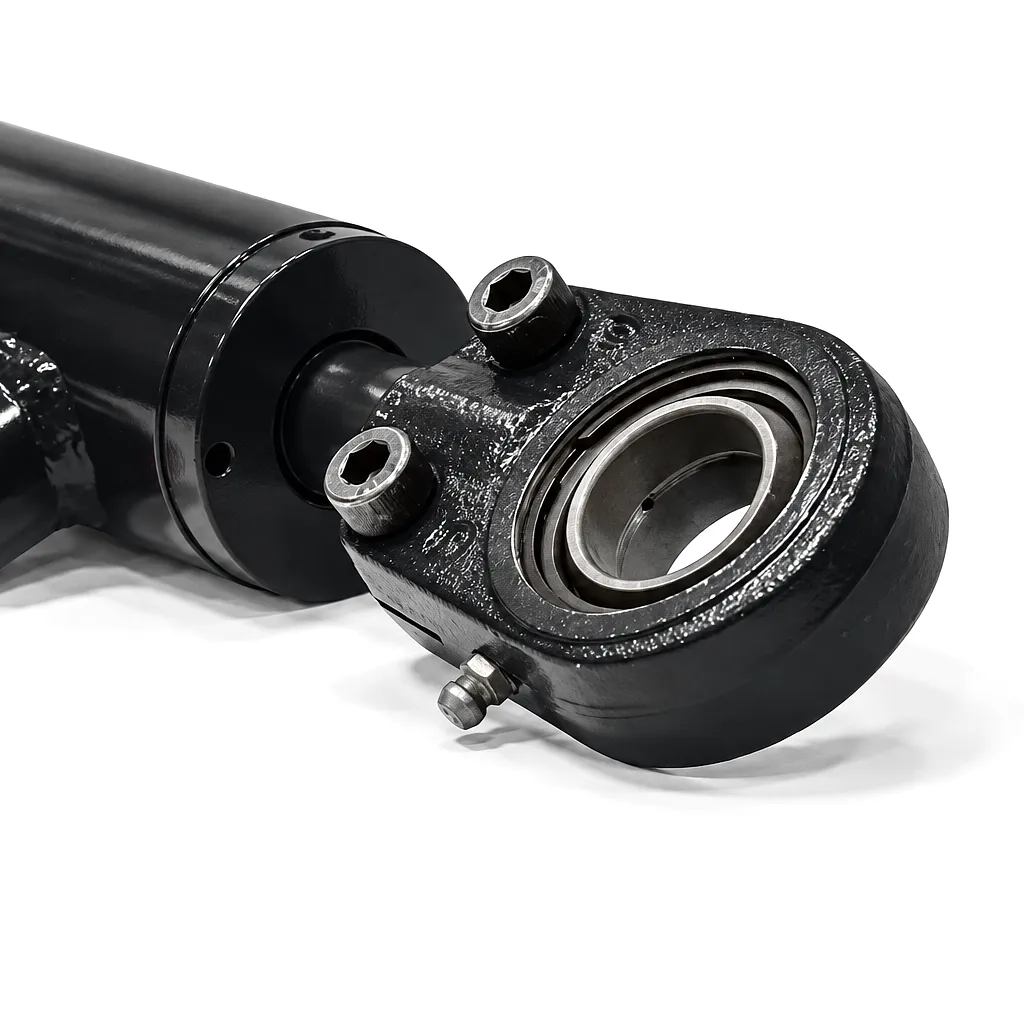 Across construction sites from the Midlands to the North Sea, excavator boom cylinders operate under conditions that would destroy a less engineered component within days. The pressure rating of a boom cylinder is not merely a specification on a datasheet — it is the central engineering decision that determines cycle life, seal integrity, tube wall thickness, rod diameter, and ultimately the safety of every operator controlling that machine. When procurement engineers in Sheffield or Birmingham specify hydraulic cylinders for 20-tonne to 80-tonne excavators, the question they must answer before any other is: what peak operating pressure will this cylinder actually encounter across its full duty cycle?
How Excavator Boom Cylinders Generate and Manage Pressure
Pascal’s Law in Practice
A boom cylinder converts hydraulic pressure into linear force using Pascal’s principle: Force = Pressure × Effective Area. At 300 bar acting on a 100 mm bore piston, the resulting push force approaches 235 kN. This relationship means every bar of operating pressure directly multiplies the structural demand on the cylinder barrel, welds, end caps, and port fittings — which is why the difference between a 280-bar and a 350-bar rating is not cosmetic. It demands a complete re-engineering of wall thickness, seal stack geometry, and surface hardness across every wetted component.
Pressure Spikes and Dynamic Loading
Continuous rated pressure is only part of the story. During sudden load reversals — when a boom arm catches a submerged boulder on a drainage project outside Leeds, or when an operator triggers rapid cylinder retraction on a demolition site in Manchester — instantaneous pressure spikes can reach 1.3× to 1.5× the nominal working pressure for durations measured in milliseconds. A cylinder rated at 300 bar continuous must withstand these spikes without internal leakage, seal extrusion, or fatigue crack initiation at stress concentration points. This is why reputable manufacturers design to a burst pressure of at least 4× the rated working pressure.
Thermal Effects on Rated Pressure
Hydraulic oil viscosity drops significantly as temperature rises. In a UK winter environment — where an excavator working on the Humber estuary may start a shift at 2°C — cold oil can temporarily elevate circuit pressure beyond normal relief valve settings until the system warms. Conversely, sustained high-intensity digging in summer elevates oil temperature past 80°C, reducing oil film thickness across bearing surfaces and accelerating seal wear. Properly rated boom cylinders account for this thermal envelope by specifying seal compounds and rod surface hardness that remain effective across a working temperature range of -20°C to +100°C.
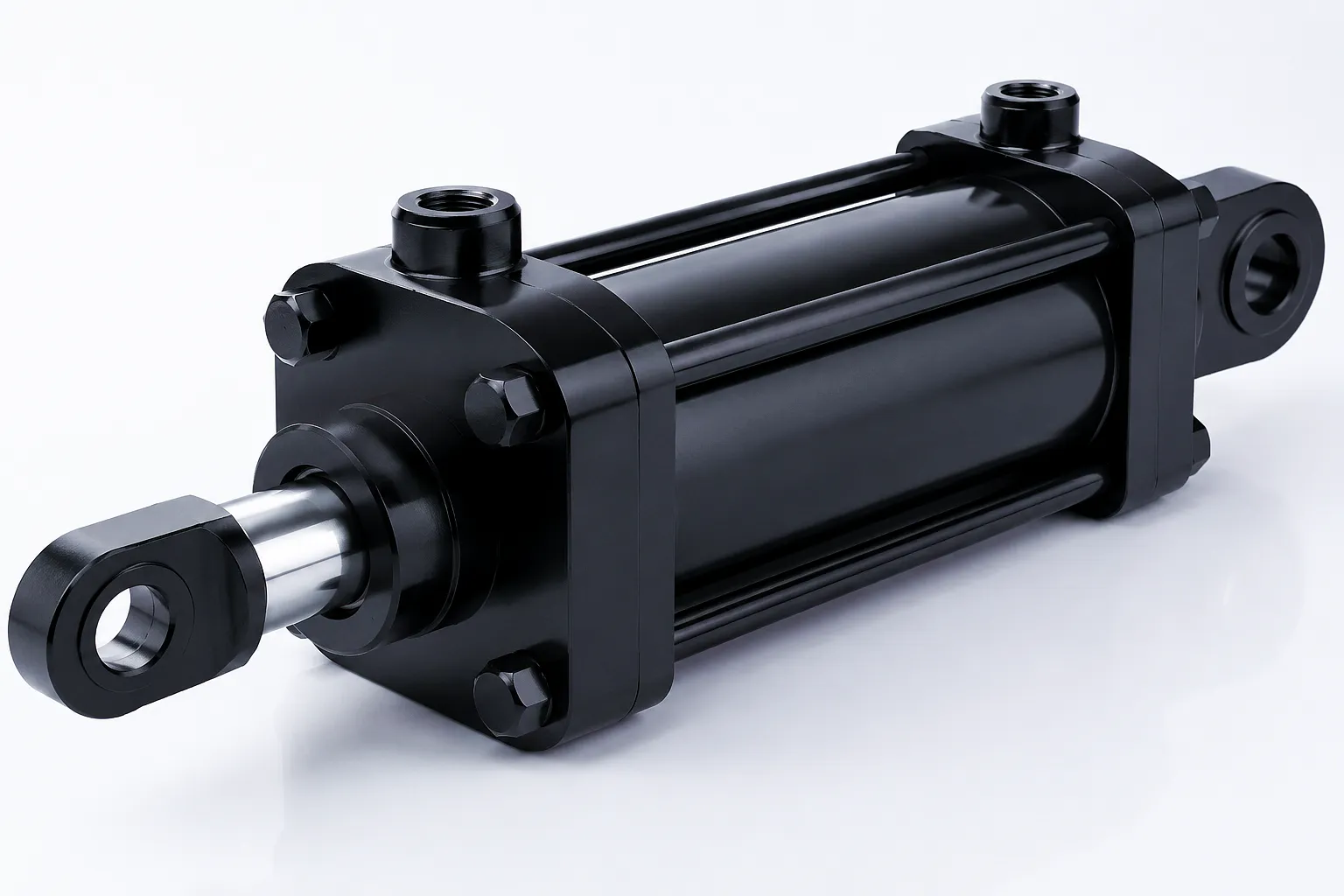
Precision-ground cylinder rods ready for 300-bar system integration — Ever Power manufacturing facility
Core Materials: What Makes a 350-Bar Cylinder Different
The material selection for a high-pressure excavator boom cylinder is not about choosing the most expensive steel — it is about matching each component’s metallurgical properties to the specific stresses it will encounter over a working life that may exceed 15,000 operating hours. This discipline distinguishes a cylinder engineered for 350-bar continuous service from one assembled to a lower cost point and later operated beyond its design envelope.
Cylinder Barrel
Cold-drawn seamless steel tube, typically ST52 / E355 grade or equivalent EN 10305-1 specification. For 350-bar applications, wall thickness is increased to maintain a safety factor of ≥4:1 against burst. Internal honing achieves Ra 0.4–0.6 µm surface finish to optimise seal contact and minimise internal leakage past the piston.
Piston Rod
High-tensile alloy steel (commonly 42CrMo4 or 45# steel) induction-hardened to 55–62 HRC surface hardness. A chrome plating thickness of 20–30 µm delivers corrosion resistance meeting ISO 4520 and provides the hard-wearing surface that wiper and rod seals depend on. For offshore or coastal UK applications — quarry sites near Aberdeen, for instance — additional zinc-nickel or ceramic coatings extend service intervals significantly.
Seal Package
For 300–350 bar service, seal kits typically combine polyurethane rod seals, PTFE-backed bronze-filled wiper rings, and NBR or FKM O-ring face seals. The seal groove geometry is machined to tolerances of ±0.02 mm to prevent extrusion under peak pressure pulses. Proper seal stack sequencing — rod seal, buffer seal, guide ring, wiper — is as important as seal material selection for achieving rated cycle life.
End Caps and Ports
Forged or precision-cast from ductile nodular iron (GJS-600) or carbon steel, end caps are fully machined after heat treatment. Port threads — BSPP or SAE O-ring face seal — are specified to DIN 3852 or ISO 11926 standards. At 350 bar, the end-cap-to-barrel joint relies on full-penetration circumferential welds verified by ultrasonic testing to AWS D1.1 or EN ISO 5817 Level B criteria.
Featured Product
Frame Support Cylinder
Engineered for high-cycle structural support applications, the Ever Power Frame Support Cylinder delivers consistent performance under continuous boom-circuit pressures up to 320 bar, with a proven track record on UK civil engineering projects requiring structural precision.
Product Technical and Performance Parameters
Standard range for excavator boom hydraulic cylinders — 250 to 350 bar class
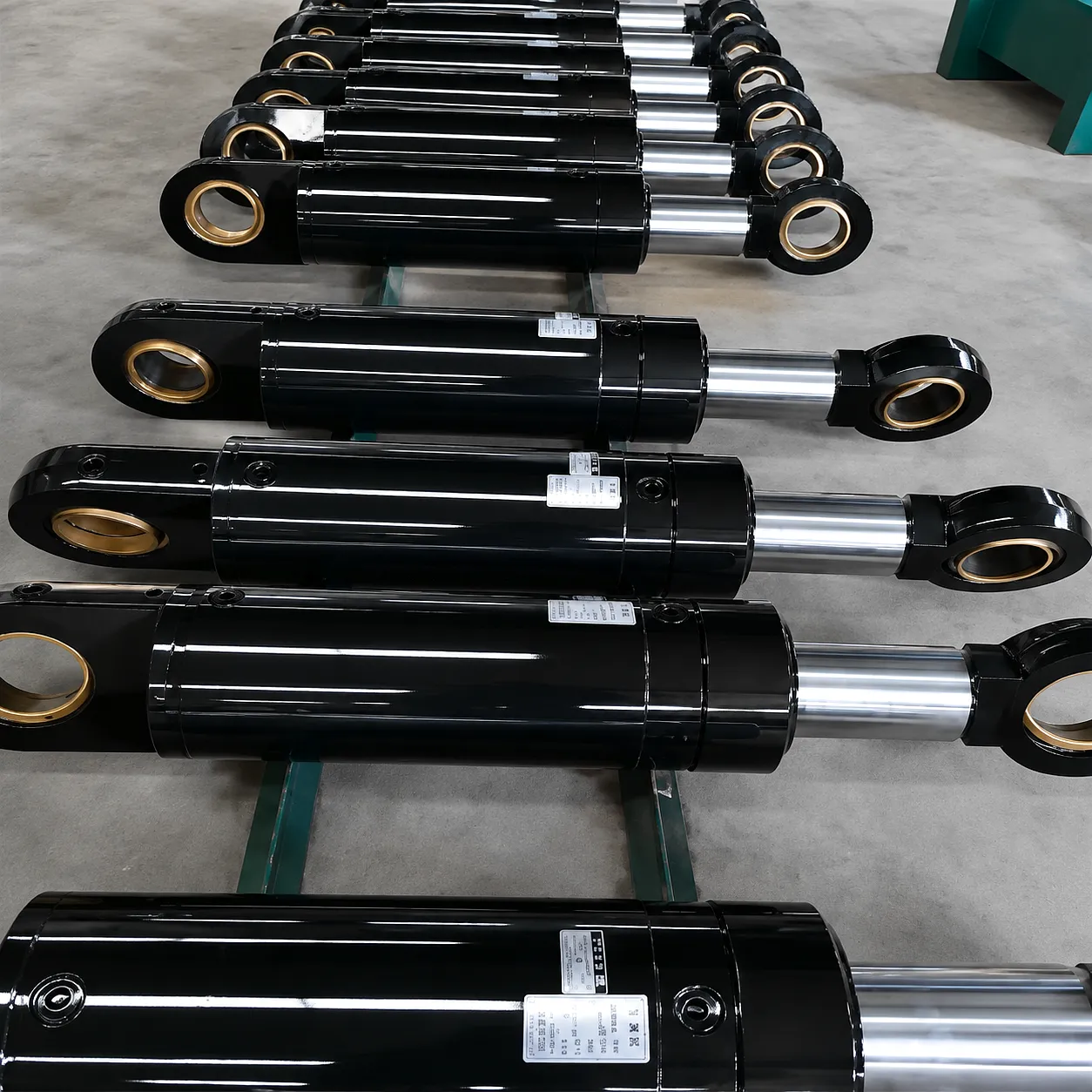
Key Technical Advantages of High-Pressure Boom Cylinder Design
Compact Force Density
Operating at 320–350 bar allows engineers to achieve the same output force from a smaller bore diameter, reducing cylinder weight and envelope size. On a 50-tonne machine, this translates directly into reduced boom arm mass — improving digging geometry and fuel efficiency. Smaller bore also means less hydraulic oil displacement per stroke, improving response speed.
Extended Seal Life Through Geometry
Precision-machined seal grooves with tolerances tighter than ±0.02 mm prevent the seal material from extruding under pressure pulses. Combined with dual-wiper rod seals that exclude contaminated return oil from re-entering the cylinder, seal life on a properly specified 350-bar unit routinely reaches 6,000–8,000 operating hours on UK demolition and civil work cycles — reducing field maintenance costs substantially.
High Cycle Fatigue Resistance
Boom cylinders experience full-stroke pressure reversals thousands of times per working shift. Heavy-wall seamless barrels and controlled-radius fillet machining at stress concentration zones — port boss intersections, end cap welds, rod guide bore transitions — are validated through finite element analysis to confirm that peak cyclic stresses remain below the material’s endurance limit even at 350-bar rated service.
Corrosion Protection for UK Conditions
The UK’s maritime climate — salt-laden air in coastal Yorkshire, freeze-thaw cycles in Scottish highlands, and persistent humidity across Welsh valleys — demands external corrosion protection beyond standard painting. Epoxy-primed steel bodies with polyurethane topcoats, zinc sacrificial coatings on mounting trunnions, and stainless-steel bleed screws are standard features on cylinders intended for continuous UK field operation across all four seasons.
Industrial Application Scenarios: Where 250–350 Bar Cylinders Work in the UK
Featured Product
Outrigger Rack Support Cylinder
Designed for stabiliser and outrigger support duties at 320-bar continuous service, this cylinder’s anti-rotation rod design prevents torque-induced seal damage during lateral load events — making it the preferred choice for UK plant hire fleets operating on sloped and uneven ground conditions.
Ever Power Manufacturing: Custom Boom Cylinders Built to Your Exact Pressure Specification
Precision Manufacturing · Custom Engineering · Global Supply Chain
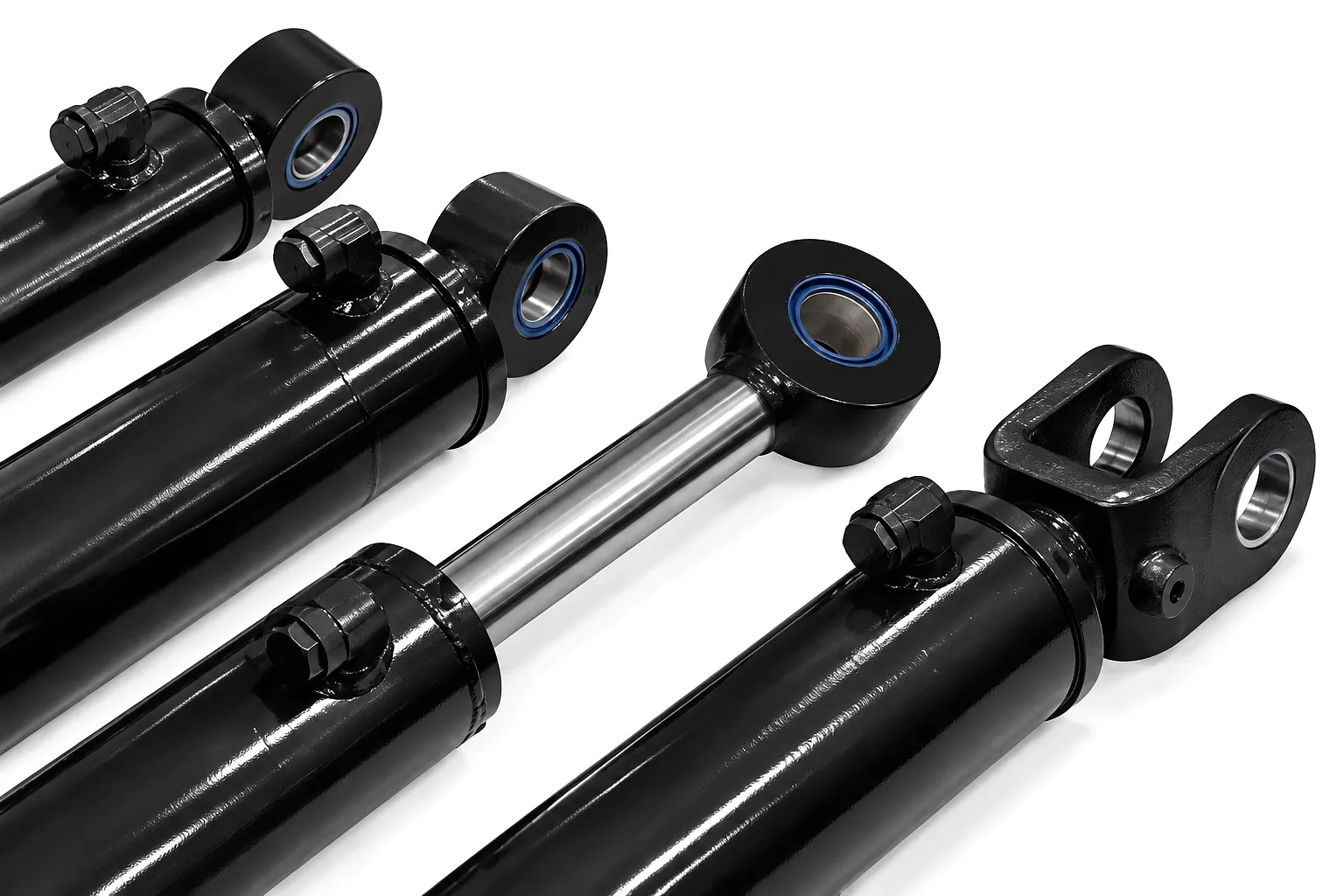
Ever Power operates a dedicated hydraulic cylinder manufacturing facility equipped with CNC deep-hole boring machines, automated honing centres, and temperature-controlled chrome plating lines — the complete vertical integration required to deliver boom cylinders across the 250 to 350 bar pressure spectrum with full material traceability. Unlike distributors who repackage off-the-shelf components, Ever Power engineers each cylinder from raw tube stock, adjusting wall thickness calculations, seal groove geometry, and port boss reinforcement to match the specific pressure class and machine tonnage of your application.
500+
Custom cylinder variants engineered to date
350 bar
Maximum rated continuous working pressure
15 days
Standard lead time for custom orders (DDP UK)
100%
Pressure-tested before despatch — all cylinders
Every Ever Power boom cylinder destined for 300-bar-plus service passes through a full hydrostatic pressure test at 1.5× rated working pressure before despatch. Material mill certificates accompany each delivery, and weld inspection reports are available upon request. For UK customers requiring CE-marked cylinder assemblies or compliance with the UKCA marking framework, Ever Power’s engineering team can provide the supporting documentation package. Shipping from the Ever Power facility to UK distribution points in Coventry, Glasgow, and Bristol typically takes 12–18 days via air freight, with container shipments completing in 28–35 days through Felixstowe port — a route our logistics team has optimised across several years of UK partner deliveries.
📧 Request Custom Cylinder Quote
[email protected] · Response within 4 business hours
Customer Success: Sheffield Heavy Demolition, South Yorkshire
Industry
Urban Demolition & Site Clearance
Location
Sheffield, South Yorkshire, UK
Machine Class
45-tonne excavator fleet (×4 machines)
Cylinder Rating
320-bar continuous / 400-bar spike tolerance
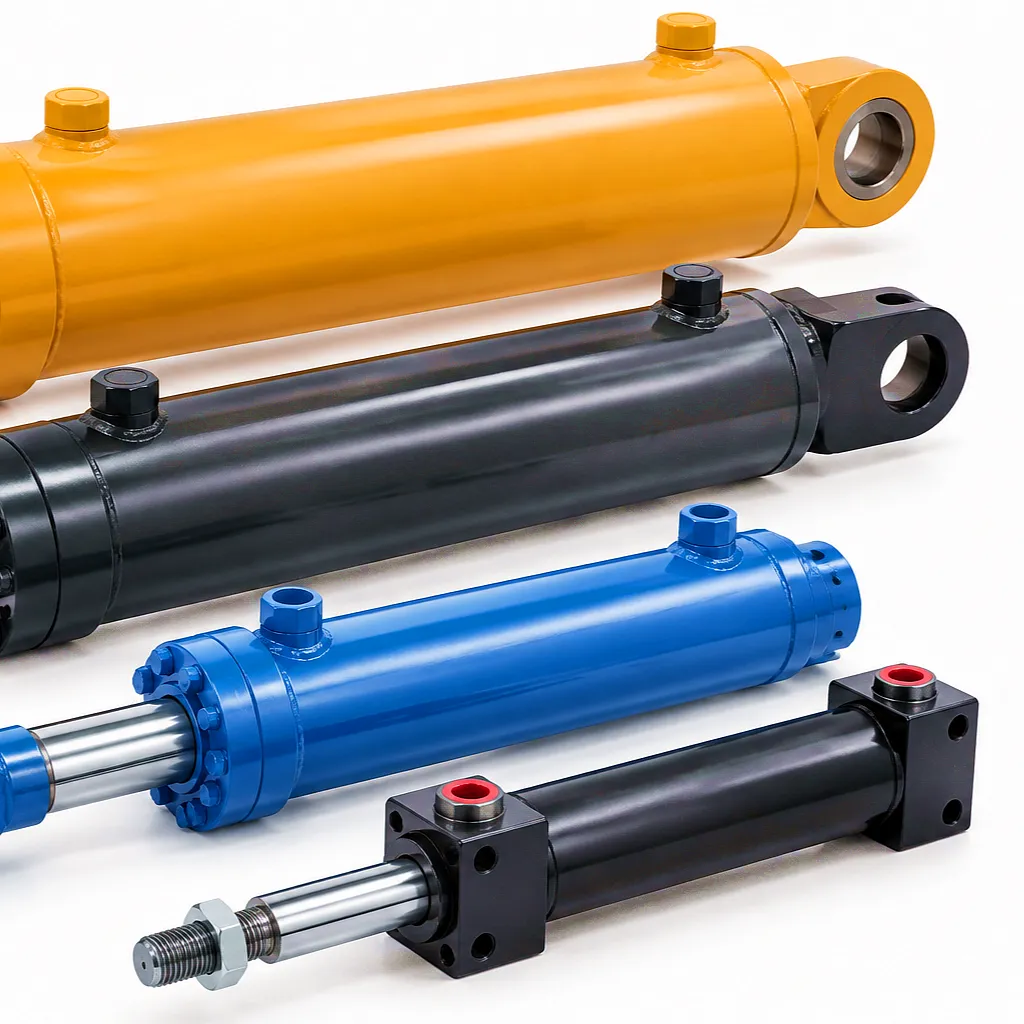 Thornfield Plant Services Ltd, based in Sheffield’s Lower Don Valley, operates a fleet of four 45-tonne excavators engaged in the demolition of former industrial buildings across South Yorkshire’s post-steel regeneration corridor. Their machines run hydraulic breakers, pulverising attachments, and sorting grapples — attachments that drive pressure spikes to over 380 bar on every working stroke of the attachment circuit, with the boom circuit absorbing the dynamic back-pressure from each impact event.
Thornfield’s maintenance supervisor identified that their previous OEM-sourced boom cylinder replacements were failing at the rod seal location within 1,100 to 1,400 operating hours — a figure far below the 4,000-hour interval promised by the original equipment warranty documentation. After conducting a detailed pressure logging exercise across two machines, the team confirmed that real-world peak pressures regularly exceeded 360 bar, well beyond the 300-bar rating of the cylinders originally fitted.
Working with the Ever Power technical team, Thornfield specified a replacement boom cylinder with a 320-bar continuous rating and a documented spike tolerance of 420 bar. The Ever Power engineering team redesigned the seal groove geometry for FKM wiper and buffer seal compatibility, increased rod diameter from 100 mm to 110 mm to reduce column load stresses, and added a dual rod-wiper arrangement to prevent demolition dust contamination from entering the seal stack. The first four units were delivered DDP Sheffield within 18 days of order placement. Across the subsequent 3,200 operating hours spread over 14 months, none of the four cylinders required unscheduled seal replacement — representing a maintenance cost saving of over £22,000 across the fleet compared with the previous 12-month period.
What Our UK Customers Say
★★★★★
“We’d been changing boom cylinder seals every 1,200 hours on our demolition machines and just accepted it as normal wear. Ever Power redesigned the seal stack for our actual operating pressure — 18 months later, the same cylinders are still performing without a single unscheduled strip-down. The payback on the price difference was less than four months.”
— Plant Maintenance Manager, Sheffield
Urban demolition contractor, South Yorkshire
★★★★★
“Our quarry runs 24/7 across a hard dolerite face — the pressure spikes through our boom circuits are brutal. Ever Power provided full material certificates, UT weld reports, and a pressure test record for each cylinder. Twelve months in, we have zero hydraulic cylinder failures across five machines. That level of documentation is what we need for our ISO 45001 compliance audits.”
— Equipment Director, Peak District Quarrying Co.
Hard rock quarry, Derbyshire
★★★★★
“We specified custom-length boom cylinders with non-standard port positions for a marine dredging attachment — something most suppliers told us would require a 12-week pattern lead time. Ever Power’s engineering team turned around a detailed drawing for approval within 48 hours and delivered the production units in 16 days to our yard at Southampton docks. The FKM seal spec they recommended has held up perfectly against the salt-water spray environment.”
— Technical Procurement Manager, Marine Plant Services
Marine excavation contractor, Southampton
Часто задаваемые вопросы
Common questions from UK plant engineers and procurement teams about excavator boom cylinder pressure ratings
Ever Power · Hydraulic Cylinder Manufacturing
Ready to Specify Your 250–350 Bar Boom Cylinder?
Talk to Ever Power’s engineering team. Custom bore, stroke, seal, and pressure specifications — with full material traceability and DDP UK delivery.
отредактировано gzl
 Russian
  English
  Italian
  Portuguese
  Dutch
Dutch  Swedish
  Danish
  Finnish
  Polish
  Hindi
Hindi  Kazakh
  Turkish
  Ukrainian
  Romanian
  Spanish
  German
  Korean
  Japanese
  Vietnamese
  Thai
Thai  Indonesian
  Malay
Malay  French
  Greek
Greek