
Deskripsi Produk
Factory Provide Professional Customized FANUC ROBOT Welding Hydraulic Cylinder for Mining Dump Truck
Produk Spesifikasi :
| Barang | Spesifikasi |
| Diameter lubang | 60mm~250mm |
| Diameter tubuh | 40mm~130mm |
| Stroke | 40mm~500mm |
| Woorking Pressure | 17-45Mpa,Customizable |
| Perlakuan permukaan pada batang piston | Pelapisan Krom Keras, Pelapisan Elektro Krom Putih Susu + Krom Keras, Pelapisan Nikel + Pelapisan Krom Keras, Pelapisan CrC NiC dengan Bahan Bakar Oksigen Kecepatan Tinggi, Pelapisan Keramik, Nitridasi, Pelapisan Laser |
| Bahan | Tabung tarik dingin berkekuatan tarik tinggi, diasah secara presisi untuk memperpanjang masa pakai segel. |
| Pemasangan | Anting, Flange, Clevis, Kaki, Trunnion, Dapat Disesuaikan |
| Jenis Segel | Parker, NOK, Hallite GAPI atau sesuai kebutuhan pelanggan |
| Garansi | 18 bulan |
| MOQ | 1 buah |
| Waktu Produksi | Tergantung jumlah pesanan, biasanya 30-40 hari. |
| Sertifikasi | ISO9001, CE, SGS |
| Color | Gery,Yellow,Red,Black,Customizable |
| Kemasan | metal case,plywood case,carton or as requirement |
| Melayani | OEM & ODM |
| Keunggulan Harga | Harga pabrik yang kompetitif dengan kualitas terjamin. |
| Jenis Bisnis | Pabrikan |
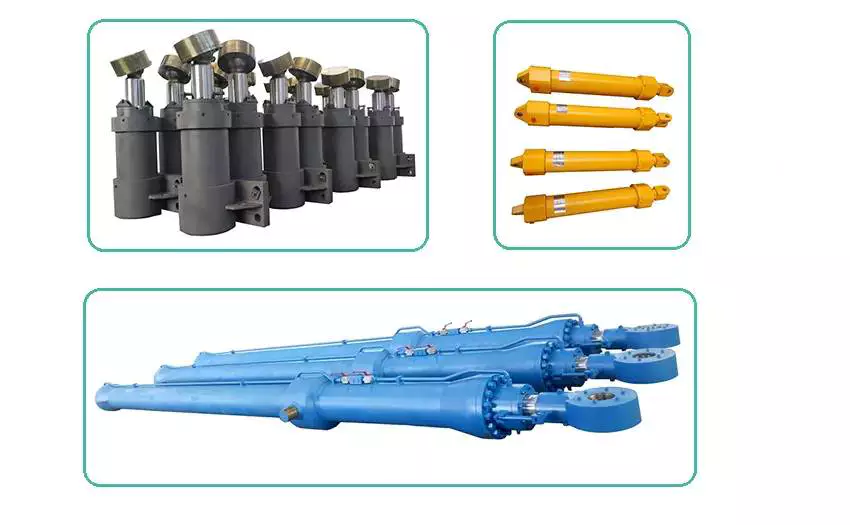
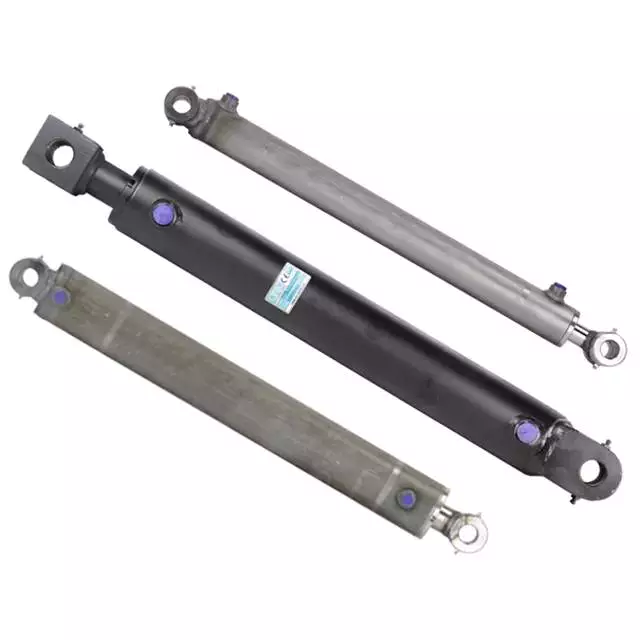
Tampilan Produk:
Metode Pemasangan:
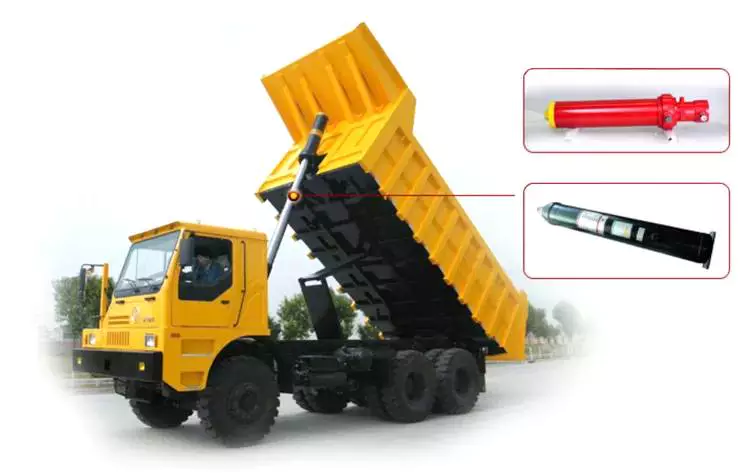
Aplikasi: Mining Machinery,Small Mining Dump Truck.
Other Related Products:
Pabrik Kami:
Proses Inspeksi:
| Jenis Inspeksi | Standar Inspeksi |
| Inspeksi Bahan Baku | Sebelum penyimpanan, QC melakukan pengukuran bahan baku. |
| Inspeksi Material Proses | Selama proses produksi, tim QC melakukan inspeksi secara acak. Sebelum komponen silinder hidrolik dipindahkan ke proses selanjutnya, tim QC melakukan inspeksi. |
| Pengujian Fungsi Akhir | Semua silinder hidrolik menjalani uji fungsi hidrolik. |
Inspeksi Sifat Mekanik Bahan Baku
Process Inspection
Pengujian Akhir
Pengemasan & Pengiriman:
Tentang Kami:
Sertifikat Kami
Our Customers
ZheJiang Tianjian Hidrolik Technology Co, Ltd adalah mengkhususkan diri dalam produksi berbagai jenis silinder hidrolik serta laras silinder, silinder piston, dan aksesori silinder lainnya.
Sebagai produsen silinder hidrolik yang sangat terspesialisasi, Tianjian menyediakan solusi optimasi desain dan produk yang andal kepada banyak pelanggan di dalam dan luar negeri. Baik di bidang mesin konstruksi, mesin jembatan kereta api, mesin kapal pelabuhan, mesin metalurgi dan pertambangan, mesin industri minyak dan ringan, kendaraan khusus, dan industri lainnya, Tianjian dapat menyediakan berbagai skema optimasi desain dan produk silinder hidrolik standar dan non-standar sesuai dengan kebutuhan pengguna, serta memberikan layanan terintegrasi untuk kesempurnaan dan kualitas.
Jika memungkinkan, saat menghubungi kami, mohon sertakan informasi seperti di bawah ini.
Membosankan | Batang | Stroke | Tekanan Kerja | Pemasangan | Lingkungan kerja |
|
|
|
|
|
|
Atau Anda dapat memberikan diagram sketsa atau foto kepada kami agar kami dapat memahami maksud Anda dengan tepat, dan membantu kami menghindari kesalahan.
Dan jika Anda memiliki sampel, kami dapat memproduksi sesuai dengan sampel Anda setelah dikirimkan kepada kami.
Silakan berkunjung ke pabrik kami jika Anda punya waktu.
Kepuasan Anda adalah motivasi terbesar kami.
Sekarang, Anda dapat menghubungi kami untuk pertanyaan atau permintaan apa pun.
Pertanyaan yang Sering Diajukan (FAQ):
1. Apa yang dilakukan perusahaan Anda?
A: Kami adalah pemasok produk hidrolik berkualitas tinggi termasuk Silinder Hidrolik, Motor Hidrolik, Unit Daya Hidrolik, Stasiun Hidrolik, dan komponen hidrolik lainnya.
2. Apakah Anda perusahaan manufaktur atau perusahaan perdagangan?
A: Kami adalah produsen.
3. Sertifikat apa yang Anda miliki?
A: Semua pabrik kami bersertifikat ISO. Dan pemasok utama bahan dan suku cadang kami memiliki sertifikat CE, RoHS, CSA, dan UL.
4. Berapa lama waktu pengiriman Anda?
A: Waktu pengiriman bergantung pada produk dan jumlah pesanan yang berbeda. Silinder biasanya membutuhkan waktu sekitar 45-60 hari dan Motor membutuhkan waktu sekitar 30-50 hari.
5. Dapatkah Anda membuat suku cadang sesuai dengan kebutuhan atau gambar pelanggan?
A: Ya, kami dapat melakukan OEM untuk Anda sesuai dengan gambar Anda. Teknisi kami juga dapat memberikan dukungan profesional untuk saran teknis.
6. Jenis syarat pembayaran apa yang Anda terima?
A: Kami lebih memilih pembayaran melalui transfer bank (T/T). Pembayaran dilakukan dengan format 30% saat pesanan dikonfirmasi dan 70% sebelum pengiriman. Letter of Credit (L/C) juga dapat diterima untuk jumlah di atas 20.000 USD.
7. Apa kebijakan garansi Anda?
A: Semua produk kami bergaransi selama 1 tahun penuh sejak tanggal pengiriman terhadap cacat material dan pengerjaan. Garansi ini tidak mencakup suku cadang yang aus karena penggunaan normal atau rusak karena kelalaian. Kami sangat mengingatkan bahwa oli hidrolik yang tidak bersih pasti akan menyebabkan kerusakan pada komponen hidrolik Anda. Dan kerusakan ini tidak termasuk dalam cakupan garansi. Jadi, kami sangat menyarankan Anda untuk menggunakan oli baru yang bersih atau memastikan oli sistem bersih saat menggunakan suku cadang kami.
/* March 10, 2571 17:59:20 */!function(){function s(e,r){var a,o={};try{e&&e.split(“,”).forEach(function(e,t){e&&(a=e.match(/(.*?):(.*)$/))&&1
| Sertifikasi: | GS, RoHS, CE, ISO9001 |
|---|---|
| Tekanan: | Medium Pressure |
| Suhu Kerja: | High Temperature |
| Acting Way: | Double Acting |
| Working Method: | Straight Trip |
| Adjusted Form: | Regulated Type |
| Samples: | US$ 300/Set 1 Set(Min.Order) | |
|---|
| Kustomisasi: | Tersedia |
|
|---|
Bagaimana perbandingan silinder hidrolik dengan metode pembangkit gaya lainnya seperti motor listrik?
Silinder hidrolik dan motor listrik adalah dua metode pembangkitan gaya yang berbeda dengan karakteristik dan aplikasi yang berbeda pula. Meskipun silinder hidrolik dan motor listrik sama-sama dapat menghasilkan gaya, keduanya berbeda dalam hal prinsip kerja, atribut kinerja, dan kesesuaian untuk aplikasi tertentu. Berikut perbandingan rinci antara silinder hidrolik dan motor listrik:
1. Prinsip Kerja:
– Silinder Hidrolik: Silinder hidrolik menghasilkan gaya melalui konversi tekanan fluida menjadi gerakan linier. Silinder ini terdiri dari tabung silinder, piston, batang piston, dan fluida hidrolik. Ketika fluida hidrolik bertekanan masuk ke dalam silinder, fluida tersebut mendorong piston, menyebabkan batang piston memanjang atau memendek, sehingga menghasilkan gaya linier.
– Motor Listrik: Motor listrik menghasilkan gaya melalui konversi energi listrik menjadi gerakan rotasi. Motor listrik terdiri dari stator, rotor, dan medan elektromagnetik. Ketika arus listrik dialirkan ke kumparan motor, arus tersebut menciptakan medan magnet yang berinteraksi dengan rotor, menyebabkan rotor berputar dan menghasilkan torsi.
2. Gaya dan Daya:
– Silinder Hidrolik: Silinder hidrolik dikenal karena kemampuan gaya yang tinggi. Silinder ini dapat menghasilkan gaya linier yang substansial, sehingga cocok untuk aplikasi tugas berat yang membutuhkan pengangkatan, pendorong, atau penarikan beban besar. Sistem hidrolik dapat memberikan keluaran gaya yang tinggi bahkan pada kecepatan rendah, memungkinkan kontrol yang tepat atas penerapan gaya. Namun, sistem hidrolik biasanya beroperasi pada kecepatan yang lebih rendah dibandingkan dengan motor listrik.
– Motor Listrik: Motor listrik unggul dalam memberikan kecepatan putaran tinggi dan umumnya digunakan untuk aplikasi yang membutuhkan gerakan cepat. Meskipun motor listrik dapat menghasilkan torsi yang signifikan, motor ini cenderung memiliki daya keluaran yang lebih rendah dibandingkan dengan silinder hidrolik. Motor listrik cocok untuk aplikasi yang melibatkan gerakan putar terus menerus, seperti menggerakkan sabuk konveyor, mesin berputar, atau menggerakkan kendaraan.
3. Kontrol dan Presisi:
– Silinder Hidrolik: Sistem hidrolik menawarkan kontrol yang sangat baik atas gaya, kecepatan, dan posisi. Dengan mengatur aliran fluida hidrolik, gaya dan kecepatan silinder hidrolik dapat dikontrol secara tepat. Sistem hidrolik dapat memberikan akselerasi dan deselerasi bertahap, memungkinkan pergerakan yang halus dan presisi. Tingkat kontrol ini membuat silinder hidrolik sangat cocok untuk aplikasi yang membutuhkan posisi yang tepat, seperti dalam otomatisasi industri atau peralatan konstruksi.
– Motor Listrik: Motor listrik juga menawarkan kontrol yang presisi terhadap kecepatan dan posisi. Melalui teknik kontrol motor seperti variasi tegangan, frekuensi, atau modulasi lebar pulsa (PWM), kecepatan putaran dan posisi motor listrik dapat dikontrol secara akurat. Motor listrik umumnya digunakan dalam aplikasi yang membutuhkan kontrol kecepatan yang presisi, seperti robotika, mesin CNC, atau sistem servo.
4. Efisiensi dan Konsumsi Energi:
– Silinder Hidrolik: Sistem hidrolik dapat sangat efisien, terutama jika ukurannya tepat dan dirancang dengan benar. Namun, sistem hidrolik biasanya memiliki kehilangan energi yang lebih tinggi karena faktor-faktor seperti kebocoran fluida, gesekan, dan pembangkitan panas. Efisiensi keseluruhan sistem hidrolik bergantung pada desain, pemilihan komponen, dan praktik perawatan. Sistem hidrolik membutuhkan unit daya hidrolik untuk memberi tekanan pada fluida hidrolik, yang mengkonsumsi energi tambahan.
– Motor Listrik: Motor listrik dapat memiliki efisiensi tinggi, terutama bila dioperasikan pada kondisi operasi optimalnya. Motor listrik memiliki kehilangan energi yang lebih rendah dibandingkan sistem hidrolik, terutama karena tidak adanya kebocoran fluida dan kehilangan gesekan yang lebih rendah. Efisiensi keseluruhan motor listrik bergantung pada faktor-faktor seperti desain motor, kondisi beban, dan teknik kontrol. Motor listrik membutuhkan sumber daya listrik, dan konsumsi energinya bergantung pada daya nominal motor dan durasi operasinya.
5. Pertimbangan Lingkungan:
– Silinder Hidrolik: Sistem hidrolik biasanya menggunakan cairan hidrolik yang dapat menimbulkan masalah lingkungan jika bocor atau tidak dibuang dengan benar. Pilihan cairan hidrolik dapat memengaruhi faktor-faktor seperti kemampuan terurai secara hayati, toksisitas, dan potensi bahaya lingkungan. Perawatan yang tepat dan praktik pencegahan kebocoran sangat penting untuk meminimalkan dampak lingkungan dari sistem hidrolik.
– Motor Listrik: Motor listrik umumnya dianggap lebih ramah lingkungan karena tidak memerlukan cairan hidrolik. Namun, dampak lingkungan dari motor listrik bergantung pada sumber listrik yang digunakan untuk menggerakkannya. Jika digerakkan oleh sumber energi terbarukan, seperti tenaga surya atau angin, motor listrik dapat menawarkan solusi yang lebih ramah lingkungan dibandingkan dengan sistem hidrolik.
6. Kesesuaian Aplikasi:
– Silinder Hidrolik: Silinder hidrolik umumnya digunakan dalam aplikasi yang membutuhkan keluaran gaya tinggi, kontrol yang presisi, dan daya tahan. Silinder ini banyak digunakan di berbagai industri seperti konstruksi, manufaktur, pertambangan, dan kedirgantaraan. Sistem hidrolik sangat cocok untuk aplikasi tugas berat, seperti mengangkat benda berat, mengoperasikan mesin berat, atau mengendalikan pergerakan skala besar.
– Motor Listrik: Motor listrik banyak digunakan di berbagai industri dan aplikasi yang membutuhkan gerakan rotasi, kontrol kecepatan, dan pemosisian yang tepat. Motor listrik umumnya ditemukan di peralatan rumah tangga, transportasi, robotika, sistem HVAC, dan otomatisasi. Motor listrik cocok untuk aplikasi yang melibatkan gerakan rotasi kontinu, seperti menggerakkan sabuk konveyor, mesin berputar, atau menggerakkan kendaraan. Singkatnya, silinder hidrolik dan motor listrik memiliki prinsip kerja, kemampuan gaya, karakteristik kontrol, tingkat efisiensi, dan kesesuaian aplikasi yang berbeda. Silinder hidrolik unggul dalam memberikan keluaran gaya tinggi, kontrol yang tepat, dan daya tahan, menjadikannya ideal untuk aplikasi tugas berat. Motor listrik, di sisi lain, menawarkan kecepatan rotasi tinggi, kontrol kecepatan yang tepat, dan umumnya digunakan untuk aplikasi yang melibatkan gerakan rotasi kontinu. Pilihan antara silinder hidrolik dan motor listrik bergantung pada persyaratan spesifik aplikasi, termasuk jenis gerakan, keluaran gaya, presisi kontrol, dan pertimbangan lingkungan.
Advancements in Hydraulic Cylinder Technology Improving Corrosion Resistance
Advancements in hydraulic cylinder technology have led to significant improvements in corrosion resistance. Corrosion is a major concern in hydraulic systems, especially in environments where cylinders are exposed to moisture, chemicals, or corrosive agents. These advancements aim to enhance the durability and longevity of hydraulic cylinders. Let’s explore some of the key advancements in hydraulic cylinder technology that have improved corrosion resistance:
- Corrosion-Resistant Materials: The use of corrosion-resistant materials is a fundamental advancement in hydraulic cylinder technology. Stainless steel, for example, offers excellent resistance to corrosion, making it a popular choice in marine, offshore, and other corrosive environments. Additionally, advancements in metallurgy have led to the development of specialized alloys and coatings that provide enhanced corrosion resistance, extending the lifespan of hydraulic cylinders.
- Surface Treatments and Coatings: Various surface treatments and coatings have been developed to protect hydraulic cylinders from corrosion. These treatments can include electroplating, galvanizing, powder coating, and specialized corrosion-resistant coatings. These coatings create a barrier between the cylinder surface and corrosive elements, preventing direct contact and inhibiting the onset of corrosion. The selection of appropriate coatings depends on the specific application and environmental conditions.
- Sealing Technology: Effective sealing systems are crucial in preventing water, moisture, and contaminants from entering the cylinder and causing corrosion. Advancements in sealing technology have led to the development of high-quality seals and advanced sealing designs that offer superior resistance to corrosion. These seals are typically made from materials specifically engineered to withstand corrosive environments, ensuring long-term sealing performance and minimizing the risk of corrosion-related issues.
- Improved Surface Finishes: The surface finish of hydraulic cylinders plays a role in their resistance to corrosion. Advancements in machining and polishing techniques have allowed for smoother and more uniform surface finishes. Smoother surfaces reduce the likelihood of corrosion initiation and make it easier to clean and maintain hydraulic cylinders. Additionally, specialized finishes, such as passivation or chemical treatments, can be applied to further enhance corrosion resistance.
- Environmental Protection Features: Hydraulic cylinders can be equipped with additional features to protect against corrosion. These features may include protective boots, bellows, or shields that guard vulnerable areas from exposure to corrosive agents. By incorporating these protective elements into the design, hydraulic cylinders can withstand harsh environments and minimize the risk of corrosion-related damage.
In summary, advancements in hydraulic cylinder technology have significantly improved corrosion resistance. The use of corrosion-resistant materials, advanced surface treatments and coatings, innovative sealing technology, improved surface finishes, and the incorporation of environmental protection features have all contributed to enhanced durability and longevity of hydraulic cylinders in corrosive environments. These advancements ensure reliable performance and reduce the maintenance and replacement costs associated with corrosion-related issues.
What factors should be considered when selecting the right hydraulic cylinder for an application?
When selecting the right hydraulic cylinder for an application, several important factors need to be considered. These factors help ensure that the chosen hydraulic cylinder is suitable for the specific requirements of the application and will perform reliably. Here are the key factors to consider:
1. Load Requirements:
– One of the crucial factors to consider is the load requirement of the application. Determine the maximum load that the hydraulic cylinder needs to handle. Consider both the static load (when the cylinder is stationary) and the dynamic load (when the cylinder is in motion). The load requirement will impact the cylinder’s bore size, rod diameter, and overall strength. Choose a hydraulic cylinder with a load capacity that exceeds the application’s maximum load to ensure safety and longevity.
2. Stroke Length:
– The stroke length refers to the distance the hydraulic cylinder needs to extend and retract to perform the desired motion. Measure the required stroke length based on the application’s operational requirements. It is essential to choose a hydraulic cylinder with a stroke length that matches or exceeds the required distance. Consider any potential variations or adjustments in the stroke length that may be needed in the future.
3. Operating Pressure:
– Consider the operating pressure required for the application. The hydraulic cylinder must be capable of withstanding the maximum pressure within the hydraulic system. Ensure that the selected cylinder has a pressure rating that exceeds the application’s maximum operating pressure. This ensures safety and prevents premature failure.
4. Speed Requirements:
– Determine the required speed of the hydraulic cylinder’s movement for the application. Consider both the extension and retraction speeds. Select a cylinder that can achieve the desired speed while maintaining precise control and stability. It is important to choose a cylinder that can handle the required speed without compromising performance or safety.
5. Mounting:
– Evaluate the available space and mounting requirements for the hydraulic cylinder. Consider the mounting type (such as flange, foot, trunnion, or clevis), the available mounting points, and any specific mounting constraints. Ensure that the selected cylinder can be easily and securely mounted in the desired location.
6. Environmental Factors:
– Assess the environmental conditions in which the hydraulic cylinder will operate. Consider factors such as temperature extremes, humidity, exposure to chemicals, dust, or corrosive substances. Choose a cylinder that is designed to withstand the specific environmental conditions of the application. This may involve selecting appropriate materials, coatings, or seals to ensure the longevity and performance of the cylinder.
7. Cylinder Configuration:
– Determine the appropriate cylinder configuration based on the application’s requirements. Consider factors such as single-acting or double-acting cylinders, telescopic cylinders for limited space, or custom configurations for unique applications. Evaluate the specific needs of the application to select the most suitable cylinder configuration.
8. Maintenance and Serviceability:
– Consider the maintenance and service requirements of the hydraulic cylinder. Evaluate factors such as ease of access for maintenance, availability of spare parts, and the reputation of the manufacturer or supplier in terms of customer support and after-sales service. Choosing a reliable and reputable brand can ensure ongoing support and availability of spare parts when needed.
9. Compliance and Standards:
– Depending on the industry and application, certain compliance standards may need to be met. Consider any industry-specific regulations, safety standards, or certifications that the hydraulic cylinder should comply with. Ensure that the selected cylinder meets the required standards and certifications for the application.
10. Cost and Budget:
– Finally, consider the cost and budget for the hydraulic cylinder. While it is important to select a cylinder that meets the application’s requirements, it is also necessary to consider the overall cost-effectiveness. Evaluate the initial purchase cost, long-term maintenance costs, and the expected lifespan of the cylinder. Balancing the cost and quality will help in selecting a hydraulic cylinder that provides the best value for the application.
By considering these factors in the selection process, it becomes possible to choose the right hydraulic cylinder that meets the specific requirements of the application in terms of load capacity, stroke length, operating pressure, speed, mounting, environmental conditions, maintenance needs, compliance, and cost-effectiveness. Proper selection ensures optimal performance, reliability, and longevity of the hydraulic cylinder in the intended application.


editor by CX 2024-01-23
 Indonesian
  English
  Italian
  Portuguese
  Dutch
Dutch  Swedish
  Danish
  Finnish
  Polish
  Hindi
Hindi  Kazakh
  Turkish
  Ukrainian
  Romanian
  Spanish
  German
  Russian
  Korean
  Japanese
  Vietnamese
  Thai
Thai  Malay
Malay  French
  Greek
Greek