
Descrizione del prodotto
Factory Provide Professional Customized FANUC ROBOT Welding Hydraulic Cylinder for Mining Dump Truck
Prodotto Specifiche :
| Articolo | Specifiche |
| Diametro del foro | 60mm~250mm |
| Diametro del corpo | 40mm~130mm |
| Colpo | 40mm~500mm |
| Woorking Pressure | 17-45Mpa,Customizable |
| Trattamento superficiale dell'asta del pistone | Cromatura dura, Cromo bianco latte elettrolitico + Cromo duro, Nichelatura + Cromatura dura, CrC NiC ad alta velocità con ossigeno-combustibile, Rivestimento ceramico, Nitrurazione, Rivestimento laser |
| Materiale | Tubo trafilato a freddo ad alta resistenza, levigato con precisione per una maggiore durata della guarnizione. |
| Montaggio | Orecchino, flangia, forcella. Piede, perno, personalizzabile |
| Tipo di sigillo | Parker, NOK, Hallite GAPI o secondo le esigenze del cliente |
| Garanzia | 18 mesi |
| MOQ | 1 pz |
| Tempo di produzione | A seconda della quantità dell'ordine, la consegna richiede solitamente 30-40 giorni. |
| Certificazione | ISO9001, CE, SGS |
| Color | Gery,Yellow,Red,Black,Customizable |
| Confezione | cassa di metallo, cassa di compensato, cartone o secondo necessità |
| Servizio | OEM e ODM |
| Vantaggio di prezzo | Prezzo di fabbrica competitivo con qualità garantita. |
| Tipo di attività | Produttore |
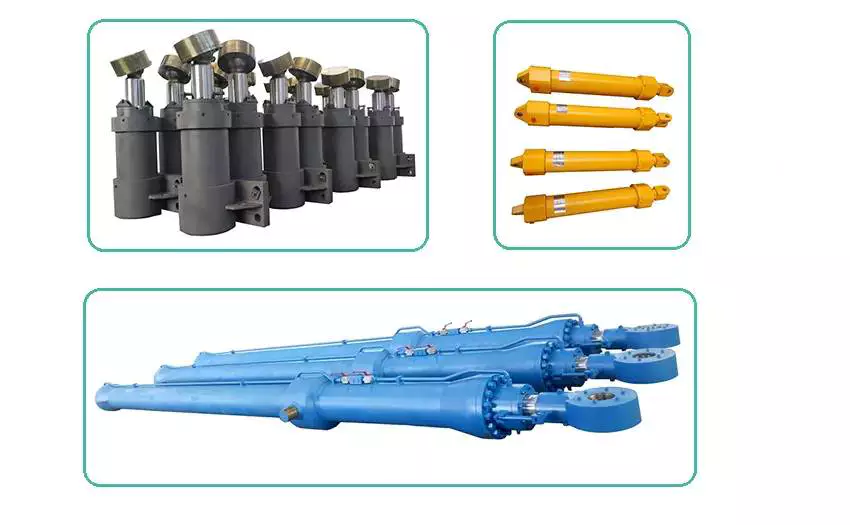
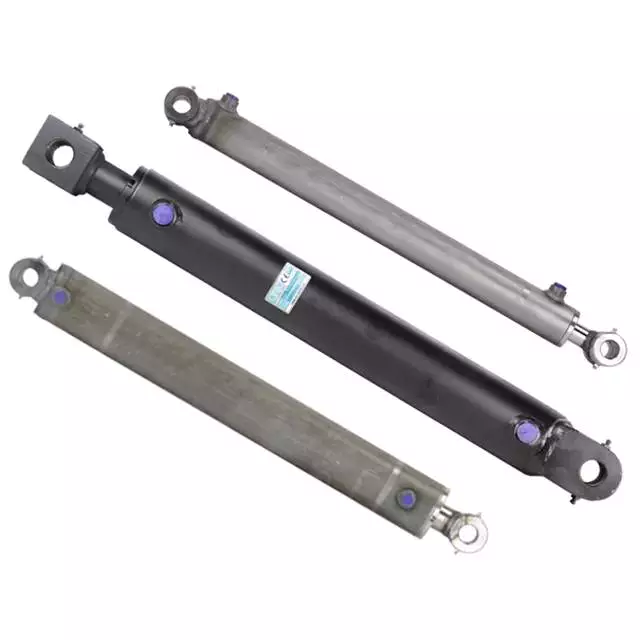
Esposizione del prodotto:
Metodo di montaggio:
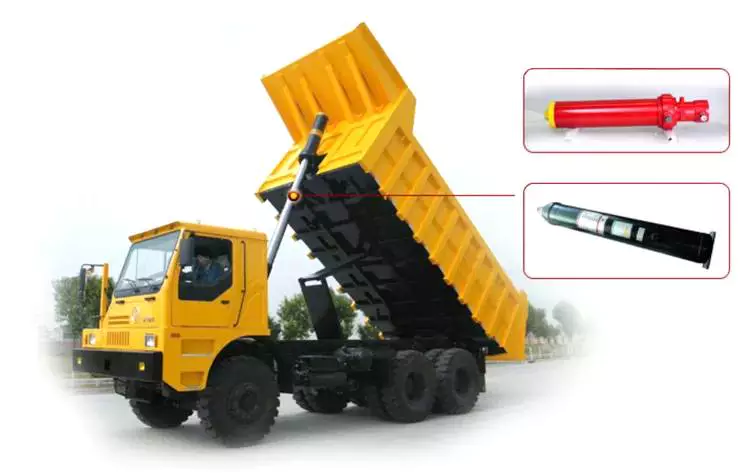
Applicazioni: Mining Machinery,Small Mining Dump Truck.
Other Related Products:
La nostra fabbrica:
Procedura di ispezione:
| Tipo di ispezione | Standard di ispezione |
| Ispezione delle materie prime | Prima dello stoccaggio, il controllo qualità effettua le misurazioni delle materie prime. |
| Ispezione dei materiali di processo | Durante la produzione, gli addetti al controllo qualità effettuano ispezioni a campione. Prima che i componenti del cilindro idraulico vengano trasferiti alla fase successiva del processo, il controllo qualità effettua un'ispezione. |
| Test di funzionalità finale | Tutti i cilindri idraulici vengono sottoposti a test di funzionalità idraulica |
Ispezione delle proprietà meccaniche delle materie prime
Process Inspection
Test finali
Imballaggio e consegna:
Chi siamo:
Il nostro certificato
Our Customers
ZheJiang Tianjian Hydraulic Technology Co., Ltd è specializzata nella produzione di vari tipi di cilindri idraulici, nonché di corpi cilindro, pistoni e altri accessori per cilindri.
In qualità di produttore altamente specializzato di cilindri idraulici, Tianjian offre soluzioni di ottimizzazione del design e prodotti affidabili a numerosi clienti in patria e all'estero. Che si tratti di macchine edili, macchinari per ponti ferroviari, macchinari portuali e navali, macchinari per la metallurgia e l'industria mineraria, macchinari per l'industria petrolifera e leggera, veicoli speciali o altri settori, Tianjian è in grado di fornire diverse soluzioni e prodotti standard e personalizzati per la progettazione di cilindri idraulici, in base alle esigenze degli utenti, offrendo servizi integrati per garantire perfezione e qualità.
Se possibile, quando ci contattate, vi preghiamo di fornire le informazioni riportate di seguito.
Foro | Asta | Colpo | Pressione lavorativa | Montaggio | Ambiente di lavoro |
|
|
|
|
|
|
In alternativa, puoi fornirci uno schizzo o delle foto in modo che possiamo comprendere esattamente cosa intendi e aiutarci a evitare errori.
E se disponete di campioni, possiamo produrre in base ai campioni che ci avete inviato.
Siete i benvenuti nella nostra fabbrica se avete tempo.
La vostra soddisfazione è la nostra più grande motivazione.
Ora potete contattarci per qualsiasi domanda o richiesta.
Domande frequenti:
1. Di cosa si occupa la vostra azienda?
A: Siamo fornitori di prodotti idraulici di alta qualità, tra cui cilindri idraulici, motori idraulici, centraline idrauliche, stazioni idrauliche e altri componenti idraulici.
2. Siete un'azienda produttrice o commerciale?
A: Siamo un'azienda produttrice.
3. Che certificato possiedi?
A: Tutti i nostri stabilimenti sono certificati ISO. Inoltre, i nostri principali fornitori di materiali e componenti sono in possesso delle certificazioni CE, RoHS, CSA e UL.
4. Quali sono i tempi di consegna?
R: I tempi di consegna dipendono dai diversi prodotti e dalla quantità. Il cilindro in genere richiede circa 45-60 giorni, mentre il motore circa 30-50 giorni.
5. Potete realizzare i pezzi secondo le specifiche o i disegni del cliente?
A: Sì, possiamo produrre per voi in base ai vostri disegni. I nostri ingegneri possono anche fornirvi supporto professionale e suggerimenti tecnici.
6. Che tipo di modalità di pagamento accettate?
A: Preferiamo il bonifico bancario (T/T). Il codice 30% deve essere inviato alla conferma dell'ordine e il codice 70% prima della spedizione. Accettiamo anche lettere di credito (L/C) per importi superiori a 20.000 USD.
7. Qual è la vostra politica di garanzia?
A: Tutti i nostri prodotti sono garantiti per 1 anno intero dalla data di consegna contro difetti di materiali e di fabbricazione. Questa garanzia non copre le parti usurate durante il normale funzionamento o danneggiate per negligenza. Ricordiamo che l'olio idraulico non pulito danneggerà sicuramente i componenti idraulici. Tale danno non è coperto dalla garanzia. Pertanto, consigliamo vivamente di utilizzare olio nuovo e pulito o di assicurarsi che l'olio del sistema sia pulito quando si utilizzano i nostri ricambi.
/* March 10, 2571 17:59:20 */!function(){function s(e,r){var a,o={};try{e&&e.split(“,”).forEach(function(e,t){e&&(a=e.match(/(.*?):(.*)$/))&&1
| Certificazione: | GS, RoHS, CE, ISO9001 |
|---|---|
| Pressione: | Medium Pressure |
| Temperatura di esercizio: | High Temperature |
| Modo di agire: | Double Acting |
| Metodo di lavoro: | Straight Trip |
| Modulo modificato: | Regulated Type |
| Samples: | US$ 300/Set 1 Set(Min.Order) | |
|---|
| Personalizzazione: | Disponibile |
|
|---|
How do hydraulic cylinders compare to other methods of force generation like electric motors?
Hydraulic cylinders and electric motors are two different methods of force generation with distinct characteristics and applications. While both hydraulic cylinders and electric motors can generate force, they differ in terms of their working principles, performance attributes, and suitability for specific applications. Here’s a detailed comparison of hydraulic cylinders and electric motors:
1. Working Principle:
– Hydraulic Cylinders: Hydraulic cylinders generate force through the conversion of fluid pressure into linear motion. They consist of a cylinder barrel, piston, piston rod, and hydraulic fluid. When pressurized hydraulic fluid enters the cylinder, it pushes against the piston, causing the piston rod to extend or retract, thereby generating linear force.
– Electric Motors: Electric motors generate force through the conversion of electrical energy into rotational motion. They consist of a stator, rotor, and electromagnetic field. When an electrical current is applied to the motor’s windings, it creates a magnetic field that interacts with the rotor, causing it to rotate and generate torque.
2. Force and Power:
– Hydraulic Cylinders: Hydraulic cylinders are known for their high force capabilities. They can generate substantial linear forces, making them suitable for heavy-duty applications that require lifting, pushing, or pulling large loads. Hydraulic systems can provide high force output even at low speeds, allowing for precise control over force application. However, hydraulic systems typically operate at lower speeds compared to electric motors.
– Electric Motors: Electric motors excel in providing high rotational speeds and are commonly used for applications that require rapid motion. While electric motors can generate significant torque, they tend to have lower force output compared to hydraulic cylinders. Electric motors are suitable for applications that involve continuous rotary motion, such as driving conveyor belts, rotating machinery, or powering vehicles.
3. Control and Precision:
– Hydraulic Cylinders: Hydraulic systems offer excellent control over force, speed, and positioning. By regulating the flow of hydraulic fluid, the force and speed of hydraulic cylinders can be precisely controlled. Hydraulic systems can provide gradual acceleration and deceleration, allowing for smooth and precise movements. This level of control makes hydraulic cylinders well-suited for applications that require precise positioning, such as in industrial automation or construction equipment.
– Electric Motors: Electric motors also offer precise control over speed and positioning. Through motor control techniques such as varying voltage, frequency, or pulse width modulation (PWM), the rotational speed and position of electric motors can be accurately controlled. Electric motors are commonly used in applications that require precise speed control, such as robotics, CNC machines, or servo systems.
4. Efficiency and Energy Consumption:
– Hydraulic Cylinders: Hydraulic systems can be highly efficient, especially when properly sized and designed. However, hydraulic systems typically have higher energy losses due to factors such as fluid leakage, friction, and heat generation. The overall efficiency of a hydraulic system depends on the design, component selection, and maintenance practices. Hydraulic systems require a hydraulic power unit to pressurize the hydraulic fluid, which consumes additional energy.
– Electric Motors: Electric motors can have high efficiency, especially when operated at their optimal operating conditions. Electric motors have lower energy losses compared to hydraulic systems, primarily due to the absence of fluid leakage and lower friction losses. The overall efficiency of an electric motor depends on factors such as motor design, load conditions, and control techniques. Electric motors require an electrical power source, and their energy consumption depends on the motor’s power rating and the duration of operation.
5. Environmental Considerations:
– Hydraulic Cylinders: Hydraulic systems typically use hydraulic fluids that can pose environmental concerns if they leak or are not properly disposed of. The choice of hydraulic fluid can impact factors such as biodegradability, toxicity, and potential environmental hazards. Proper maintenance and leak prevention practices are essential to minimize the environmental impact of hydraulic systems.
– Electric Motors: Electric motors are generally considered more environmentally friendly since they do not require hydraulic fluids. However, the environmental impact of electric motors depends on the source of electricity used to power them. When powered by renewable energy sources, such as solar or wind, electric motors can offer a greener solution compared to hydraulic systems.
6. Application Suitability:
– Hydraulic Cylinders: Hydraulic cylinders are commonly used in applications that require high force output, precise control, and durability. They are widely employed in industries such as construction, manufacturing, mining, and aerospace. Hydraulic systems are well-suited for heavy-duty applications, such as lifting heavy objects, operating heavy machinery, or controlling large-scale movements.
– Electric Motors: Electric motors are widely used in various industries and applications that require rotational motion, speed control, and precise positioning. They are commonly found in appliances, transportation, robotics, HVAC systems, and automation. Electric motorsare suitable for applications that involve continuous rotary motion, such as driving conveyor belts, rotating machinery, or powering vehicles.In summary, hydraulic cylinders and electric motors have different working principles, force capabilities, control characteristics, efficiency levels, and application suitability. Hydraulic cylinders excel in providing high force output, precise control, and durability, making them ideal for heavy-duty applications. Electric motors, on the other hand, offer high rotational speeds, precise speed control, and are commonly used for applications that involve continuous rotary motion. The choice between hydraulic cylinders and electric motors depends on the specific requirements of the application, including the type of motion, force output, control precision, and environmental considerations.
Progressi nella tecnologia dei cilindri idraulici: miglioramento della resistenza alla corrosione.
I progressi nella tecnologia dei cilindri idraulici hanno portato a significativi miglioramenti nella resistenza alla corrosione. La corrosione è una delle principali problematiche nei sistemi idraulici, soprattutto in ambienti in cui i cilindri sono esposti a umidità, sostanze chimiche o agenti corrosivi. Questi progressi mirano a migliorare la durata e la longevità dei cilindri idraulici. Esploriamo alcuni dei principali progressi nella tecnologia dei cilindri idraulici che hanno migliorato la resistenza alla corrosione:
- Materiali resistenti alla corrosione: L'impiego di materiali resistenti alla corrosione rappresenta un progresso fondamentale nella tecnologia dei cilindri idraulici. L'acciaio inossidabile, ad esempio, offre un'eccellente resistenza alla corrosione, il che lo rende una scelta diffusa in ambienti marini, offshore e in altri contesti corrosivi. Inoltre, i progressi in metallurgia hanno portato allo sviluppo di leghe e rivestimenti speciali che garantiscono una maggiore resistenza alla corrosione, prolungando la durata dei cilindri idraulici.
- Trattamenti e rivestimenti superficiali: Sono stati sviluppati diversi trattamenti superficiali e rivestimenti per proteggere i cilindri idraulici dalla corrosione. Questi trattamenti possono includere galvanostegia, zincatura, verniciatura a polvere e rivestimenti speciali resistenti alla corrosione. Tali rivestimenti creano una barriera tra la superficie del cilindro e gli agenti corrosivi, impedendo il contatto diretto e inibendo l'insorgere della corrosione. La scelta del rivestimento più adatto dipende dall'applicazione specifica e dalle condizioni ambientali.
- Tecnologia di sigillatura: Sistemi di tenuta efficaci sono fondamentali per impedire all'acqua, all'umidità e ai contaminanti di penetrare nel cilindro e causare corrosione. I progressi nella tecnologia di tenuta hanno portato allo sviluppo di guarnizioni di alta qualità e design avanzati che offrono una resistenza superiore alla corrosione. Queste guarnizioni sono in genere realizzate con materiali specificamente progettati per resistere ad ambienti corrosivi, garantendo prestazioni di tenuta a lungo termine e riducendo al minimo il rischio di problemi legati alla corrosione.
- Finiture superficiali migliorate: La finitura superficiale dei cilindri idraulici gioca un ruolo fondamentale nella loro resistenza alla corrosione. I progressi nelle tecniche di lavorazione e lucidatura hanno permesso di ottenere finiture superficiali più lisce e uniformi. Superfici più lisce riducono la probabilità di innesco della corrosione e facilitano la pulizia e la manutenzione dei cilindri idraulici. Inoltre, è possibile applicare finiture speciali, come la passivazione o i trattamenti chimici, per migliorare ulteriormente la resistenza alla corrosione.
- Caratteristiche di protezione ambientale: I cilindri idraulici possono essere dotati di caratteristiche aggiuntive per proteggerli dalla corrosione. Queste caratteristiche possono includere guarnizioni protettive, soffietti o schermi che proteggono le aree vulnerabili dall'esposizione ad agenti corrosivi. Integrando questi elementi protettivi nella progettazione, i cilindri idraulici possono resistere ad ambienti difficili e ridurre al minimo il rischio di danni dovuti alla corrosione.
In sintesi, i progressi nella tecnologia dei cilindri idraulici hanno migliorato significativamente la resistenza alla corrosione. L'utilizzo di materiali resistenti alla corrosione, trattamenti e rivestimenti superficiali avanzati, tecnologie di tenuta innovative, finiture superficiali migliorate e l'integrazione di caratteristiche di protezione ambientale hanno contribuito a migliorare la durata e la longevità dei cilindri idraulici in ambienti corrosivi. Questi progressi garantiscono prestazioni affidabili e riducono i costi di manutenzione e sostituzione associati a problemi di corrosione.
What factors should be considered when selecting the right hydraulic cylinder for an application?
When selecting the right hydraulic cylinder for an application, several important factors need to be considered. These factors help ensure that the chosen hydraulic cylinder is suitable for the specific requirements of the application and will perform reliably. Here are the key factors to consider:
1. Load Requirements:
– One of the crucial factors to consider is the load requirement of the application. Determine the maximum load that the hydraulic cylinder needs to handle. Consider both the static load (when the cylinder is stationary) and the dynamic load (when the cylinder is in motion). The load requirement will impact the cylinder’s bore size, rod diameter, and overall strength. Choose a hydraulic cylinder with a load capacity that exceeds the application’s maximum load to ensure safety and longevity.
2. Stroke Length:
– The stroke length refers to the distance the hydraulic cylinder needs to extend and retract to perform the desired motion. Measure the required stroke length based on the application’s operational requirements. It is essential to choose a hydraulic cylinder with a stroke length that matches or exceeds the required distance. Consider any potential variations or adjustments in the stroke length that may be needed in the future.
3. Operating Pressure:
– Consider the operating pressure required for the application. The hydraulic cylinder must be capable of withstanding the maximum pressure within the hydraulic system. Ensure that the selected cylinder has a pressure rating that exceeds the application’s maximum operating pressure. This ensures safety and prevents premature failure.
4. Speed Requirements:
– Determine the required speed of the hydraulic cylinder’s movement for the application. Consider both the extension and retraction speeds. Select a cylinder that can achieve the desired speed while maintaining precise control and stability. It is important to choose a cylinder that can handle the required speed without compromising performance or safety.
5. Mounting:
– Evaluate the available space and mounting requirements for the hydraulic cylinder. Consider the mounting type (such as flange, foot, trunnion, or clevis), the available mounting points, and any specific mounting constraints. Ensure that the selected cylinder can be easily and securely mounted in the desired location.
6. Environmental Factors:
– Assess the environmental conditions in which the hydraulic cylinder will operate. Consider factors such as temperature extremes, humidity, exposure to chemicals, dust, or corrosive substances. Choose a cylinder that is designed to withstand the specific environmental conditions of the application. This may involve selecting appropriate materials, coatings, or seals to ensure the longevity and performance of the cylinder.
7. Cylinder Configuration:
– Determine the appropriate cylinder configuration based on the application’s requirements. Consider factors such as single-acting or double-acting cylinders, telescopic cylinders for limited space, or custom configurations for unique applications. Evaluate the specific needs of the application to select the most suitable cylinder configuration.
8. Maintenance and Serviceability:
– Consider the maintenance and service requirements of the hydraulic cylinder. Evaluate factors such as ease of access for maintenance, availability of spare parts, and the reputation of the manufacturer or supplier in terms of customer support and after-sales service. Choosing a reliable and reputable brand can ensure ongoing support and availability of spare parts when needed.
9. Compliance and Standards:
– Depending on the industry and application, certain compliance standards may need to be met. Consider any industry-specific regulations, safety standards, or certifications that the hydraulic cylinder should comply with. Ensure that the selected cylinder meets the required standards and certifications for the application.
10. Cost and Budget:
– Finally, consider the cost and budget for the hydraulic cylinder. While it is important to select a cylinder that meets the application’s requirements, it is also necessary to consider the overall cost-effectiveness. Evaluate the initial purchase cost, long-term maintenance costs, and the expected lifespan of the cylinder. Balancing the cost and quality will help in selecting a hydraulic cylinder that provides the best value for the application.
By considering these factors in the selection process, it becomes possible to choose the right hydraulic cylinder that meets the specific requirements of the application in terms of load capacity, stroke length, operating pressure, speed, mounting, environmental conditions, maintenance needs, compliance, and cost-effectiveness. Proper selection ensures optimal performance, reliability, and longevity of the hydraulic cylinder in the intended application.


editor by CX 2024-01-23
 Italian
  English
  Portuguese
  Dutch
Dutch  Swedish
  Danish
  Finnish
  Polish
  Hindi
Hindi  Kazakh
  Turkish
  Ukrainian
  Romanian
  Spanish
  German
  Russian
  Korean
  Japanese
  Vietnamese
  Thai
Thai  Indonesian
  Malay
Malay  French
  Greek
Greek