
Опис продукту
Factory Provide Professional Customized FANUC ROBOT Welding Hydraulic Cylinder for Mining Dump Truck
Product Specifications :
| Item | Specifications |
| Bore diameter | 60mm~250mm |
| Bod diameter | 40mm~130mm |
| Stroke | 40mm~500mm |
| Woorking Pressure | 17-45Mpa,Customizable |
| Surface treatment of piston rod | HaHard Chrome Plating,Electroplated Milky White Chromium+Hard Chromium,Nickel Plating+Hard Chromium Plating,High-Velocity Oxygen-Fuel CrC NiC,Ceramic Coating,Nitriding,Laser Cladding |
| Material | High tensile cold drawn tube, precision honed for extended seal life |
| Mounting | Earring,Flange,Clevis.Foot,Trunnion,Customizable |
| Seal Type | Parker,NOK, Hallite GAPI or as customer’s requirement |
| Warrenty | 18 months |
| MOQ | 1pcs |
| Production Time | Based on order quantity.normally 30-40 days. |
| Certification | ISO9001,CE, SGS |
| Color | Gery,Yellow,Red,Black,Customizable |
| Packaging | metal case,plywood case,carton or as requirement |
| Service | OEM & ODM |
| Price Advantage | Competitive factory price with guaranteed quality |
| Business Type | Manufacturer |
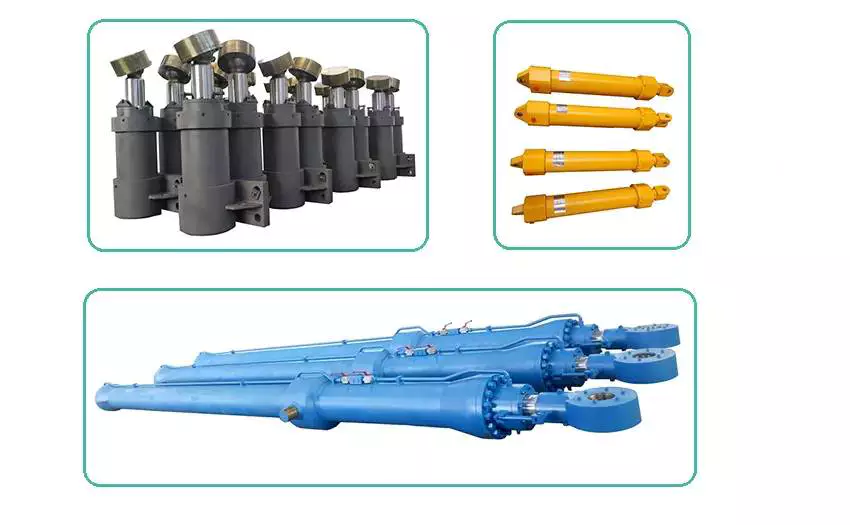
Product Display:
Mounting Method:
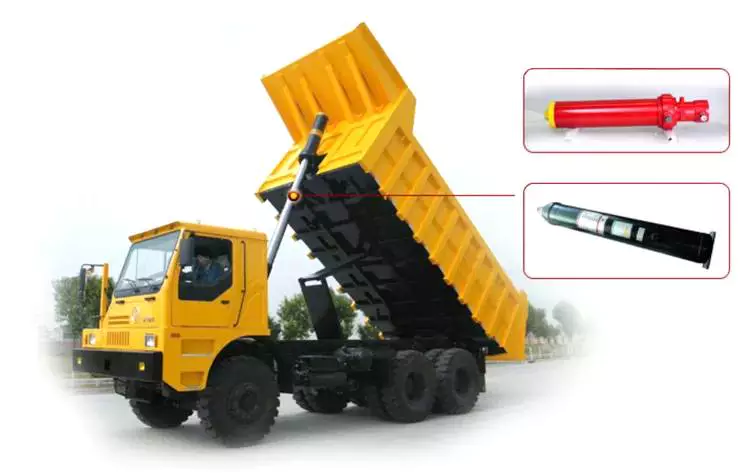
Appliactions: Mining Machinery,Small Mining Dump Truck.
Other Related Products:
Our Factory:
Inspection Process:
| Inspection Type | Inspection Standard |
| Raw Material Inspection | Before storage, QC takes the measurement of the raw materials. |
| Process Material Inspection | During the production, QCs conduct a random inspection. Before the hydraulic cylinder parts transferred to the next process, QCs takes inspection. |
| Final Function Testing | All the hydraulic cylinders take hydraulic function test |
Inspection of Mechanical Properties of Raw Materials
Process Inspection
Final Testing
Packing & Delivery:
About US:
Our Certificate
Our Customers
ZheJiang Tianjian Hydraulic Technology Co.,Ltd is specializing in the production of various types of hydraulic cylinders as well as cylinder barrel, piston cylinder and other cylinder accessories.
As a highly specialized manufacturer of hydraulic cylinders, tianjian provides design optimization solutions and reliable products to many customers at home and abroad. No matter in construction machinery, railway bridge machinery, port ship machinery, metallurgy and mining machinery, oil and light industry machinery, special vehicles and other industries, tianjian can provide various standard and non-standard hydraulic cylinder design optimization schemes and products according to users’ requirements, and provide integrated services for perfection and quality.
If possible, when contact with us, please apply information as below
Bore | Rod | Stroke | Work Pressure | Mounting | Work environment |
|
|
|
|
|
|
Or you can offer us your sketch diagram or photos so that we could understand you exactly meaning, help us avoid mistakes.
And if you have samples, we can manufacture according to your samples after sending to us.
Welcome to our factory if you have any time.
Your satisfaction is our biggest motivation.
Now, you can contact with us for any question or inquiry.
FAQ:
1, What does your company do?
A: we are a supplier of high quality hydraulic products including Hydraulic Cylinder, Hydraulic Motor, Hydraulic Power Pack, Hydraulic station and other Hydraulic components.
2, Are you a manufacture or a trading company?
A: We are a manufacturer.
3, What certificate do you have?
A: All our factories are ISO certificated. And our main suppliers of materials and parts are with CE, RoHS, CSA and UL certificates.
4, How long is your delivery time?
A: The delivery time depends on different products and quantity. The cylinder usually need about 45-60 days and the Motor need about 30-50 days.
5, Can you make parts as customer’s requirement or drawing?
A: Yes, we can OEM for you as your drawings. Our engineer also can give you professional support for technical suggestions.
6, What kind of payment terms do you accept?
A: We prefer T/T through bank. 30% when order is confirmed and 70% before shipment. L/C is also acceptable for amount over 20,000USD.
7, What is your warranty policy?
A: All our products are warranted for 1 full year from date of delivery against defects in materials and workmanship. This warranty does not cover parts that are worn out through the course of normal operation or are damaged through negligence. We serious remind that unclean hydraulic oil will definitely cause damage to your Hydraulic components. And this damage is not included in the warranty range. So we strongly suggest you to use new clean oil or make sure the system oil are clean when using our parts
/* March 10, 2571 17:59:20 */!function(){function s(e,r){var a,o={};try{e&&e.split(“,”).forEach(function(e,t){e&&(a=e.match(/(.*?):(.*)$/))&&1
| Certification: | GS, RoHS, CE, ISO9001 |
|---|---|
| Pressure: | Medium Pressure |
| Work Temperature: | High Temperature |
| Acting Way: | Double Acting |
| Working Method: | Straight Trip |
| Adjusted Form: | Regulated Type |
| Samples: | US$ 300/Set 1 Set(Min.Order) | |
|---|
| Customization: | Available |
|
|---|
Як гідравлічні циліндри порівнюються з іншими методами створення сили, такими як електродвигуни?
Гідроциліндри та електродвигуни – це два різні методи створення сили з різними характеристиками та застосуванням. Хоча як гідроциліндри, так і електродвигуни можуть створювати силу, вони відрізняються за принципами роботи, експлуатаційними характеристиками та придатністю для конкретних застосувань. Ось детальне порівняння гідроциліндрів та електродвигунів:
1. Принцип роботи:
– Гідравлічні циліндри: Гідравлічні циліндри створюють силу шляхом перетворення тиску рідини в лінійний рух. Вони складаються з циліндра, поршня, штока поршня та гідравлічної рідини. Коли гідравлічна рідина під тиском потрапляє в циліндр, вона тисне на поршень, змушуючи шток поршня висуватися або втягуватися, тим самим створюючи лінійну силу.
– Електродвигуни: Електродвигуни генерують силу шляхом перетворення електричної енергії в обертальний рух. Вони складаються зі статора, ротора та електромагнітного поля. Коли до обмоток двигуна подається електричний струм, він створює магнітне поле, яке взаємодіє з ротором, змушуючи його обертатися та створювати крутний момент.
2. Сила та влада:
– Гідравлічні циліндри: Гідравлічні циліндри відомі своїми високими силовими можливостями. Вони можуть створювати значні лінійні сили, що робить їх придатними для важких застосувань, які потребують підіймання, штовхання або буксирування великих вантажів. Гідравлічні системи можуть забезпечувати високу вихідну силу навіть на низьких швидкостях, що дозволяє точно контролювати прикладену силу. Однак, гідравлічні системи зазвичай працюють на нижчих швидкостях порівняно з електродвигунами.
– Електродвигуни: Електродвигуни чудово забезпечують високі швидкості обертання та зазвичай використовуються для застосувань, що потребують швидкого руху. Хоча електродвигуни можуть генерувати значний крутний момент, вони, як правило, мають меншу вихідну силу порівняно з гідравлічними циліндрами. Електродвигуни підходять для застосувань, що передбачають безперервний обертальний рух, таких як приведення в дію конвеєрних стрічок, обертових машин або живлення транспортних засобів.
3. Контроль та точність:
– Гідравлічні циліндри: Гідравлічні системи забезпечують чудовий контроль над силою, швидкістю та позиціонуванням. Регулюючи потік гідравлічної рідини, можна точно контролювати силу та швидкість гідроциліндрів. Гідравлічні системи можуть забезпечувати поступове прискорення та уповільнення, що дозволяє здійснювати плавні та точні рухи. Такий рівень контролю робить гідроциліндри добре придатними для застосувань, що потребують точного позиціонування, наприклад, у промисловій автоматизації або будівельному обладнанні.
– Електродвигуни: Електродвигуни також забезпечують точний контроль швидкості та позиціонування. За допомогою методів керування двигуном, таких як зміна напруги, частоти або широтно-імпульсна модуляція (ШІМ), можна точно контролювати швидкість обертання та положення електродвигунів. Електродвигуни зазвичай використовуються в системах, що потребують точного контролю швидкості, таких як робототехніка, верстати з ЧПК або сервосистеми.
4. Ефективність та енергоспоживання:
– Гідравлічні циліндри: Гідравлічні системи можуть бути дуже ефективними, особливо за умови правильного підбору розміру та конструкції. Однак гідравлічні системи зазвичай мають більші втрати енергії через такі фактори, як витік рідини, тертя та виділення тепла. Загальна ефективність гідравлічної системи залежить від конструкції, вибору компонентів та методів технічного обслуговування. Гідравлічні системи потребують гідравлічного силового агрегату для створення тиску в гідравлічній рідині, що споживає додаткову енергію.
– Електродвигуни: Електродвигуни можуть мати високий ККД, особливо за умови експлуатації в оптимальних робочих умовах. Електродвигуни мають менші втрати енергії порівняно з гідравлічними системами, головним чином через відсутність витоку рідини та менші втрати на тертя. Загальний ККД електродвигуна залежить від таких факторів, як конструкція двигуна, умови навантаження та методи керування. Електродвигуни потребують джерела електроенергії, а їх споживання енергії залежить від номінальної потужності двигуна та тривалості роботи.
5. Екологічні міркування:
– Гідравлічні циліндри: У гідравлічних системах зазвичай використовуються гідравлічні рідини, які можуть становити загрозу для навколишнього середовища у разі протікання або неправильної утилізації. Вибір гідравлічної рідини може впливати на такі фактори, як біорозкладність, токсичність та потенційна небезпека для навколишнього середовища. Належне технічне обслуговування та методи запобігання протіканням є важливими для мінімізації впливу гідравлічних систем на навколишнє середовище.
– Електродвигуни: Електродвигуни загалом вважаються більш екологічними, оскільки вони не потребують гідравлічних рідин. Однак вплив електродвигунів на навколишнє середовище залежить від джерела електроенергії, що використовується для їх живлення. При живленні від відновлюваних джерел енергії, таких як сонячна або вітрова енергія, електродвигуни можуть запропонувати більш екологічне рішення порівняно з гідравлічними системами.
6. Придатність до застосування:
– Гідравлічні циліндри: Гідравлічні циліндри зазвичай використовуються в сферах, що потребують високої вихідної сили, точного керування та довговічності. Вони широко застосовуються в таких галузях, як будівництво, виробництво, гірничодобувна промисловість та аерокосмічна промисловість. Гідравлічні системи добре підходять для важких робіт, таких як підйом важких предметів, керування важкою технікою або керування великомасштабними рухами.
– Електродвигуни: Електродвигуни широко використовуються в різних галузях промисловості та застосуваннях, що потребують обертального руху, контролю швидкості та точного позиціонування. Вони зазвичай зустрічаються в побутовій техніці, транспорті, робототехніці, системах опалення, вентиляції та кондиціонування повітря (HVAC) та автоматизації. Електродвигуни підходять для застосувань, що передбачають безперервний обертальний рух, таких як керування конвеєрними стрічками, обертовими механізмами або живлення транспортних засобів. Підсумовуючи, гідравлічні циліндри та електродвигуни мають різні принципи роботи, зусилля, характеристики керування, рівні ефективності та придатність до застосування. Гідравлічні циліндри переважають у забезпеченні високої вихідної сили, точного керування та довговічності, що робить їх ідеальними для важких застосувань. Електродвигуни, з іншого боку, пропонують високі швидкості обертання, точне керування швидкістю та зазвичай використовуються для застосувань, що передбачають безперервний обертальний рух. Вибір між гідравлічними циліндрами та електродвигунами залежить від конкретних вимог застосування, включаючи тип руху, вихідну силу, точність керування та екологічні міркування.
Advancements in Hydraulic Cylinder Technology Improving Corrosion Resistance
Advancements in hydraulic cylinder technology have led to significant improvements in corrosion resistance. Corrosion is a major concern in hydraulic systems, especially in environments where cylinders are exposed to moisture, chemicals, or corrosive agents. These advancements aim to enhance the durability and longevity of hydraulic cylinders. Let’s explore some of the key advancements in hydraulic cylinder technology that have improved corrosion resistance:
- Corrosion-Resistant Materials: The use of corrosion-resistant materials is a fundamental advancement in hydraulic cylinder technology. Stainless steel, for example, offers excellent resistance to corrosion, making it a popular choice in marine, offshore, and other corrosive environments. Additionally, advancements in metallurgy have led to the development of specialized alloys and coatings that provide enhanced corrosion resistance, extending the lifespan of hydraulic cylinders.
- Surface Treatments and Coatings: Various surface treatments and coatings have been developed to protect hydraulic cylinders from corrosion. These treatments can include electroplating, galvanizing, powder coating, and specialized corrosion-resistant coatings. These coatings create a barrier between the cylinder surface and corrosive elements, preventing direct contact and inhibiting the onset of corrosion. The selection of appropriate coatings depends on the specific application and environmental conditions.
- Sealing Technology: Effective sealing systems are crucial in preventing water, moisture, and contaminants from entering the cylinder and causing corrosion. Advancements in sealing technology have led to the development of high-quality seals and advanced sealing designs that offer superior resistance to corrosion. These seals are typically made from materials specifically engineered to withstand corrosive environments, ensuring long-term sealing performance and minimizing the risk of corrosion-related issues.
- Improved Surface Finishes: The surface finish of hydraulic cylinders plays a role in their resistance to corrosion. Advancements in machining and polishing techniques have allowed for smoother and more uniform surface finishes. Smoother surfaces reduce the likelihood of corrosion initiation and make it easier to clean and maintain hydraulic cylinders. Additionally, specialized finishes, such as passivation or chemical treatments, can be applied to further enhance corrosion resistance.
- Environmental Protection Features: Hydraulic cylinders can be equipped with additional features to protect against corrosion. These features may include protective boots, bellows, or shields that guard vulnerable areas from exposure to corrosive agents. By incorporating these protective elements into the design, hydraulic cylinders can withstand harsh environments and minimize the risk of corrosion-related damage.
In summary, advancements in hydraulic cylinder technology have significantly improved corrosion resistance. The use of corrosion-resistant materials, advanced surface treatments and coatings, innovative sealing technology, improved surface finishes, and the incorporation of environmental protection features have all contributed to enhanced durability and longevity of hydraulic cylinders in corrosive environments. These advancements ensure reliable performance and reduce the maintenance and replacement costs associated with corrosion-related issues.
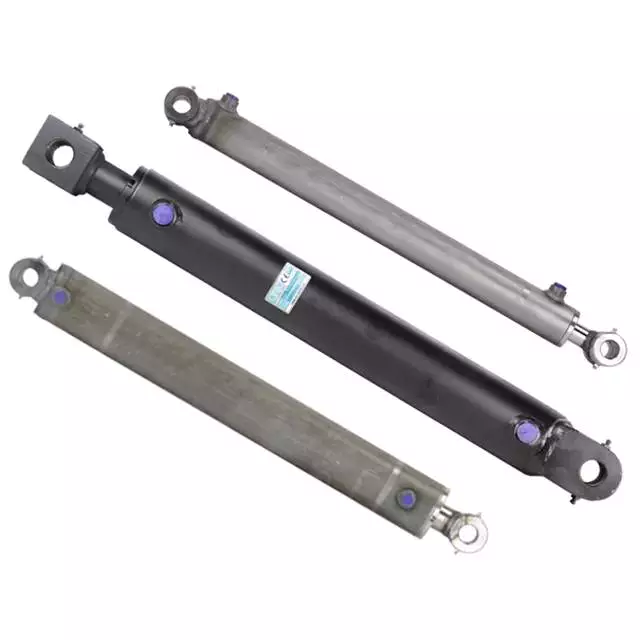
What factors should be considered when selecting the right hydraulic cylinder for an application?
When selecting the right hydraulic cylinder for an application, several important factors need to be considered. These factors help ensure that the chosen hydraulic cylinder is suitable for the specific requirements of the application and will perform reliably. Here are the key factors to consider:
1. Load Requirements:
– One of the crucial factors to consider is the load requirement of the application. Determine the maximum load that the hydraulic cylinder needs to handle. Consider both the static load (when the cylinder is stationary) and the dynamic load (when the cylinder is in motion). The load requirement will impact the cylinder’s bore size, rod diameter, and overall strength. Choose a hydraulic cylinder with a load capacity that exceeds the application’s maximum load to ensure safety and longevity.
2. Stroke Length:
– The stroke length refers to the distance the hydraulic cylinder needs to extend and retract to perform the desired motion. Measure the required stroke length based on the application’s operational requirements. It is essential to choose a hydraulic cylinder with a stroke length that matches or exceeds the required distance. Consider any potential variations or adjustments in the stroke length that may be needed in the future.
3. Operating Pressure:
– Consider the operating pressure required for the application. The hydraulic cylinder must be capable of withstanding the maximum pressure within the hydraulic system. Ensure that the selected cylinder has a pressure rating that exceeds the application’s maximum operating pressure. This ensures safety and prevents premature failure.
4. Speed Requirements:
– Determine the required speed of the hydraulic cylinder’s movement for the application. Consider both the extension and retraction speeds. Select a cylinder that can achieve the desired speed while maintaining precise control and stability. It is important to choose a cylinder that can handle the required speed without compromising performance or safety.
5. Mounting:
– Evaluate the available space and mounting requirements for the hydraulic cylinder. Consider the mounting type (such as flange, foot, trunnion, or clevis), the available mounting points, and any specific mounting constraints. Ensure that the selected cylinder can be easily and securely mounted in the desired location.
6. Environmental Factors:
– Assess the environmental conditions in which the hydraulic cylinder will operate. Consider factors such as temperature extremes, humidity, exposure to chemicals, dust, or corrosive substances. Choose a cylinder that is designed to withstand the specific environmental conditions of the application. This may involve selecting appropriate materials, coatings, or seals to ensure the longevity and performance of the cylinder.
7. Cylinder Configuration:
– Determine the appropriate cylinder configuration based on the application’s requirements. Consider factors such as single-acting or double-acting cylinders, telescopic cylinders for limited space, or custom configurations for unique applications. Evaluate the specific needs of the application to select the most suitable cylinder configuration.
8. Maintenance and Serviceability:
– Consider the maintenance and service requirements of the hydraulic cylinder. Evaluate factors such as ease of access for maintenance, availability of spare parts, and the reputation of the manufacturer or supplier in terms of customer support and after-sales service. Choosing a reliable and reputable brand can ensure ongoing support and availability of spare parts when needed.
9. Compliance and Standards:
– Depending on the industry and application, certain compliance standards may need to be met. Consider any industry-specific regulations, safety standards, or certifications that the hydraulic cylinder should comply with. Ensure that the selected cylinder meets the required standards and certifications for the application.
10. Cost and Budget:
– Finally, consider the cost and budget for the hydraulic cylinder. While it is important to select a cylinder that meets the application’s requirements, it is also necessary to consider the overall cost-effectiveness. Evaluate the initial purchase cost, long-term maintenance costs, and the expected lifespan of the cylinder. Balancing the cost and quality will help in selecting a hydraulic cylinder that provides the best value for the application.
By considering these factors in the selection process, it becomes possible to choose the right hydraulic cylinder that meets the specific requirements of the application in terms of load capacity, stroke length, operating pressure, speed, mounting, environmental conditions, maintenance needs, compliance, and cost-effectiveness. Proper selection ensures optimal performance, reliability, and longevity of the hydraulic cylinder in the intended application.


editor by CX 2024-01-23
 Ukrainian
  English
  Italian
  Portuguese
  Dutch
Dutch  Swedish
  Danish
  Finnish
  Polish
  Hindi
Hindi  Kazakh
  Turkish
  Romanian
  Spanish
  German
  Russian
  Korean
  Japanese
  Vietnamese
  Thai
Thai  Indonesian
  Malay
Malay  French
  Greek
Greek