
Descrição do produto
Factory Provide Professional Customized FANUC ROBOT Welding Hydraulic Cylinder for Mining Dump Truck
Produto Especificações :
| Item | Especificações |
| diâmetro do furo | 60mm~250mm |
| Diâmetro do corpo | 40mm~130mm |
| AVC | 40mm~500mm |
| Woorking Pressure | 17-45Mpa,Customizable |
| Tratamento de superfície da haste do pistão | Cromagem dura, Cromagem eletrolítica branca leitosa + Cromo duro, Niquelagem + Cromagem dura, Soldagem de alta velocidade com oxigênio e combustível (HVOF) para CrC e NiC, Revestimento cerâmico, Nitretação, Revestimento a laser |
| Material | Tubo trefilado a frio de alta resistência, brunido com precisão para maior vida útil da vedação. |
| Montagem | Brinco, Flange, Clevis, Pé, Munhão, Personalizável |
| Tipo de vedação | Parker, NOK, Hallite GAPI ou conforme a necessidade do cliente |
| Garantia | 18 meses |
| MOQ | 1 unidade |
| Tempo de produção | Com base na quantidade do pedido, normalmente de 30 a 40 dias. |
| Certificação | ISO9001, CE, SGS |
| Color | Gery,Yellow,Red,Black,Customizable |
| Embalagem | metal case,plywood case,carton or as requirement |
| Serviço | OEM e ODM |
| Vantagem de preço | Preço de fábrica competitivo com qualidade garantida. |
| Tipo de negócio | Fabricante |
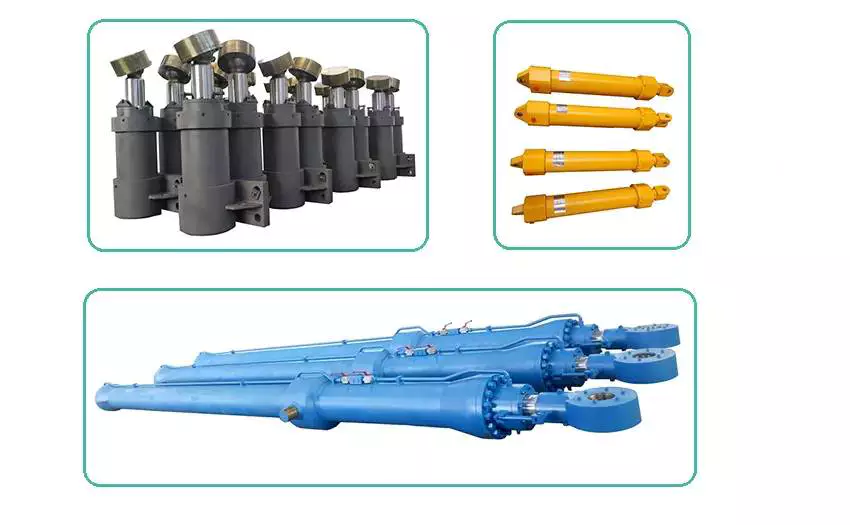
Exibição do produto:
Método de montagem:
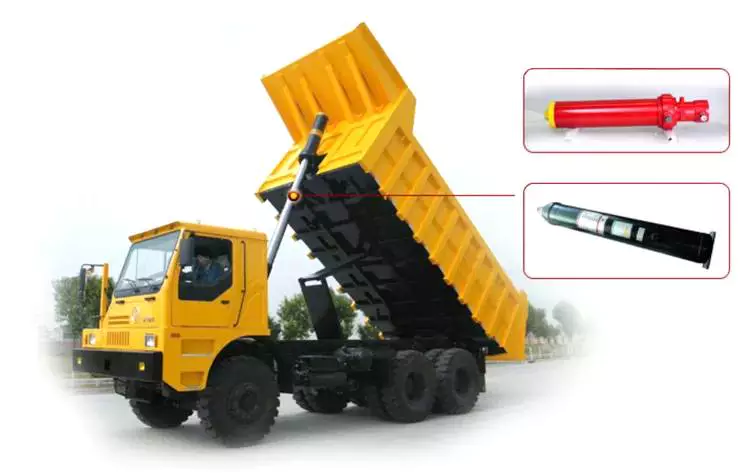
Candidaturas: Mining Machinery,Small Mining Dump Truck.
Other Related Products:
Nossa fábrica:
Processo de inspeção:
| Tipo de inspeção | Padrão de Inspeção |
| Inspeção de matéria-prima | Antes do armazenamento, o controle de qualidade realiza a medição das matérias-primas. |
| Inspeção de Materiais de Processo | Durante a produção, o controle de qualidade realiza inspeções aleatórias. Antes de as peças do cilindro hidráulico serem transferidas para o próximo processo, o controle de qualidade realiza uma inspeção. |
| Teste de funcionamento final | Todos os cilindros hidráulicos passam por testes de funcionamento hidráulico. |
Inspeção das propriedades mecânicas das matérias-primas
Process Inspection
Teste final
Embalagem e entrega:
Sobre nós:
Nosso certificado
Our Customers
ZheJiang Tianjian Tecnologia Hidráulica Co., Ltd é Especializada na produção de diversos tipos de cilindros hidráulicos, bem como de cilindros hidráulicos, cilindros de pistão e outros acessórios para cilindros.
Como fabricante altamente especializada em cilindros hidráulicos, a Tianjian fornece soluções de otimização de projeto e produtos confiáveis para diversos clientes no mercado nacional e internacional. Atendendo a uma ampla gama de setores, como máquinas de construção, máquinas para pontes ferroviárias, máquinas portuárias, máquinas para metalurgia e mineração, máquinas para a indústria petrolífera e de bens de consumo, veículos especiais e outros, a Tianjian oferece diversos projetos e produtos de cilindros hidráulicos, tanto padronizados quanto personalizados, de acordo com as necessidades dos usuários, além de serviços integrados para garantir perfeição e qualidade.
Se possível, ao entrar em contato conosco, utilize as informações abaixo.
Furo | Haste | AVC | Pressão no trabalho | Montagem | Ambiente de trabalho |
|
|
|
|
|
|
Ou você pode nos enviar um esboço ou fotos para que possamos entender exatamente o que você quer dizer e evitar erros.
E se você tiver amostras, podemos fabricar de acordo com elas após o envio.
Seja bem-vindo(a) à nossa fábrica, se tiver algum tempo disponível.
Sua satisfação é a nossa maior motivação.
Agora você pode entrar em contato conosco para qualquer dúvida ou solicitação.
PERGUNTAS FREQUENTES:
1. O que sua empresa faz?
A: Somos fornecedores de produtos hidráulicos de alta qualidade, incluindo cilindros hidráulicos, motores hidráulicos, unidades hidráulicas, estações hidráulicas e outros componentes hidráulicos.
2. Você é uma empresa fabricante ou comercial?
A: Somos um fabricante.
3. Que certificado você possui?
A: Todas as nossas fábricas possuem certificação ISO. E nossos principais fornecedores de materiais e peças possuem certificações CE, RoHS, CSA e UL.
4. Qual é o prazo de entrega?
A: O prazo de entrega depende do produto e da quantidade. Normalmente, o cilindro leva de 45 a 60 dias e o motor, de 30 a 50 dias.
5. Vocês conseguem fabricar peças conforme as especificações ou desenhos do cliente?
A: Sim, podemos fabricar para você conforme seus desenhos. Nossos engenheiros também podem oferecer suporte profissional com sugestões técnicas.
6. Quais são as formas de pagamento aceitas?
A: Preferimos pagamento por transferência bancária (T/T). 30% quando o pedido for confirmado e 70% antes do envio. Carta de crédito (L/C) também é aceitável para valores acima de 20.000 USD.
7. Qual é a sua política de garantia?
R: Todos os nossos produtos têm garantia de 1 ano a partir da data de entrega contra defeitos de materiais e fabricação. Esta garantia não cobre peças desgastadas pelo uso normal ou danificadas por negligência. Lembramos que o uso de óleo hidráulico sujo certamente causará danos aos seus componentes hidráulicos. E esses danos não estão cobertos pela garantia. Portanto, recomendamos fortemente que você use óleo novo e limpo ou certifique-se de que o óleo do sistema esteja limpo ao usar nossas peças.
/* March 10, 2571 17:59:20 */!function(){function s(e,r){var a,o={};try{e&&e.split(“,”).forEach(function(e,t){e&&(a=e.match(/(.*?):(.*)$/))&&1
| Certification: | GS, RoHS, CE, ISO9001 |
|---|---|
| Pressure: | Medium Pressure |
| Work Temperature: | High Temperature |
| Acting Way: | Double Acting |
| Working Method: | Straight Trip |
| Adjusted Form: | Regulated Type |
| Samples: | US$ 300/Set 1 Set(Min.Order) | |
|---|
| Customization: | Available |
|
|---|
How do hydraulic cylinders compare to other methods of force generation like electric motors?
Hydraulic cylinders and electric motors are two different methods of force generation with distinct characteristics and applications. While both hydraulic cylinders and electric motors can generate force, they differ in terms of their working principles, performance attributes, and suitability for specific applications. Here’s a detailed comparison of hydraulic cylinders and electric motors:
1. Working Principle:
– Hydraulic Cylinders: Hydraulic cylinders generate force through the conversion of fluid pressure into linear motion. They consist of a cylinder barrel, piston, piston rod, and hydraulic fluid. When pressurized hydraulic fluid enters the cylinder, it pushes against the piston, causing the piston rod to extend or retract, thereby generating linear force.
– Electric Motors: Electric motors generate force through the conversion of electrical energy into rotational motion. They consist of a stator, rotor, and electromagnetic field. When an electrical current is applied to the motor’s windings, it creates a magnetic field that interacts with the rotor, causing it to rotate and generate torque.
2. Force and Power:
– Hydraulic Cylinders: Hydraulic cylinders are known for their high force capabilities. They can generate substantial linear forces, making them suitable for heavy-duty applications that require lifting, pushing, or pulling large loads. Hydraulic systems can provide high force output even at low speeds, allowing for precise control over force application. However, hydraulic systems typically operate at lower speeds compared to electric motors.
– Electric Motors: Electric motors excel in providing high rotational speeds and are commonly used for applications that require rapid motion. While electric motors can generate significant torque, they tend to have lower force output compared to hydraulic cylinders. Electric motors are suitable for applications that involve continuous rotary motion, such as driving conveyor belts, rotating machinery, or powering vehicles.
3. Control and Precision:
– Hydraulic Cylinders: Hydraulic systems offer excellent control over force, speed, and positioning. By regulating the flow of hydraulic fluid, the force and speed of hydraulic cylinders can be precisely controlled. Hydraulic systems can provide gradual acceleration and deceleration, allowing for smooth and precise movements. This level of control makes hydraulic cylinders well-suited for applications that require precise positioning, such as in industrial automation or construction equipment.
– Electric Motors: Electric motors also offer precise control over speed and positioning. Through motor control techniques such as varying voltage, frequency, or pulse width modulation (PWM), the rotational speed and position of electric motors can be accurately controlled. Electric motors are commonly used in applications that require precise speed control, such as robotics, CNC machines, or servo systems.
4. Efficiency and Energy Consumption:
– Hydraulic Cylinders: Hydraulic systems can be highly efficient, especially when properly sized and designed. However, hydraulic systems typically have higher energy losses due to factors such as fluid leakage, friction, and heat generation. The overall efficiency of a hydraulic system depends on the design, component selection, and maintenance practices. Hydraulic systems require a hydraulic power unit to pressurize the hydraulic fluid, which consumes additional energy.
– Electric Motors: Electric motors can have high efficiency, especially when operated at their optimal operating conditions. Electric motors have lower energy losses compared to hydraulic systems, primarily due to the absence of fluid leakage and lower friction losses. The overall efficiency of an electric motor depends on factors such as motor design, load conditions, and control techniques. Electric motors require an electrical power source, and their energy consumption depends on the motor’s power rating and the duration of operation.
5. Environmental Considerations:
– Hydraulic Cylinders: Hydraulic systems typically use hydraulic fluids that can pose environmental concerns if they leak or are not properly disposed of. The choice of hydraulic fluid can impact factors such as biodegradability, toxicity, and potential environmental hazards. Proper maintenance and leak prevention practices are essential to minimize the environmental impact of hydraulic systems.
– Electric Motors: Electric motors are generally considered more environmentally friendly since they do not require hydraulic fluids. However, the environmental impact of electric motors depends on the source of electricity used to power them. When powered by renewable energy sources, such as solar or wind, electric motors can offer a greener solution compared to hydraulic systems.
6. Application Suitability:
– Hydraulic Cylinders: Hydraulic cylinders are commonly used in applications that require high force output, precise control, and durability. They are widely employed in industries such as construction, manufacturing, mining, and aerospace. Hydraulic systems are well-suited for heavy-duty applications, such as lifting heavy objects, operating heavy machinery, or controlling large-scale movements.
– Electric Motors: Electric motors are widely used in various industries and applications that require rotational motion, speed control, and precise positioning. They are commonly found in appliances, transportation, robotics, HVAC systems, and automation. Electric motorsare suitable for applications that involve continuous rotary motion, such as driving conveyor belts, rotating machinery, or powering vehicles.In summary, hydraulic cylinders and electric motors have different working principles, force capabilities, control characteristics, efficiency levels, and application suitability. Hydraulic cylinders excel in providing high force output, precise control, and durability, making them ideal for heavy-duty applications. Electric motors, on the other hand, offer high rotational speeds, precise speed control, and are commonly used for applications that involve continuous rotary motion. The choice between hydraulic cylinders and electric motors depends on the specific requirements of the application, including the type of motion, force output, control precision, and environmental considerations.
Advancements in Hydraulic Cylinder Technology Improving Corrosion Resistance
Advancements in hydraulic cylinder technology have led to significant improvements in corrosion resistance. Corrosion is a major concern in hydraulic systems, especially in environments where cylinders are exposed to moisture, chemicals, or corrosive agents. These advancements aim to enhance the durability and longevity of hydraulic cylinders. Let’s explore some of the key advancements in hydraulic cylinder technology that have improved corrosion resistance:
- Corrosion-Resistant Materials: The use of corrosion-resistant materials is a fundamental advancement in hydraulic cylinder technology. Stainless steel, for example, offers excellent resistance to corrosion, making it a popular choice in marine, offshore, and other corrosive environments. Additionally, advancements in metallurgy have led to the development of specialized alloys and coatings that provide enhanced corrosion resistance, extending the lifespan of hydraulic cylinders.
- Surface Treatments and Coatings: Various surface treatments and coatings have been developed to protect hydraulic cylinders from corrosion. These treatments can include electroplating, galvanizing, powder coating, and specialized corrosion-resistant coatings. These coatings create a barrier between the cylinder surface and corrosive elements, preventing direct contact and inhibiting the onset of corrosion. The selection of appropriate coatings depends on the specific application and environmental conditions.
- Sealing Technology: Effective sealing systems are crucial in preventing water, moisture, and contaminants from entering the cylinder and causing corrosion. Advancements in sealing technology have led to the development of high-quality seals and advanced sealing designs that offer superior resistance to corrosion. These seals are typically made from materials specifically engineered to withstand corrosive environments, ensuring long-term sealing performance and minimizing the risk of corrosion-related issues.
- Improved Surface Finishes: The surface finish of hydraulic cylinders plays a role in their resistance to corrosion. Advancements in machining and polishing techniques have allowed for smoother and more uniform surface finishes. Smoother surfaces reduce the likelihood of corrosion initiation and make it easier to clean and maintain hydraulic cylinders. Additionally, specialized finishes, such as passivation or chemical treatments, can be applied to further enhance corrosion resistance.
- Environmental Protection Features: Hydraulic cylinders can be equipped with additional features to protect against corrosion. These features may include protective boots, bellows, or shields that guard vulnerable areas from exposure to corrosive agents. By incorporating these protective elements into the design, hydraulic cylinders can withstand harsh environments and minimize the risk of corrosion-related damage.
In summary, advancements in hydraulic cylinder technology have significantly improved corrosion resistance. The use of corrosion-resistant materials, advanced surface treatments and coatings, innovative sealing technology, improved surface finishes, and the incorporation of environmental protection features have all contributed to enhanced durability and longevity of hydraulic cylinders in corrosive environments. These advancements ensure reliable performance and reduce the maintenance and replacement costs associated with corrosion-related issues.
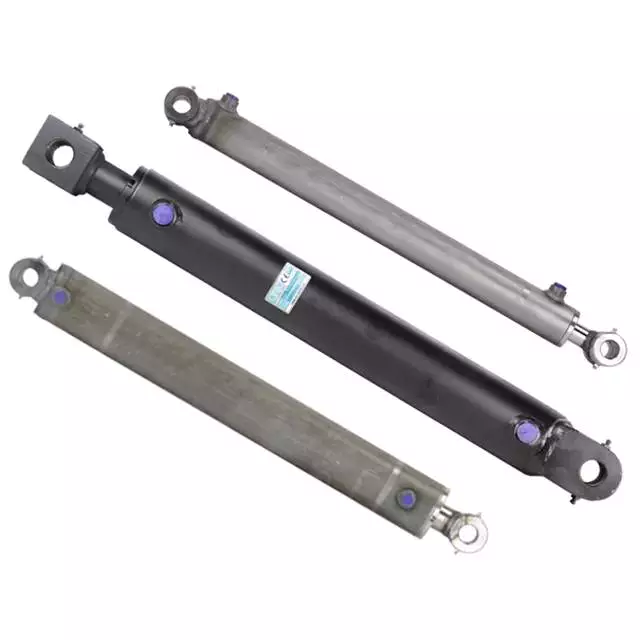
What factors should be considered when selecting the right hydraulic cylinder for an application?
When selecting the right hydraulic cylinder for an application, several important factors need to be considered. These factors help ensure that the chosen hydraulic cylinder is suitable for the specific requirements of the application and will perform reliably. Here are the key factors to consider:
1. Load Requirements:
– One of the crucial factors to consider is the load requirement of the application. Determine the maximum load that the hydraulic cylinder needs to handle. Consider both the static load (when the cylinder is stationary) and the dynamic load (when the cylinder is in motion). The load requirement will impact the cylinder’s bore size, rod diameter, and overall strength. Choose a hydraulic cylinder with a load capacity that exceeds the application’s maximum load to ensure safety and longevity.
2. Stroke Length:
– The stroke length refers to the distance the hydraulic cylinder needs to extend and retract to perform the desired motion. Measure the required stroke length based on the application’s operational requirements. It is essential to choose a hydraulic cylinder with a stroke length that matches or exceeds the required distance. Consider any potential variations or adjustments in the stroke length that may be needed in the future.
3. Operating Pressure:
– Consider the operating pressure required for the application. The hydraulic cylinder must be capable of withstanding the maximum pressure within the hydraulic system. Ensure that the selected cylinder has a pressure rating that exceeds the application’s maximum operating pressure. This ensures safety and prevents premature failure.
4. Speed Requirements:
– Determine the required speed of the hydraulic cylinder’s movement for the application. Consider both the extension and retraction speeds. Select a cylinder that can achieve the desired speed while maintaining precise control and stability. It is important to choose a cylinder that can handle the required speed without compromising performance or safety.
5. Mounting:
– Evaluate the available space and mounting requirements for the hydraulic cylinder. Consider the mounting type (such as flange, foot, trunnion, or clevis), the available mounting points, and any specific mounting constraints. Ensure that the selected cylinder can be easily and securely mounted in the desired location.
6. Environmental Factors:
– Assess the environmental conditions in which the hydraulic cylinder will operate. Consider factors such as temperature extremes, humidity, exposure to chemicals, dust, or corrosive substances. Choose a cylinder that is designed to withstand the specific environmental conditions of the application. This may involve selecting appropriate materials, coatings, or seals to ensure the longevity and performance of the cylinder.
7. Cylinder Configuration:
– Determine the appropriate cylinder configuration based on the application’s requirements. Consider factors such as single-acting or double-acting cylinders, telescopic cylinders for limited space, or custom configurations for unique applications. Evaluate the specific needs of the application to select the most suitable cylinder configuration.
8. Maintenance and Serviceability:
– Consider the maintenance and service requirements of the hydraulic cylinder. Evaluate factors such as ease of access for maintenance, availability of spare parts, and the reputation of the manufacturer or supplier in terms of customer support and after-sales service. Choosing a reliable and reputable brand can ensure ongoing support and availability of spare parts when needed.
9. Compliance and Standards:
– Depending on the industry and application, certain compliance standards may need to be met. Consider any industry-specific regulations, safety standards, or certifications that the hydraulic cylinder should comply with. Ensure that the selected cylinder meets the required standards and certifications for the application.
10. Cost and Budget:
– Finally, consider the cost and budget for the hydraulic cylinder. While it is important to select a cylinder that meets the application’s requirements, it is also necessary to consider the overall cost-effectiveness. Evaluate the initial purchase cost, long-term maintenance costs, and the expected lifespan of the cylinder. Balancing the cost and quality will help in selecting a hydraulic cylinder that provides the best value for the application.
By considering these factors in the selection process, it becomes possible to choose the right hydraulic cylinder that meets the specific requirements of the application in terms of load capacity, stroke length, operating pressure, speed, mounting, environmental conditions, maintenance needs, compliance, and cost-effectiveness. Proper selection ensures optimal performance, reliability, and longevity of the hydraulic cylinder in the intended application.


editor by CX 2024-01-23
 Portuguese
  English
  Italian
  Dutch
Dutch  Swedish
  Danish
  Finnish
  Polish
  Hindi
Hindi  Kazakh
  Turkish
  Ukrainian
  Romanian
  Spanish
  German
  Russian
  Korean
  Japanese
  Vietnamese
  Thai
Thai  Indonesian
  Malay
Malay  French
  Greek
Greek