
Penerangan Produk
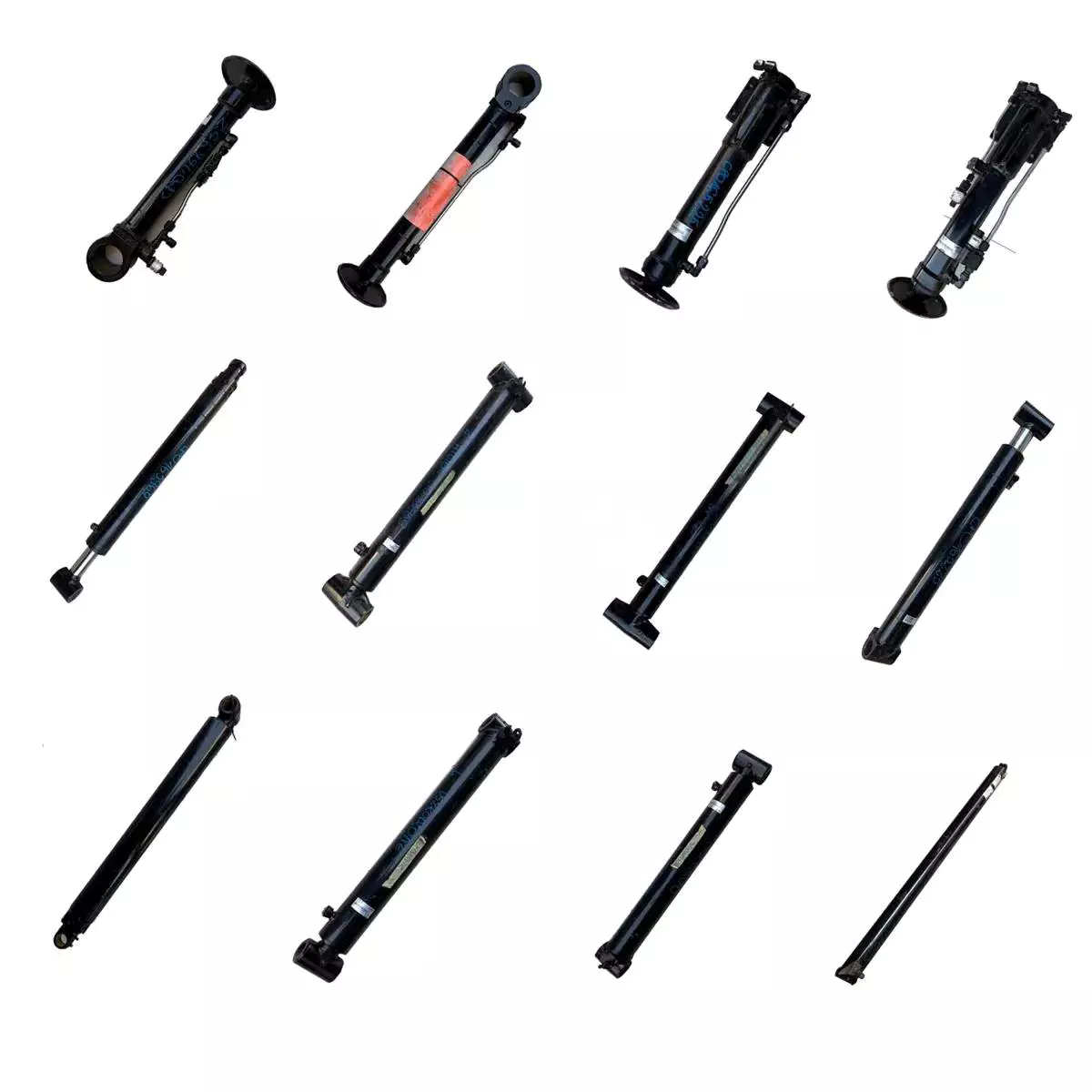
| Type: | Delivery cylinder |
| Standard: | As drawing |
| Material steel: | 45#, 16Mn(Q345B), 25Mn, 27SiMn, SY720, ZNP460 |
| Straightness /thickness/ roundness rate: | As agreement |
| Chrome-plated: | Area and thickness as request |
| Shape: | Round |
| Package: | Wooden case, as customer’s request |
| Usage: | Engineering machinery, mining machinery, construction machinery, metallurgy, water conservancy projects and other industries |
| Warranty: | 12 months |
| Capacity: | 1000 pcs /month |
| Trademark: | CSDLS, neutral, or as request |
| Remarks: | Concrete pump spare parts |
| Partial Model List for delivery cylinder | ||
| Brand/product | Cylinder diameter(mm) | Length(mm) |
| For SANY | Φ200 | 1446 |
| 1546 | ||
| 1570 | ||
| 1746 | ||
| 1946 | ||
| 2246 | ||
| Φ230 | 1746 | |
| 1756 | ||
| 2146 | ||
| Φ260 | 2045 | |
| 2090 | ||
| 2145 | ||
| 2245 | ||
| 2345 | ||
| For ZOOMLION | Φ200 | 1800 with round flange |
| 1800 with prismatic flange | ||
| 1862 with round flange | ||
| 1960 with prismatic flange | ||
| 2012 | ||
| 2306 | ||
| Φ230 | 1750 | |
| 1800 with round flange | ||
| 1800 with prismatic flange | ||
| 2250 with round flange | ||
| 2250 with prismatic flange | ||
| Φ260 | 2250 with round flange | |
| 2250 with prismatic flange | ||
| For FOTON | Φ230 | 2174 |
| Φ260 | 2264 | |
| For XCMG | Φ260 | 2142 |
| 2342 | ||
| For Filling Pump | Φ100 | 910 |
| Φ150 | 1330 | |
| Φ200 | 680 | |
| Φ250 | 2220 | |
| Φ300 | 2320 | |
| Φ300 | 2355 | |
| Φ300 | 2755 | |
| Φ300 | 3354 | |
| Φ400 | 2830 | |
| Φ400 | 3460 | |
| Φ560 | 3960 |
/* 22 Januari 2571 19:08:37 */!function(){function s(e,r){var a,o={};try{e&&e.split(“,”).forEach(function(e,t){e&&(a=e.match(/(.*?):(.*)$/)
| Pensijilan: | ISO9001: 2000 |
|---|---|
| Condition: | New |
| Package: | as Request |
| Usage: | Metallurgy, Mining, Construction Machinery, etc |
| Capacity: | 1, 000PCS/Month |
| Internal Diameter: | 100~700mm |
| Sampel: | US$ 548/Piece 1 Keping (Pesanan Minimum) | |
|---|
| Penyesuaian: | Tersedia |
|
|---|
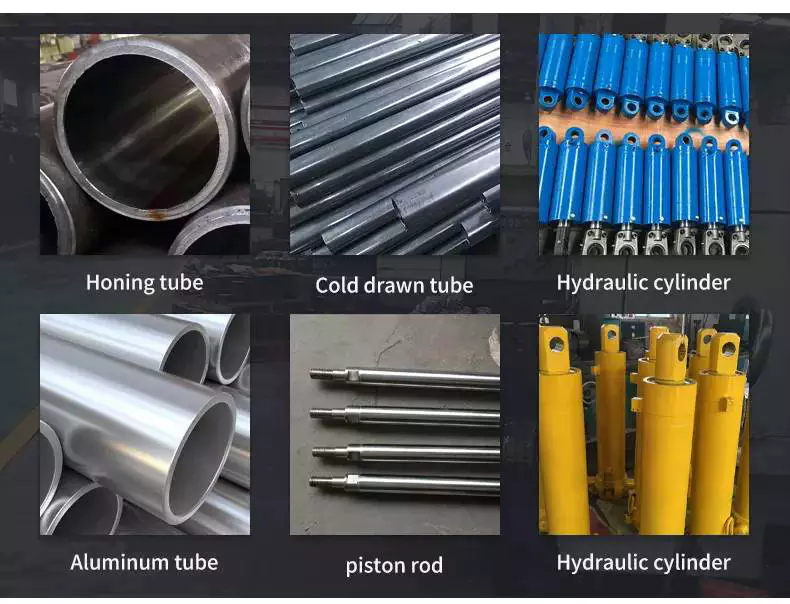
Bagaimanakah silinder hidraulik menyumbang kepada keberkesanan kos keseluruhan proses perindustrian?
Silinder hidraulik memainkan peranan penting dalam meningkatkan keberkesanan kos keseluruhan proses perindustrian. Ia menawarkan beberapa kelebihan dan menyumbang kepada peningkatan produktiviti, peningkatan kecekapan, pengurangan kos penyelenggaraan dan peningkatan prestasi operasi. Berikut ialah penjelasan terperinci tentang bagaimana silinder hidraulik menyumbang kepada keberkesanan kos proses perindustrian:
1. Ketumpatan Kuasa Tinggi:
– Silinder hidraulik menyediakan nisbah kuasa-ke-berat yang tinggi, membolehkannya menjana daya yang besar dalam reka bentuk yang padat. Ketumpatan kuasa ini membolehkan penggunaan peralatan yang lebih kecil dan lebih ringan, mengurangkan kos bahan dan pembuatan, serta meningkatkan kecekapan proses perindustrian.
2. Kawalan Daya dan Kedudukan yang Tepat:
– Silinder hidraulik menawarkan kawalan daya dan kedudukan yang tepat, membolehkan pergerakan dan kedudukan jentera atau bahan kerja yang tepat. Tahap kawalan ini meningkatkan kecekapan proses, mengurangkan pembaziran bahan dan meningkatkan kualiti produk secara keseluruhan. Kawalan daya yang tepat juga meminimumkan risiko kerosakan peralatan, seterusnya mengurangkan kos penyelenggaraan dan pembaikan.
3. Kapasiti Pengendalian Beban Tinggi:
– Silinder hidraulik dikenali kerana keupayaannya untuk mengendalikan beban tinggi. Ia boleh mengenakan daya yang ketara, menjadikannya sesuai untuk aplikasi perindustrian tugas berat. Dengan mengendalikan beban berat dengan cekap, silinder hidraulik menyumbang kepada peningkatan produktiviti dan daya pemprosesan, mengurangkan keperluan peralatan tambahan dan memperkemas proses perindustrian.
4. Fleksibiliti dan Kebolehgunaan:
– Silinder hidraulik menawarkan tahap fleksibiliti dan versatiliti yang tinggi dalam proses perindustrian. Ia boleh diintegrasikan dengan mudah ke dalam pelbagai jenis jentera dan peralatan, membolehkan aplikasi yang pelbagai. Kebolehsuaian ini mengurangkan keperluan untuk peralatan khusus, menghasilkan penjimatan kos dan peningkatan kecekapan operasi.
5. Kecekapan Tenaga:
– Sistem hidraulik, termasuk silinder hidraulik, boleh direka bentuk untuk beroperasi dengan kecekapan tenaga yang tinggi. Dengan menggunakan reka bentuk litar hidraulik yang cekap, sistem kawalan termaju dan mekanisme pemulihan tenaga, silinder hidraulik meminimumkan pembaziran tenaga dan mengurangkan kos operasi. Sistem hidraulik yang cekap tenaga juga menyumbang kepada operasi perindustrian yang lebih lestari dan mesra alam.
6. Ketahanan dan Panjang Umur:
– Silinder hidraulik dibina untuk menahan persekitaran perindustrian yang mencabar dan penggunaan yang berat. Ia dibina dengan bahan yang teguh dan menjalani langkah kawalan kualiti yang ketat untuk memastikan ketahanan dan jangka hayat yang panjang. Keupayaannya untuk menahan keadaan yang teruk dan gerakan berulang mengurangkan keperluan penggantian yang kerap, meminimumkan masa henti dan kos penyelenggaraan.
7. Keperluan Penyelenggaraan yang Dikurangkan:
– Silinder hidraulik memerlukan penyelenggaraan yang agak rendah berbanding jenis penggerak lain. Sistem hidraulik yang direka bentuk dengan betul dengan mekanisme penapisan dan kawalan pencemaran yang cekap dapat mencegah kerosakan pada silinder dan memanjangkan jangka hayatnya. Keperluan penyelenggaraan yang berkurangan menghasilkan masa henti yang lebih rendah, kos buruh yang berkurangan dan keberkesanan kos proses perindustrian yang lebih baik.
8. Integrasi dan Automasi Sistem:
– Silinder hidraulik boleh disepadukan dengan lancar ke dalam proses perindustrian automatik. Dengan menggabungkan silinder hidraulik ke dalam sistem automatik, tugas boleh dilakukan dengan tepat dan boleh diulang, sekali gus mengurangkan ralat manusia dan mengoptimumkan kecekapan. Automasi juga membolehkan operasi berterusan, meningkatkan produktiviti dan keberkesanan kos keseluruhan.
9. Penggantian Kos Efektif:
– Dalam situasi di mana silinder hidraulik memerlukan penggantian atau pembaikan, keberkesanan kos proses masih dikekalkan. Silinder hidraulik biasanya direka bentuk secara modular, membolehkan penggantian komponen individu atau unit lengkap dengan mudah. Modulariti ini mengurangkan masa henti dan kos yang berkaitan, kerana hanya komponen yang terjejas perlu diganti, dan bukannya keseluruhan sistem.
Secara ringkasnya, silinder hidraulik menyumbang kepada keberkesanan kos keseluruhan proses perindustrian melalui ketumpatan kuasa yang tinggi, keupayaan kawalan yang tepat, kapasiti pengendalian beban yang tinggi, fleksibiliti, kecekapan tenaga, ketahanan, keperluan penyelenggaraan yang dikurangkan, penyepaduan sistem dan pilihan penggantian yang kos efektif. Keupayaannya untuk meningkatkan produktiviti, kecekapan dan prestasi operasi sambil meminimumkan kos penyelenggaraan dan masa henti menjadikan silinder hidraulik komponen yang berharga dalam pelbagai aplikasi perindustrian.
Ensuring Controlled and Safe Force Application in Heavy Machinery with Hydraulic Cylinders
Hydraulic cylinders play a critical role in heavy machinery by ensuring controlled and safe force application. The ability to exert and control high forces is essential for heavy machinery operations, such as lifting, pressing, pushing, or pulling heavy loads. Let’s explore how hydraulic cylinders ensure controlled and safe force application in heavy machinery:
- Force Control: Hydraulic cylinders provide precise force control capabilities. The hydraulic system’s pressure can be adjusted to regulate the force exerted by the cylinder. This control allows operators to apply the necessary force for a specific task while ensuring it remains within safe limits. By accurately controlling the force, hydraulic cylinders help prevent excessive force that could damage the machinery or compromise the safety of the operation.
- Load Balancing: In heavy machinery, multiple hydraulic cylinders are often used in conjunction to distribute and balance the applied force. By using multiple cylinders, the load can be evenly distributed across the machinery, minimizing stress concentrations and ensuring controlled force application. This load balancing approach enhances the stability and safety of the machinery, preventing uneven loading that could lead to structural issues or instability.
- Safety Valves: Hydraulic systems in heavy machinery are equipped with safety valves to protect against excessive force or overloading. Safety valves are designed to release hydraulic fluid from the cylinder when the force exceeds a predetermined threshold. This prevents the force from reaching dangerous levels, safeguarding the machinery and preventing potential accidents or damage. Safety valves provide an additional layer of safety and ensure controlled force application even in unexpected circumstances.
- Pressure Relief Systems: Hydraulic cylinders incorporate pressure relief systems to further enhance safety. These systems are designed to relieve excess pressure in the hydraulic system, which could occur due to factors such as thermal expansion or system malfunctions. By relieving excess pressure, the pressure relief systems prevent sudden and uncontrolled force surges, maintaining safe and controlled force application in heavy machinery.
- Structural Integrity: Hydraulic cylinders are designed to withstand the high forces and loads associated with heavy machinery applications. The cylinders are constructed using robust materials, such as high-strength steel, and undergo rigorous testing to ensure their structural integrity. This ensures that the cylinders can safely handle the forces applied during heavy machinery operations without experiencing failures or deformations that could compromise the safety and controlled force application.
In summary, hydraulic cylinders ensure controlled and safe force application in heavy machinery through force control, load balancing, safety valves, pressure relief systems, and robust structural design. These features and design considerations enable operators to exert the necessary force while maintaining safety and preventing excessive loads or force surges. By incorporating hydraulic cylinders into heavy machinery, manufacturers can achieve controlled force application, enhance operational safety, and protect the machinery from damage or failure.
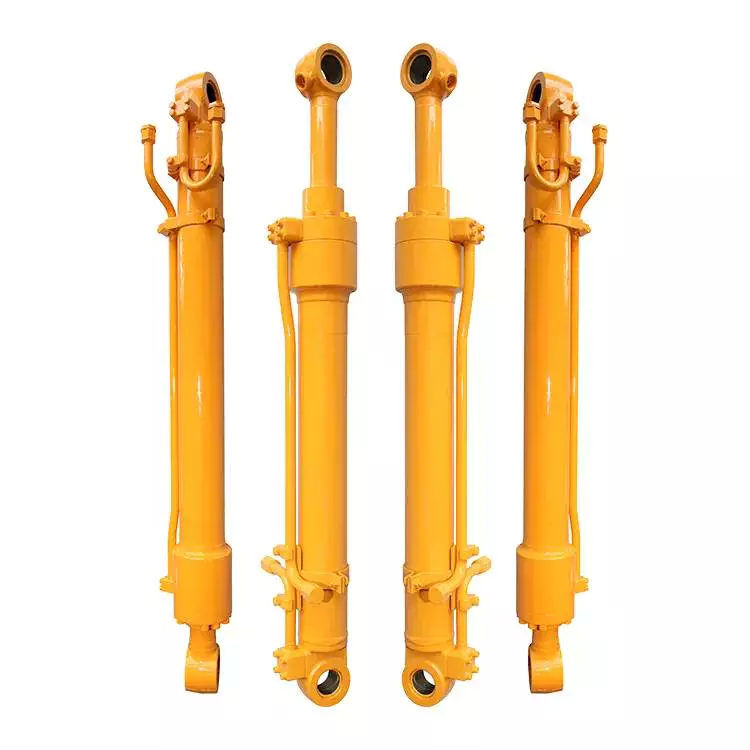
What maintenance practices are essential for extending the lifespan of hydraulic cylinders?
Maintaining hydraulic cylinders is crucial for extending their lifespan and ensuring optimal performance. Regular maintenance helps prevent premature wear, damage, and failure, ultimately reducing downtime and saving costs. Here are some essential maintenance practices to consider for extending the lifespan of hydraulic cylinders:
1. Regular Inspections:
– Conduct routine visual inspections of hydraulic cylinders to identify any signs of damage, leaks, or wear. Inspect the cylinder body, piston rod, seals, and mounting points. Look for fluid leaks, rust, dents, or any abnormal wear patterns. Early detection of issues allows for timely repairs or replacements, preventing further damage and extending the lifespan of the cylinder.
2. Cleanliness:
– Maintain a clean environment around hydraulic cylinders to prevent contaminants from entering the system. Dust, dirt, and debris can damage seals and other internal components, leading to accelerated wear and reduced performance. Regularly clean the cylinder and its surroundings to minimize the risk of contamination.
3. Proper Lubrication:
– Adequate lubrication is critical for the smooth operation and longevity of hydraulic cylinders. Follow the manufacturer’s recommendations for lubrication intervals and use the appropriate lubricant. Apply lubrication to the cylinder’s moving parts, such as the piston rod, to reduce friction and minimize wear.
4. Seal Maintenance:
– Seals play a vital role in preventing hydraulic fluid leaks and maintaining the cylinder’s performance. Inspect and replace worn or damaged seals promptly. Ensure that seals are properly installed and lubricated. Regularly clean the seal grooves to remove any debris that could compromise seal effectiveness.
5. Pressure Checks:
– Periodically check the hydraulic system’s pressure to ensure it is within the recommended operating range. Excessive pressure can strain the cylinder and its components, leading to premature wear. Monitor pressure levels and make adjustments as necessary to prevent overloading the cylinder.
6. Control Valve Maintenance:
– Maintain and inspect control valves that regulate the flow and direction of hydraulic fluid. Ensure that the valves are functioning correctly and not causing excessive stress or pressure spikes in the cylinder. Clean or replace control valves if they are damaged or malfunctioning.
7. Cylinder Alignment:
– Proper alignment of hydraulic cylinders is essential for their longevity. Misalignment can cause excessive side loads, leading to uneven wear and potential damage. Ensure that the cylinder is correctly aligned with other components and that the mounting points are secure.
8. Preventing Overloading:
– Avoid subjecting hydraulic cylinders to loads exceeding their rated capacity. Overloading can cause internal damage, seal failure, and reduced lifespan. Ensure that the load requirements are within the cylinder’s capabilities and consider using safety devices like overload protection systems when necessary.
9. Training and Operator Awareness:
– Provide proper training to equipment operators on the correct use and handling of hydraulic cylinders. Operators should be aware of the cylinder’s limitations, safe operating procedures, and the importance of regular maintenance. Promote a culture of proactive maintenance and encourage operators to report any potential issues promptly.
10. Documentation and Record-Keeping:
– Maintain detailed documentation of all maintenance activities, including inspections, repairs, and replacements. Keep records of lubrication schedules, pressure checks, and any maintenance performed on the hydraulic cylinders. This documentation helps track the cylinder’s history, identify recurring issues, and plan future maintenance effectively.
By following these maintenance practices, hydraulic cylinder lifespan can be extended, ensuring reliable performance and reducing the risk of unexpected failures. Regular inspections, cleanliness, proper lubrication, seal maintenance, pressure checks, control valve maintenance, cylinder alignment, preventing overloading, operator training, and documentation contribute to the overall longevity and optimal functioning of hydraulic cylinders.


editor by CX 2024-04-08
 Malay
Malay  English
  Italian
  Portuguese
  Dutch
Dutch  Swedish
  Danish
  Finnish
  Polish
  Hindi
Hindi  Kazakh
  Turkish
  Ukrainian
  Romanian
  Spanish
  German
  Russian
  Korean
  Japanese
  Vietnamese
  Thai
Thai  Indonesian
  French
  Greek
Greek