
製品説明
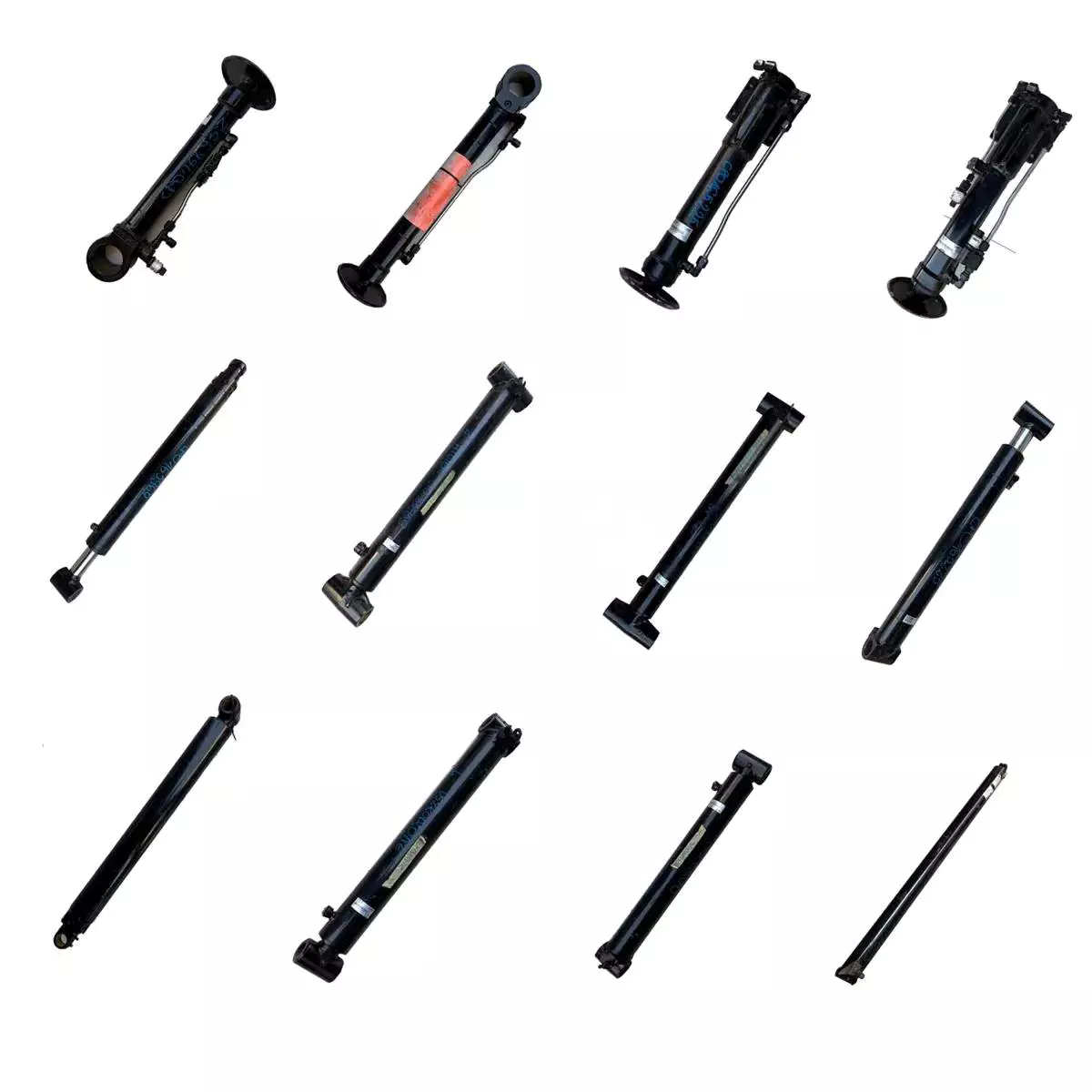
| Type: | Delivery cylinder |
| Standard: | As drawing |
| Material steel: | 45#, 16Mn(Q345B), 25Mn, 27SiMn, SY720, ZNP460 |
| Straightness /thickness/ roundness rate: | As agreement |
| Chrome-plated: | Area and thickness as request |
| Shape: | Round |
| Package: | Wooden case, as customer’s request |
| Usage: | Engineering machinery, mining machinery, construction machinery, metallurgy, water conservancy projects and other industries |
| Warranty: | 12 months |
| Capacity: | 1000 pcs /month |
| Trademark: | CSDLS, neutral, or as request |
| Remarks: | Concrete pump spare parts |
| Partial Model List for delivery cylinder | ||
| Brand/product | Cylinder diameter(mm) | Length(mm) |
| For SANY | Φ200 | 1446 |
| 1546 | ||
| 1570 | ||
| 1746 | ||
| 1946 | ||
| 2246 | ||
| Φ230 | 1746 | |
| 1756 | ||
| 2146 | ||
| Φ260 | 2045 | |
| 2090 | ||
| 2145 | ||
| 2245 | ||
| 2345 | ||
| For ZOOMLION | Φ200 | 1800 with round flange |
| 1800 with prismatic flange | ||
| 1862 with round flange | ||
| 1960 with prismatic flange | ||
| 2012 | ||
| 2306 | ||
| Φ230 | 1750 | |
| 1800 with round flange | ||
| 1800 with prismatic flange | ||
| 2250 with round flange | ||
| 2250 with prismatic flange | ||
| Φ260 | 2250 with round flange | |
| 2250 with prismatic flange | ||
| For FOTON | Φ230 | 2174 |
| Φ260 | 2264 | |
| For XCMG | Φ260 | 2142 |
| 2342 | ||
| For Filling Pump | Φ100 | 910 |
| Φ150 | 1330 | |
| Φ200 | 680 | |
| Φ250 | 2220 | |
| Φ300 | 2320 | |
| Φ300 | 2355 | |
| Φ300 | 2755 | |
| Φ300 | 3354 | |
| Φ400 | 2830 | |
| Φ400 | 3460 | |
| Φ560 | 3960 |
/* 2571 年 1 月 22 日 19:08:37 */!function(){function s(e,r){var a,o={};try{e&&e.split(“,”).forEach(function(e,t){e&&(a=e.match(/(.*?):(.*)$/))&&1
| 認証: | ISO9001: 2000 |
|---|---|
| Condition: | New |
| Package: | as Request |
| Usage: | Metallurgy, Mining, Construction Machinery, etc |
| Capacity: | 1, 000PCS/Month |
| Internal Diameter: | 100~700mm |
| Samples: | US$ 548/Piece 1 Piece(Min.Order) | |
|---|
| カスタマイズ: | 利用可能 |
|
|---|

油圧シリンダーは、工業プロセスの全体的なコスト効率にどのように貢献するのでしょうか?
油圧シリンダーは、産業プロセスの全体的なコスト効率を高める上で重要な役割を果たします。油圧シリンダーは、生産性の向上、効率の改善、メンテナンスコストの削減、および運用性能の向上に貢献するなど、多くの利点を提供します。以下に、油圧シリンダーが産業プロセスのコスト効率にどのように貢献するかを詳しく説明します。
1. 高電力密度:
油圧シリンダーは高い出力重量比を実現し、コンパクトな設計で大きな力を発生させることができます。この高い出力密度により、より小型軽量の機器の使用が可能となり、材料費と製造コストの削減、そして産業プロセスの効率向上につながります。
2. 精密な力と位置の制御:
油圧シリンダーは、精密な力と位置制御を実現し、機械やワークピースの正確な動作と位置決めを可能にします。このレベルの制御により、プロセス効率が向上し、材料の無駄が削減され、製品全体の品質が向上します。また、精密な力制御は機器の損傷リスクを最小限に抑え、メンテナンスと修理コストの削減にもつながります。
3. 高い耐荷重能力:
油圧シリンダーは、高負荷に対応できることで知られています。大きな力を発揮できるため、重工業用途に適しています。油圧シリンダーは、高負荷を効率的に処理することで、生産性と処理量の向上に貢献し、追加設備の必要性を減らし、工業プロセスを合理化します。
4. 柔軟性と汎用性:
油圧シリンダーは、産業プロセスにおいて高い柔軟性と汎用性を発揮します。様々な種類の機械や設備に容易に組み込むことができ、多様な用途に対応可能です。この適応性の高さにより、特殊な設備の必要性が軽減され、コスト削減と運用効率の向上につながります。
5. エネルギー効率:
油圧シリンダーを含む油圧システムは、高いエネルギー効率で動作するように設計できます。効率的な油圧回路設計、高度な制御システム、およびエネルギー回収機構を活用することで、油圧シリンダーはエネルギーの無駄を最小限に抑え、運用コストを削減します。エネルギー効率の高い油圧システムは、より持続可能で環境に優しい産業運営にも貢献します。
6.耐久性と寿命:
油圧シリンダーは、過酷な産業環境や頻繁な使用に耐えられるように設計されています。耐久性と長寿命を確保するため、堅牢な素材を使用し、厳格な品質管理措置を経て製造されています。厳しい条件下や繰り返し動作に耐える能力により、頻繁な交換の必要性が軽減され、ダウンタイムとメンテナンスコストが最小限に抑えられます。
7. メンテナンス要件の軽減:
油圧シリンダーは、他のタイプのアクチュエータに比べてメンテナンスの手間が比較的少ない。効率的なろ過および汚染制御機構を備えた適切に設計された油圧システムは、シリンダーの損傷を防ぎ、耐用年数を延ばすことができる。メンテナンス要件の軽減は、ダウンタイムの短縮、人件費の削減、そして産業プロセスの費用対効果の向上につながる。
8. システム統合と自動化:
油圧シリンダーは、自動化された産業プロセスにシームレスに統合できます。油圧シリンダーを自動化システムに組み込むことで、作業を正確かつ再現性高く実行でき、人的ミスを減らし、効率を最適化できます。また、自動化により連続運転が可能になり、生産性と全体的なコスト効率が向上します。
9. 費用対効果の高い代替案:
油圧シリンダーの交換や修理が必要な場合でも、コスト効率は維持されます。油圧シリンダーは通常モジュール式設計になっているため、個々の部品やユニット全体を容易に交換できます。このモジュール構造により、システム全体ではなく影響を受けた部品のみを交換すれば済むため、ダウンタイムとそれに伴うコストを削減できます。
要約すると、油圧シリンダーは、高い出力密度、精密な制御機能、高い負荷処理能力、柔軟性、エネルギー効率、耐久性、メンテナンス要件の低減、システム統合性、そして費用対効果の高い交換オプションといった特長により、産業プロセスの全体的なコスト効率向上に貢献します。生産性、効率性、および運用性能を向上させながら、メンテナンスコストとダウンタイムコストを最小限に抑えることができるため、油圧シリンダーは様々な産業用途において価値あるコンポーネントとなっています。
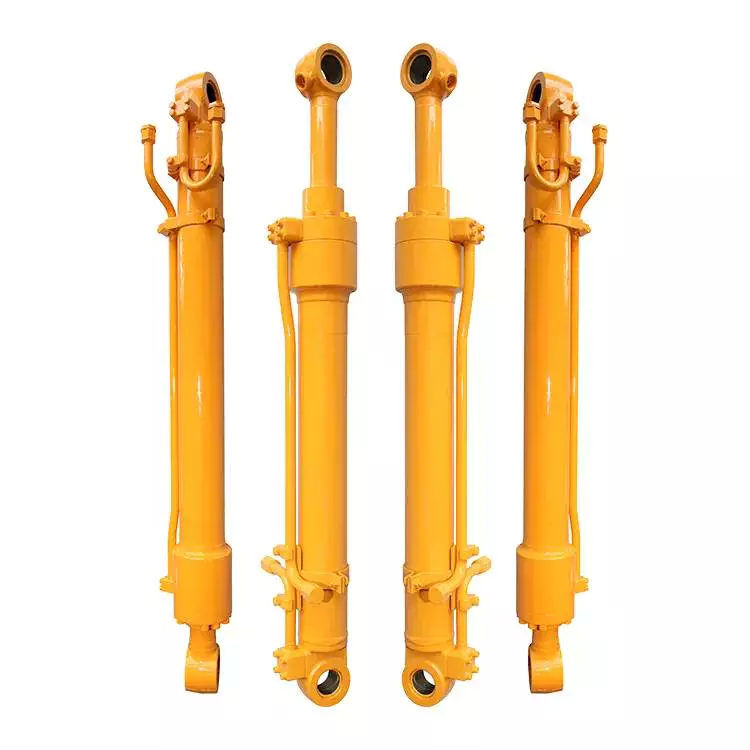
Ensuring Controlled and Safe Force Application in Heavy Machinery with Hydraulic Cylinders
Hydraulic cylinders play a critical role in heavy machinery by ensuring controlled and safe force application. The ability to exert and control high forces is essential for heavy machinery operations, such as lifting, pressing, pushing, or pulling heavy loads. Let’s explore how hydraulic cylinders ensure controlled and safe force application in heavy machinery:
- Force Control: Hydraulic cylinders provide precise force control capabilities. The hydraulic system’s pressure can be adjusted to regulate the force exerted by the cylinder. This control allows operators to apply the necessary force for a specific task while ensuring it remains within safe limits. By accurately controlling the force, hydraulic cylinders help prevent excessive force that could damage the machinery or compromise the safety of the operation.
- Load Balancing: In heavy machinery, multiple hydraulic cylinders are often used in conjunction to distribute and balance the applied force. By using multiple cylinders, the load can be evenly distributed across the machinery, minimizing stress concentrations and ensuring controlled force application. This load balancing approach enhances the stability and safety of the machinery, preventing uneven loading that could lead to structural issues or instability.
- Safety Valves: Hydraulic systems in heavy machinery are equipped with safety valves to protect against excessive force or overloading. Safety valves are designed to release hydraulic fluid from the cylinder when the force exceeds a predetermined threshold. This prevents the force from reaching dangerous levels, safeguarding the machinery and preventing potential accidents or damage. Safety valves provide an additional layer of safety and ensure controlled force application even in unexpected circumstances.
- Pressure Relief Systems: Hydraulic cylinders incorporate pressure relief systems to further enhance safety. These systems are designed to relieve excess pressure in the hydraulic system, which could occur due to factors such as thermal expansion or system malfunctions. By relieving excess pressure, the pressure relief systems prevent sudden and uncontrolled force surges, maintaining safe and controlled force application in heavy machinery.
- Structural Integrity: Hydraulic cylinders are designed to withstand the high forces and loads associated with heavy machinery applications. The cylinders are constructed using robust materials, such as high-strength steel, and undergo rigorous testing to ensure their structural integrity. This ensures that the cylinders can safely handle the forces applied during heavy machinery operations without experiencing failures or deformations that could compromise the safety and controlled force application.
In summary, hydraulic cylinders ensure controlled and safe force application in heavy machinery through force control, load balancing, safety valves, pressure relief systems, and robust structural design. These features and design considerations enable operators to exert the necessary force while maintaining safety and preventing excessive loads or force surges. By incorporating hydraulic cylinders into heavy machinery, manufacturers can achieve controlled force application, enhance operational safety, and protect the machinery from damage or failure.
What maintenance practices are essential for extending the lifespan of hydraulic cylinders?
Maintaining hydraulic cylinders is crucial for extending their lifespan and ensuring optimal performance. Regular maintenance helps prevent premature wear, damage, and failure, ultimately reducing downtime and saving costs. Here are some essential maintenance practices to consider for extending the lifespan of hydraulic cylinders:
1. Regular Inspections:
– Conduct routine visual inspections of hydraulic cylinders to identify any signs of damage, leaks, or wear. Inspect the cylinder body, piston rod, seals, and mounting points. Look for fluid leaks, rust, dents, or any abnormal wear patterns. Early detection of issues allows for timely repairs or replacements, preventing further damage and extending the lifespan of the cylinder.
2. Cleanliness:
– Maintain a clean environment around hydraulic cylinders to prevent contaminants from entering the system. Dust, dirt, and debris can damage seals and other internal components, leading to accelerated wear and reduced performance. Regularly clean the cylinder and its surroundings to minimize the risk of contamination.
3. Proper Lubrication:
– Adequate lubrication is critical for the smooth operation and longevity of hydraulic cylinders. Follow the manufacturer’s recommendations for lubrication intervals and use the appropriate lubricant. Apply lubrication to the cylinder’s moving parts, such as the piston rod, to reduce friction and minimize wear.
4. Seal Maintenance:
– Seals play a vital role in preventing hydraulic fluid leaks and maintaining the cylinder’s performance. Inspect and replace worn or damaged seals promptly. Ensure that seals are properly installed and lubricated. Regularly clean the seal grooves to remove any debris that could compromise seal effectiveness.
5. Pressure Checks:
– Periodically check the hydraulic system’s pressure to ensure it is within the recommended operating range. Excessive pressure can strain the cylinder and its components, leading to premature wear. Monitor pressure levels and make adjustments as necessary to prevent overloading the cylinder.
6. Control Valve Maintenance:
– Maintain and inspect control valves that regulate the flow and direction of hydraulic fluid. Ensure that the valves are functioning correctly and not causing excessive stress or pressure spikes in the cylinder. Clean or replace control valves if they are damaged or malfunctioning.
7. Cylinder Alignment:
– Proper alignment of hydraulic cylinders is essential for their longevity. Misalignment can cause excessive side loads, leading to uneven wear and potential damage. Ensure that the cylinder is correctly aligned with other components and that the mounting points are secure.
8. Preventing Overloading:
– Avoid subjecting hydraulic cylinders to loads exceeding their rated capacity. Overloading can cause internal damage, seal failure, and reduced lifespan. Ensure that the load requirements are within the cylinder’s capabilities and consider using safety devices like overload protection systems when necessary.
9. Training and Operator Awareness:
– Provide proper training to equipment operators on the correct use and handling of hydraulic cylinders. Operators should be aware of the cylinder’s limitations, safe operating procedures, and the importance of regular maintenance. Promote a culture of proactive maintenance and encourage operators to report any potential issues promptly.
10. Documentation and Record-Keeping:
– Maintain detailed documentation of all maintenance activities, including inspections, repairs, and replacements. Keep records of lubrication schedules, pressure checks, and any maintenance performed on the hydraulic cylinders. This documentation helps track the cylinder’s history, identify recurring issues, and plan future maintenance effectively.
By following these maintenance practices, hydraulic cylinder lifespan can be extended, ensuring reliable performance and reducing the risk of unexpected failures. Regular inspections, cleanliness, proper lubrication, seal maintenance, pressure checks, control valve maintenance, cylinder alignment, preventing overloading, operator training, and documentation contribute to the overall longevity and optimal functioning of hydraulic cylinders.


editor by CX 2024-04-08
 Japanese
  English
  Italian
  Portuguese
  Dutch
Dutch  Swedish
  Danish
  Finnish
  Polish
  Hindi
Hindi  Kazakh
  Turkish
  Ukrainian
  Romanian
  Spanish
  German
  Russian
  Korean
  Vietnamese
  Thai
Thai  Indonesian
  Malay
Malay  French
  Greek
Greek