
Descrição do produto
| Type: | Delivery cylinder |
| Standard: | As drawing |
| Material steel: | 45#, 16Mn(Q345B), 25Mn, 27SiMn, SY720, ZNP460 |
| Straightness /thickness/ roundness rate: | As agreement |
| Chrome-plated: | Area and thickness as request |
| Shape: | Round |
| Package: | Wooden case, as customer’s request |
| Usage: | Engineering machinery, mining machinery, construction machinery, metallurgy, water conservancy projects and other industries |
| Warranty: | 12 months |
| Capacity: | 1000 pcs /month |
| Trademark: | CSDLS, neutral, or as request |
| Remarks: | Concrete pump spare parts |
| Partial Model List for delivery cylinder | ||
| Brand/product | Cylinder diameter(mm) | Length(mm) |
| For SANY | Φ200 | 1446 |
| 1546 | ||
| 1570 | ||
| 1746 | ||
| 1946 | ||
| 2246 | ||
| Φ230 | 1746 | |
| 1756 | ||
| 2146 | ||
| Φ260 | 2045 | |
| 2090 | ||
| 2145 | ||
| 2245 | ||
| 2345 | ||
| For ZOOMLION | Φ200 | 1800 with round flange |
| 1800 with prismatic flange | ||
| 1862 with round flange | ||
| 1960 with prismatic flange | ||
| 2012 | ||
| 2306 | ||
| Φ230 | 1750 | |
| 1800 with round flange | ||
| 1800 with prismatic flange | ||
| 2250 with round flange | ||
| 2250 with prismatic flange | ||
| Φ260 | 2250 with round flange | |
| 2250 with prismatic flange | ||
| For FOTON | Φ230 | 2174 |
| Φ260 | 2264 | |
| For XCMG | Φ260 | 2142 |
| 2342 | ||
| For Filling Pump | Φ100 | 910 |
| Φ150 | 1330 | |
| Φ200 | 680 | |
| Φ250 | 2220 | |
| Φ300 | 2320 | |
| Φ300 | 2355 | |
| Φ300 | 2755 | |
| Φ300 | 3354 | |
| Φ400 | 2830 | |
| Φ400 | 3460 | |
| Φ560 | 3960 |
/* January 22, 2571 19:08:37 */!function(){function s(e,r){var a,o={};try{e&&e.split(“,”).forEach(function(e,t){e&&(a=e.match(/(.*?):(.*)$/))&&1
| Certification: | ISO9001: 2000 |
|---|---|
| Condition: | New |
| Package: | as Request |
| Usage: | Metallurgy, Mining, Construction Machinery, etc |
| Capacity: | 1, 000PCS/Month |
| Internal Diameter: | 100~700mm |
| Samples: | US$ 548/Piece 1 Piece(Min.Order) | |
|---|
| Customization: | Available |
|
|---|
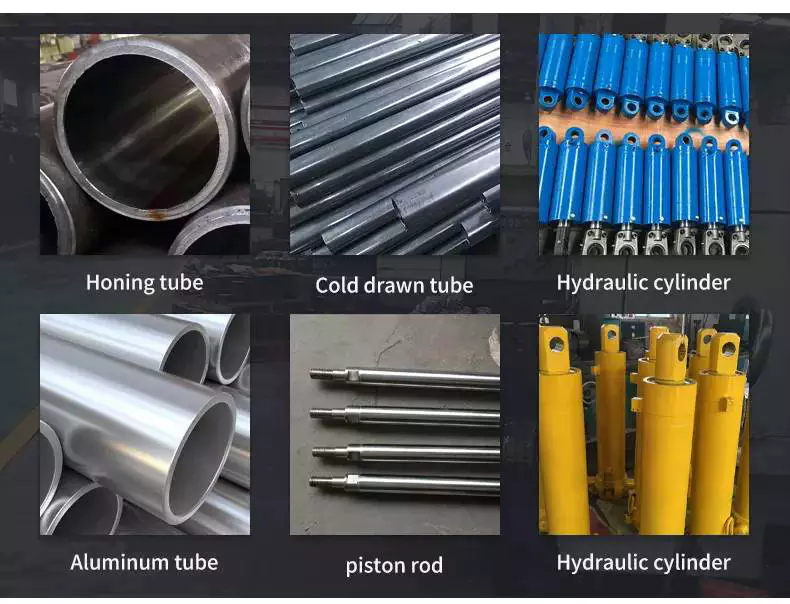
De que forma os cilindros hidráulicos contribuem para a relação custo-benefício geral dos processos industriais?
Os cilindros hidráulicos desempenham um papel crucial na melhoria da relação custo-benefício dos processos industriais. Eles oferecem diversas vantagens e contribuem para o aumento da produtividade, a melhoria da eficiência, a redução dos custos de manutenção e o aprimoramento do desempenho operacional. A seguir, uma explicação detalhada de como os cilindros hidráulicos contribuem para a relação custo-benefício dos processos industriais:
1. Alta densidade de potência:
Os cilindros hidráulicos oferecem uma elevada relação potência/peso, permitindo-lhes gerar uma força substancial num design compacto. Esta densidade de potência possibilita a utilização de equipamentos mais pequenos e leves, reduzindo os custos de materiais e de fabrico e aumentando a eficiência dos processos industriais.
2. Controle preciso de força e posição:
Os cilindros hidráulicos oferecem controle preciso de força e posição, permitindo o movimento e posicionamento exatos de máquinas ou peças. Esse nível de controle aumenta a eficiência do processo, reduz o desperdício de material e melhora a qualidade geral do produto. O controle preciso da força também minimiza o risco de danos ao equipamento, reduzindo ainda mais os custos de manutenção e reparo.
3. Alta capacidade de carga:
Os cilindros hidráulicos são conhecidos por sua capacidade de suportar cargas elevadas. Eles podem exercer uma força significativa, tornando-os adequados para aplicações industriais pesadas. Ao lidar com cargas pesadas de forma eficiente, os cilindros hidráulicos contribuem para o aumento da produtividade e do rendimento, reduzindo a necessidade de equipamentos adicionais e otimizando os processos industriais.
4. Flexibilidade e Versatilidade:
Os cilindros hidráulicos oferecem um alto grau de flexibilidade e versatilidade em processos industriais. Podem ser facilmente integrados a diversos tipos de máquinas e equipamentos, permitindo aplicações variadas. Essa adaptabilidade reduz a necessidade de equipamentos especializados, resultando em economia de custos e maior eficiência operacional.
5. Eficiência energética:
Os sistemas hidráulicos, incluindo os cilindros hidráulicos, podem ser projetados para operar com alta eficiência energética. Ao utilizar projetos de circuitos hidráulicos eficientes, sistemas de controle avançados e mecanismos de recuperação de energia, os cilindros hidráulicos minimizam o desperdício de energia e reduzem os custos operacionais. Sistemas hidráulicos energeticamente eficientes também contribuem para uma operação industrial mais sustentável e ecologicamente correta.
6. Durabilidade e Longevidade:
Os cilindros hidráulicos são projetados para suportar ambientes industriais exigentes e uso intenso. São fabricados com materiais robustos e submetidos a rigorosos controles de qualidade para garantir durabilidade e longa vida útil. Sua capacidade de suportar condições adversas e movimentos repetitivos reduz a necessidade de substituições frequentes, minimizando o tempo de inatividade e os custos de manutenção.
7. Requisitos de manutenção reduzidos:
Os cilindros hidráulicos requerem relativamente pouca manutenção em comparação com outros tipos de atuadores. Sistemas hidráulicos bem projetados, com mecanismos eficientes de filtragem e controle de contaminação, podem prevenir danos aos cilindros e prolongar sua vida útil. A redução da necessidade de manutenção resulta em menor tempo de inatividade, custos de mão de obra reduzidos e maior custo-benefício dos processos industriais.
8. Integração e Automação de Sistemas:
Os cilindros hidráulicos podem ser integrados perfeitamente em processos industriais automatizados. Ao incorporar cilindros hidráulicos em sistemas automatizados, as tarefas podem ser executadas com precisão e repetibilidade, reduzindo erros humanos e otimizando a eficiência. A automação também permite a operação contínua, aumentando a produtividade e a relação custo-benefício geral.
9. Substituição com boa relação custo-benefício:
– Em situações onde os cilindros hidráulicos necessitam de substituição ou reparo, a relação custo-benefício do processo é mantida. Os cilindros hidráulicos são tipicamente modulares, permitindo a fácil substituição de componentes individuais ou unidades completas. Essa modularidade reduz o tempo de inatividade e os custos associados, uma vez que apenas os componentes afetados precisam ser substituídos, em vez de todo o sistema.
Em resumo, os cilindros hidráulicos contribuem para a relação custo-benefício geral dos processos industriais por meio de sua alta densidade de potência, capacidades de controle preciso, alta capacidade de carga, flexibilidade, eficiência energética, durabilidade, menores requisitos de manutenção, integração de sistemas e opções de substituição com boa relação custo-benefício. Sua capacidade de aumentar a produtividade, a eficiência e o desempenho operacional, minimizando os custos de manutenção e tempo de inatividade, torna os cilindros hidráulicos um componente valioso em diversas aplicações industriais.
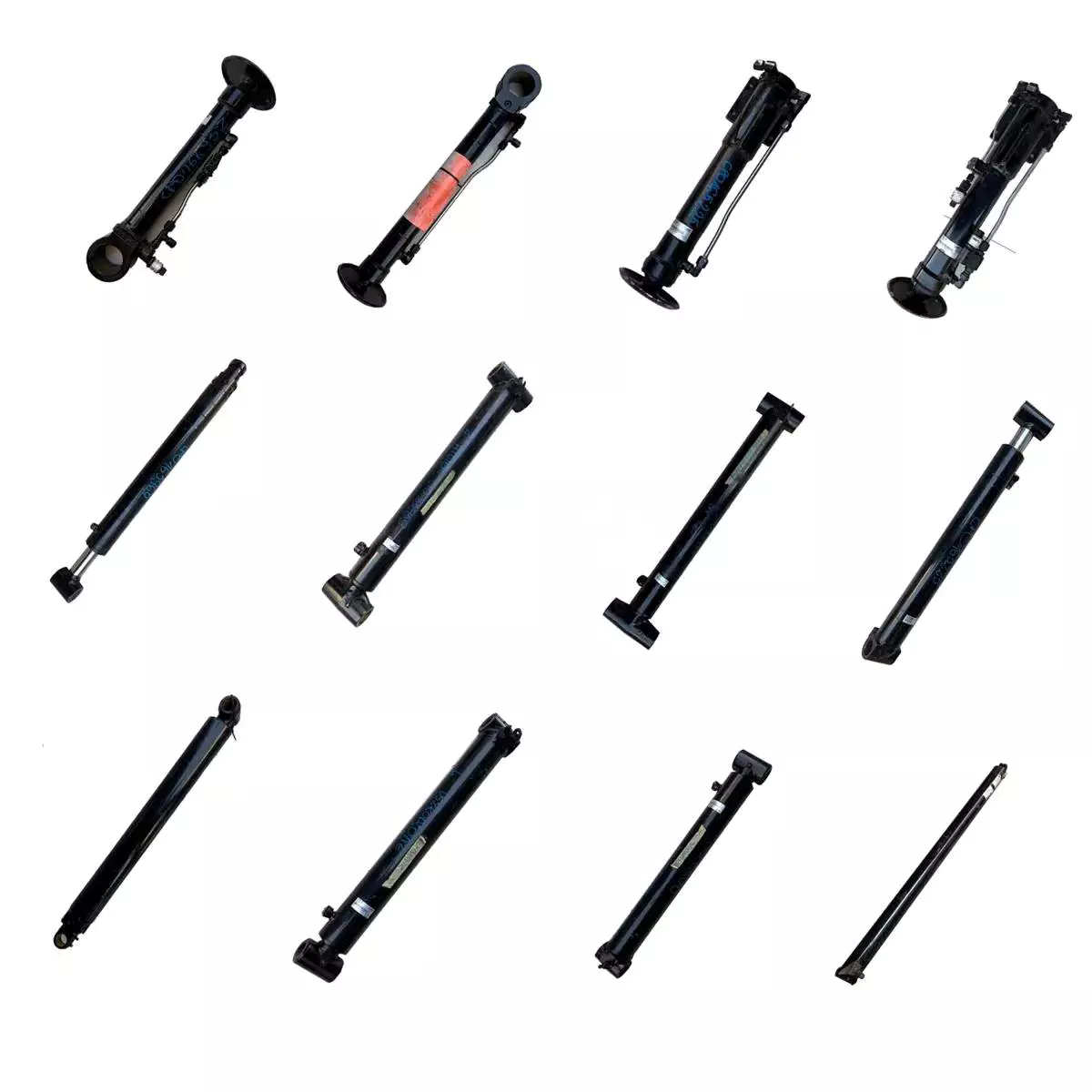
Ensuring Controlled and Safe Force Application in Heavy Machinery with Hydraulic Cylinders
Hydraulic cylinders play a critical role in heavy machinery by ensuring controlled and safe force application. The ability to exert and control high forces is essential for heavy machinery operations, such as lifting, pressing, pushing, or pulling heavy loads. Let’s explore how hydraulic cylinders ensure controlled and safe force application in heavy machinery:
- Force Control: Hydraulic cylinders provide precise force control capabilities. The hydraulic system’s pressure can be adjusted to regulate the force exerted by the cylinder. This control allows operators to apply the necessary force for a specific task while ensuring it remains within safe limits. By accurately controlling the force, hydraulic cylinders help prevent excessive force that could damage the machinery or compromise the safety of the operation.
- Load Balancing: In heavy machinery, multiple hydraulic cylinders are often used in conjunction to distribute and balance the applied force. By using multiple cylinders, the load can be evenly distributed across the machinery, minimizing stress concentrations and ensuring controlled force application. This load balancing approach enhances the stability and safety of the machinery, preventing uneven loading that could lead to structural issues or instability.
- Safety Valves: Hydraulic systems in heavy machinery are equipped with safety valves to protect against excessive force or overloading. Safety valves are designed to release hydraulic fluid from the cylinder when the force exceeds a predetermined threshold. This prevents the force from reaching dangerous levels, safeguarding the machinery and preventing potential accidents or damage. Safety valves provide an additional layer of safety and ensure controlled force application even in unexpected circumstances.
- Pressure Relief Systems: Hydraulic cylinders incorporate pressure relief systems to further enhance safety. These systems are designed to relieve excess pressure in the hydraulic system, which could occur due to factors such as thermal expansion or system malfunctions. By relieving excess pressure, the pressure relief systems prevent sudden and uncontrolled force surges, maintaining safe and controlled force application in heavy machinery.
- Structural Integrity: Hydraulic cylinders are designed to withstand the high forces and loads associated with heavy machinery applications. The cylinders are constructed using robust materials, such as high-strength steel, and undergo rigorous testing to ensure their structural integrity. This ensures that the cylinders can safely handle the forces applied during heavy machinery operations without experiencing failures or deformations that could compromise the safety and controlled force application.
In summary, hydraulic cylinders ensure controlled and safe force application in heavy machinery through force control, load balancing, safety valves, pressure relief systems, and robust structural design. These features and design considerations enable operators to exert the necessary force while maintaining safety and preventing excessive loads or force surges. By incorporating hydraulic cylinders into heavy machinery, manufacturers can achieve controlled force application, enhance operational safety, and protect the machinery from damage or failure.
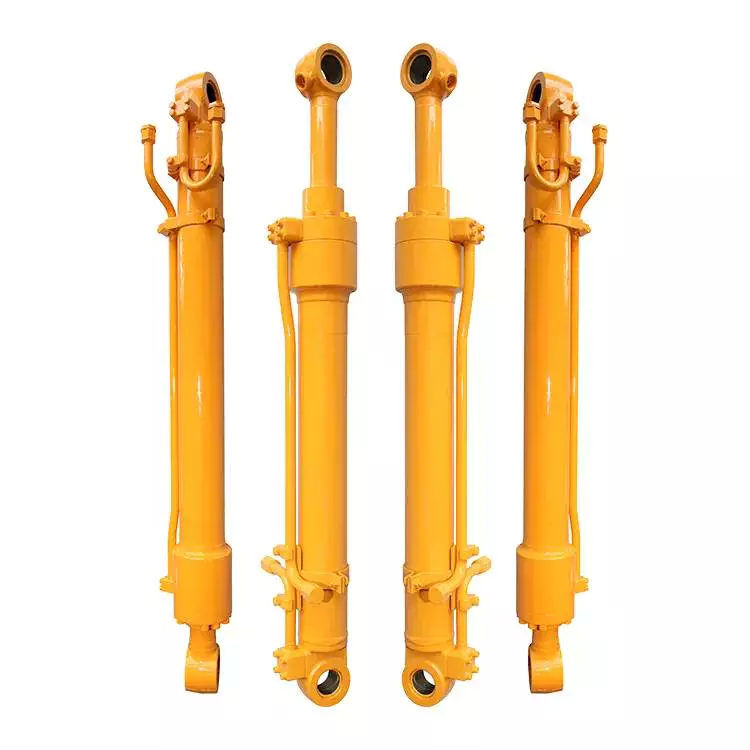
What maintenance practices are essential for extending the lifespan of hydraulic cylinders?
Maintaining hydraulic cylinders is crucial for extending their lifespan and ensuring optimal performance. Regular maintenance helps prevent premature wear, damage, and failure, ultimately reducing downtime and saving costs. Here are some essential maintenance practices to consider for extending the lifespan of hydraulic cylinders:
1. Regular Inspections:
– Conduct routine visual inspections of hydraulic cylinders to identify any signs of damage, leaks, or wear. Inspect the cylinder body, piston rod, seals, and mounting points. Look for fluid leaks, rust, dents, or any abnormal wear patterns. Early detection of issues allows for timely repairs or replacements, preventing further damage and extending the lifespan of the cylinder.
2. Cleanliness:
– Maintain a clean environment around hydraulic cylinders to prevent contaminants from entering the system. Dust, dirt, and debris can damage seals and other internal components, leading to accelerated wear and reduced performance. Regularly clean the cylinder and its surroundings to minimize the risk of contamination.
3. Proper Lubrication:
– Adequate lubrication is critical for the smooth operation and longevity of hydraulic cylinders. Follow the manufacturer’s recommendations for lubrication intervals and use the appropriate lubricant. Apply lubrication to the cylinder’s moving parts, such as the piston rod, to reduce friction and minimize wear.
4. Seal Maintenance:
– Seals play a vital role in preventing hydraulic fluid leaks and maintaining the cylinder’s performance. Inspect and replace worn or damaged seals promptly. Ensure that seals are properly installed and lubricated. Regularly clean the seal grooves to remove any debris that could compromise seal effectiveness.
5. Pressure Checks:
– Periodically check the hydraulic system’s pressure to ensure it is within the recommended operating range. Excessive pressure can strain the cylinder and its components, leading to premature wear. Monitor pressure levels and make adjustments as necessary to prevent overloading the cylinder.
6. Control Valve Maintenance:
– Maintain and inspect control valves that regulate the flow and direction of hydraulic fluid. Ensure that the valves are functioning correctly and not causing excessive stress or pressure spikes in the cylinder. Clean or replace control valves if they are damaged or malfunctioning.
7. Cylinder Alignment:
– Proper alignment of hydraulic cylinders is essential for their longevity. Misalignment can cause excessive side loads, leading to uneven wear and potential damage. Ensure that the cylinder is correctly aligned with other components and that the mounting points are secure.
8. Preventing Overloading:
– Avoid subjecting hydraulic cylinders to loads exceeding their rated capacity. Overloading can cause internal damage, seal failure, and reduced lifespan. Ensure that the load requirements are within the cylinder’s capabilities and consider using safety devices like overload protection systems when necessary.
9. Training and Operator Awareness:
– Provide proper training to equipment operators on the correct use and handling of hydraulic cylinders. Operators should be aware of the cylinder’s limitations, safe operating procedures, and the importance of regular maintenance. Promote a culture of proactive maintenance and encourage operators to report any potential issues promptly.
10. Documentation and Record-Keeping:
– Maintain detailed documentation of all maintenance activities, including inspections, repairs, and replacements. Keep records of lubrication schedules, pressure checks, and any maintenance performed on the hydraulic cylinders. This documentation helps track the cylinder’s history, identify recurring issues, and plan future maintenance effectively.
By following these maintenance practices, hydraulic cylinder lifespan can be extended, ensuring reliable performance and reducing the risk of unexpected failures. Regular inspections, cleanliness, proper lubrication, seal maintenance, pressure checks, control valve maintenance, cylinder alignment, preventing overloading, operator training, and documentation contribute to the overall longevity and optimal functioning of hydraulic cylinders.


editor by CX 2024-04-08
 Portuguese
  English
  Italian
  Dutch
Dutch  Swedish
  Danish
  Finnish
  Polish
  Hindi
Hindi  Kazakh
  Turkish
  Ukrainian
  Romanian
  Spanish
  German
  Russian
  Korean
  Japanese
  Vietnamese
  Thai
Thai  Indonesian
  Malay
Malay  French
  Greek
Greek